“Life is not easy for any of us. But what of that? We must have perseverance and above all confidence in ourselves. We must believe that we are gifted for something and that this thing must be attained.”
– Marie Curie
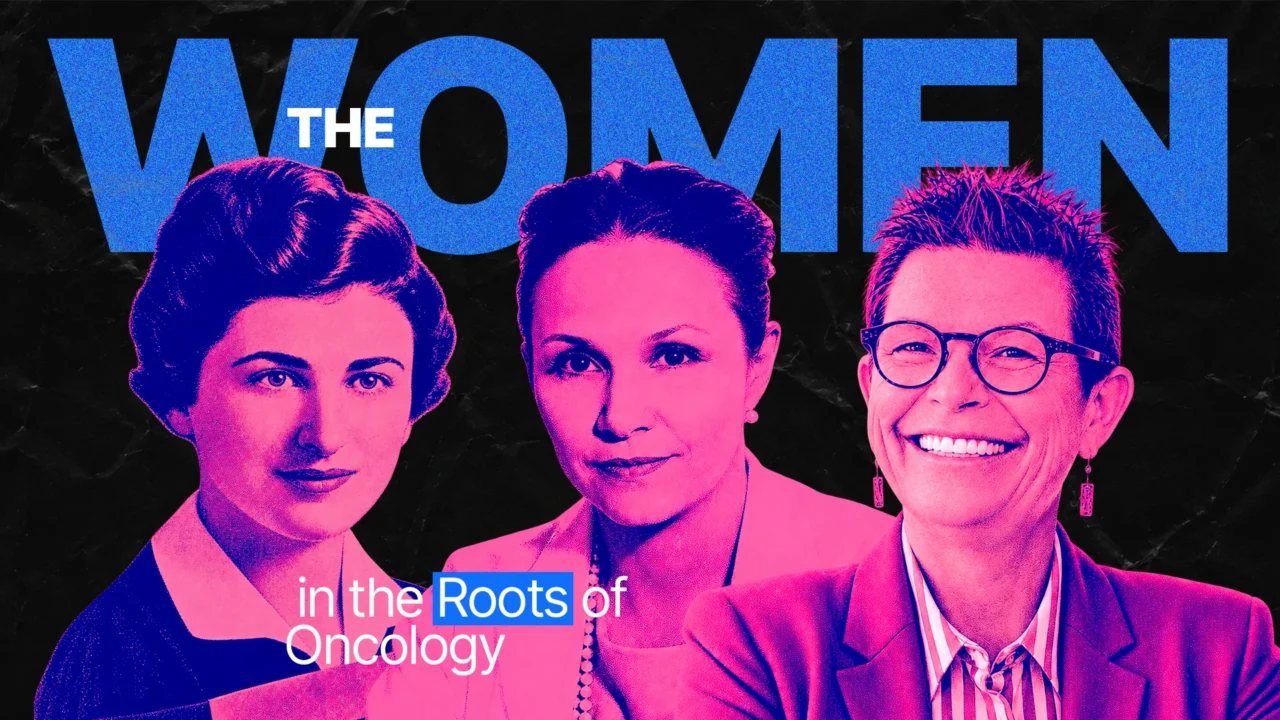
Historically, women were excluded from or denied the opportunity to practice science. Yet, even within these constraints, some of the greatest achievements in science owe much to women. They made discoveries that transformed medicine and shaped the way we understand and treat cancer today.
Here, we reflect on the historic impact women have had on oncology and the legacy they leave to inspire us today.
Who Wrote the Breast Cancer Bible?
Did she really suggest a group of women activists march topless in front of the White House?
Yes, and she didn’t expect to get taken seriously.
Susan Love was one of the few physicians of her time who not only treated patients but also advocated for them. Back in the 90s, when treatment decisions were made only by doctors and patients had no choice but to follow, Love had the right answer at the right time. Women were ready to make their voices heard in a field where men made all the calls, make informed choices about their bodies, and get a seat at the decision table. So she led a transforming movement that paved the path for breast cancer advocacy.
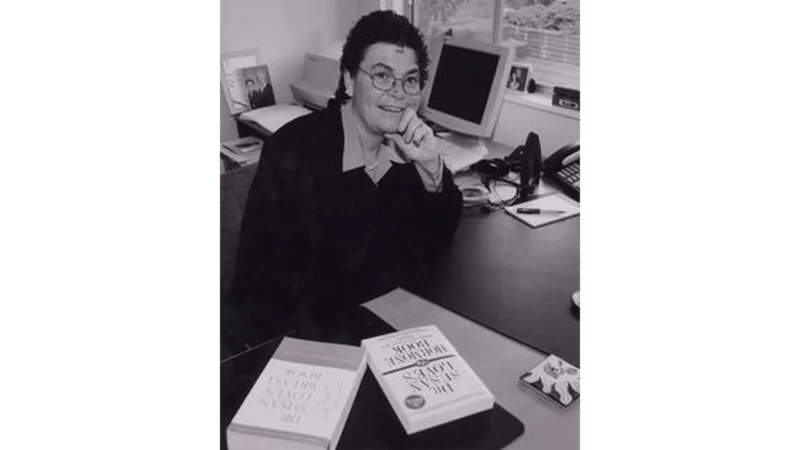
Susan Love pictured with Dr. Susan Love’s Breast Book. (Photo Credit: National Library of Medicine / NIH / Public Domain)
For decades, the standard treatment for breast cancer was an unquestioned path. Surgeons routinely removed a woman’s entire breast, muscle, and lymph nodes. Women had no voice in the medical decision regarding their health and body. This aggressive surgery was simply what doctors had been trained to do, not necessarily what they needed to.
At that time, few women entered surgery, and when they did, they were not trusted to perform major surgeries, and most of them usually went into breast surgery. Susan Love was one of them. She argued that performing breast-preserving lumpectomy or wide excision followed by radiotherapy, to everyone’s surprise, was just as effective as mastectomy.
“It was a time when we had science, and we had the National Surgical Adjuvant Breast and Bowel Project (NSABP) doing research and randomized trials, and we could start to change how we treated breast cancer based on data, which was really something new and novel.”
– She said in a 2021 Cancer Letter interview.
Susan was one of the few surgeons willing to enroll patients in those trials.
She published Dr. Susan Love’s Breast Book in 1990, which became known as the “bible” for breast cancer patients for its raw, open breakdown of treatments and option choices.
During her book tour in Salt Lake City, more than 600 people gathered to listen to her. What happened next was bigger than a successful book tour. In her speech, Love proposed something so outrageous that she expected it to die in the room:
“We should march topless on the White House.”
The women were ready. The point was not nudity. It was the disruption.
Patients were tired of being spoken for.
Love was the voice of the crowd; Fran Visco, a lawyer and breast cancer survivor, knew how to organize it. In 1991, Love and other activists founded the National Breast Cancer Coalition. Visco became its president and a powerful figure in Washington. The coalition demanded more than awareness: it wanted women to influence research priorities, public policy and access to care.
It launched the “$300 Million More” campaign, demanding a major increase in federal breast cancer research funding. Despite the amount being bizarre, in 1992, Congress granted $210 million to create the peer-reviewed Department of Defense Breast Cancer Research Program, and by 1993, the campaign had the federal increase they wanted.
In the same year, Love and Visco stood at President Bill Clinton’s White House and delivered 2.6 million signatures demanding a national plan against breast cancer.
But winning money was not enough if women had no say in how it was spent. Love and epidemiologist Kay Dickersin developed Project LEAD (Leadership, Education and Advocacy Development). Its first course was held in 1995. It did not train surgeons; it trained advocates in cancer biology, epidemiology and clinical-trial design, preparing them to question researchers and participate in the rooms where scientific decisions were made.
By then, pink ribbon was becoming the public face of breast cancer. Many organizations used it for advertising. It was supposed to make the disease visible and spread awareness. But awareness could not replace difficult conversations about cancer. In 2002, Breast Cancer Action gave the commercial version of this problem a name: pinkwashing. The pink ribbon was there to put pink glasses on watchers’ eyes, concealing the disease’s brutal reality or profiting without making meaningful change.
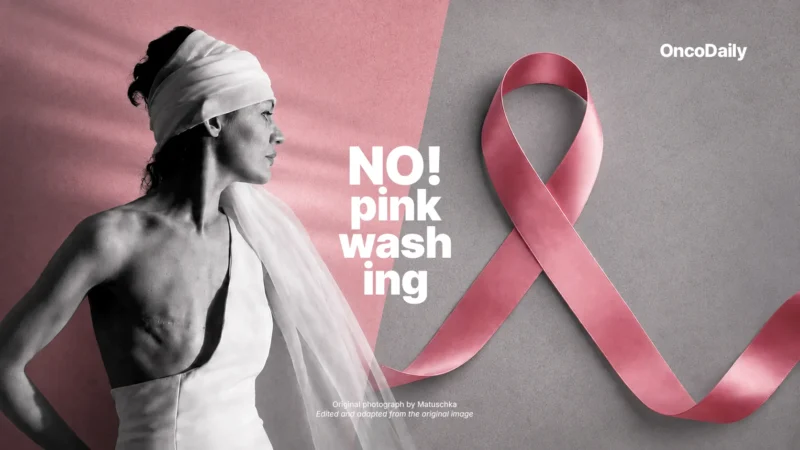
American artist and breast cancer activist Matuschka called her post-mastectomy self-portrait Beauty Out of Damage, an image that exposed her scar to challenge the silence surrounding breast cancer and conventional ideas of female beauty. Her activism also crossed into the movement Susan Love was leading: at a National Breast Cancer Coalition conference in Washington in 1993, Matuschka wore another self-portrait, Vote for Yourself, like a sandwich board. In spirit, these images were the opposite of the pinkwashing that came later: not softening or selling the disease, but forcing people to see what it did to the body.
Love eventually left active surgery to concentrate on the causes and prevention of breast cancer. She served on the National Cancer Advisory Board and later launched the Army of Women (renamed the Love Research Army in 2020), connecting hundreds of thousands of volunteers with researchers who needed study participants.
Her greatest intervention, however, may have been moving women from the waiting room to the decision table, and teaching medicine that informed patients were not an obstacle to progress, but its main driving force.
One woman and six men
Every oncologist knows ASCO. Every year, the oncology community gathers, treatment standards are debated and new evidence is presented. Yet fewer know the only woman among those who built it.
In 1964, Jane Cooke Wright joined six other physicians in founding the American Society of Clinical Oncology. She was the only woman and the only black one in the group. At the time, medical oncology was still struggling to establish itself as a distinct specialty. The founders wanted a professional home focused on the clinical care of people with cancer, a place where physicians could exchange knowledge, develop standards and move promising therapies into practice. Wright became ASCO’s first Secretary-Treasurer and helped guide the young society through its formative years.
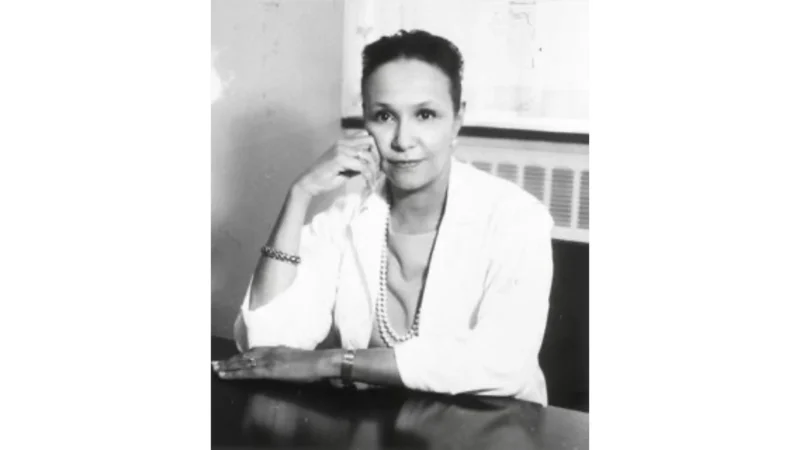
She had earned that seat through work that was already reshaping cancer treatment.
In the 1950s, chemotherapy was still an outsider: dangerous, inconsistent and regarded by many physicians with suspicion. Wright saw something different: a treatment that might reach those patients that surgery and radiation could no longer help.
Jane Cooke Wright fought for chemotherapy, brought it to practice, and created an oncology community that integrates multidisciplinary care we know today.
In 1949, she started working as a staff physician at New York Public Schools and later as a visiting physician at Harlem Hospital. Long before “personalized medicine” entered oncology’s vocabulary, Wright was already asking whether an individual tumour could help identify its own treatment.
She and her colleagues cultured tumour samples taken from patients, exposed the cells to anticancer agents and compared each laboratory response with the patient’s clinical response. During her time in Harlem, Jane and her father, Dr Louis Wright, director of the Cancer Research Foundation of Harlem Hospital, began testing folic acid antagonists on 93 patients with different blood tumors and solid tumors.
Seven folic acid antagonists were administered, using different combinations and doses. She was one of the few researchers who tested chemotherapy drugs in a specific order, at a time when very few guidelines for chemotherapy existed. Among the tested agents was methotrexate.
Results published in a 1951 paper were the first evidence of methotrexate’s efficacy against solid tumors.
To this day, it is used for treating several cancers.
ASCO was not Wright’s first leadership role, and her influence continued beyond it. After her father died in 1952, she succeeded him as director of the Harlem Hospital Cancer Research Foundation. In 1964, President Lyndon B. Johnson named Dr. Wright to the President’s Commission on Heart Disease, Cancer, and Stroke, chaired by Dr. Michael E. DeBakey. In 1971, she became the first female president of the New York Cancer Society.
Jane Wright was no ordinary scientist. She never confined herself to the narrow image of a scientist. She painted landscapes, loved fashion and was known for her impeccable style. That same independence shaped her career.
Wright’s distinction was not simply that she believed in chemotherapy. She gave the field a method: study the tumour, follow the patient, refine the treatment and build an institution capable of carrying the work forward.
The Pap Smear That Could Have Been the Stern Test
In the 1950s, cervical cancer was the leading cause of cancer-related deaths among American women. It is hard to imagine that these days, when we know cervical cancer is preventable and diagnosable as part of a routine check-up for the majority of women.
When the Pap smear entered medical practice, it gave doctors a new way to see abnormal cells before cervical cancer became invasive. But seeing unusual cells was not the same as understanding them. Some women consequently went through radical treatments, including hysterectomy or radiation, for changes that may never have become cancer. Doctors could not always tell which abnormalities were early warnings and which might disappear without causing harm.
Elizabeth Stern helped give meaning to what appeared under the microscope.
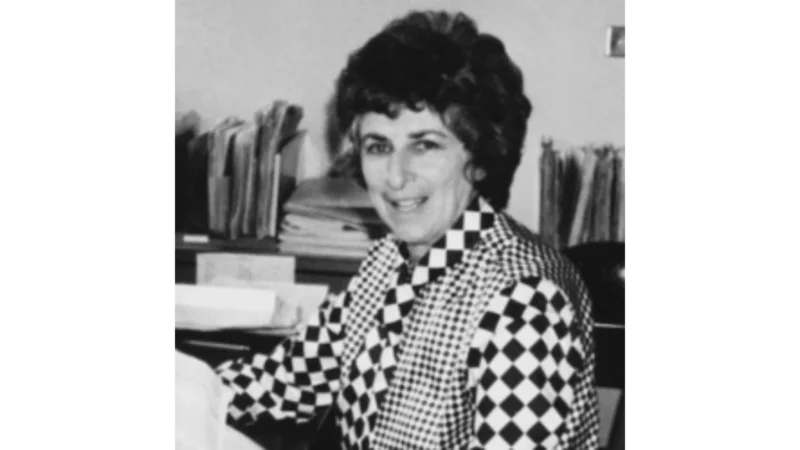
A Canadian-born pathologist and epidemiologist, Stern spent years following women and comparing their Pap test results over time. She showed that cervical cancer did not appear overnight. Cells changed gradually, passing through recognizable stages from normal tissue to dysplasia, an abnormal but non-invasive state, and eventually, in some cases, to invasive cancer. Stern also demonstrated an important complexity: dysplasia could progress, remain stable or return to normal.
It was a warning sign, not a cancer diagnosis.
In 1974, she and her colleagues published a detailed 100-point cytological scale describing the stages of cervical carcinogenesis and the cellular changes associated with them. This helped standardise the interpretation of cervical samples that had lacked before.
George Papanicolaou developed the test that bears his name, but Stern helped turn it into a more precise instrument for diagnosis and prevention.
Later, working with scientists at NASA’s Jet Propulsion Laboratory, she explored how Pap tests could be analysed digitally and automatically. She also developed a liquid-based method that removed debris and arranged cervical cells more clearly for examination: work that paved the way for modern liquid-based Pap testing.
The Pill
In the 50s, the first oral contraceptives (Enovid) were produced, which was an important discovery that gave women direct control over fertility and an opportunity for family planning. But back then, the estrogen doses in the pill were 10 times higher compared to today’s low-dose oral contraceptives and caused too many side effects.
In a seven-year observational study, Stern and her colleagues found that women on the Pill had a 6-fold increased risk for cervical cancer compared to nonusers. Published in Science in 1977, these findings supported the movement toward safer, lower doses of birth control pills.
Stern understood that a cervical cancer screening test could save lives, yes, but only if women could reach it. She found that cervical cancer rates were highest and Pap testing rates lowest in poorer Los Angeles communities and moved beyond the laboratory. She designed community screening services that offered free testing, transportation, childcare, flexible hours, follow-up calls and bilingual staff.
For Stern, women were not simply cells on a slide. They were people whose health was shaped by income, language, family responsibilities and whether medicine was prepared to listen.
by Mariam Harutyunyan
Deputy Managing Editor, OncoDaily
Associate Editor and Writer, OncoDaily Magazine
OncoDaily Magazine, August Issue
While we still have a lot to learn about the history of women in oncology, powerful women are making history in our times and we are proud to recognize their contributions to oncology in our 100 Influential Women in Oncology series.