From artificial intelligence and advanced cardiovascular imaging to cardiac amyloidosis, exercise interventions, and the cardiovascular implications of next-generation cancer therapies, GC-OS 2026 will bring the rapidly evolving field of cardio-oncology into focus this October.
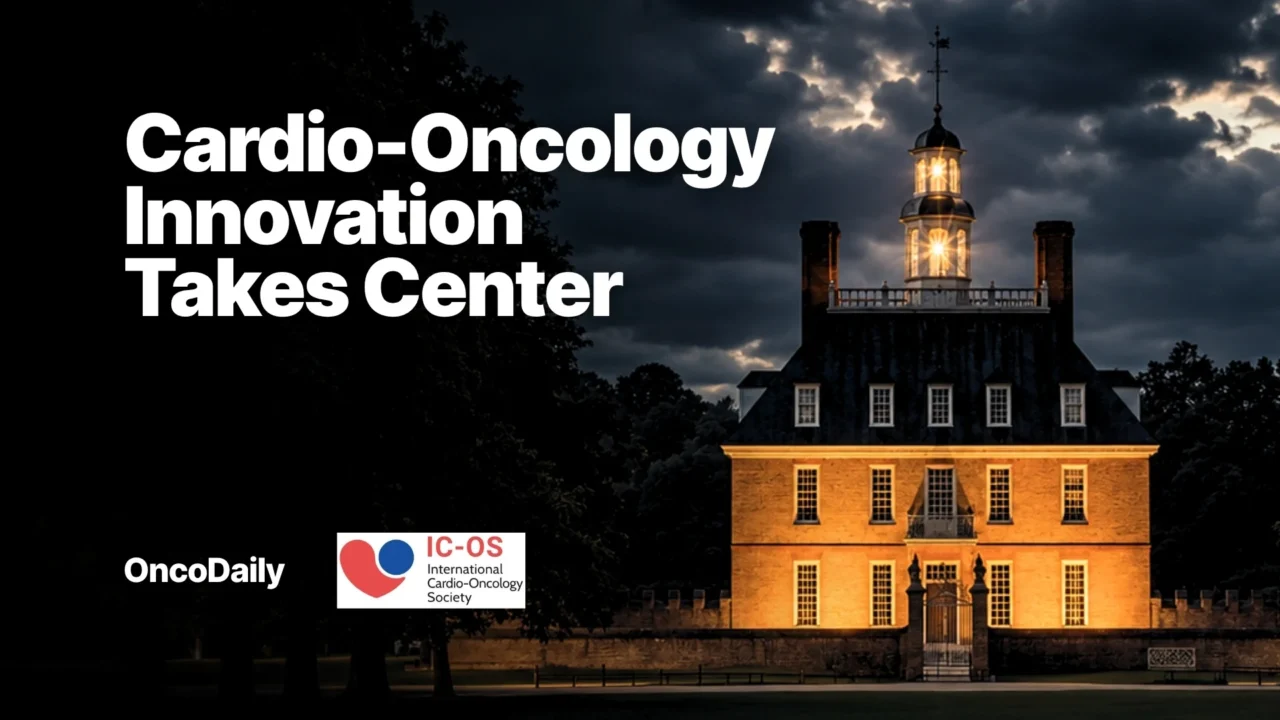
The International Cardio-Oncology Society (IC-OS) will host the 2026 Global Cardio-Oncology Summit (GC-OS) from October 5 to 7, 2026, in Williamsburg, Virginia, USA, gathering clinicians, researchers, and specialists working at the intersection of cardiovascular medicine and cancer care.
Under the theme “Cardio-Oncology Innovation and Implementation for the Future,” the summit will examine where the science is moving and how emerging knowledge can be translated into everyday clinical practice.
Registration is now open for GC-OS 2026.
A Field Shaped by the Success of Modern Cancer Care
As cancer treatment continues to improve survival, the cardiovascular consequences of cancer and its therapies have become increasingly important to long-term patient care.
Cardio-oncology addresses this intersection by identifying cardiovascular risk before treatment, monitoring patients during therapy, recognizing complications early, and supporting survivors whose cardiovascular needs may continue long after cancer treatment ends.
GC-OS 2026 will bring these priorities together in a multidisciplinary setting, exploring surveillance, prevention, diagnosis, treatment-related cardiovascular complications, and models of care that can be adapted across different healthcare environments.
From Artificial Intelligence to Advanced Imaging
Technology will occupy a prominent place in the 2026 scientific program.
One major focus will be the intersection of artificial intelligence and cardio-oncology, including its potential applications in clinical assessment, surveillance, cardiovascular imaging, and future approaches to patient management.
Sessions will also examine novel surveillance strategies and the evolving role of integrative and multimodality imaging in identifying cardiovascular changes, evaluating treatment-related risk, and guiding clinical decisions throughout the cancer care pathway.
Prevention, Cardiac Amyloidosis, and New Therapies
The program will address cardiac amyloidosis, including developments in diagnosis, disease monitoring, treatment selection, and long-term cardiovascular care.
Preventive strategies will also form an important part of the summit, with discussions surrounding preventive therapies and exercise interventions for cardiotoxicity. The focus reflects the field’s increasing emphasis on identifying cardiovascular risk earlier and considering interventions before complications become clinically significant.
GC-OS 2026 will additionally examine next-generation therapies in hematology and oncology, their potential cardiovascular implications, and the clinical strategies needed to support patients receiving increasingly complex treatments.
The relationship between the immune system, cancer, and cardiovascular disease will also be explored as understanding of these interconnected biological processes continues to develop.
Building a Global Cardio-Oncology Community
Beyond its scientific program, GC-OS serves as a forum for professional exchange, original research, and international collaboration.
Participants will have opportunities to present their work, discuss emerging clinical questions, exchange experience across specialties, and establish collaborations extending beyond the meeting itself.
The interdisciplinary nature of the summit reflects a field increasingly dependent on cooperation between cardiology, oncology, hematology, imaging, research, and survivorship care.
Leadership From VCU’s Cardio-Oncology Community
GC-OS 2026 will be co-chaired by Wendy Bottinor, MD, MSCI, Medical Director of Cardio-Oncology at the VCU Pauley Heart Center, and Fadi N. Salloum, PhD, Senior Associate Dean for Research at the VCU School of Medicine.
Dr. Salloum also serves as the Natalie N. and John R. Congdon Sr. Endowed Chair at the VCU Health Pauley Heart Center.
The summit is also connected with the Massey Comprehensive Cancer Center and VCU Health Pauley Heart Center.
Science Meets History in Williamsburg
The scientific discussions will unfold in Williamsburg, home to Colonial Williamsburg, described as the world’s largest living history museum, alongside the city’s dining, shopping, natural surroundings, and distinctive small-town character.
Recently rated the “Most Underrated Travel Gem in the U.S.,” Williamsburg will provide a setting where three days of scientific exchange can extend into professional connections and conversations beyond the conference hall.
OncoDaily Magazine, August Issue
Read Next in the August Issue of OncoDaily Magazine: “Jim Weiss: Make It Happen“