Breast and cervical cancer are among the most preventable and treatable cancers, with effective tools available for vaccination, screening, early detection, and treatment. Yet together they cause more than one million deaths every year, most of them in low- and middle-income countries, and many of them avoidable.
The problem is not a lack of scientific evidence or technology, but unequal access to the prevention tools already available. Fragmented health systems, low screening coverage, loss to follow-up and delayed diagnosis mean that where a woman lives still determines whether she survives. With the WHO Global Strategy for cervical cancer elimination and the Global Breast Cancer Initiative setting clear targets, the need to close these gaps has never been more urgent. But to achieve real progress, proven interventions must be combined with innovative strategies adapted to each country and community.
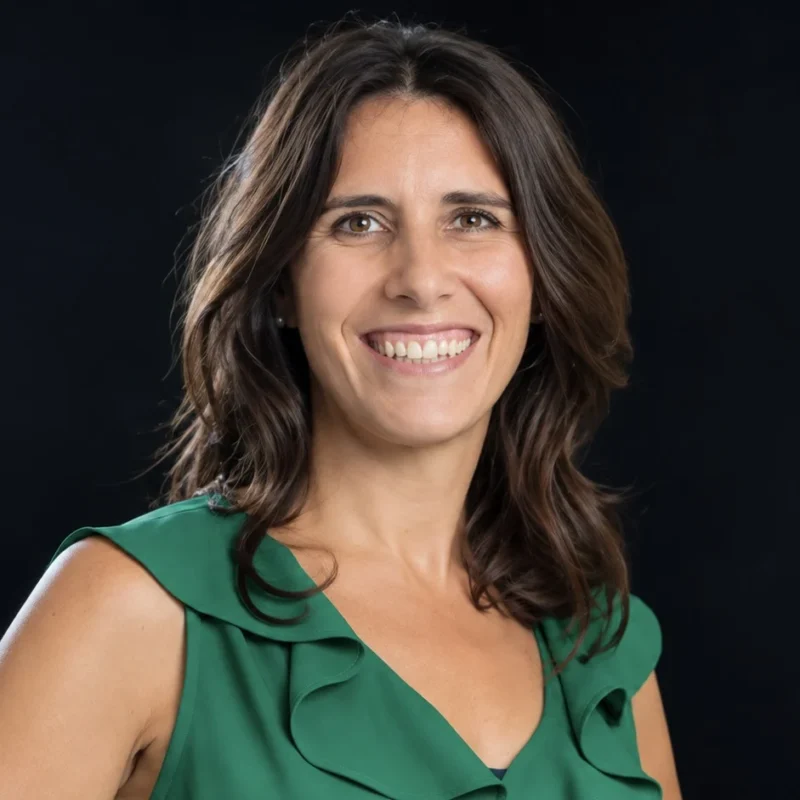
This session, organized by SLACOM and the Center of the Study of State and Society (CEDES), will bring together experts from Latin America to discuss why prevention continues to fall short and what it will take to fix it. Speakers will also share experiences and strategies to close equity gaps, such as mHealth tools that improve screening and follow-up for women with abnormal results and discuss their role in accelerating progress toward global cancer control targets.
Date: Wednesday, November 4, 2026
Time: 12:00 p.m. to 1:30 p.m. GMT
Format: Online
Speakers
Programme
About London Global Cancer Week 2026
London Global Cancer Week (LGCW) 2026, coordinated by the London Global Cancer Week initiative, will take place on 2–6 November 2026 across London, United Kingdom.
Rather than a single conference, LGCW is a city-wide programme of independently hosted events bringing together clinicians, researchers, academics, policymakers, health-system leaders, patient advocates, civil society organisations, industry partners, and global health networks to address inequities in cancer prevention, diagnosis, treatment, survivorship, and health-system capacity. Participating organisations may host in-person, virtual, or hybrid events, including scientific symposia, policy roundtables, community discussions, and workforce-development sessions.
The initiative focuses on highlighting disparities in cancer outcomes, sharing evidence-based and scalable solutions, strengthening international collaboration, and encouraging practical action to improve equitable access to cancer care worldwide. London Global Cancer Week grew from annual global oncology meetings initiated by the Royal Society of Medicine Oncology Section in 2016 and developed into a week-long programme in 2019.
You can also read: L’Oncodaily Session during London Cancer Week 2026