





The 2025 World Cancer Leaders’ Summit, held in Melbourne, Australia, from November 18–20, brought together over 400 experts and leaders from 55 countries to discuss and explore strategies for “Bridging Divides, Building Futures.” This important event emphasized collaboration, innovation, and the need for sustainable progress in cancer control. Co-hosted by various esteemed organizations, including Cancer Council Victoria and the Victorian Comprehensive Cancer Centre Alliance, the Summit served as a platform for sharing actionable insights from cancer societies, research organizations, and healthcare professionals.
Cancer Control in a Changing Global Context
The Summit’s opening highlighted the evolving challenges in cancer control within the context of a shifting global landscape. Ulrika Årehed Kågström, President of the Union for International Cancer Control (UICC), emphasized the importance of maintaining optimism in cancer control despite geopolitical uncertainty. She noted the significant role of new global targets in non-communicable diseases (NCDs) and the strengthened focus on cancer in the draft UN Political Declaration on NCDs.
Dr. Elisabete Weiderpass, Director of the International Agency for Research on Cancer (IARC), addressed the growing global burden of cancer. She presented statistics indicating that cancer-related deaths are expected to rise by 85% by 2050. Dr. Weiderpass underscored the critical need for evidence-based measures such as increased screening and addressing risk factors like alcohol use to mitigate this rising trend.
Accelerating National Action in Cancer Care
National leadership plays a crucial role in shaping cancer control. During the Summit, Dr. Todd Harper, CEO of Cancer Council Victoria, urged delegates to focus on scaling proven solutions for cancer prevention and care. He emphasized the importance of embedding equity in every cancer-related initiative. The Honourable Mark Butler MP, Minister for Health and Ageing of Australia, showcased Australia’s efforts to bridge cancer care gaps, particularly among First Nation Australians, and highlighted the country’s progressive cancer screening programs.
Countries like Tonga, Cambodia, and Brunei also shared their experiences, illustrating how diverse nations are working to overcome barriers in prevention and treatment, despite challenges in resources and access. A strong theme throughout these discussions was the need for deepened international cooperation to address cancer care inequalities, with calls for aligned partner support and sustained investment in cancer control.
Implementing People-Centered Care
The theme of “Implementing People-Centered Care” underscored the importance of designing cancer care systems that are responsive to the needs and experiences of individuals. Examples of successful national cancer plans from the UK, South Korea, and Australia highlighted the impact of cross-sector collaboration in improving cancer care delivery. The session also explored the role of patient advocacy in shaping policy, with organizations like Breast Cancer Network Australia illustrating how patient input drives better service delivery and policy development.
One key focus was cancer patient navigation programs, which have proven to improve patient outcomes by guiding individuals through complex healthcare systems. This model has gained global traction, with countries such as Kenya, Uganda, and Egypt demonstrating how patient navigation can reduce missed appointments and improve overall cancer care engagement.
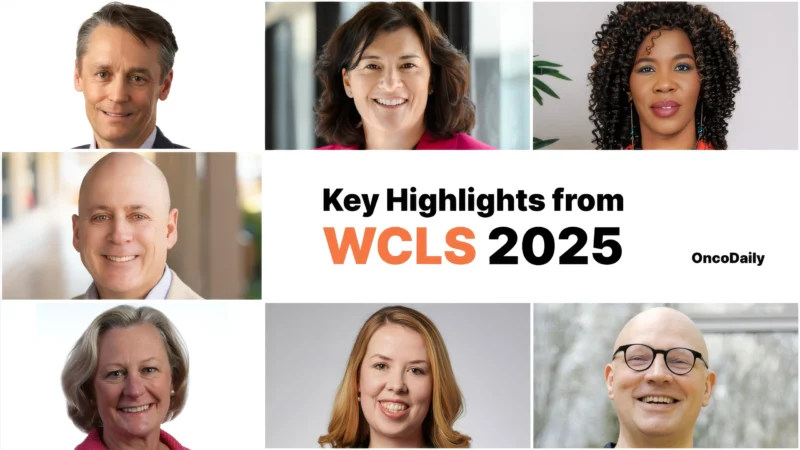
Key Highlights From World Cancer Leaders’ Summit 2025
Advancements in Cancer Prevention and Treatment
Several sessions at the Summit focused on the latest advancements in cancer prevention, including innovative strategies for tackling liver cancer, lung cancer, and melanoma. For example, Malaysia’s integrated approach to lung cancer prevention, using AI-enabled chest X-ray screening and community outreach, was presented as a model of how technology and collaboration can improve early detection and reduce stigma.
The Summit also spotlighted the role of artificial intelligence (AI) in enhancing cancer care. Experts shared how AI tools are being utilized to support nurses, enhance diagnostic precision, and accelerate precision oncology research. The promise of AI in transforming cancer care was evident, but speakers also warned of potential biases in medical data and stressed the importance of human-centered design in AI applications.
Call to Action: Strengthening Global Commitments
The Summit concluded with a call to action, urging global leaders to commit to the updated World Cancer Declaration (2025-2035). The declaration is a strategic framework aimed at driving progress in cancer control and ensuring that no one is left behind in the fight against cancer. Ulrika Årehed Kågström encouraged all participants to take the momentum from the Summit back to their countries, fostering collaborations and innovative solutions that can lead to tangible improvements in cancer care worldwide.
The 2025 World Cancer Leaders’ Summit demonstrated that while challenges remain, particularly in low- and middle-income countries, the global cancer community is united in its efforts to reduce the cancer burden. Through enhanced collaboration, political commitment, and a focus on equity, the Summit’s participants reaffirmed their collective resolve to bridge divides and build a future where cancer is no longer a major cause of preventable death.
Written by Nare Hovhannisyan, MD