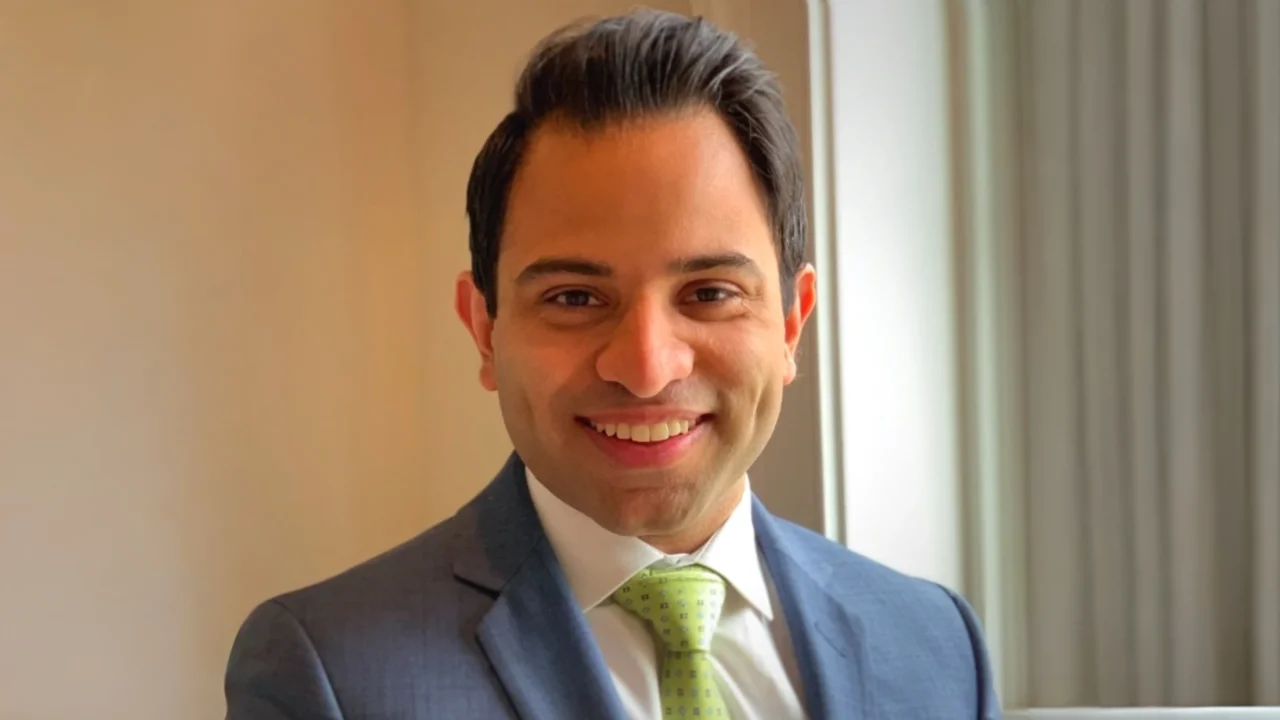
Arpit Chhabra, Co-Founder of Bridge Oncology, Associate Professor of Radiation Oncology at Mount Sinai Health System, shared on LinkedIn:
“At ASTRO, I sat in a room with EMR vendors and radiopharmaceutical companies thinking through workflow optimization for theranostics.
What struck me was that everyone was doing the right thing.
Each group was investing in solutions. Each had engaged ‘stakeholders.’ Each was trying to solve a real operational problem.
And yet, there were still gaps.
In some cases, the EMR teams had brought together clinical, operational, and technical stakeholders – but had not fully incorporated the radiopharmaceutical vendors who understood critical parts of the treatment workflow. The result was thoughtful solution development that could still miss important pieces of the actual care pathway.
It got me thinking about a broader question in oncology:
- How do you know you have the right stakeholders in the room?
We often say stakeholder involvement is essential to building a new program, launching a service line, or driving growth. But checking the ‘stakeholder engagement‘ box is not enough.
- Who might be missing?
- Are we only inviting the obvious leaders and decision-makers, or also the people who actually live within the workflow?
Do we create a forum for perspectives that may initially seem nontraditional – vendors, schedulers, authorization teams, nurses, pharmacists, physicists, revenue cycle, frontline staff – but ultimately influence whether the process succeeds or fails?
- And are we looking across every layer of the organization, rather than only at the executive or clinical level?
Some of the most important workflow gaps exist in the spaces between departments, organizations, and technologies.
So perhaps the better question is not:
‘Did we involve stakeholders?’
But:
‘Whose perspective would expose a failure point we cannot currently see?’
I’d be interested in how others approach this.
When you are building a new oncology program, service line, or workflow, how do you determine who truly needs to be in the room?”
Don’t miss: ASTRO 2026 Highlights: The Science and People Behind the Progress