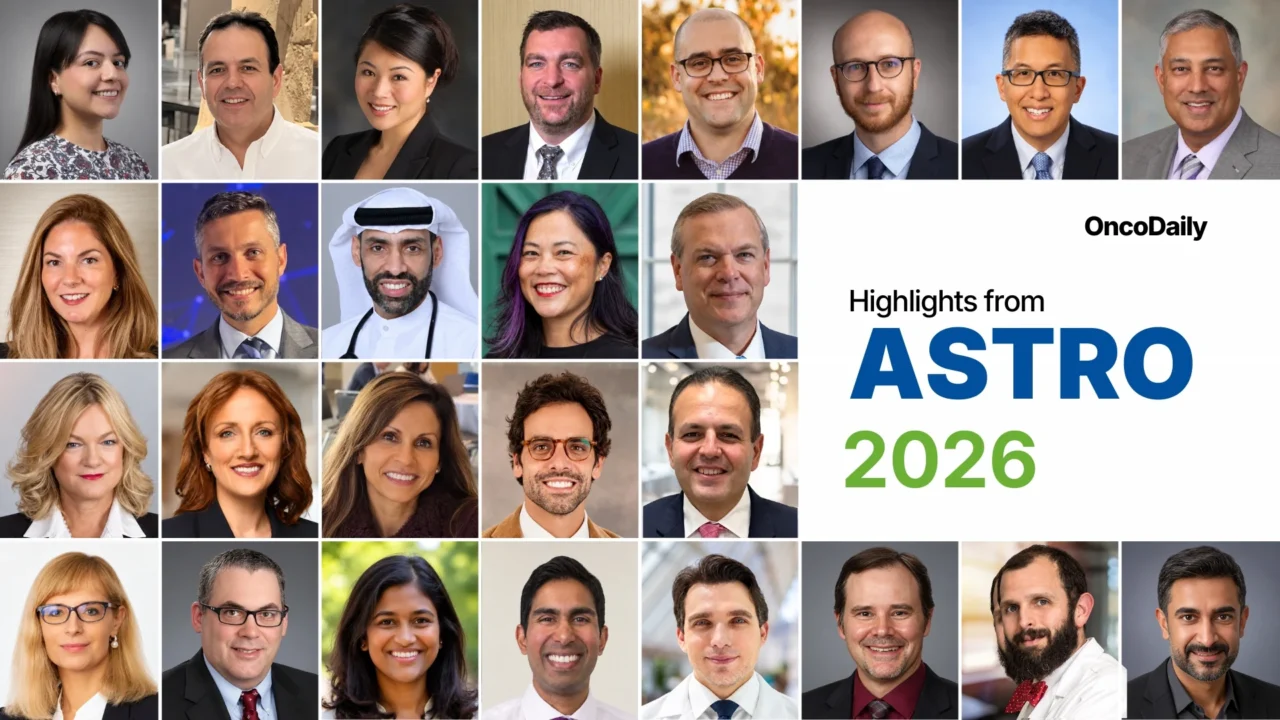
What does progress in radiation oncology look like – for patients, for clinicians and for the people developing its next generation of treatments?
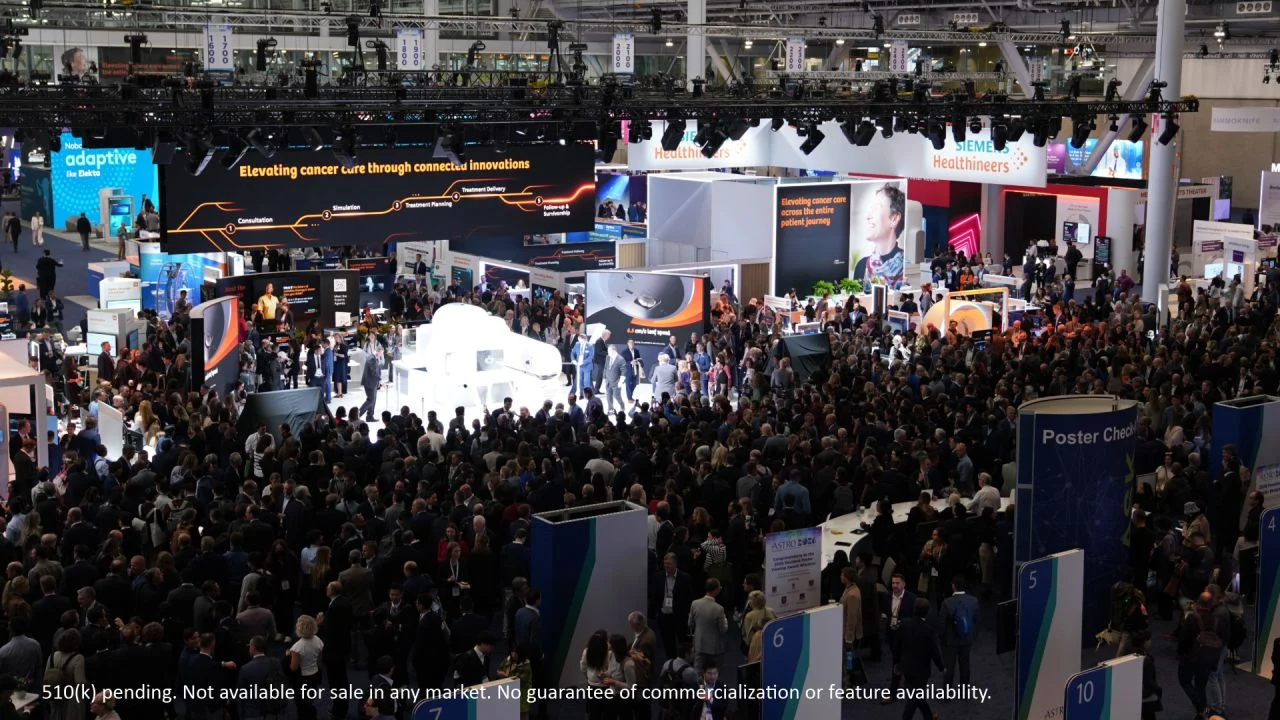
ASTRO’s 68th Annual Meeting brought these questions to Boston’s Thomas M. Menino Convention and Exhibition Center on September 26-30, 2026. Led by then-President Neha Vapiwala, the meeting took place under the theme “Data to Dialogue: Communicating Radiotherapy’s Value to Advance Care.” Its program connected clinical research with discussions about how evidence is communicated, how technology enters practice and how patients experience treatment.
The following highlights bring together selected scientific findings and perspectives shared by participants – from ASTRO’s leadership and international community to researchers, trainees and industry teams.
Leadership, Recognition and the Next Chapter for ASTRO
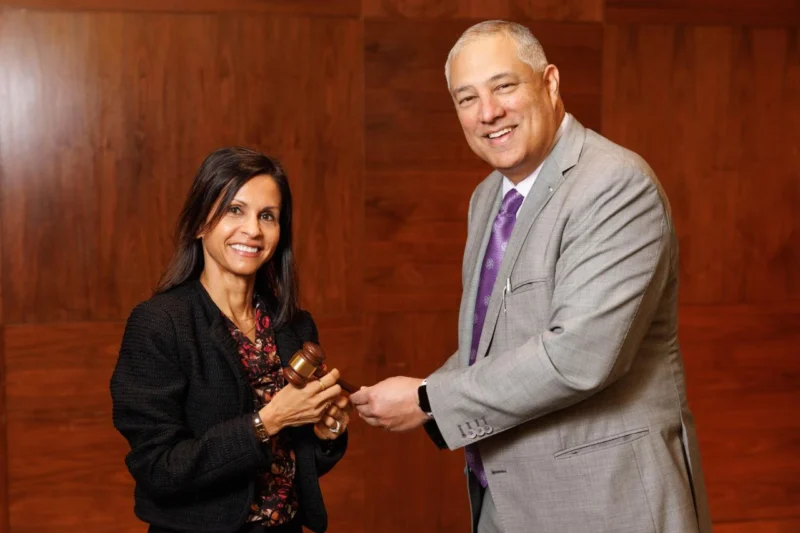
The meeting marked a leadership transition, with Neha Vapiwala succeeding Sameer Keole as ASTRO Board Chair. ASTRO’s announcement and the reflections shared by both physicians captured the handover and their appreciation for one another’s service.
Neha Vapiwala, President of American Society for Radiation Oncology:
“Radiation Oncology has benefited beyond measure from Sameer Keole’s tireless efforts on behalf of the specialty, not only through his service as ASTRO President and Chair, but throughout his career. The rest of us are just trying to keep up!”
Sameer Keole, Board Chair at the American Society for Radiation Oncology (ASTRO):
“ASTRO is in great hands with this passing of the gavel. Neha, your leadership, thoughtfulness, and commitment to our field make me incredibly excited for what lies ahead. Wishing you every success in this new role. We are all behind you and cheering you on.”
Scientific recognition also featured in the meeting’s new Presidential Science Poster Session Showcase, which brought selected, highly rated translational science posters into a session presented by expert faculty alongside the Exhibit Hall Networking Reception.
Aadel Chaudhuri, Professor, Vice Chair for Translational Research, Department of Radiation Oncology at Mayo Clinic:
“Terrific new way to spotlight some of the science being presented at ASTRO26!”
Recognition extended to the inaugural Gold Medal Gala, held on September 29 to benefit Speed of Light – The ASTRO Foundation. This year’s Gold Medal recipients were Theodore DeWeese, Daniel Low, Alvaro Martinez and Bruce Minsky. The award is ASTRO’s highest honor, recognizing outstanding contributions to radiation oncology through research, clinical care, teaching and service.
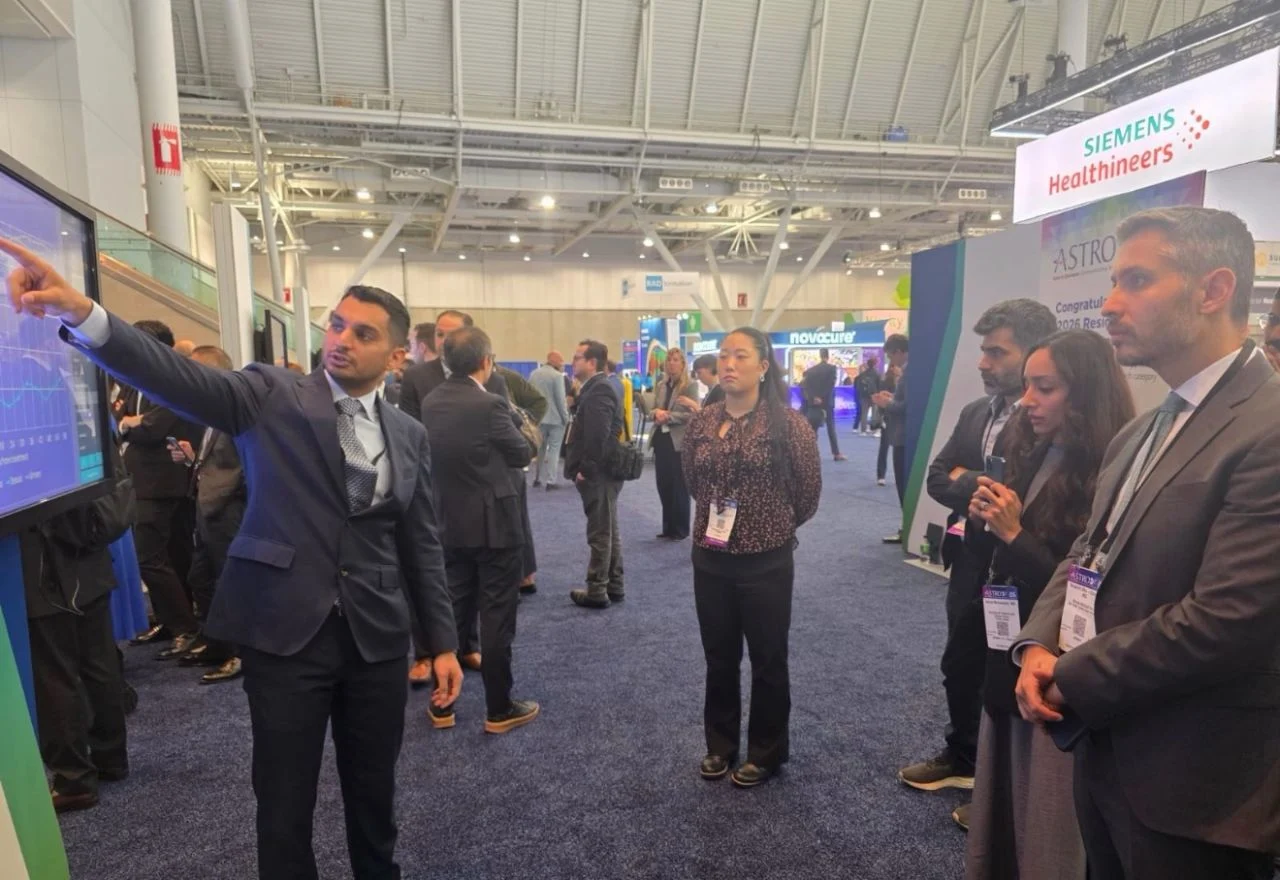
Siemens Healthineers received ASTRO’s inaugural Corporate Partner Award, recognizing its longstanding support of the specialty, including research and workforce development.
Jason Efstathiou, Vice President at Radiation Oncology Institute (ROI) – The ASTRO Foundation:
“It’s always empowering to see friends and colleagues come together to support each other and ASTRO’s mission.”
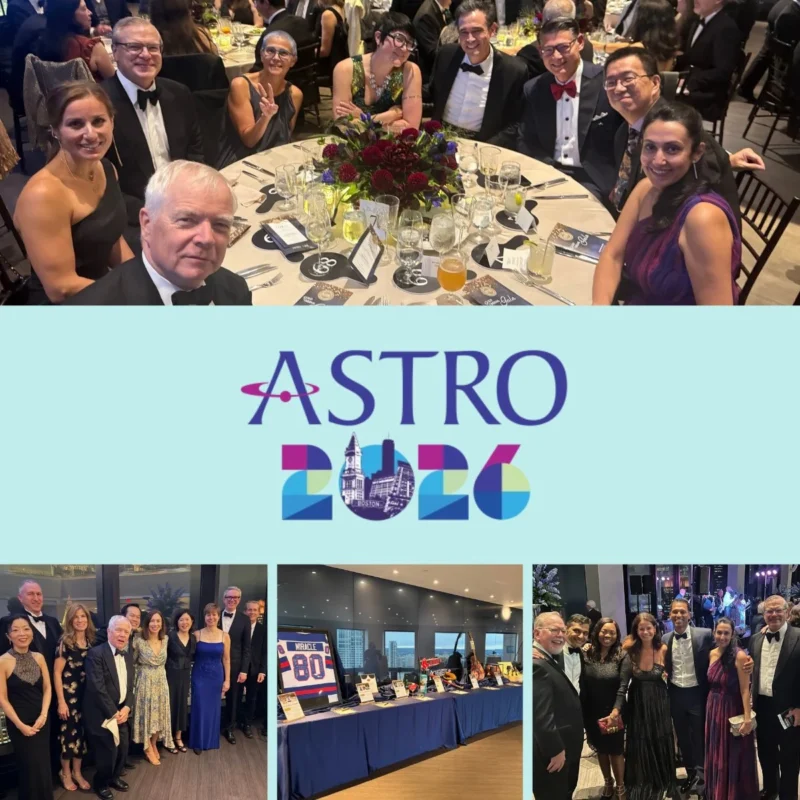
The meeting also recognized contributions across career stages. Parima Daroui was inducted into the 2026 class of ASTRO Fellows. In its conference post, City of Hope also celebrated Sharareh “Sherri” Gholamin, reporting that she received a Best Abstract Award for research on myeloid-driven resistance to CAR T-cell therapy in high-grade gliomas
“These achievements reflect the talent, innovation and dedication of our physicians and scientists as they work to advance cancer research and improve outcomes for patients.”
AI, Evidence and the Quality of the Conversation
The meeting’s theme raised a question that extends beyond producing new data: how should clinicians evaluate the information reaching them?
The joint ASTRO/ESTRO session on adopting AI tools and technologies, moderated by Barbara Jereczek-Fossa and Neha Vapiwala, examined applications in contouring, treatment planning and clinical decision support. Its program also addressed human oversight, implementation barriers and the evidence needed to support responsible use. Speakers included Stine Korreman, Carlos Cardenas, Jean-Emmanuel Bibault and Danielle Bitterman.
Barbara Jereczek-Fossa, President of ESTRO, Full Professor at the University of Milan, and Radiation Oncologist at the European Institute of Oncology:
“ASTRO and ESTRO joining forces on AI in Radiation Oncology: excellent talks, so many questions and a lively discussion!”
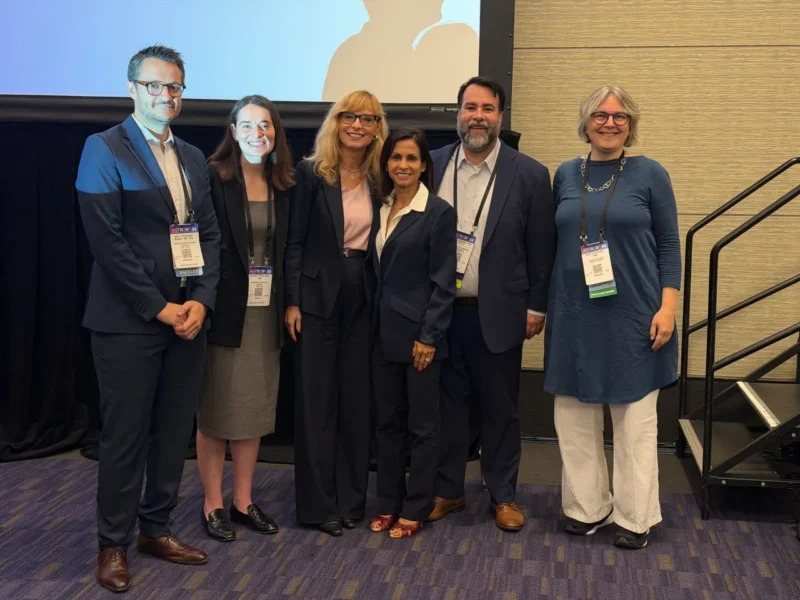
A separate Presidential Symposium session, moderated by Sue Yom, explored scientific knowledge creation and dissemination through journals, digital platforms and AI-powered content. Samyukta Mullangi joined Mandy Hill and John Halamka on the panel.
Samyukta Mullangi, Medical Oncologist at Tennessee Oncology and VP of Clinical Strategy at OpenEvidence:
“It’s not enough to frame trust as ‘should doctors trust AI?’ but rather, break it down to its components: source trust, synthesis trust and applicability trust.”
Clinical Evidence: Cancer Control and the Experience of Treatment
Several randomized studies presented at ASTRO 2026 examined questions with direct consequences for treatment discussions: which approach controls disease, how treatment affects function and how much time patients spend receiving care.
Prostate Cancer: Long-Term Outcomes After SBRT and Surgery
PACE-A compared five-treatment stereotactic body radiation therapy, or SBRT, with prostatectomy in 123 patients with localized prostate cancer. At five years, freedom from biochemical or clinical failure was 94% after SBRT and 95% after surgery; at eight years, it was 91% and 84%, respectively. Neither difference was statistically significant.
The functional outcomes differed more clearly. At five years, 8% of patients after SBRT reported using at least one urinary pad, compared with 48% after prostatectomy. Sexual-function outcomes also favored SBRT.
These findings provide longer-term information for shared decision-making, but the trial did not establish superiority or noninferiority for cancer control. A nonsignificant difference should therefore not be described as proof that the treatments are equivalent.
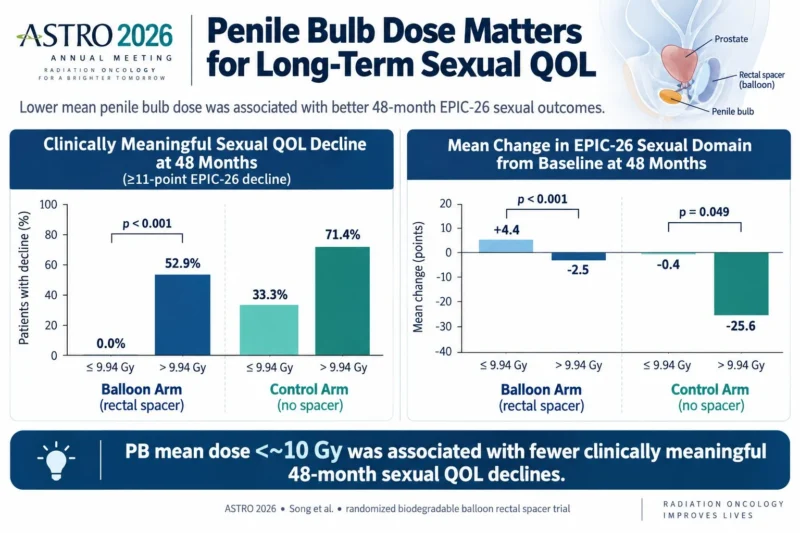
A separate presentation by Daniel Song examined sexual quality of life through 48 months in a randomized trial of prostate radiotherapy with or without a balloon rectal spacer. The dose–outcome analysis explored whether exposure of erectile anatomy could help guide future treatment planning; its correlations require further validation.
Daniel E Spratt, Chairman and Professor of Radiation Oncology at University Hospitals (UH) Seidman Cancer Center and Case Western Reserve University (CWRU):
“Planning pearl from ASTRO26: does penile bulb dose matter? PB mean dose ≤9.94 Gy was associated with less 48-month sexual quality-of-life decline.”
Brain Metastases: Refining Postoperative Radiosurgery
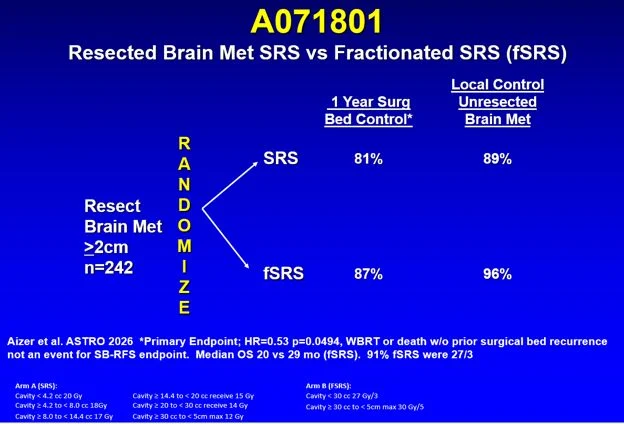
The phase III Alliance A071801 trial compared single-session radiosurgery with treatment delivered over three or five sessions after resection of a large brain metastasis.
Among 242 patients, 87% in the fractionated-treatment group remained free from recurrence at the surgical site at one year, compared with 81% in the single-session group. Adverse-event rates did not differ significantly.
Median overall survival was 29 versus 20 months, favoring fractionated treatment. Researchers described this survival difference as unexpected, however, and could not establish why it occurred. The local-control result provides randomized evidence supporting fractionated postoperative radiosurgery for larger surgical cavities.
Paul Brown, Professor of Radiation Oncology and Consultant in the Department of Radiation Oncology at Mayo Clinic:
“Randomized trial in resected brain metastases: fractionated SRS improved surgical-bed control compared with single-fraction SRS, with no significant difference in adverse events.”
SCLC Brain Metastases: A More Individualized Treatment Discussion
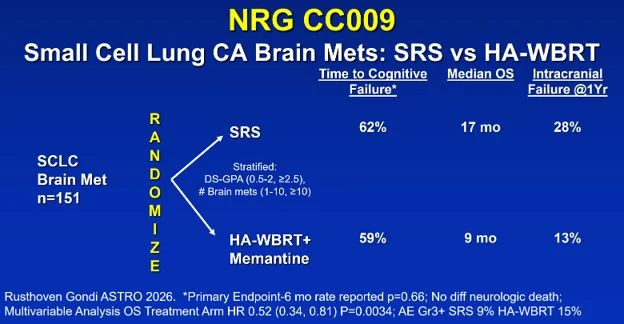
NRG-CC009 compared stereotactic radiosurgery with hippocampal-avoidant whole-brain radiotherapy plus memantine in 151 patients with brain metastases from small-cell lung cancer.
The study found no significant difference in its primary endpoint, time to neurocognitive decline. Median overall survival was 17.4 months with radiosurgery and 8.6 months with whole-brain treatment plus memantine.
Survival was a prespecified secondary endpoint, and the trial was not specifically powered to prove a survival benefit. The findings support discussing radiosurgery as an option for appropriately selected patients, while the survival result warrants further investigation.
“Randomized trial in small-cell lung cancer brain metastases: no difference in time to cognitive failure or neurologic death; stereotactic radiosurgery was associated with longer overall survival, while hippocampal-avoidant whole-brain radiotherapy was associated with more adverse events.”
Pancreatic Cancer: Reducing the Burden of Preoperative Treatment
The randomized phase II SOFT Preop study compared five treatments of SBRT with 28 treatments of conventionally fractionated chemoradiation in 102 patients preparing for pancreatic cancer surgery after initial chemotherapy.
Patients receiving SBRT reported better physical function and less fatigue during the preoperative treatment period. These differences were no longer significant after surgery. The primary endpoint—residual lymph-node involvement at surgery – did not differ significantly between groups.
The single-institution trial was not designed to establish equivalent cancer control or detect survival differences. Its findings support further investigation of shorter preoperative radiation schedules and their effects on patients’ daily lives.
Clinical Conversations Across Specialties
Alongside trial presentations, educational sessions addressed situations in which treatment decisions remain particularly complex.
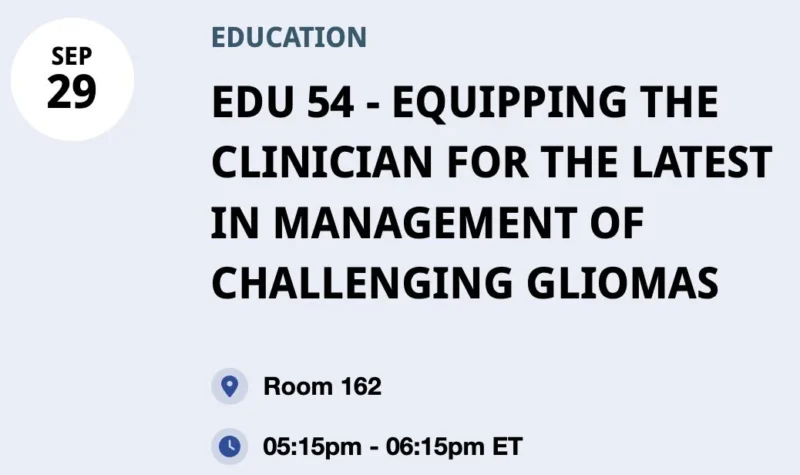
The session “Equipping the Clinician for the Latest in Management of Challenging Gliomas” covered molecular glioblastoma, brainstem glioma and reirradiation for recurrent disease. Michelle Kim moderated, with presentations by Debra Yeboa, Derek Tsang and Louise Murray. The program connected evolving classifications with practical questions about imaging, treatment planning and systemic therapy.
Derek Tsang, Radiation Oncologist at Princess Margaret Cancer Centre:
“It was a pleasure to speak today about radiotherapy for brainstem gliomas at the ASTRO annual meeting in Boston. An honour to share the stage with Dr Debra Yeboa and Dr Louise Murray.”
The exchange between medical and radiation oncology also appeared in Biagio Ricciuti’s account of a tumor-board discussion with Joe Chang and Nitin Ohri. His reflection offers a participant’s perspective on integrating systemic therapy and radiation in stage I–III non-small-cell lung cancer.
Biagio Ricciuti, Thoracic Medical Oncologist at Dana-Farber Cancer Institute:
“The conversation underscored just how increasingly interconnected our disciplines have become. The optimal sequencing and integration of immunotherapy with definitive and perioperative radiation remains a major area of active investigation in thoracic oncology.”
Beyond Cancer: Exploring Functional Radiation Medicine
Research on nonmalignant conditions featured in the program, including a long-term analysis of low-dose radiotherapy for knee osteoarthritis presented by Bobby Koneru.
The analysis drew on a randomized Russian trial involving 292 patients, with follow-up extending to almost 12 years. ASTRO’s reporting described sustained improvements in symptoms and quality of life, less structural deterioration on MRI and lower rates of disability. The findings raised the possibility of an effect on disease progression, but require confirmation in a multicenter, sham-controlled randomized trial with prospectively defined imaging and clinical endpoints.
Daniel Przybysz, Clinical Director and Head of Radiation Oncology at RadioSerra:
“Honored to see Bobby Koneru, presenting at the ASTRO 2026 plenary session. LDRT is coming!”
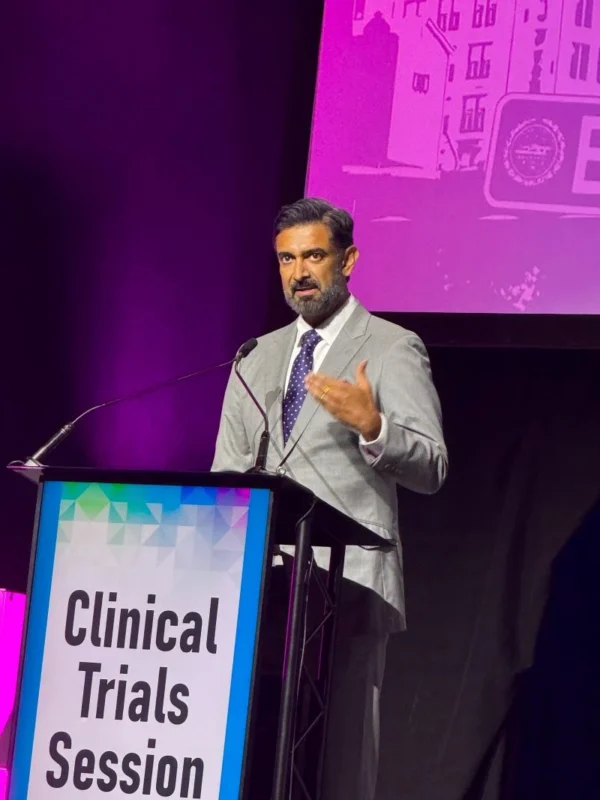
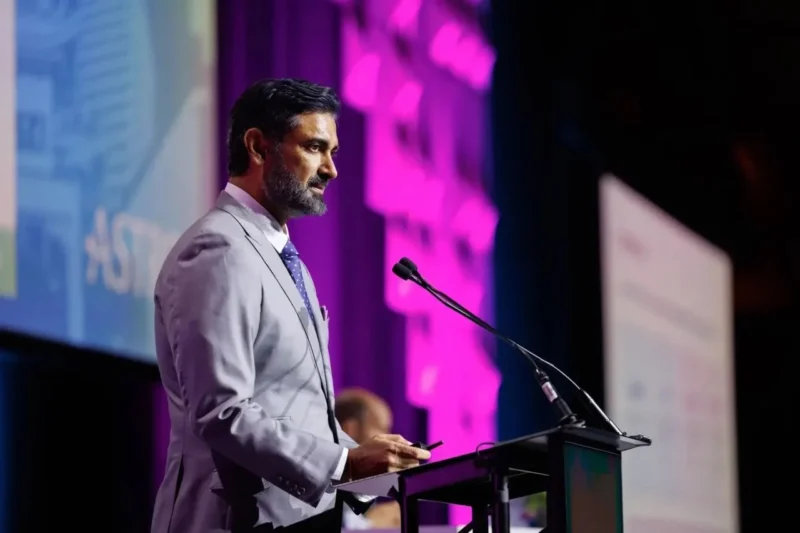
Bobby Koneru, Vice Chairman of the American Radium Society, Founder and President of POG:
“This felt like more than a presentation. It felt like a moment for the field. Science moves forward because people are willing to ask questions that may challenge conventional thinking and then do the difficult work required to answer them.”
On the Exhibition Floor: Technology and Its Implementation
Accela and NeoArc
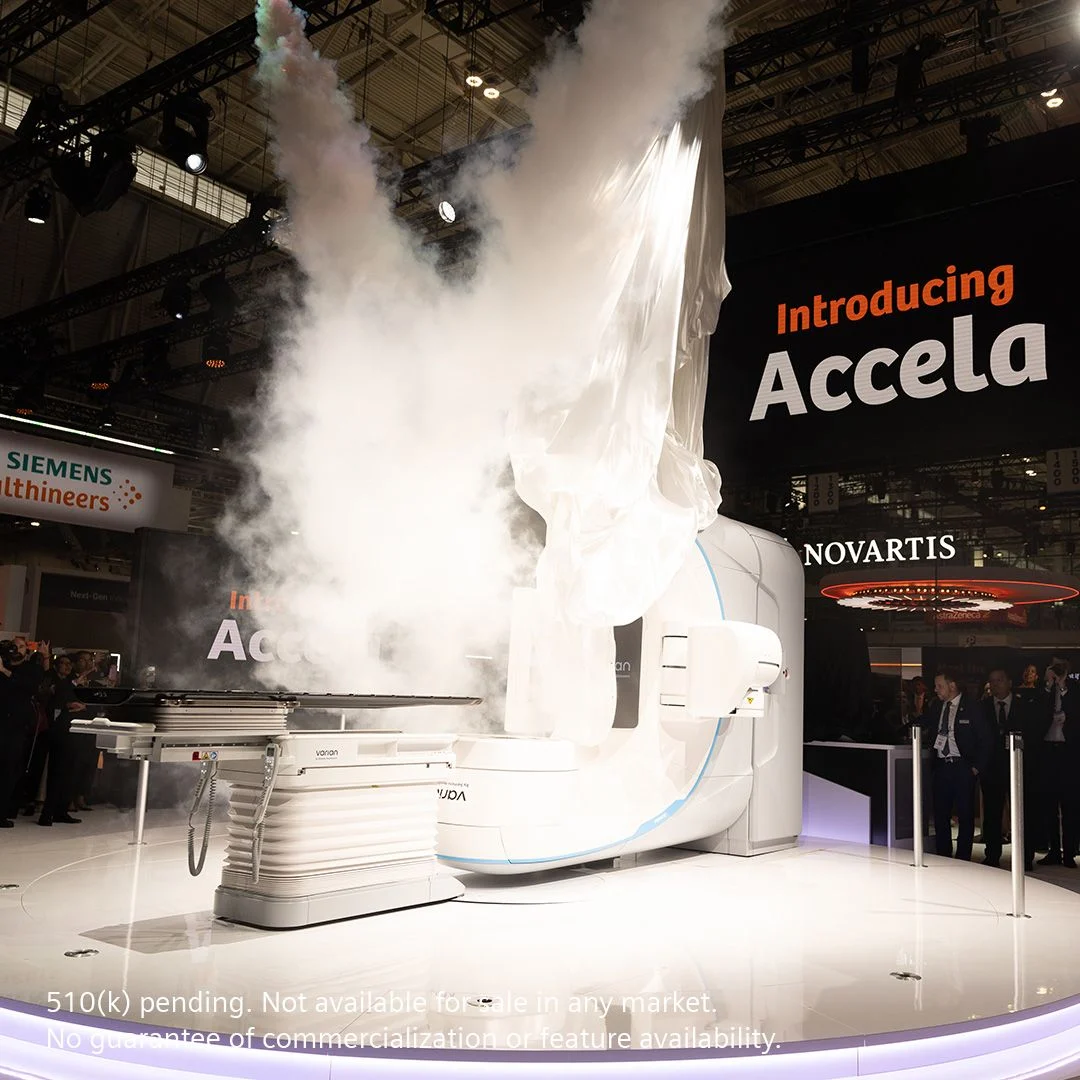
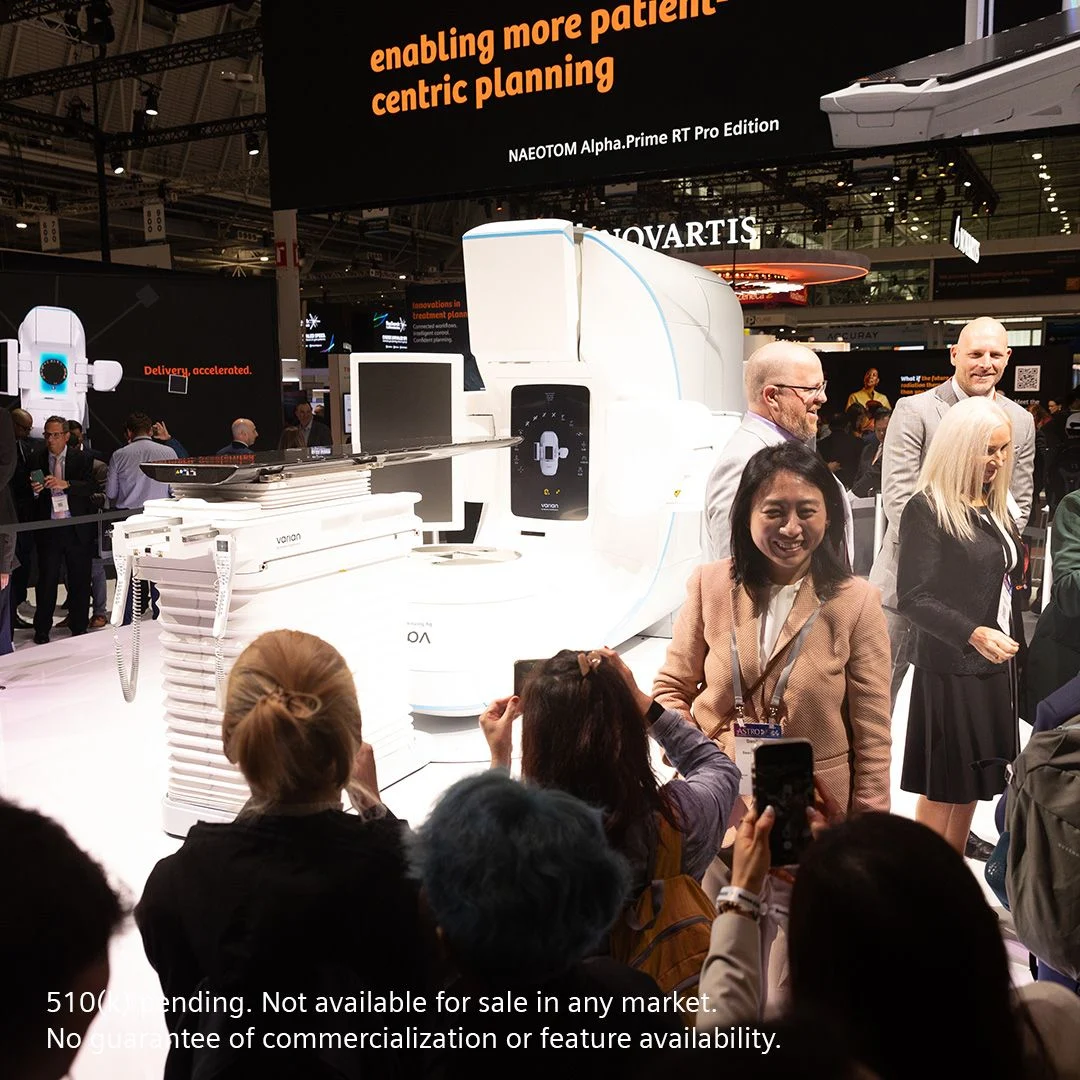
Siemens Healthineers announced Accela at ASTRO on September 27, describing a radiotherapy solution engineered around NeoArc dynamic modulated arc therapy.
The company’s announcement identified collaboration with an advisory group of cancer centers as part of its development. At the time of the announcement, Accela’s FDA 510(k) was pending, and the company stated that it was not available for sale in any market.
“We opened a new chapter in radiation therapy. Our next-generation delivery system helps give patients more time, connecting care teams around every step of treatment.”
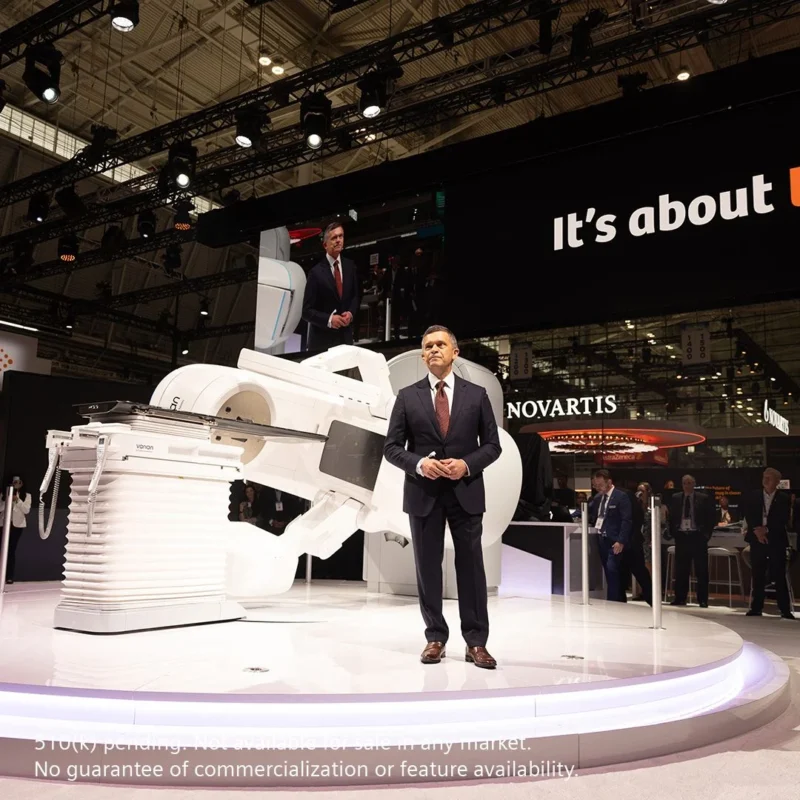
The launch was also documented by people involved in product development, evaluation and communication.
Amanda Cherpak, Head of Accela, Product Management, Radiation Oncology Solutions at Varian:
“Radiotherapy already plays a critical role in cancer care, and the need for it continues to grow. That makes every minute in the clinic matter.”
Lan H. Nguyen, Director, Product Marketing, Radiation Oncology Solutions, at Siemens Healthineers:
“There’s a lot of incredible technology behind this moment, but at the heart of it is something incredibly simple: time. Time for care teams to spend less of their day navigating complexity… and most importantly, time patients can spend getting back to their lives.”
James Kavanaugh, Chair of Medical Physics at Mayo Clinic Rochester:
“What the Accela Advisory Group has accomplished over the last 2+ years is a testament to the power of collaboration and the convergence of opportunity with an unrelenting desire to improve patient care.”
Humaid Al-Shamsi, CEO of Burjeel Cancer Institute and Chairman of Nexomic:
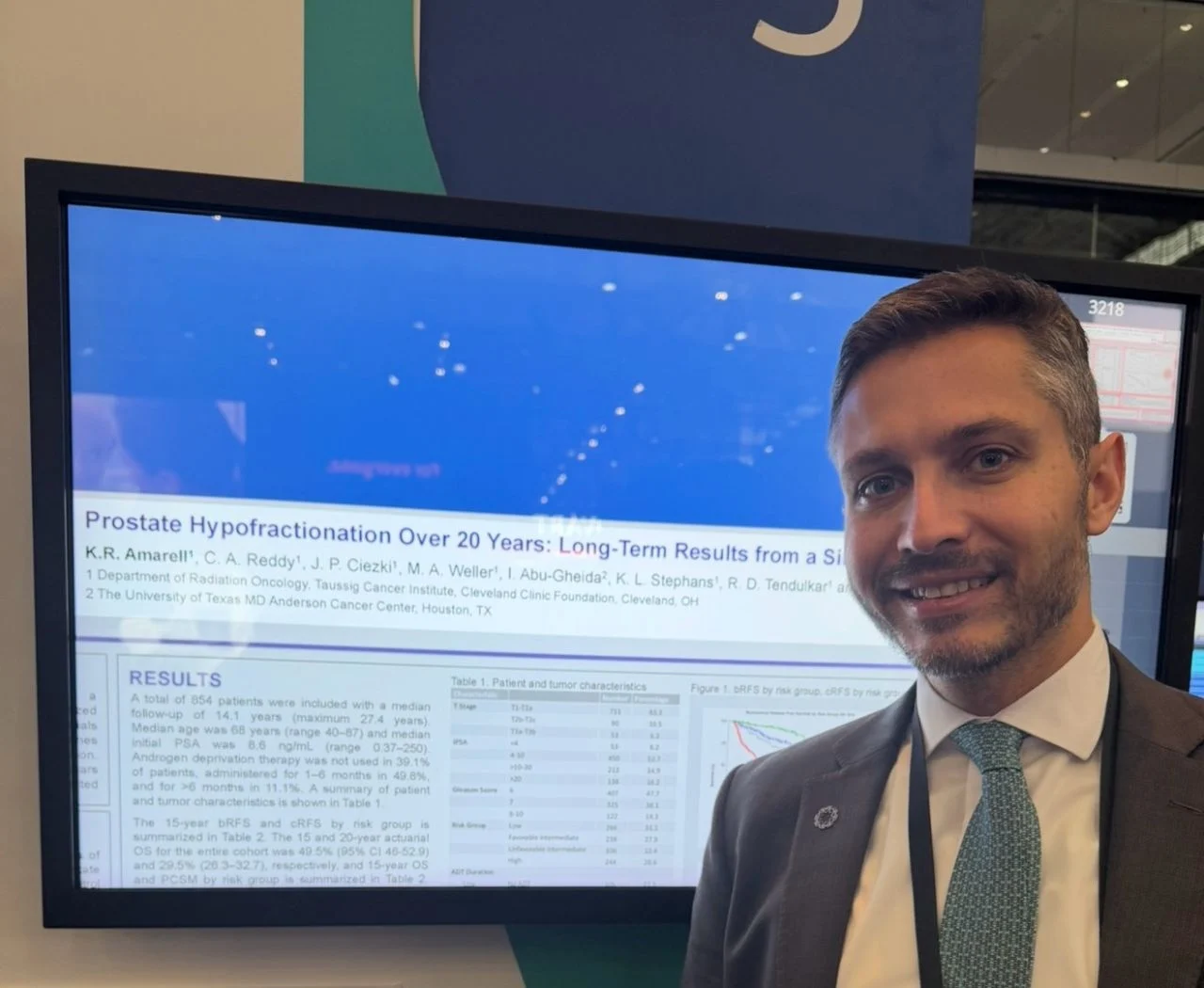
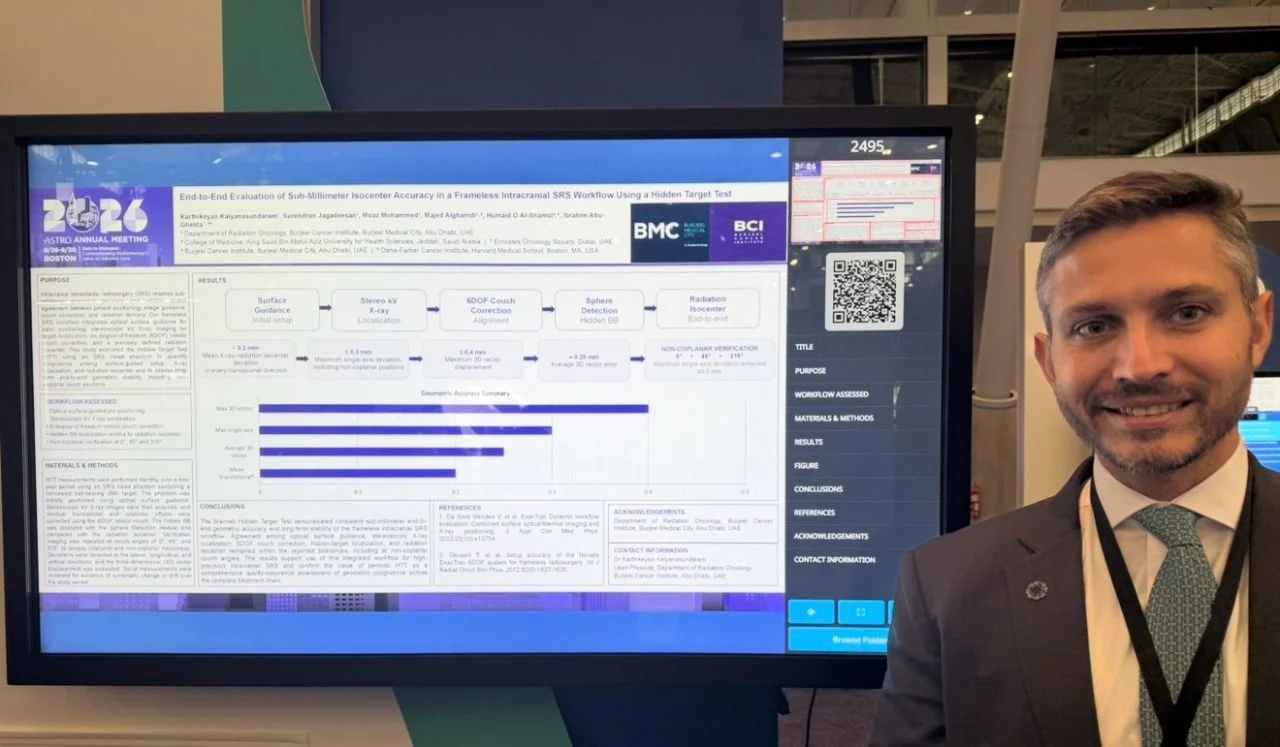
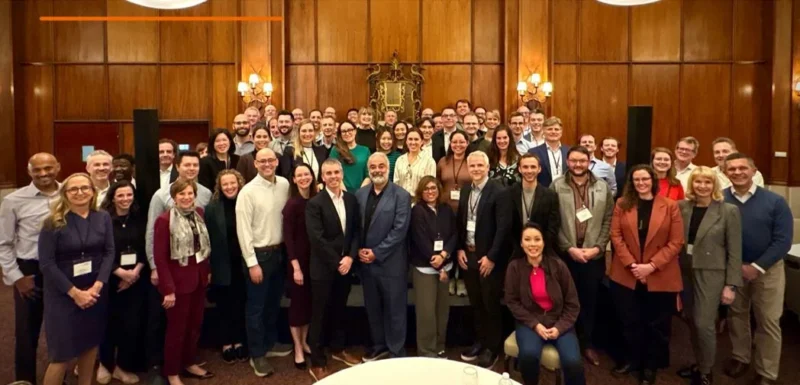
“Only cancer center from the UAE with 3 abstracts at ASTRO Annual Conference 2026. Well done Ibrahim Abu-Gheida, the ASTRO Ambassador in the UAE. This is how true scientific diplomacy should be.”
Kathryn Conner, SVP, Global Marketing & Communications, Varian business area at Siemens Healthineers:
“This year, it was about something bigger than any one innovation. It’s about what’s possible when we bring our capabilities together around our customers and the patient journey.”
Adaptive Radiotherapy
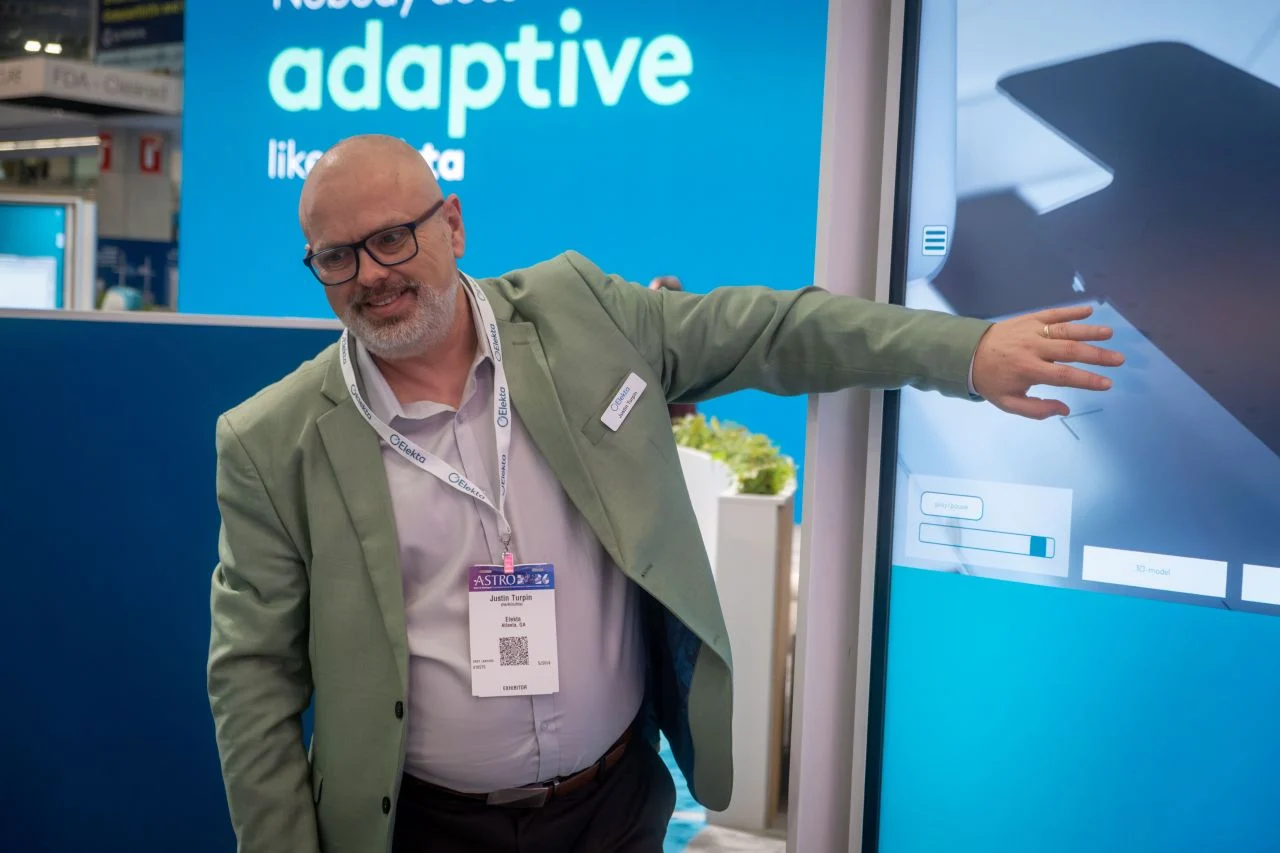
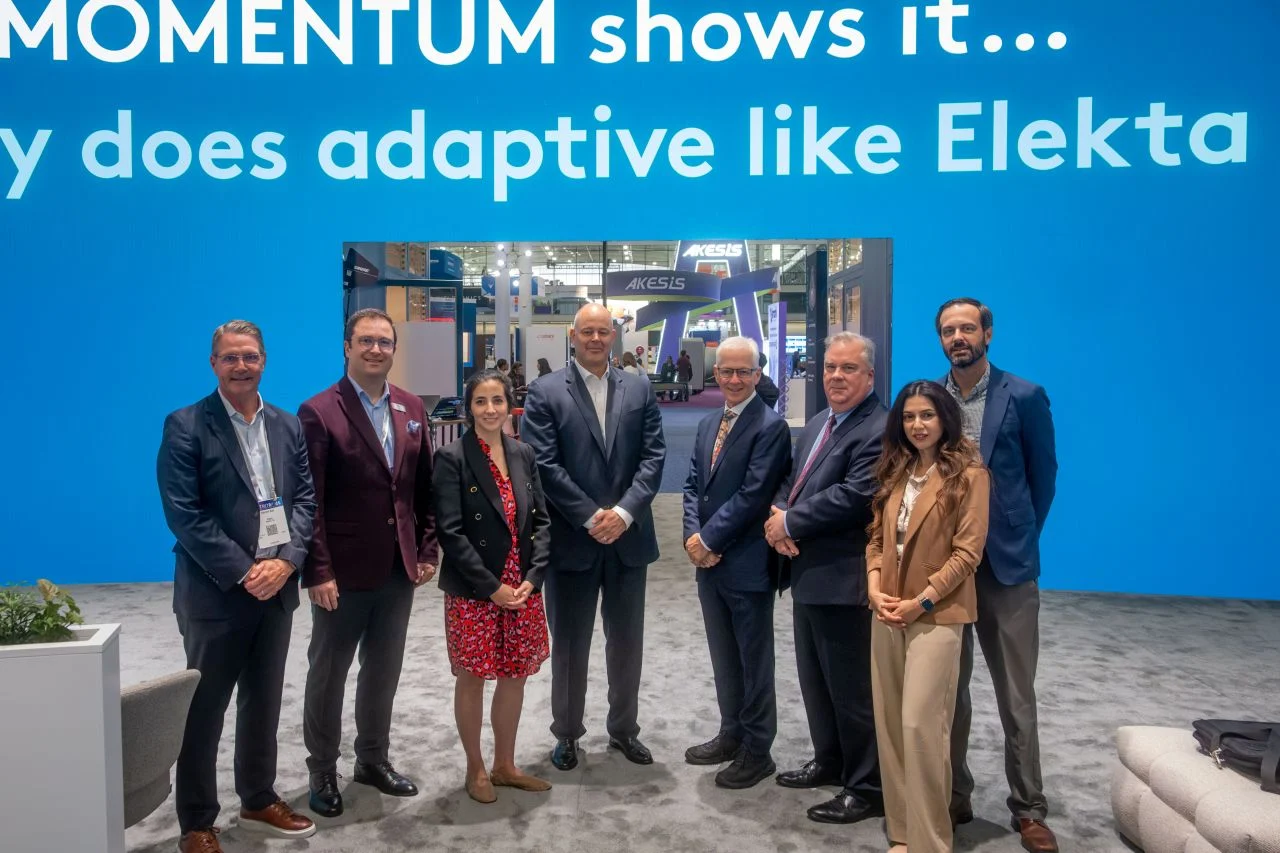
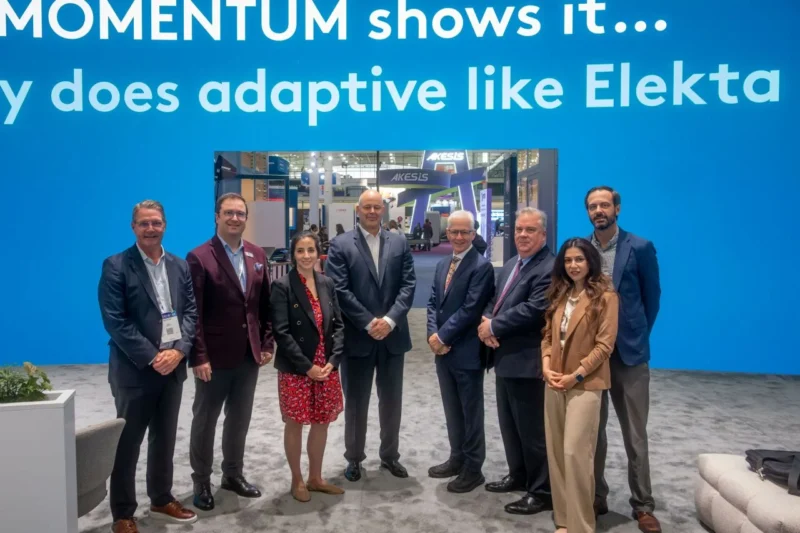
Elekta’s exhibition posts approached technology through an immediate clinical decision: whether to proceed with treatment or adapt when a patient’s anatomy has changed. Its account of an interactive demonstration featured Matthias Lampe, with John Christodouleas moderating
“Together, we can make adaptive the new standard of care.”
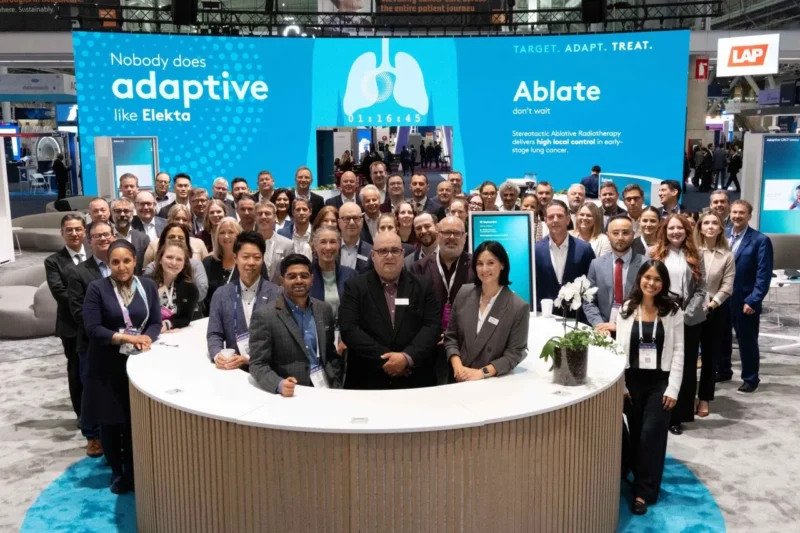
Paul Barry’s conference reflection shifts the discussion toward implementation—how clinics organize resources and introduce new workflows. His expectations for adaptive radiotherapy represent an industry perspective on its future.
Paul Barry, Director Technical Clinical Sales at Elekta:
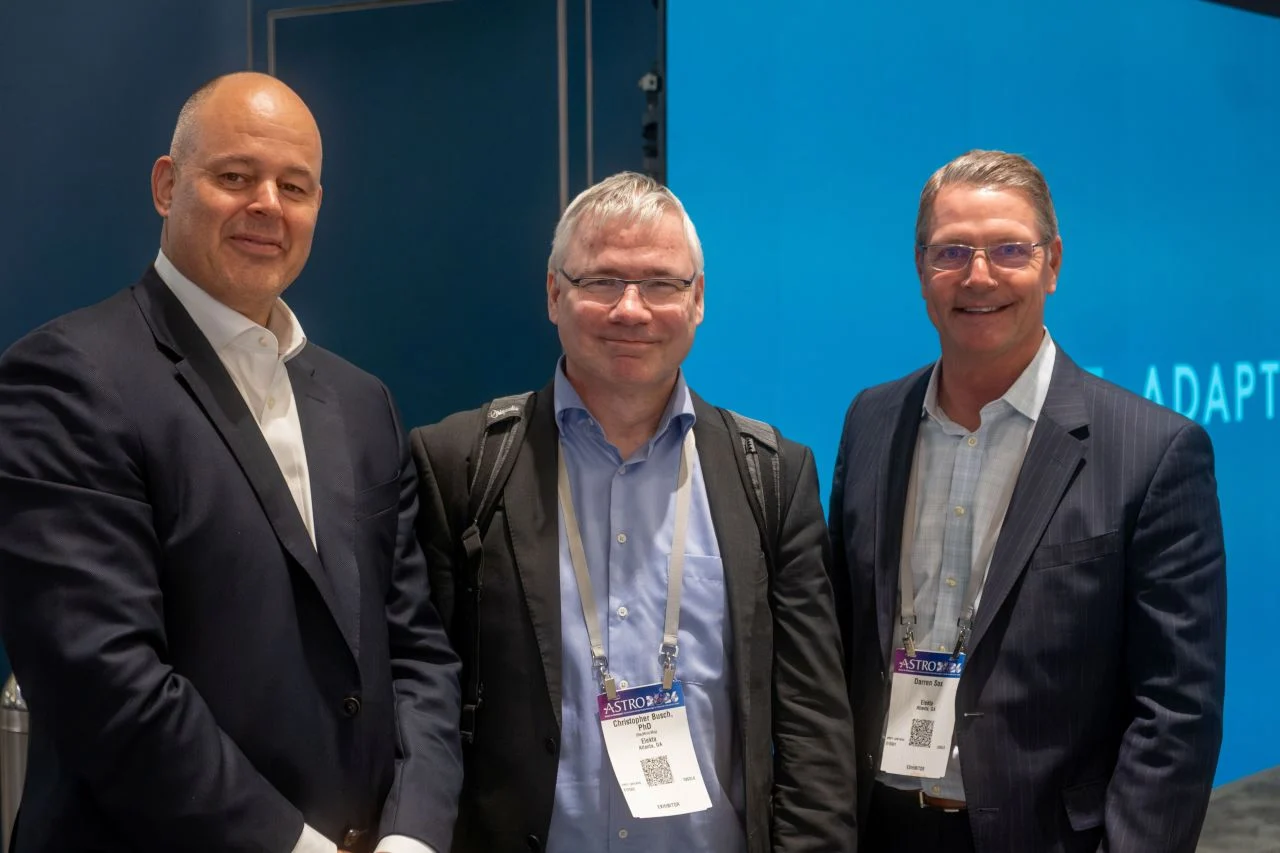
“The conversations are no longer about tech and spec, and more and more about what can we do with it and how can we get started.”
Across Borders: International Participation and Resident Voices
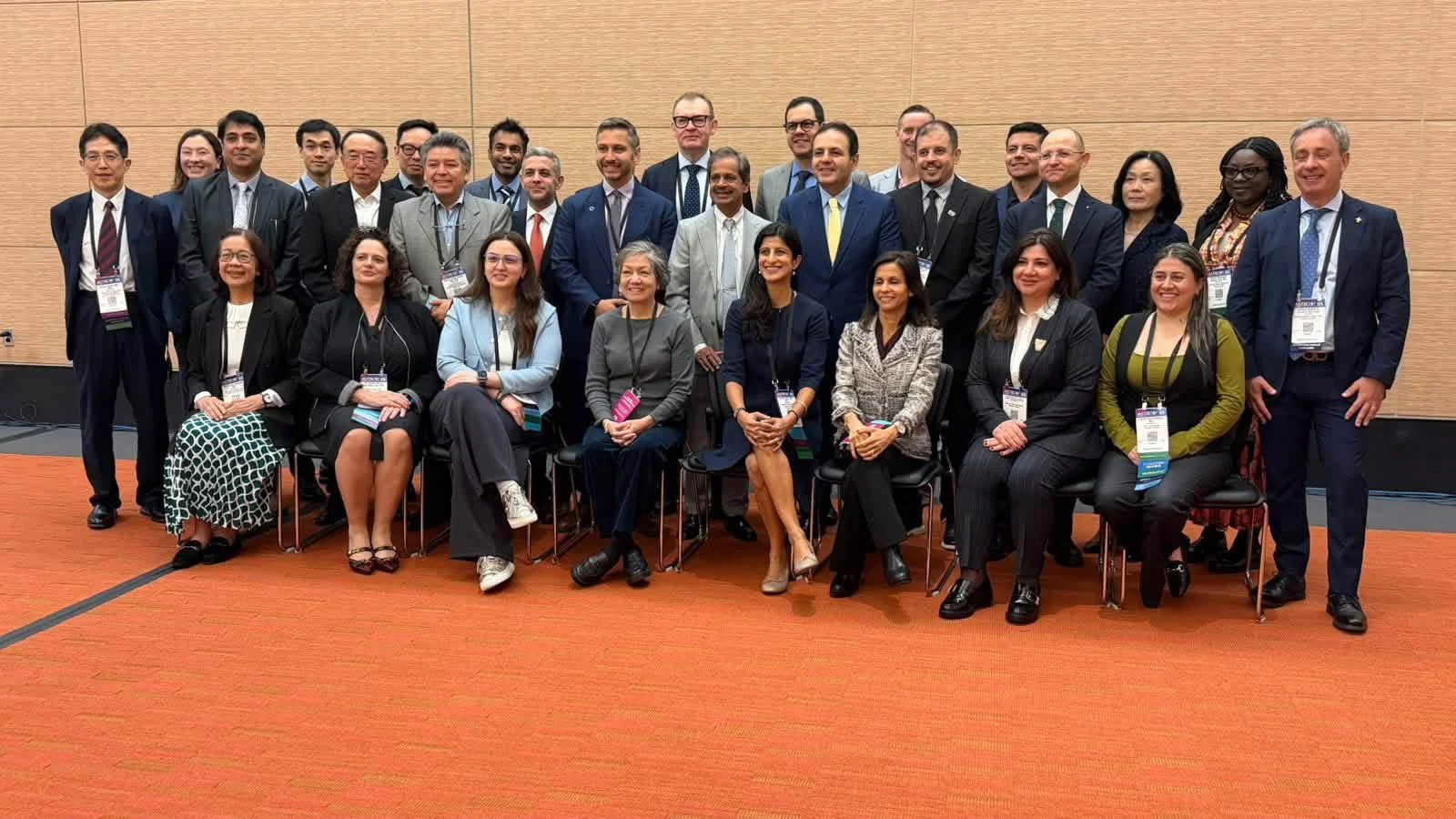
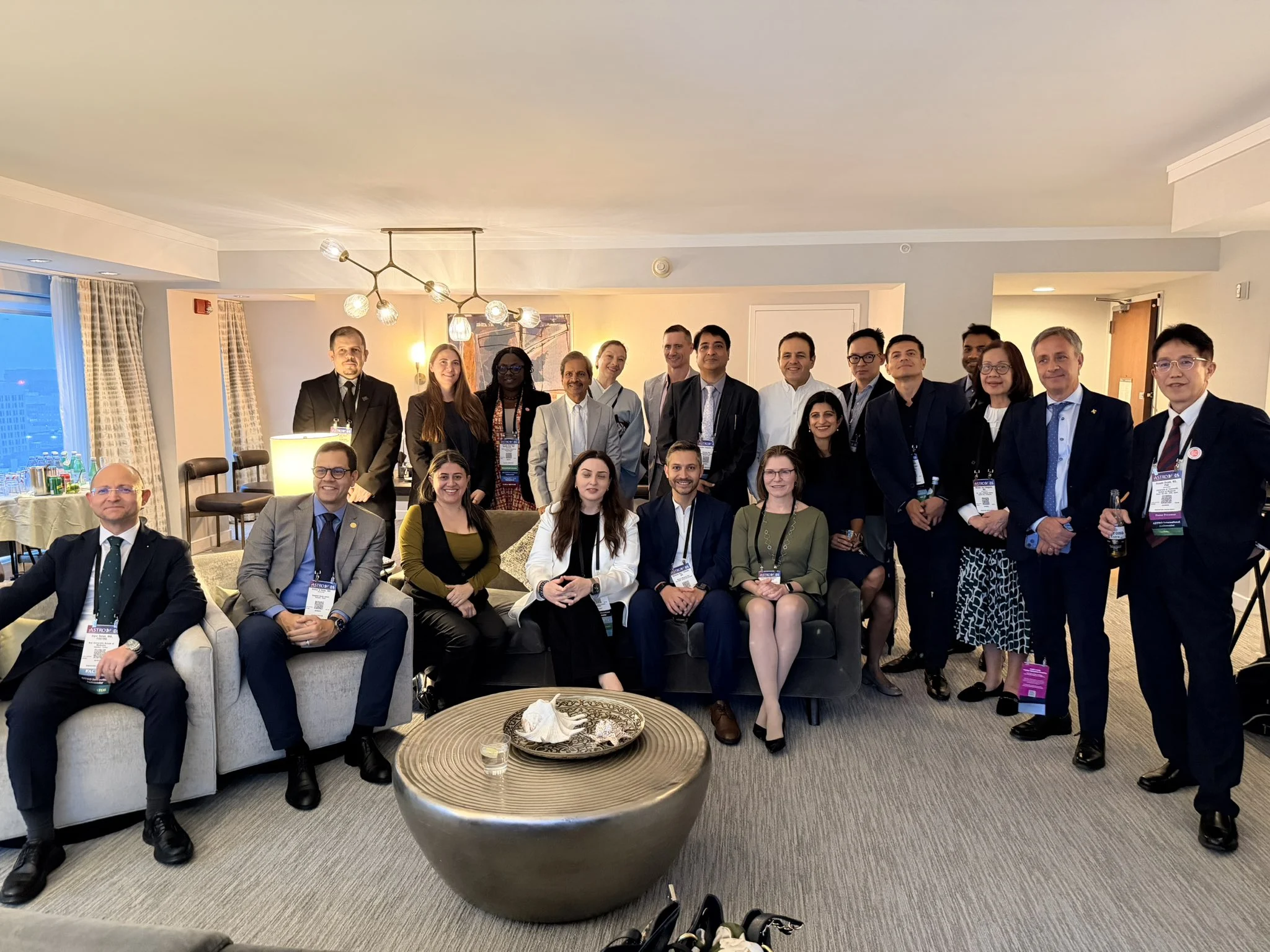
International engagement connected the meeting’s scientific program with professional exchanges across countries.
In his leadership reflection, Tamer Refaat announced that he was taking on the role of Chair of ASTRO’s International Committee, following Surbhi Grover, and acknowledged their work together.
Tamer Refaat, Associate Director of Global Oncology at Cardinal Bernardin Cancer Center – Loyola University Chicago:
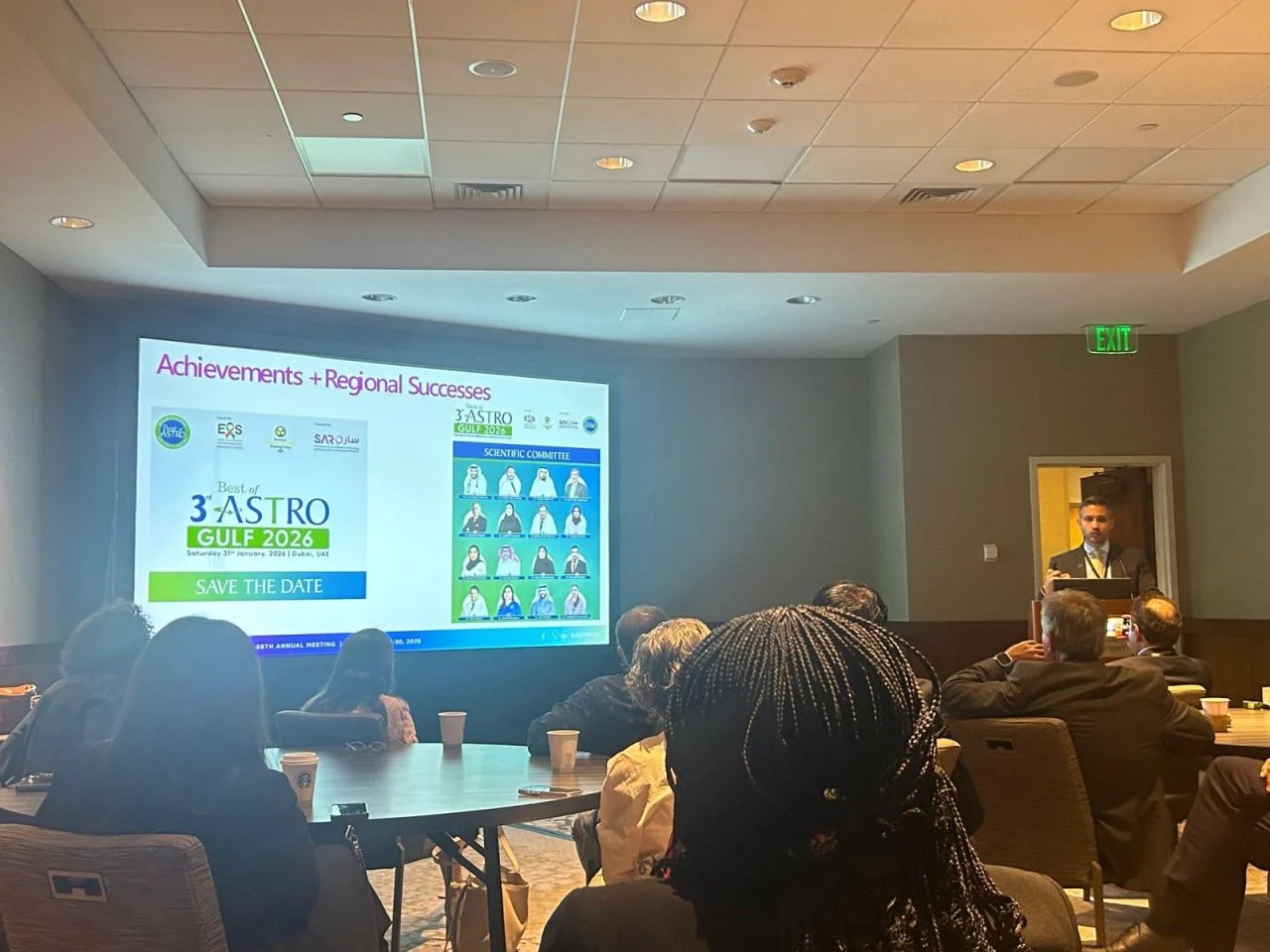
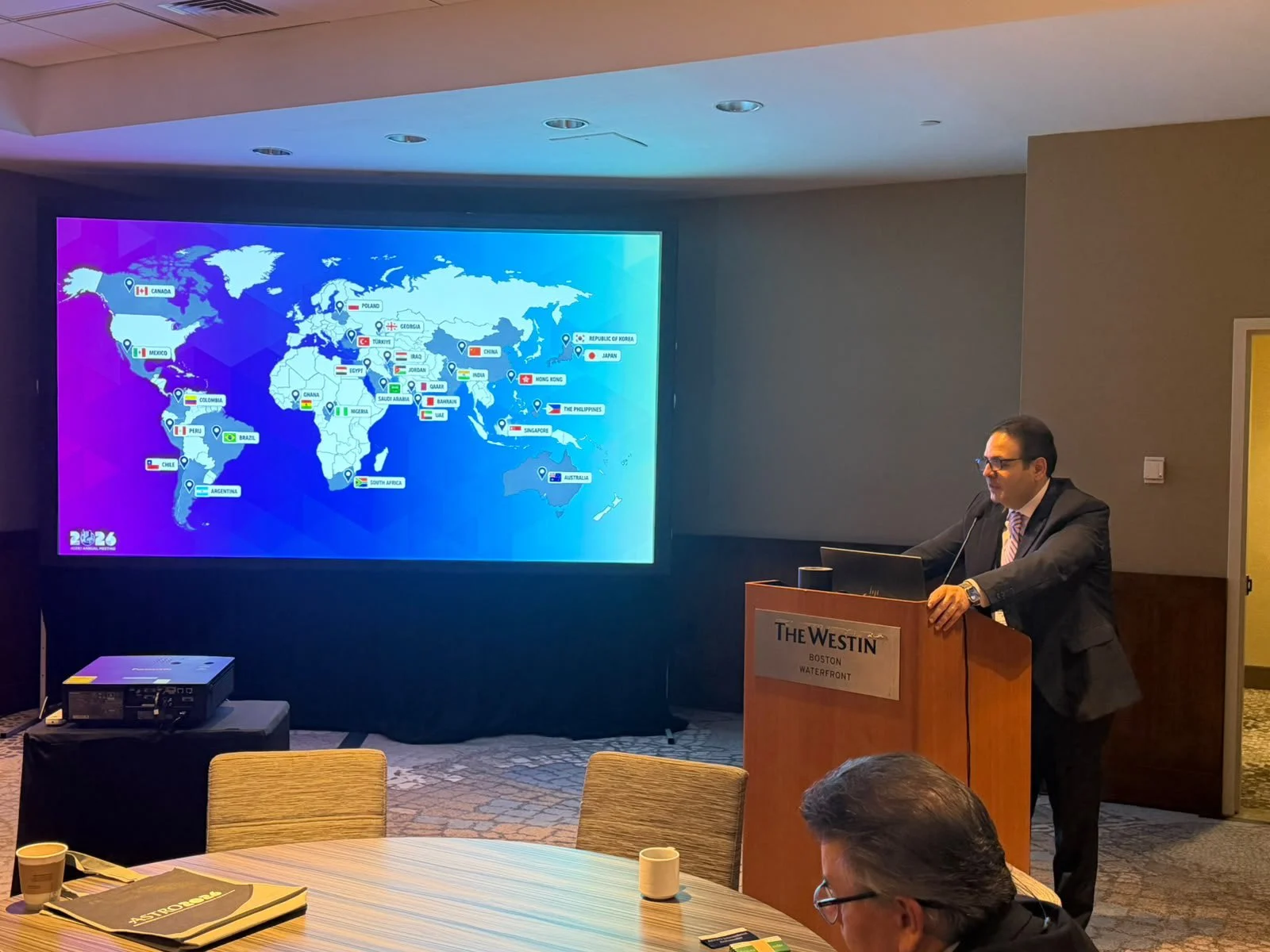
“Together with our outstanding returning ambassadors, we now have 33 ambassadors advocating for radiation oncology best practices and expanding ASTRO’s global footprint worldwide.”
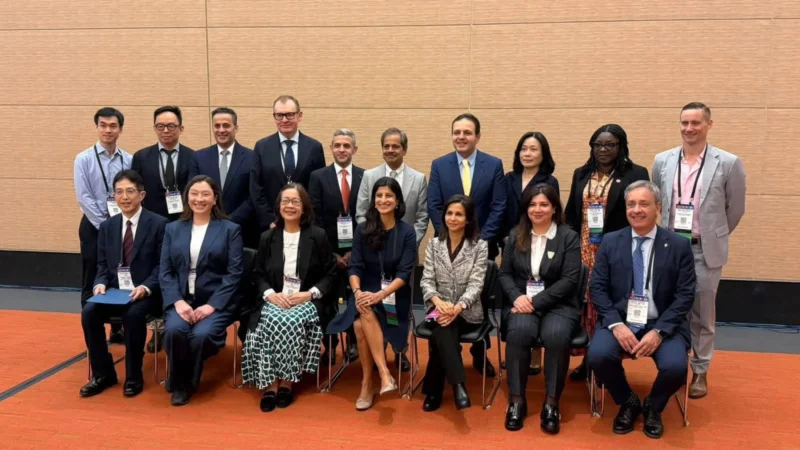
ASTRO’s International Ambassador Program, introduced at the 2025 Annual Meeting, provides a framework for international engagement. Its inaugural roster included Ibrahim Abu-Gheida, representing the United Arab Emirates.
Ibrahim Abu-Gheida, Chief Medical Officer of Burjeel Cancer Institute:
“But beyond the presentations and academic achievements, what has been most meaningful is witnessing the exceptional work and confidence of the rising generation of Radiation Oncologists from Saudi Arabia. Seeing young physicians from our region present their research on a global stage is a powerful reminder that the future of our specialty is being built today.”
Caroline Chung, Vice President and Chief Data and Analytics Officer at MD Anderson Cancer Center:
“Come work on how to take flight with your career and life aspirations at Flight Club!”
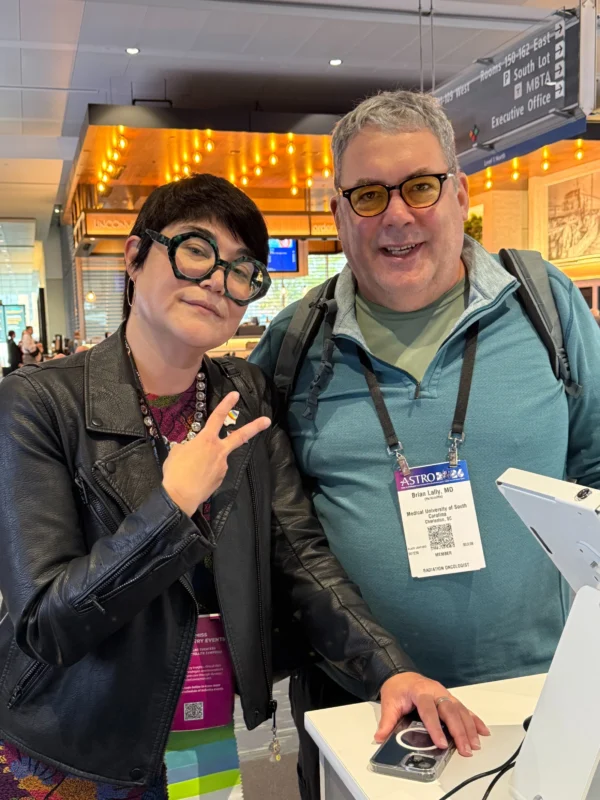
Brian Lally, President at American College of Radiation Oncology (ACRO)”
“Leather jacket, geometry-defying glasses, relentless patient advocacy… Some people bring standard conference swag – Dr. Chinofumiko brings pure rock star energy.”
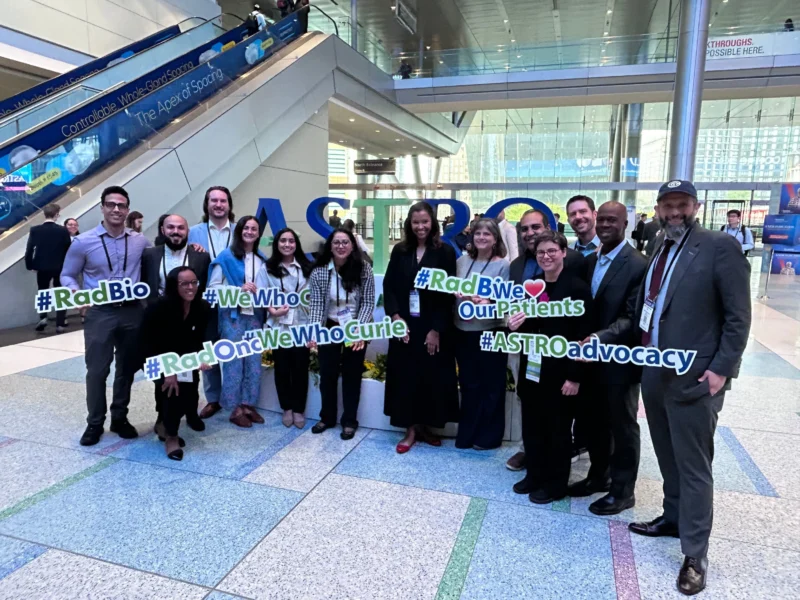
Heath Skinner, Chair and Medical Director of Radiation Oncology at UPMC Hillman Cancer Center:
“I’m grateful for the amazing people who care for our patients, mentor our trainees, and make our department special.”
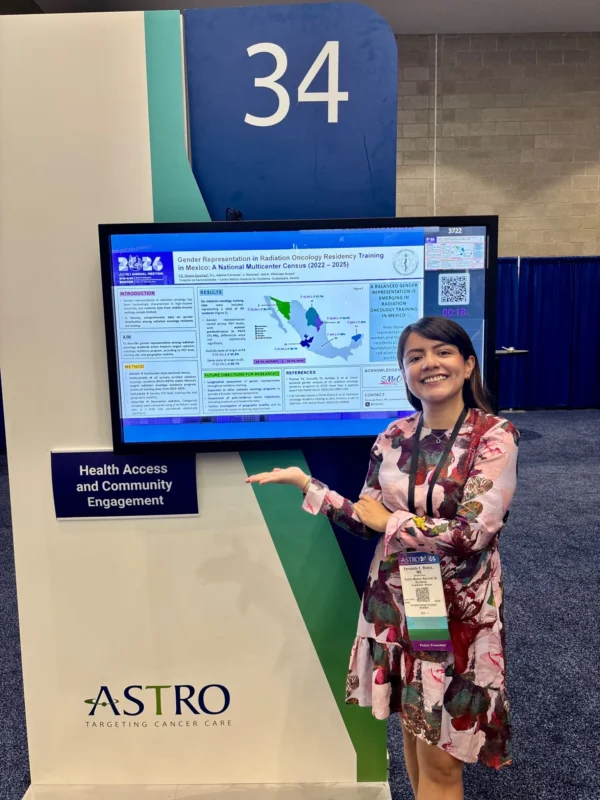
Fernanda Rivera, Radiation Therapy Resident from Mexico:
“Proud to represent the voices of radiation oncology residents in Mexico at ASTRO, celebrating the growing presence of women in our specialty.”
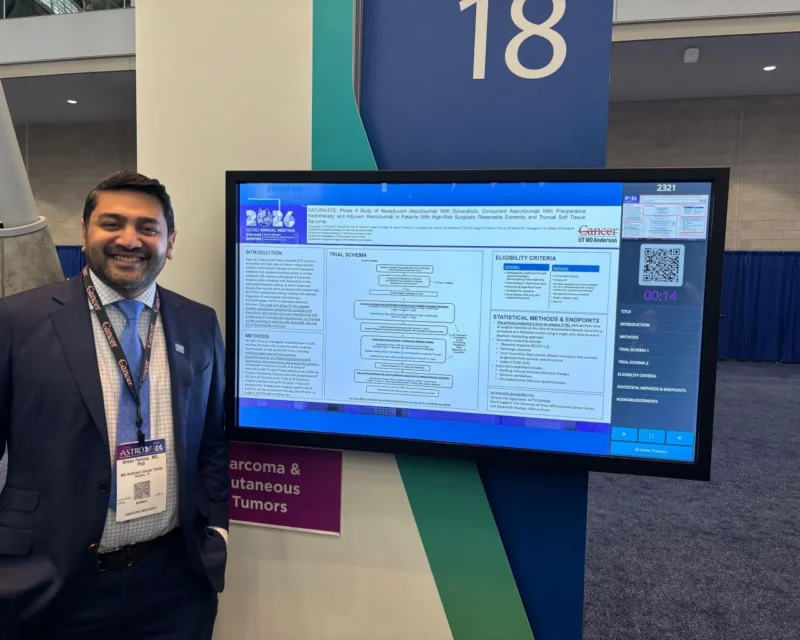
“Our experts are advancing radiation oncology through research that could help improve cancer treatment and care.”
Robin Abbass, Adaptive Linac Healthcare Sales Director at Elekta:
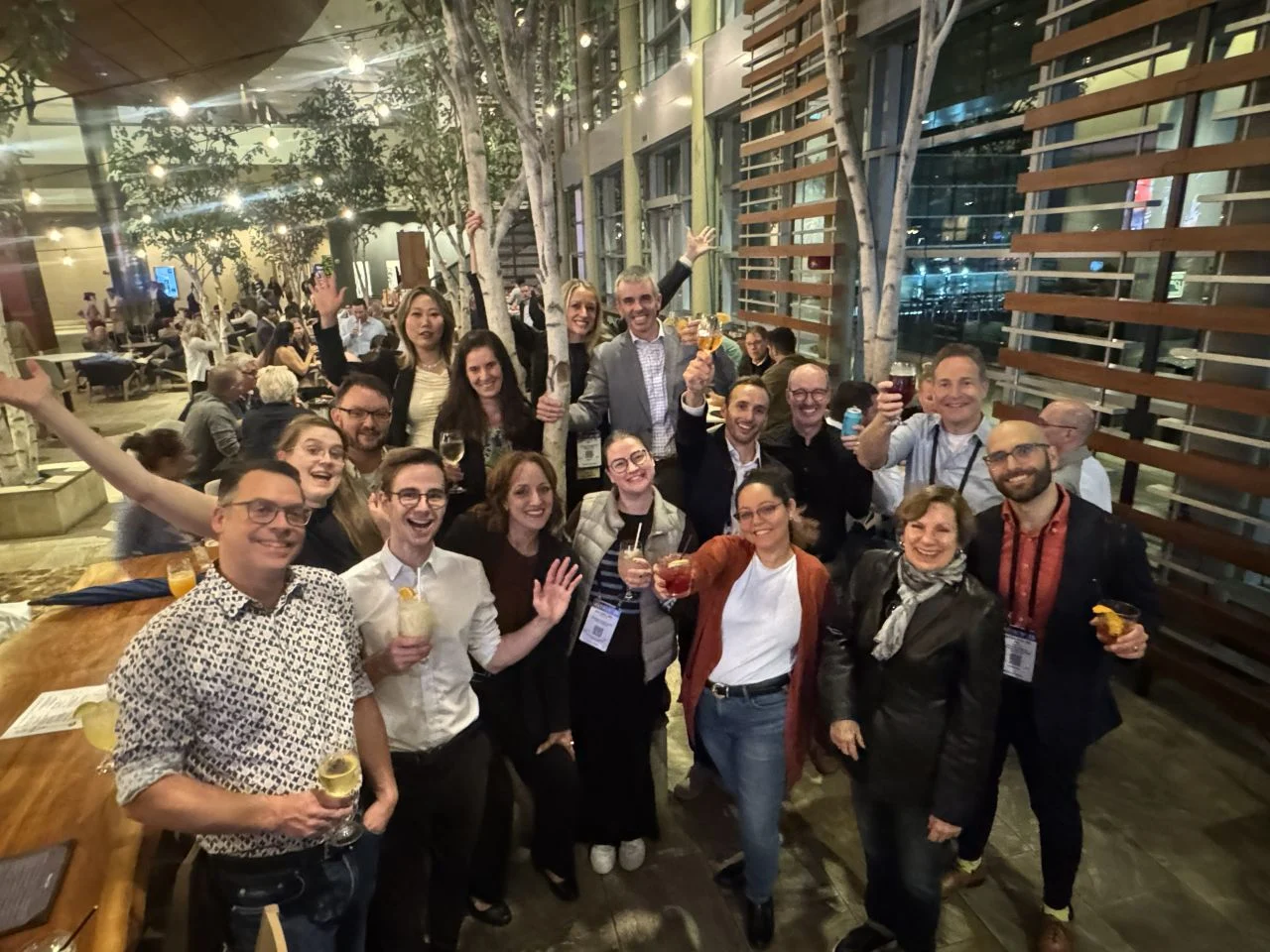
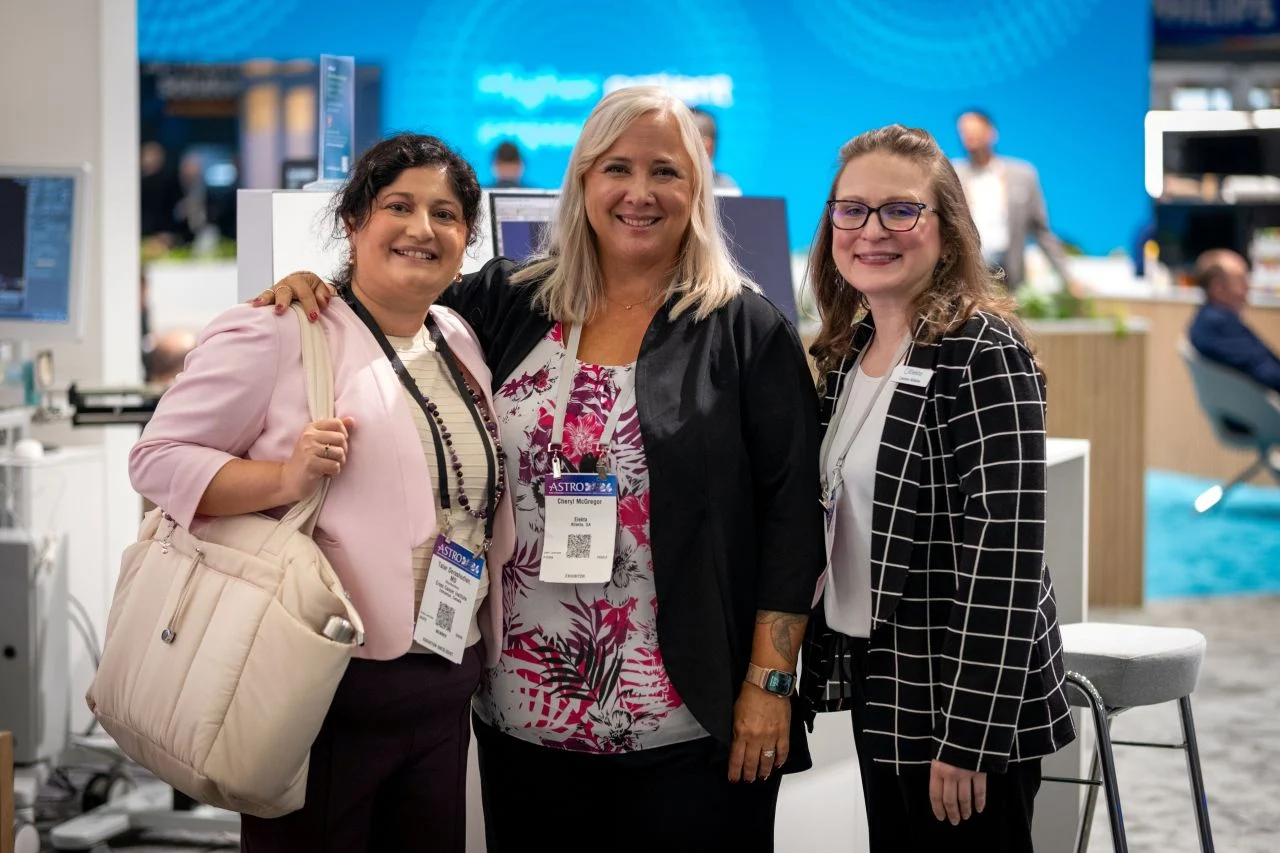
“What a fun time with colleagues, friends, and Elekta customers, sharing innovation, updates in technology and good times.”