Virtual Summit
How I Treat Bladder Cancer in 2026: OncoDaily Virtual Summit
Overview
Event Highlights
- Bladder cancer treatment is becoming increasingly personalized, with decisions guided by disease biology, patient fitness, comorbidities, quality of life and individual treatment goals.
- Immunotherapy, antibody-drug conjugates and targeted therapies are reshaping care across both early-stage and advanced bladder cancer.
- Bladder-preserving treatment is gaining importance as a viable option for carefully selected patients through close multidisciplinary collaboration.
- Biomarkers, circulating tumor DNA, molecular testing and AI-supported diagnostics may improve early detection, treatment selection and disease monitoring.
- The future of bladder cancer care depends on translating innovation into accessible, patient-centered practice across different healthcare systems and regions.
Event Series
Date / Time
May 20, 2026 · 10:00 AM – 10:00 PM
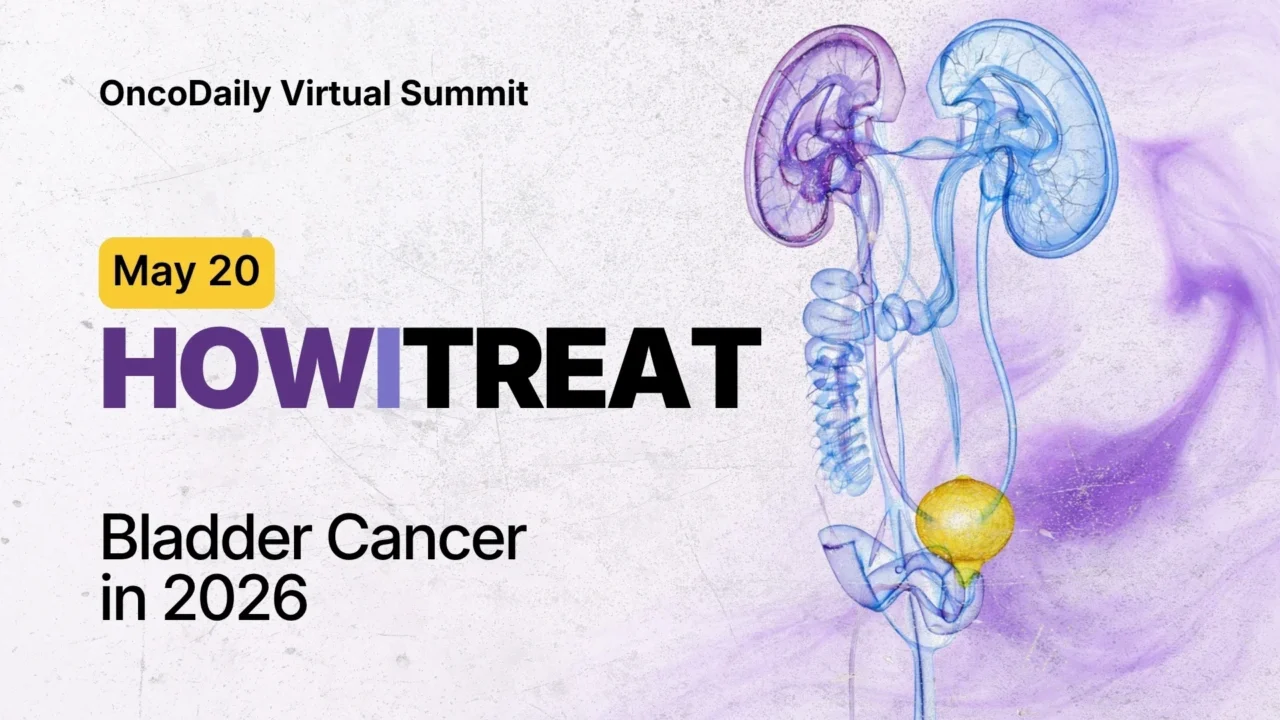
How I Treat Bladder Cancer in 2026 was a global virtual medical congress dedicated entirely to bladder cancer, with a focus on early diagnosis, multidisciplinary treatment strategies, and future directions in prevention and disease control.
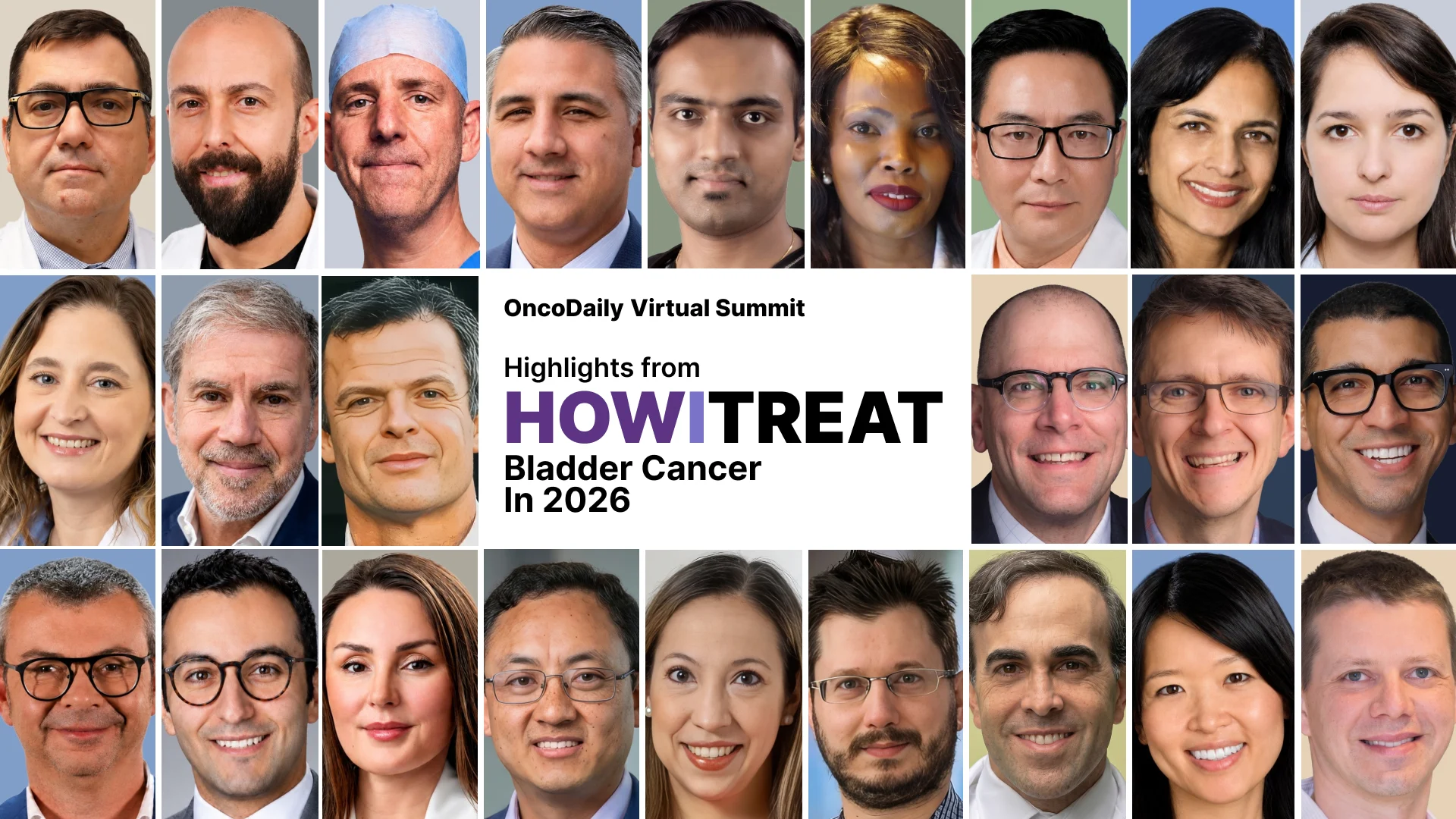
The OncoDaily How I Treat series returned with a dedicated global summit on bladder cancer, bringing together leading oncology experts to explore the latest advances in the management of urothelial carcinoma in 2026.
Held on May 20 during Bladder Cancer Awareness Month, the summit brought together experts from across continents to discuss current standards of care, emerging therapies, precision medicine approaches, and evolving clinical practices shaping the future of bladder cancer management.
Bladder cancer accounts for an estimated 614,000 new cases and 220,000 deaths worldwide each year, according to the International Agency for Research on Cancer’s GLOBOCAN data. Outcomes vary markedly by stage: the 5-year relative survival rate is approximately 98% for in situ disease, 73% for localized disease, 41% for regional disease, and only 9% for distant metastatic disease.
Although many patients are diagnosed with non-muscle-invasive tumors, muscle-invasive and metastatic bladder cancer continue to carry a substantial risk of recurrence and cancer-related death. At the same time, the incorporation of immunotherapy, antibody-drug conjugates, and biomarker-guided approaches has transformed the treatment of advanced urothelial carcinoma, contributing to improved long-term outcomes for some patients.
Scientific Program
The How I Treat Bladder Cancer Summit explored the full clinical spectrum of bladder cancer, emphasizing practical, experience-based management in 2026.
The program addressed contemporary approaches to suspected and newly diagnosed disease, including risk-adapted decision-making and evidence-based strategies for non-muscle-invasive, muscle-invasive, advanced, and metastatic bladder cancer.
Sessions examined the treatment principles guiding daily clinical practice, including the selection of systemic and local therapies, the sequencing of novel agents such as immunotherapy and targeted treatments, multidisciplinary coordination, and individualized patient care.
The OncoDaily Bladder Cancer Summit 2026 brought together leading specialists to translate emerging scientific findings into actionable, real-world treatment strategies. The summit focused on improving survival outcomes, strengthening multidisciplinary care, and addressing disparities in bladder cancer treatment and patient outcomes worldwide.
Program Chairs
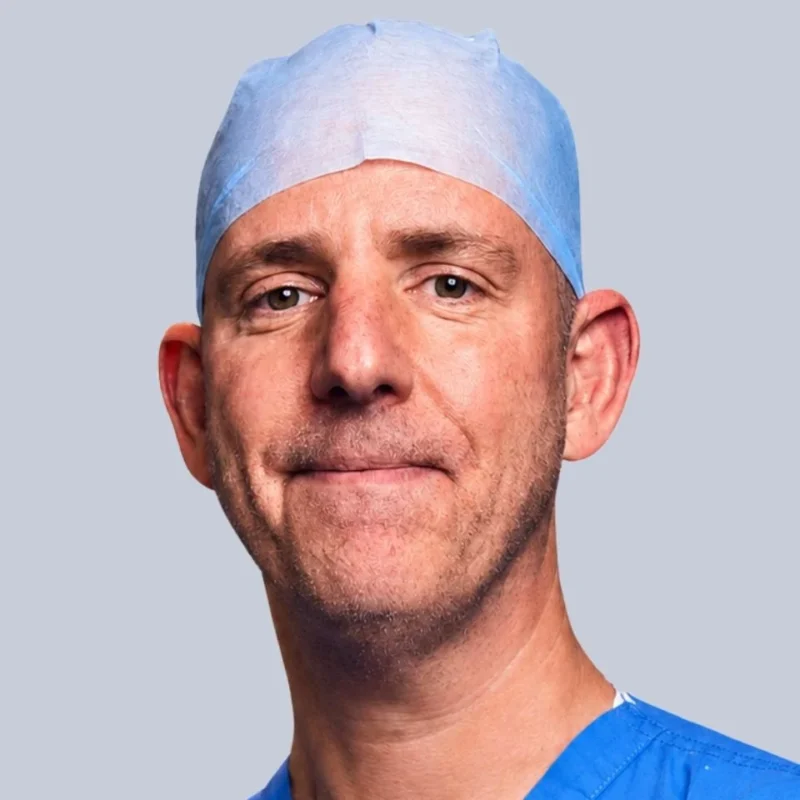
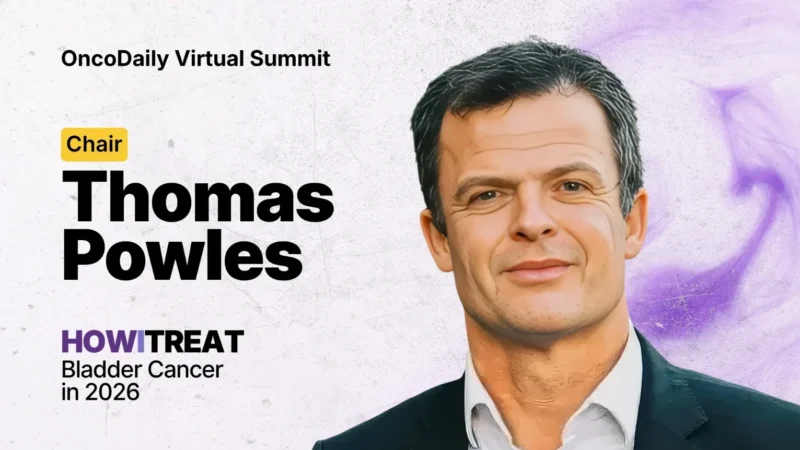
Thomas Powles is Professor of Genitourinary Oncology at Barts Cancer Institute, Queen Mary University of London, and Director of Barts Cancer Centre, one of the largest cancer centers in the United Kingdom. An internationally recognized leader in bladder and kidney cancer research, he has played a pivotal role in the development of immunotherapies, targeted therapies, and biomarker-driven approaches that have transformed the treatment of genitourinary cancers worldwide. He currently serves as Editor-in-Chief of Annals of Oncology and is a member of the ESMO Council.
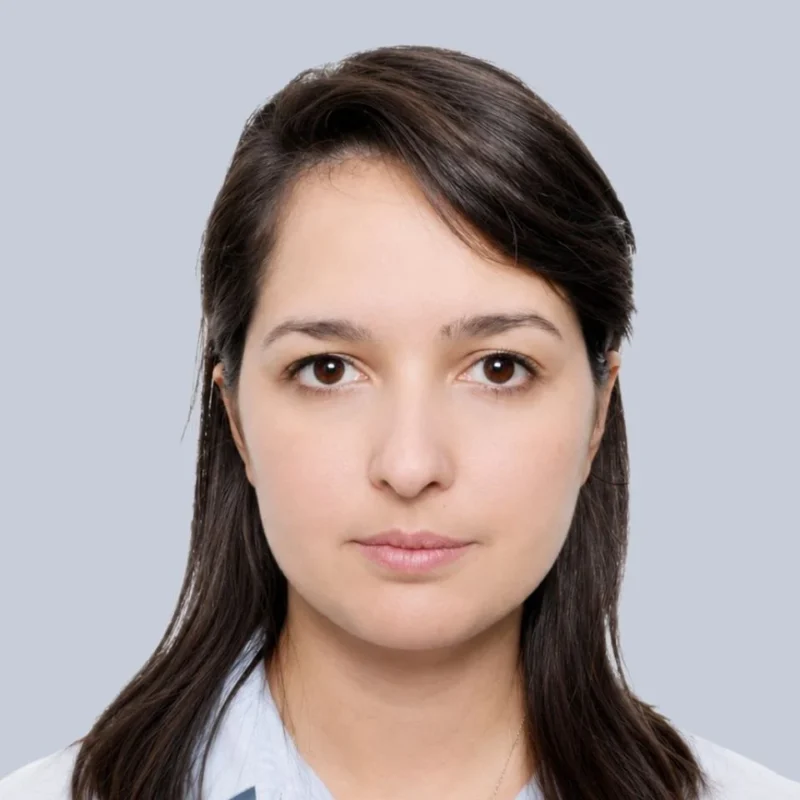
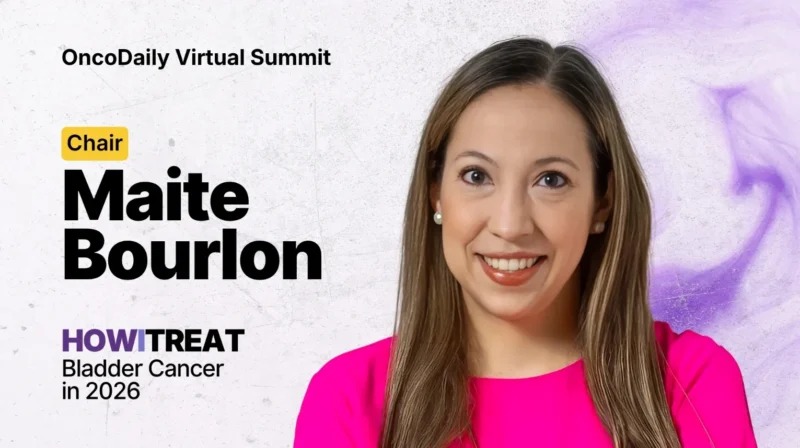
Maite Bourlon is a medical oncologist, Associate Professor, founder and head of the Urologic Oncology Clinic at Instituto Nacional de Ciencias Médicas y Nutrición Salvador Zubirán, Mexico. She is also the director of the Genitourinary Cancers Program for Medical Oncologists at Universidad Nacional Autónoma de México. After graduating from Universidad Panamericana, she completed her internal medicine residency and medical oncology fellowship at INCMNSZ, Mexico.
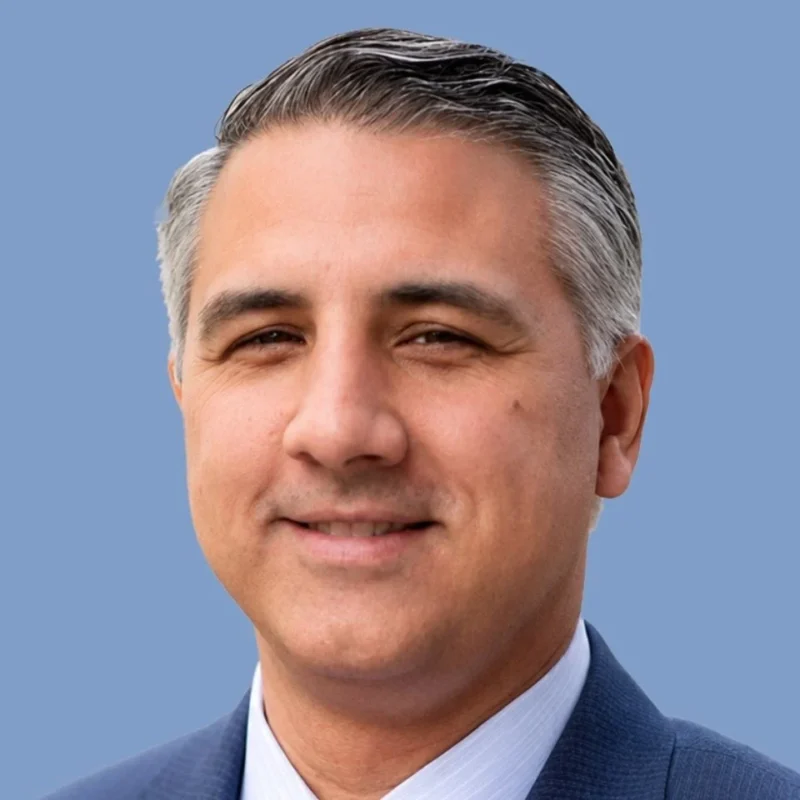
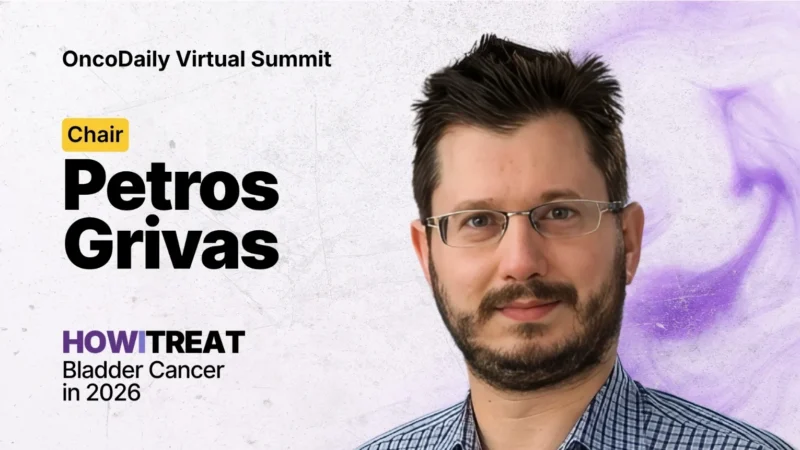
Petros Grivas is a medical oncologist and Professor at Fred Hutchinson Cancer Center and the University of Washington, USA, specializing in genitourinary cancers. He serves as Clinical Director of the Genitourinary Cancers Program and leads innovative clinical trials focused on immunotherapy and novel treatment strategies, contributing to the development and approval of new therapies for bladder cancer. Dr. Grivas is an internationally recognized expert and educator, dedicated to advancing personalized cancer care and improving patient outcomes.
Scientific Program
The How I Treat Bladder Cancer Summit explored the full clinical spectrum of bladder cancer, emphasizing practical, experience-based management in 2026.
The program addressed contemporary approaches to suspected and newly diagnosed disease, including risk-adapted decision-making and evidence-based strategies for non-muscle-invasive, muscle-invasive, advanced, and metastatic bladder cancer.
Sessions examined the treatment principles guiding daily clinical practice, including the selection of systemic and local therapies, the sequencing of novel agents such as immunotherapy and targeted treatments, multidisciplinary coordination, and individualized patient care.
The OncoDaily Bladder Cancer Summit 2026 brought together leading specialists to translate emerging scientific findings into actionable, real-world treatment strategies. The summit focused on improving survival outcomes, strengthening multidisciplinary care, and addressing disparities in bladder cancer treatment and patient outcomes worldwide.
Program Chairs
Thomas Powles is Professor of Genitourinary Oncology at Barts Cancer Institute, Queen Mary University of London, and Director of Barts Cancer Centre, one of the largest cancer centers in the United Kingdom. An internationally recognized leader in bladder and kidney cancer research, he has played a pivotal role in the development of immunotherapies, targeted therapies, and biomarker-driven approaches that have transformed the treatment of genitourinary cancers worldwide. He currently serves as Editor-in-Chief of Annals of Oncology and is a member of the ESMO Council.
Maite Bourlon is a medical oncologist, Associate Professor, founder and head of the Urologic Oncology Clinic at Instituto Nacional de Ciencias Médicas y Nutrición Salvador Zubirán, Mexico. She is also the director of the Genitourinary Cancers Program for Medical Oncologists at Universidad Nacional Autónoma de México. After graduating from Universidad Panamericana, she completed her internal medicine residency and medical oncology fellowship at INCMNSZ, Mexico.
Petros Grivas is a medical oncologist and Professor at Fred Hutchinson Cancer Center and the University of Washington, USA, specializing in genitourinary cancers. He serves as Clinical Director of the Genitourinary Cancers Program and leads innovative clinical trials focused on immunotherapy and novel treatment strategies, contributing to the development and approval of new therapies for bladder cancer. Dr. Grivas is an internationally recognized expert and educator, dedicated to advancing personalized cancer care and improving patient outcomes.