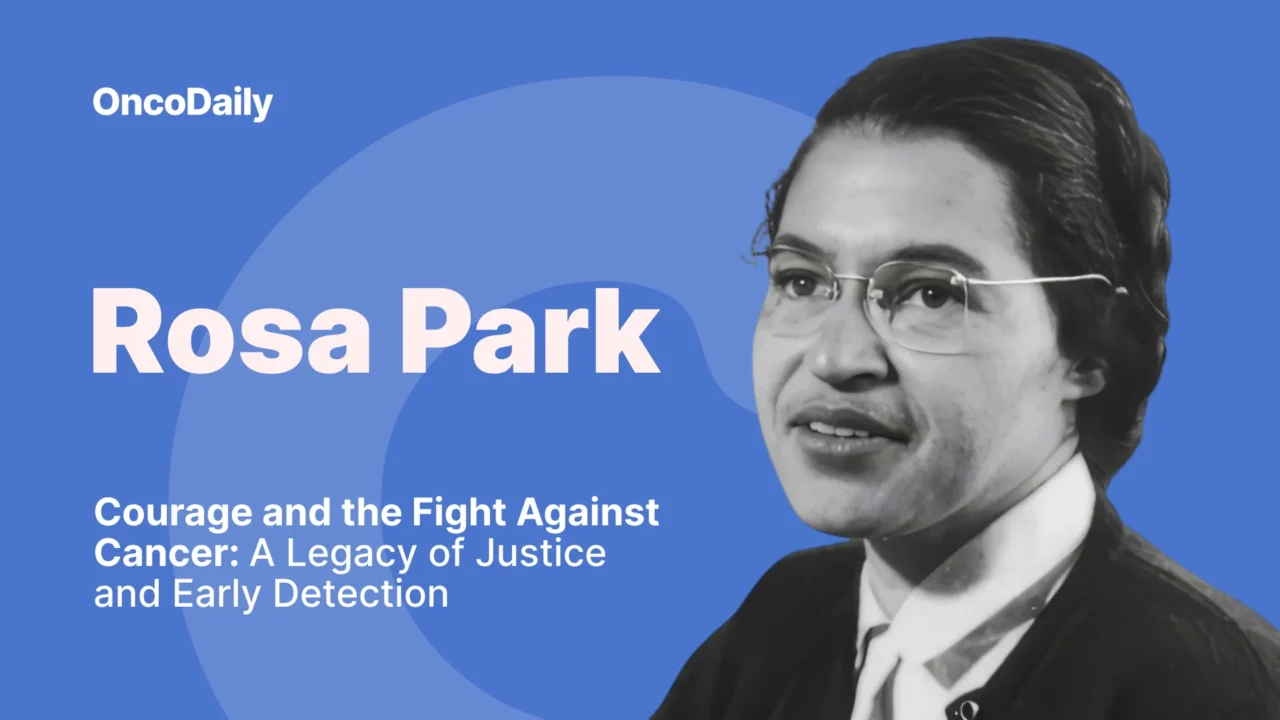
Rosa Parks was born on February 4, 1913, in Tuskegee, Alabama, and raised in a segregated society where racial injustice shaped nearly every aspect of daily life. Her upbringing, marked by the strength and resilience of her mother and grandparents, instilled in her a deep sense of dignity and an unwavering belief in equality. Parks married Raymond Parks, a barber and early civil rights advocate, whose encouragement further strengthened her involvement in the struggle for justice.
Before she became a global symbol of the civil rights movement, Parks spent years as a dedicated community worker, sewing professionally as a seamstress while serving as secretary of the Montgomery chapter of the NAACP. Her work investigating cases of racial violence and injustice prepared her for the moment that would change history.
The Act That Reshaped a Nation
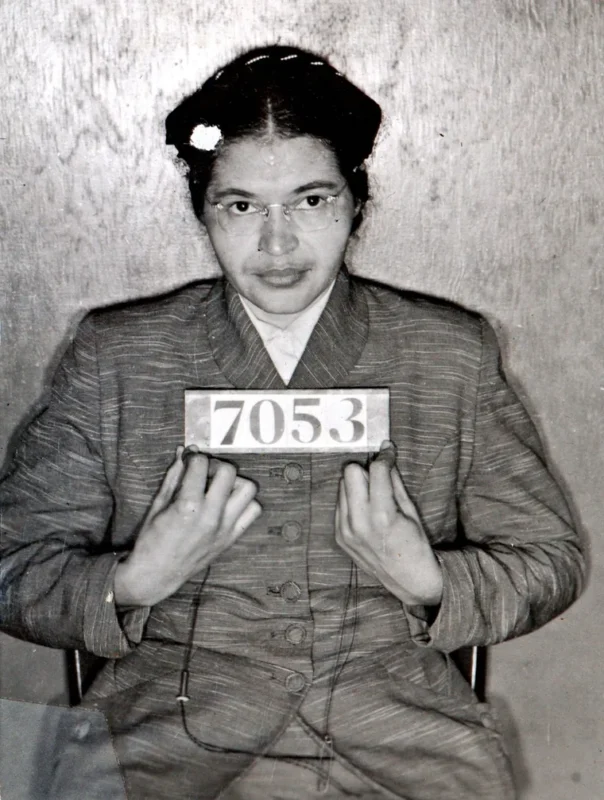
On December 1, 1955, Parks made a decision that would reverberate across generations. After a long day at work, she boarded a Montgomery city bus and took a seat in the “colored section.” When ordered to give her seat to a white passenger, she refused a quiet but world-shifting act of courage. Her arrest ignited the Montgomery Bus Boycott, led by the newly emerging leader Dr. Martin Luther King Jr. The boycott lasted more than a year and culminated in a 1956 United States Supreme Court ruling that bus segregation was unconstitutional.
The victory came at a personal cost. Parks lost her job, endured threats, and faced severe harassment. Yet she remained steadfast, relocating to Detroit with her husband and continuing her lifelong advocacy for racial justice, fair housing, voter rights, and community empowerment.
Personal Encounters with Cancer
While widely known for her civil rights activism, Rosa Parks also had a deeply personal relationship with another profound challenge: cancer.
In 1975, Parks spoke openly about having undergone a mastectomy as part of her own experience with breast cancer. She shared her story publicly to encourage women especially Black women, who faced significant disparities in screening and care to undergo early detection examinations. Her advocacy was compassionate, grounded in experience, and ahead of its time.
Cancer also touched her family in devastating ways. Between 1977 and 1979, her husband Raymond Parks, her brother Sylvester McCauley, and her mother Leona Edwards all died of cancer. These losses strengthened her commitment to health awareness, early detection, and community education.
Occasionally, social media posts create confusion by referencing “Rosa Parks” in unrelated cancer-awareness contexts, such as a 2024 post showing a different individual wearing yellow for Childhood Cancer Awareness Month. Yet the historical Rosa Parks—the civil rights icon did indeed engage personally with cancer advocacy and experienced its impact within her own family.
Career, Community Work, and Continued Advocacy
After moving to Detroit, Parks became an essential part of the community’s political and social fabric. She worked for Congressman John Conyers for many years, supporting his efforts to champion civil rights and economic justice. In 1987, she co-founded the Rosa and Raymond Parks Institute for Self-Development, an organization dedicated to empowering young people in Detroit through education, training, and character development.
Her voice remained powerful long after the 1955 boycott, and she continued to speak against injustice wherever it appeared. Parks received numerous honors in her lifetime, including the Congressional Gold Medal in 1999, recognizing her as “the mother of the civil rights movement.”
An Enduring Impact on Justice, Health, and Humanity
Today marks the anniversary of Rosa Parks’ quiet but seismic refusal to surrender her seat. Her courage reminds us that progress is driven by individuals who choose dignity, justice, and equity even when the personal cost is high.
Her legacy echoes far beyond transportation rights or civil rights history. It extends into health equity, patient advocacy, and the work we do to ensure every person has access to quality cancer prevention, early detection, treatment, and research. Parks understood firsthand the importance of speaking openly about health challenges, challenging stigma, and empowering communities to seek care.
As we reflect on her life, we honor her not only by remembering her defiance, but by acting with the same commitment to fairness and humanity. The fight for equitable cancer careacross racial, geographic, and socioeconomic lines is deeply aligned with the values she lived and defended. Her story remains a guiding light for advocates, clinicians, researchers, and every person working toward a world where justice in health is not an aspiration, but a guarantee.
Rosa Parks passed away in 2005 due to Alzheimer’s disease, yet her influence endures—on buses, in classrooms, in clinics, and in every effort to build a more equitable future.
To stay informed about the newest developments in cancer research and care, visit the OncoDaily website.
Written by Nare Hovhannisyan, MD