Initial results from the phase 3 SOUNDTRACK-F1 trial (NCT06549595) were presented by Chan Y. Cheah and provide the first look at the safety and early efficacy of the chemo-free combination of surovatamig and rituximab in previously untreated follicular lymphoma (FL) with high tumor burden. The trial compares this regimen with standard frontline chemoimmunotherapy.
Surovatamig (AZD0486) is a novel CD19×CD3 human IgG4 bispecific T-cell engager. In heavily pretreated FL, surovatamig has demonstrated high and durable response rates, achieving an ORR of 96% and a CR rate of 92% at doses ≥2.4 mg. These findings supported further evaluation of the agent in earlier treatment settings. Combining surovatamig with rituximab enables dual targeting of CD19 and CD20, a strategy hypothesized to broaden tumor-cell coverage and potentially reduce antigen escape.
Methods
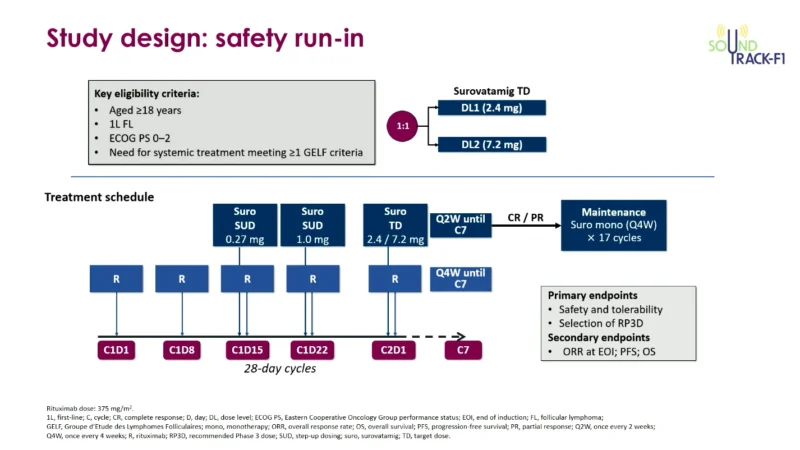
SOUNDTRACK-F1 is enrolling adults with previously untreated FL requiring systemic therapy according to GELF criteria. Eligible patients were aged ≥18 years and had an ECOG performance status of 0-2.
In the safety run-in phase, patients were randomized 1:1 to receive surovatamig at a target dose of 2.4 mg (DL1) or 7.2 mg (DL2) in combination with rituximab. Surovatamig was administered using a step-up dosing strategy before reaching the assigned target dose and continued through induction therapy. Patients achieving a complete or partial response were eligible to receive maintenance surovatamig monotherapy.
The primary objectives of the safety run-in phase were to evaluate safety and tolerability and to determine the recommended phase 3 dose.
Study Population
At the data cutoff of November 5, 2025, 43 patients had been enrolled, including 22 assigned to the 2.4 mg cohort and 21 assigned to the 7.2 mg cohort.
Median age was 57 years, Ann Arbor stage IV disease reported in over 80% of both cohorts. Bone marrow involvement was common, and approximately 40-45% of patients had bulky disease. High-risk FLIPI scores were more frequent in the 7.2 mg cohort. At the time of analysis, median follow-up was 6.3 months.
Safety Results
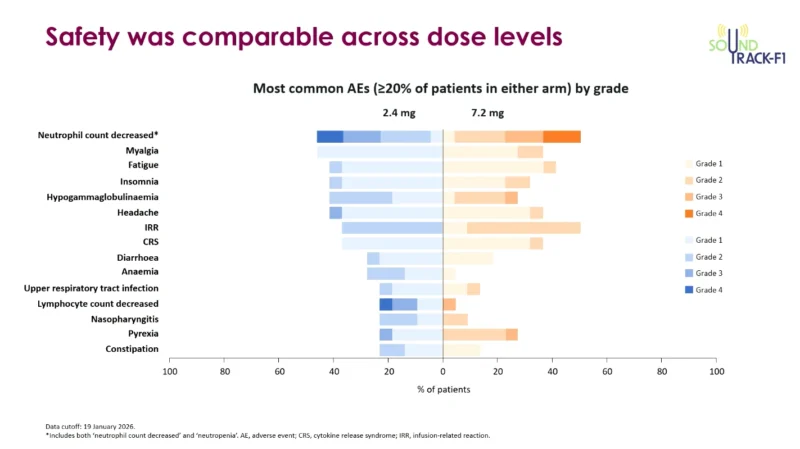
Safety was broadly comparable across both dose levels, with no treatment discontinuations attributed to adverse events. The most common toxicities were infusion-related reactions, fatigue, myalgia, and cytopenias. Infections were frequent but largely low grade.
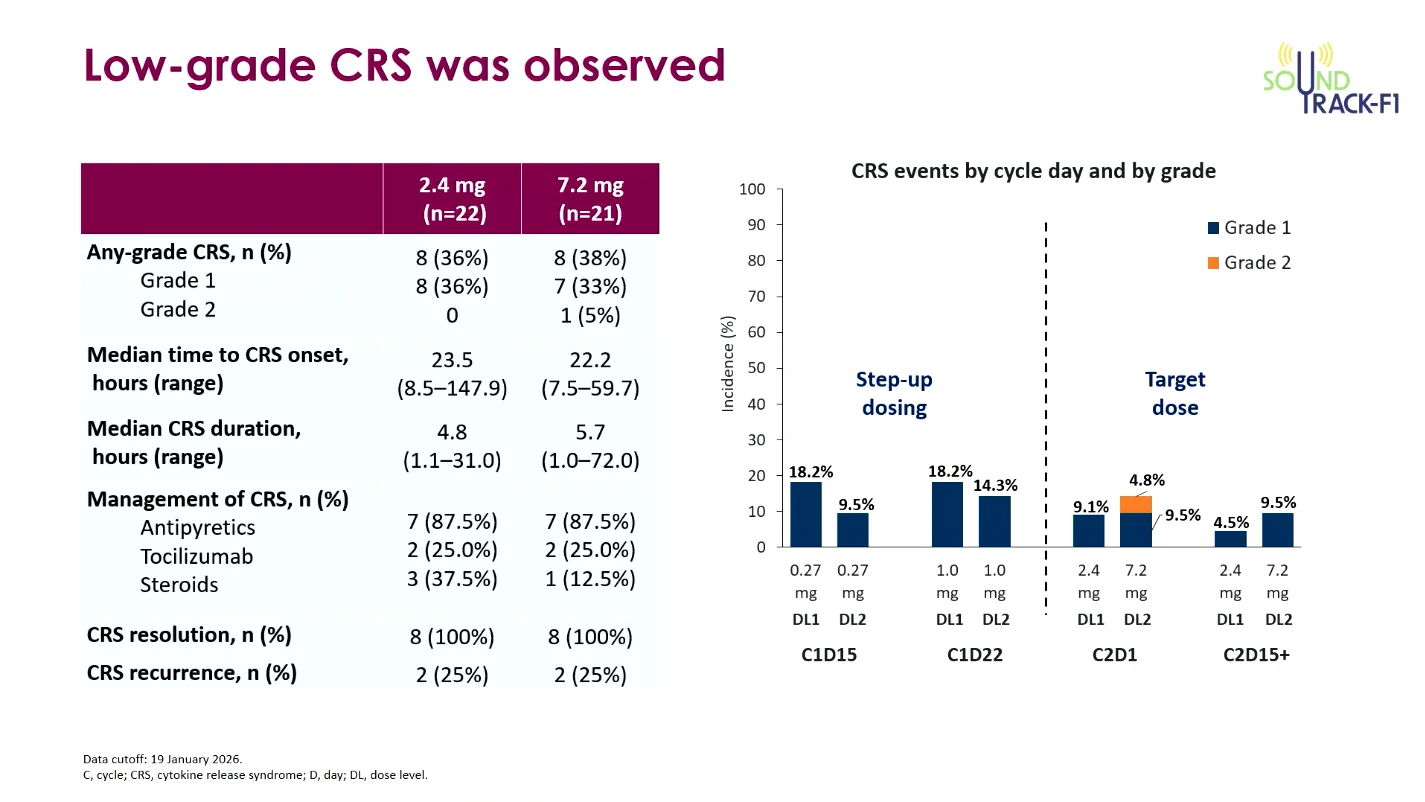
CRS occurred in approximately 1/3 of patients and was predominantly grade 1, with a single grade 2 event reported. Most CRS events occurred during step-up dosing or shortly after the first target dose, resolved with standard supportive measures, and did not cause a treatment discontinuation.
ICANS was uncommon, occurring in one patient in each cohort during step-up dosing. Both events resolved, and no ICANS were observed after administration of the target dose.
Efficacy
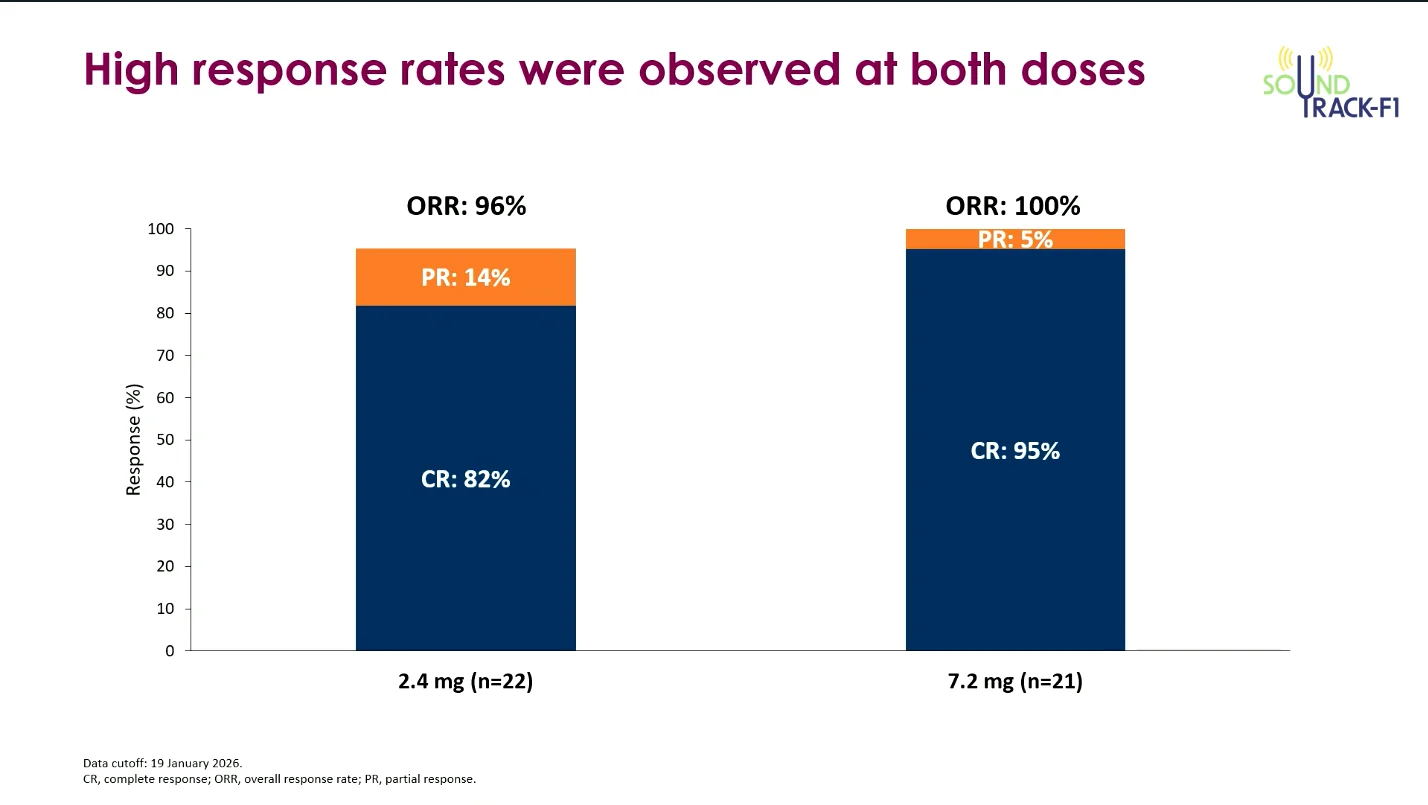
Deep responses were observed across both dose levels:
- CR rates reached 82% in the 2.4 mg cohort and 95% in the 7.2 mg cohort
- ORR of 96% and 100%
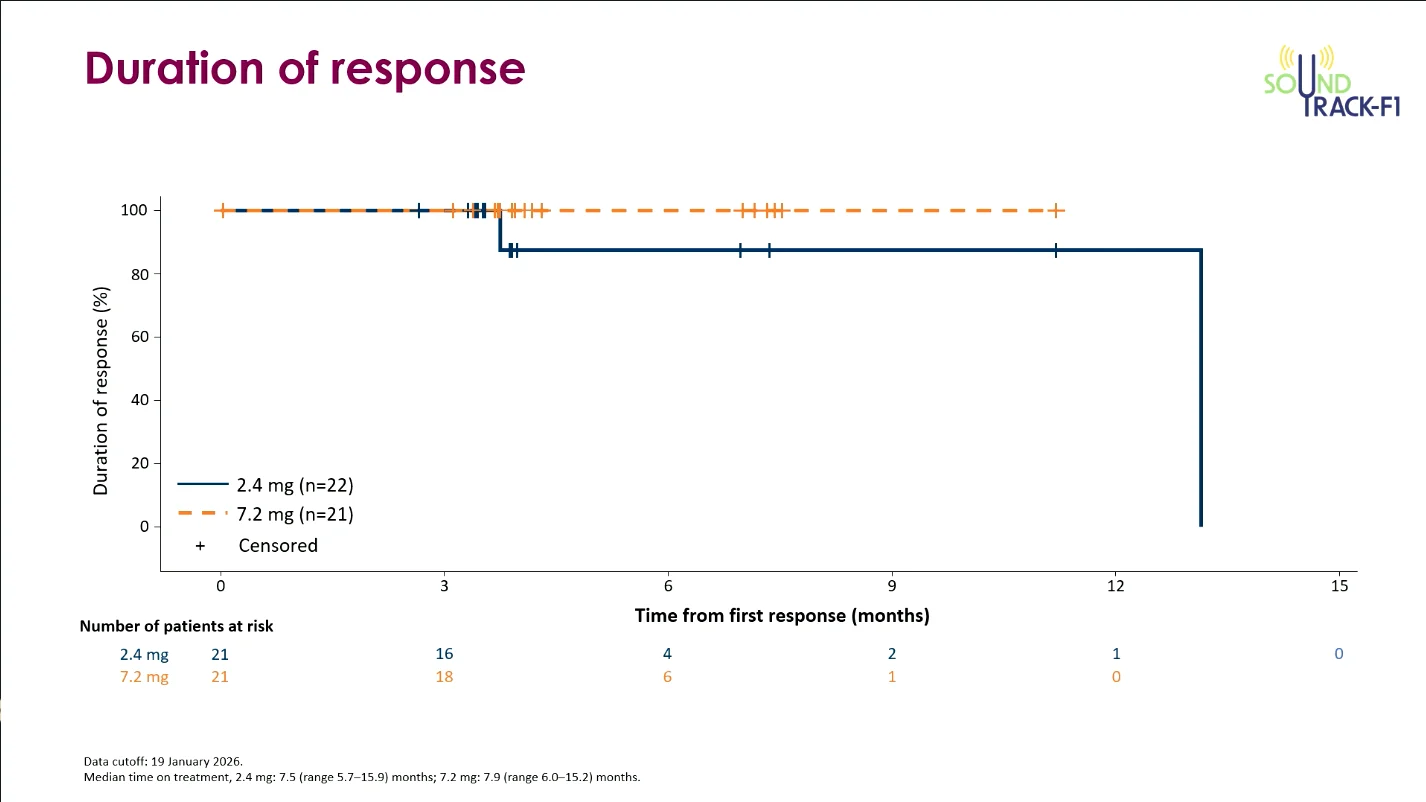
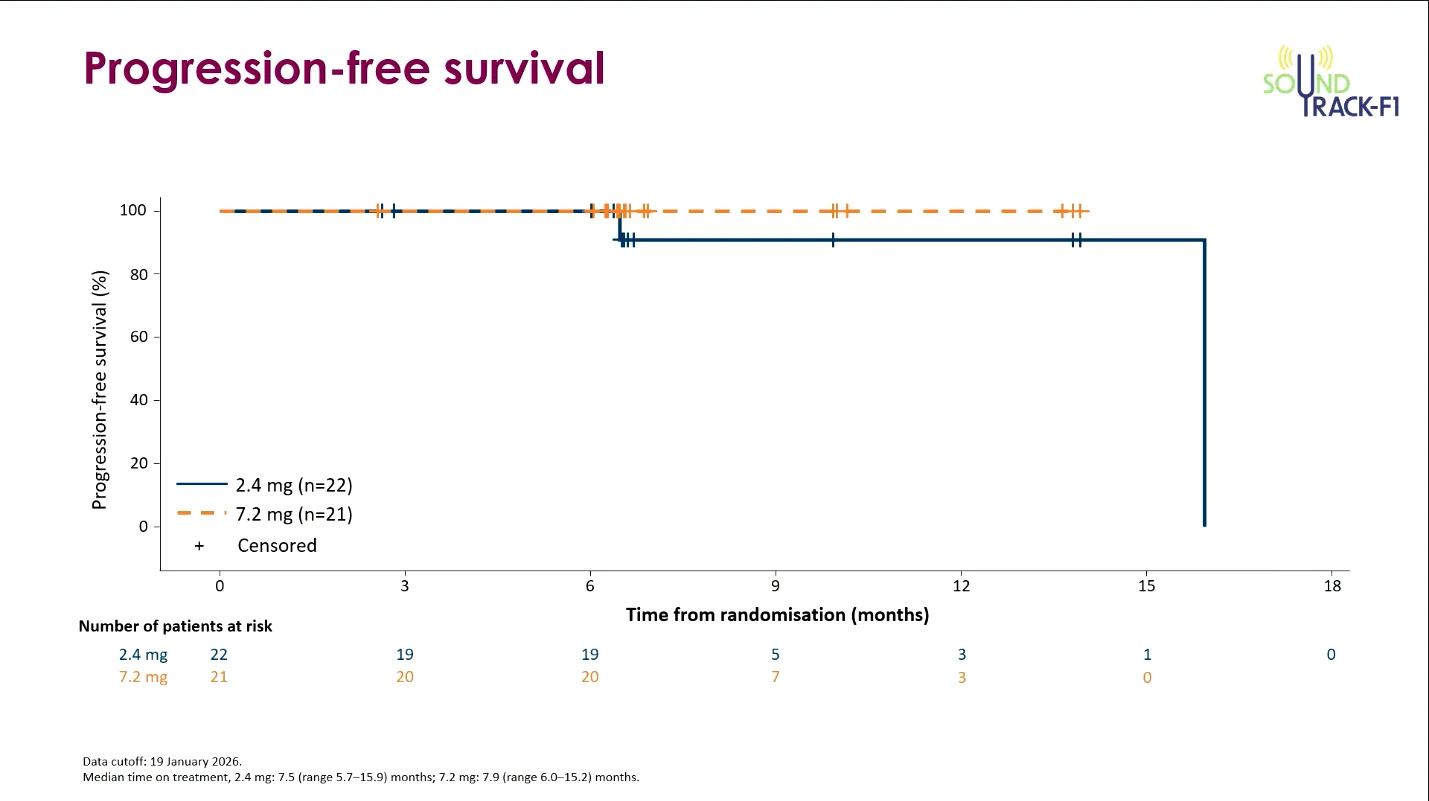
PFS remained high in both cohorts, with relatively few progression events observed at the time of analysis. Similarly, DOR analyses suggested sustained remissions, though follow-up remains limited.
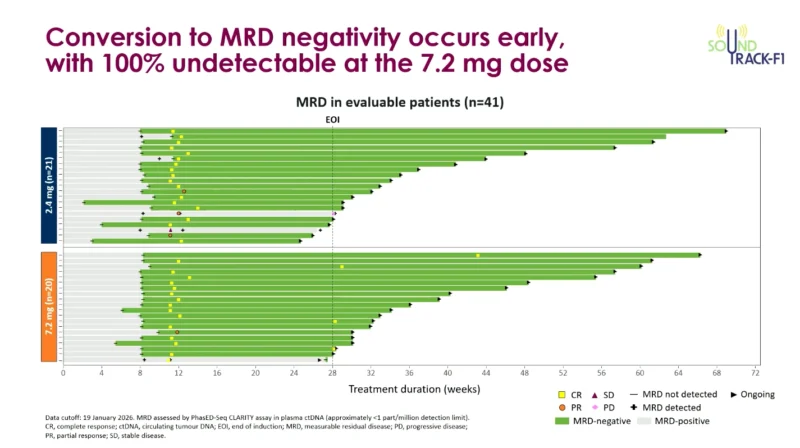
Among evaluable patients, MRD negativity was achieved in 75% of patients receiving 2.4 mg vs 100%. Conversion to MRD negativity frequently occurred early during treatment, with many patients achieving undetectable disease by the end of induction.
Takeaways
The safety run-in phase demonstrated that surovatamig could be combined with rituximab at both evaluated dose levels with manageable toxicity and without treatment discontinuations. On the basis of the overall safety, response, and MRD findings, 7.2 mg was selected as the recommended phase 3 dose for further evaluation in SOUNDTRACK-F1.
These initial safety findings are particularly relevant in follicular lymphoma, where prolonged treatment exposure may be required to sustain disease control.

Follicular Lymphoma (FL): Evolving Biology and Modern Therapeutic Paradigms