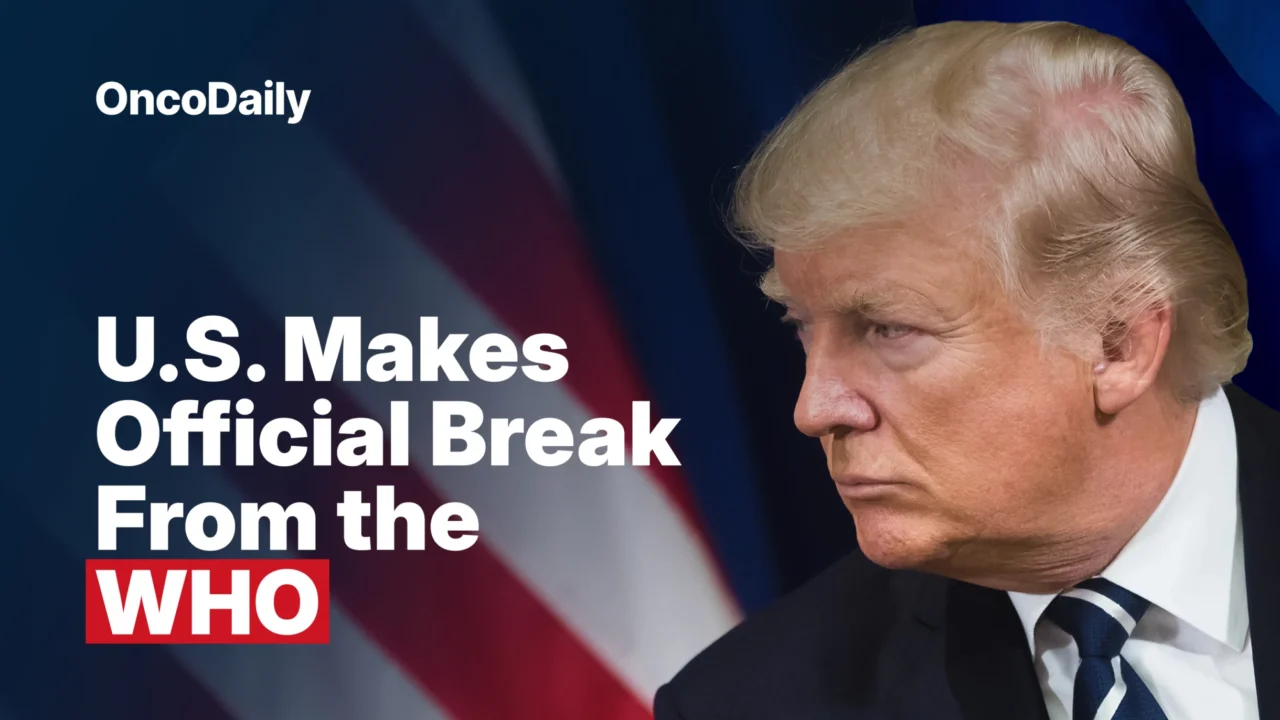
The United States’ decision to withdraw from the WHO marks a significant shift in global health governance. The move reflects longstanding political debates over national sovereignty, funding priorities, and the role of multilateral institutions in managing international public health crises. As one of the WHO’s largest financial contributors and most influential members, the U.S. withdrawal has raised concerns about the organization’s capacity to coordinate global disease surveillance, emergency response, and health research, while also prompting broader discussions about the future of international cooperation in global health.
U.S Government Statement
President Trump signed Executive Order 14155 on January 20, 2025, formally starting the United States’ withdrawal from the World Health Organization (WHO). The administration said the move was driven by concerns about the WHO’s handling of the COVID-19 pandemic that began in Wuhan, China, and what it described as ongoing problems with reform, accountability, transparency, and independence. After the required one-year notice period, the United States formally left the WHO on January 22, 2026.
To carry out the order, the U.S. government terminated all U.S. government funding to the WHO and recalled U.S. personnel and contractors assigned to or embedded with the organization, including staff in Geneva and other WHO offices worldwide. The United States also suspended or ended hundreds of engagements with the WHO and stopped taking part in WHO-sponsored committees, leadership bodies, governance structures, and technical working groups. The administration said withdrawal from WHO had been a stated priority since 2020 and described the January 2026 departure as the completion of the transition away from WHO membership, governance participation, and funding.
WHO’s Statement
The World Health Organization said the United States, a WHO founding member, has played a major role in advancing global health, pointing to contributions to efforts such as smallpox eradication and broader progress against diseases including polio, HIV, Ebola, influenza, tuberculosis, malaria, and antimicrobial resistance. WHO said it “regrets” the U.S. notification of withdrawal and warned the move would make “both the United States and the world less safe.”
WHO said the withdrawal notification would be reviewed by the WHO Executive Board at its regular meeting beginning February 2 and later by the World Health Assembly at its annual meeting in May 2026.
Responding to U.S. criticism, WHO rejected claims that it had insulted the United States or compromised its independence, and said it has consistently engaged with the U.S. “in good faith” while respecting national sovereignty. WHO also disputed the U.S. allegation that the agency pursued a politicized agenda driven by countries hostile to American interests, saying it remains impartial and is governed by 194 Member States.
On COVID-19, WHO defended its record and said it acted quickly after receiving the first reports from Wuhan on December 31, 2019, including seeking more information from China and activating its emergency incident management system. It said it had already alerted the world by the time China reported its first death on January 11, 2020, and noted that when the WHO Director-General declared a public health emergency of international concern on January 30, 2020, there were fewer than 100 reported cases outside China and no reported deaths. WHO also said it recommended measures such as masks, vaccines, and physical distancing, but “at no stage recommended mask mandates, vaccine mandates or lockdowns,” adding that such decisions were made by governments.
WHO said it has taken steps to strengthen its work following multiple reviews of the pandemic response and highlighted continued efforts by Member States, including adoption of the WHO Pandemic Agreement and negotiations on a pathogen access and benefit-sharing system. The organization said it hopes the United States will return to active participation in the future and reiterated its commitment to its mission and constitutional mandate.