Key takeaways
- SOS/VOD is often a severe complication, not a mild setback. Very severe disease accounted for 42% of cases, highlighting the importance of prevention and early recognition.
- Disease status at transplantation matters beyond leukemia control. Advanced disease was the strongest independent predictor of SOS/VOD, making pre-transplant disease control an important consideration in reducing complications.
- Children may be particularly vulnerable to busulfan-related liver toxicity. The findings suggest that conditioning regimen selection deserves special attention in pediatric patients previously exposed to antibody-drug conjugates.
- GVHD prevention may come with an additional risk. Calcineurin inhibitor-based prophylaxis was associated with higher SOS/VOD incidence, raising questions about whether alternative strategies could reduce endothelial injury.
At LeukO 2026: Global Virtual Congress on Leukemias, organized by OncoDaily, Zhemal Rakhmanova, pediatric hematologist at the R.M. Gorbacheva Research Institute of Pediatric Oncology, Hematology and Transplantation, Pavlov First Saint Petersburg State Medical University, presented findings from a study investigating hepatic sinusoidal obstruction syndrome (SOS) after allogeneic hematopoietic stem cell transplantation (allo-HSCT) in patients with acute leukemia previously treated with antibody-drug conjugates.
Antibody-drug conjugates such as inotuzumab ozogamicin and gemtuzumab ozogamicin have expanded treatment options for patients with acute leukemia, including those who require further disease control before transplantation. However, previous exposure to these therapies can increase the risk of serious hepatic complications following allo-HSCT.
Among the most concerning is sinusoidal obstruction syndrome, also known as veno-occlusive disease (SOS/VOD), a potentially life-threatening complication caused by injury to the hepatic sinusoidal endothelium.
In Rakhmanova’s study, nearly one in three patients developed SOS/VOD after transplantation, and those affected experienced markedly higher early mortality.
The findings raise an important question: Can clinicians identify the patients most likely to develop this complication and reduce their risk before transplantation takes place?
Why Antibody-Drug Conjugates Increase the Risk
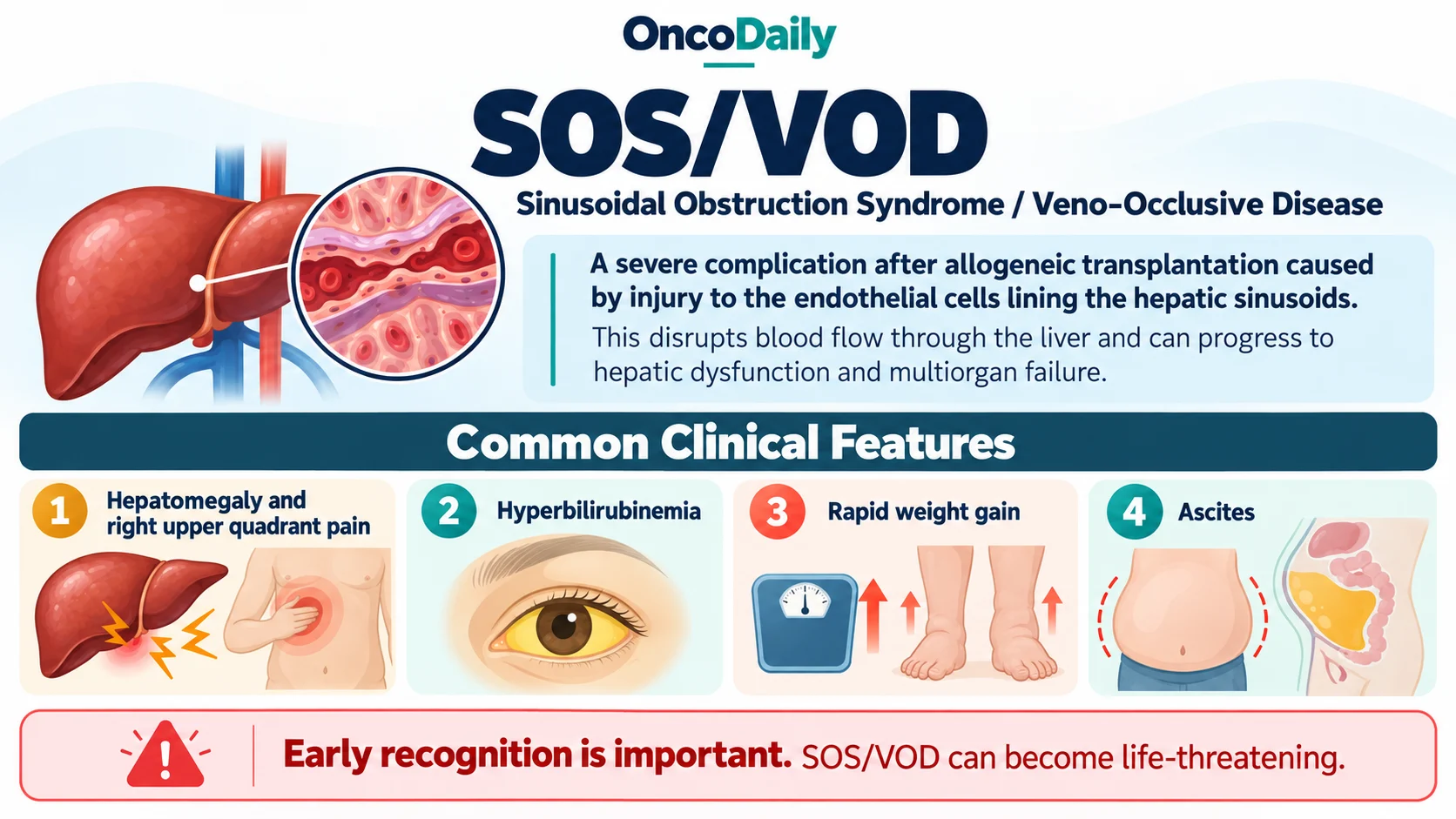
SOS/VOD is a severe complication of allogeneic transplantation characterized by damage to the endothelial cells lining the hepatic sinusoids. This injury disrupts normal blood flow through the liver and can progress to hepatic dysfunction and multiorgan failure.
Clinically, the syndrome is commonly associated with hepatomegaly and right upper quadrant pain, hyperbilirubinemia, rapid weight gain, and ascites.
Historically, SOS/VOD has been reported in approximately 20% of unselected allo-HSCT recipients in some transplant series, although incidence varies considerably according to patient characteristics, conditioning regimens, and diagnostic criteria. Once the disease progresses to multiorgan failure, mortality can reach 80%.
Several risk factors are already recognized, including:
- Myeloablative busulfan-based conditioning,
- Total body irradiation,
- Advanced disease at transplantation,
- Pre-existing hepatic injury,
- Pron overload,
- Certain graft-versus-host disease (GVHD) prophylaxis regimens.
Previous exposure to antibody-drug conjugates adds another potential source of endothelial injury.
Both gemtuzumab ozogamicin, used in acute myeloid leukemia (AML), and inotuzumab ozogamicin, used in B-cell acute lymphoblastic leukemia (B-ALL), deliver the cytotoxic agent calicheamicin to malignant cells.
Although designed to target leukemia cells, calicheamicin-associated toxicity can also affect the hepatic sinusoidal endothelium.
Rakhmanova explained this through the two-hit model of SOS/VOD development.
The first hit occurs during antibody-drug conjugate treatment, when endothelial injury may begin without obvious clinical manifestations. The second occurs during transplantation, when conditioning chemotherapy and subsequent transplant-related events place additional stress on an already vulnerable liver.
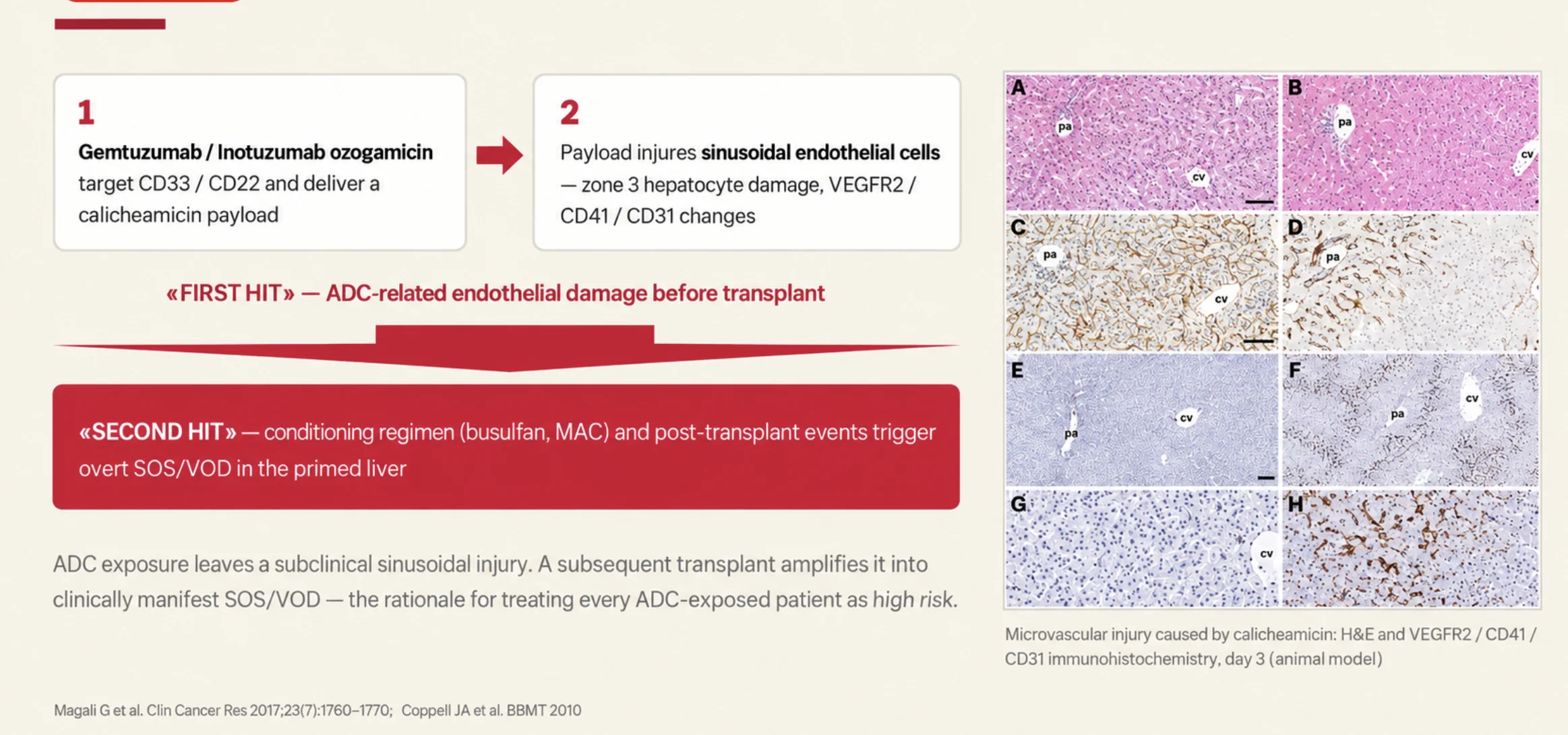
The result may be clinically apparent SOS/VOD.
This provides a biological rationale for considering patients previously exposed to these agents at elevated risk, even when they have no obvious liver complications before transplantation.
The High Cost of SOS/VOD After Transplantation
The presented retrospective, single-center study conducted between 2017 and 2025, involved 121 patients with acute leukemia who underwent allo-HSCT following treatment with antibody-drug conjugates.
The cohort included both adults and children, with a median age of 19 years (range, 1–56 years). Nearly half were pediatric patients, allowing the investigators to evaluate age-related differences in risk.
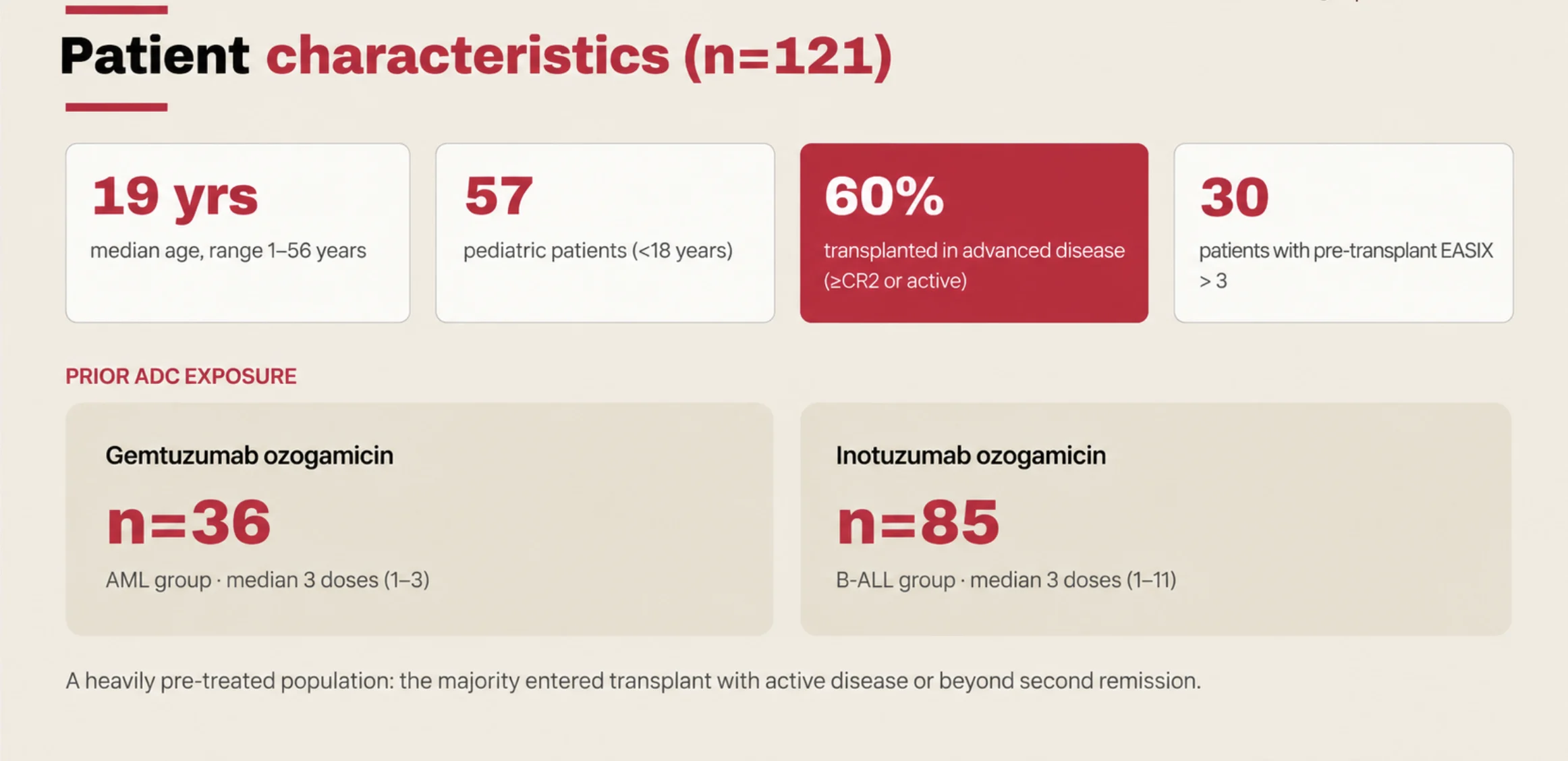
The treatment history reflected a heavily pretreated population:
- 85 patients with B-ALL had received inotuzumab ozogamicin.
- 36 patients with AML had received gemtuzumab ozogamicin.
- The median number of antibody-drug conjugate doses was three.
- Approximately 60% underwent transplantation with advanced disease.
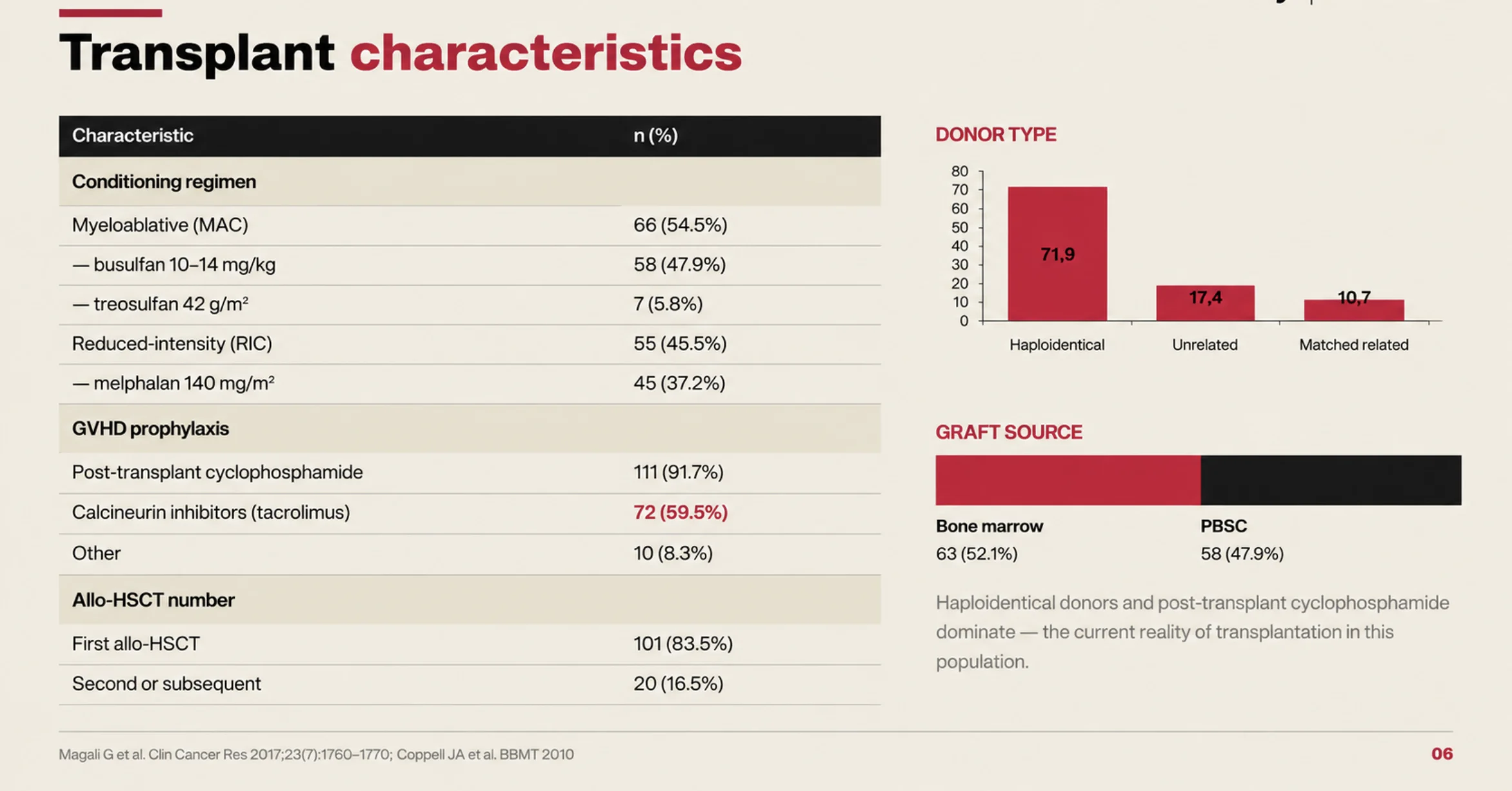
Transplantation approaches also varied. Myeloablative conditioning was used in 54% of patients, predominantly with busulfan-based regimens, while the remaining patients generally received reduced-intensity conditioning.
Post-transplant cyclophosphamide was used for GVHD prophylaxis in 91% of cases, and 59% received calcineurin inhibitors as part of their prophylactic regimen.
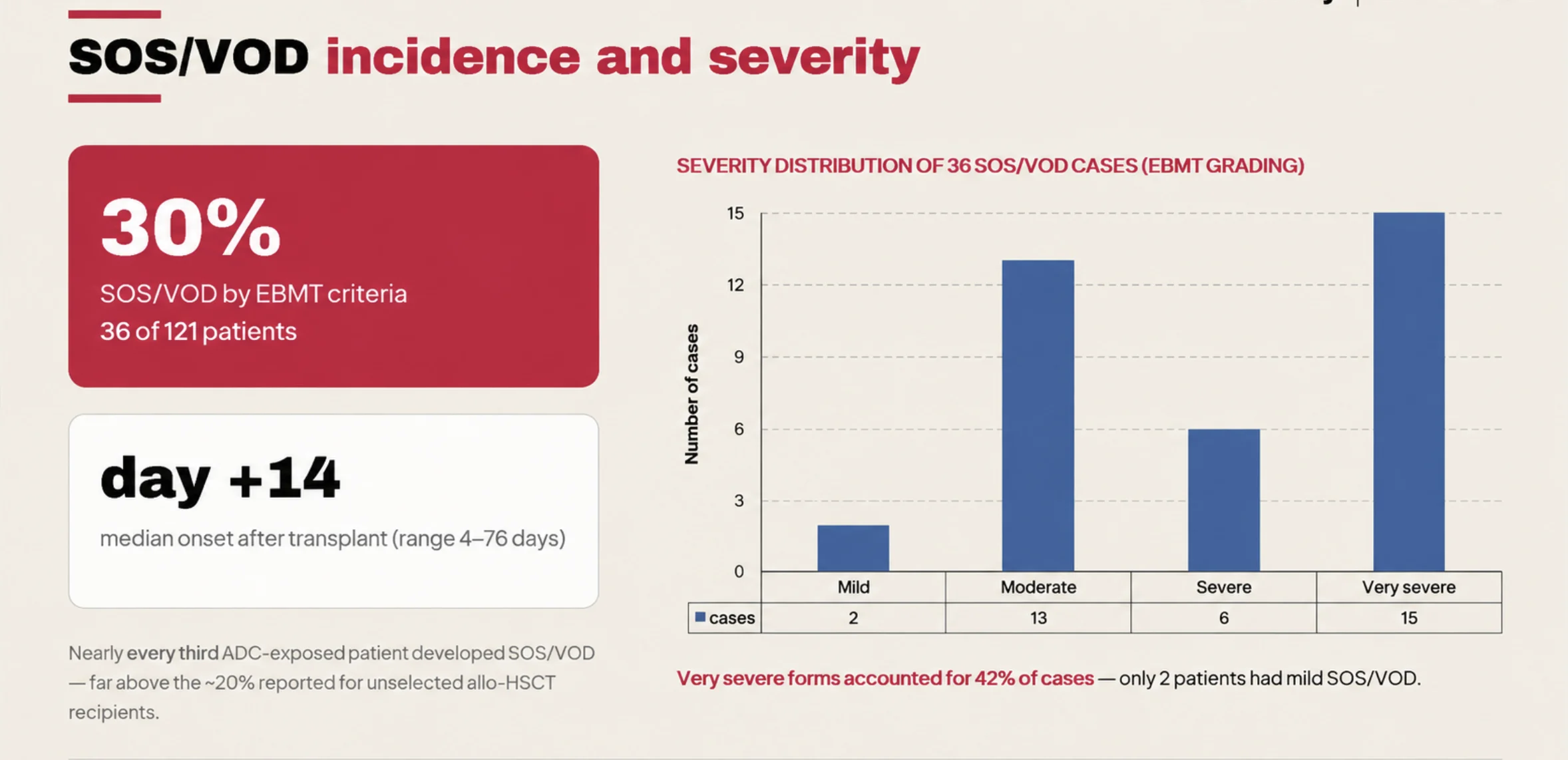
Using European Society for Blood and Marrow Transplantation (EBMT) diagnostic criteria, the investigators identified SOS/VOD in 36 of 121 patients, an incidence of 30%.
The median time to onset was 14 days after transplantation, although cases occurred as early as day +4 and as late as day +76.
The severity of these cases was particularly concerning.
Very severe SOS/VOD accounted for 42% of all cases, while only two patients developed mild disease.
The effect on early post-transplant outcomes was substantial.
Day-100 non-relapse mortality reached approximately 42% among patients who developed SOS/VOD, compared with just 5% among those who did not.
Although the retrospective study cannot establish that SOS/VOD alone caused these deaths, the difference illustrates the clinical burden associated with the complication in this high-risk population.
What Makes a Patient More Likely to Develop SOS/VOD?
The next step was to identify which clinical and treatment-related factors were associated with the greatest risk.
In the univariate analysis, three major factors emerged in the overall cohort.
1. Advanced disease at transplantation
Patients transplanted with advanced leukemia had a significantly higher incidence of SOS/VOD than those undergoing transplantation in first or second remission:
38% versus 17%.
This was particularly relevant because most patients in the study had received extensive previous treatment, and many proceeded to transplantation without achieving an early complete remission.
2. Calcineurin inhibitor-based GVHD prophylaxis
Patients receiving calcineurin inhibitors had a higher incidence of SOS/VOD than those receiving calcineurin inhibitor-free prophylaxis:
39% versus 16%.
The finding raised the possibility that GVHD prophylaxis could influence the risk of endothelial complications in patients already exposed to antibody-drug conjugates.
3. Elevated pre-transplant EASIX score
The Endothelial Activation and Stress Index (EASIX) is a laboratory-based score used to assess endothelial dysfunction and stress.
Patients with a pre-transplant EASIX score above 3 had a higher incidence of SOS/VOD:
47% versus 26% among those with lower scores.
This suggests that evidence of endothelial stress before transplantation may help identify patients requiring closer assessment and monitoring.
However, identifying an association does not necessarily establish an independent predictor.
When the investigators performed multivariate logistic regression, only advanced disease at transplantation remained statistically significant, with an odds ratio of 3.14.
In other words, patients transplanted with advanced disease had approximately three times the odds of developing SOS/VOD after adjustment for the other factors included in the model.
Calcineurin inhibitor-based prophylaxis continued to show a possible association, with an odds ratio of 2.54, but did not reach statistical significance.
These findings place particular importance on achieving the best possible disease control before transplantation, while recognizing that delaying transplantation may not be feasible or appropriate for every patient.
Children Face a Different Risk With Busulfan
One of the most important findings emerged when the investigators analyzed children separately.
The pediatric subgroup included 57 patients younger than 18 years, among whom the incidence of SOS/VOD was 28%. The median onset was day +13 after transplantation.
Although several risk factors resembled those observed in the overall population, busulfan-based conditioning had a particularly strong association with SOS/VOD in children.
Among pediatric patients:
- 60% developed SOS/VOD following busulfan-based conditioning.
- 21% developed SOS/VOD with busulfan-free conditioning.
- The difference was statistically significant.
In adults, no statistically significant difference was identified between busulfan-based and busulfan-free regimens.
These findings suggest that the contribution of conditioning chemotherapy to endothelial injury may differ according to age, potentially reflecting differences in busulfan pharmacokinetics and treatment tolerance.
The mortality findings were equally concerning:
- Day-100 non-relapse mortality was 37% among children with SOS/VOD, compared with 0% among those without the complication.
- Three of the four children who developed very severe SOS/VOD died.
The pediatric findings therefore identify conditioning regimen selection as an important area for further investigation.
Although the numbers are relatively small and the retrospective design limits causal conclusions, the difference observed with busulfan raises a practical question for transplant teams: could selecting a less hepatotoxic conditioning approach reduce SOS/VOD risk in children previously exposed to antibody-drug conjugates?
Can the Risk Be Reduced Before Transplantation?
The findings identify several points in the transplant pathway where risk assessment and treatment planning may be particularly important.
The strongest independent predictor in the study was advanced disease at transplantation. This makes disease status an important consideration when deciding when and how to proceed with allo-HSCT after antibody-drug conjugate therapy.
Where clinically feasible, achieving a deeper remission before transplantation may help reduce risk. However, this must be balanced against the possibility of leukemia progression and the consequences of delaying a potentially curative procedure.
Conditioning regimen selection is another consideration, particularly in pediatric patients.
The higher incidence of SOS/VOD associated with busulfan in children suggests that alternatives to busulfan-based conditioning deserve further evaluation in this population.
Rakhmanova also proposed exploring calcineurin inhibitor-free GVHD prophylaxis, including approaches involving post-transplant cyclophosphamide or TCRαβ T-cell depletion.
Such strategies may help limit additional endothelial injury, although their potential benefit must be weighed against GVHD prevention and other transplant-related risks. The association observed in this study does not establish that removing calcineurin inhibitors would independently reduce SOS/VOD.
Pre-transplant endothelial assessment may provide another opportunity for earlier risk identification. An elevated EASIX score, together with disease status, treatment history, and conditioning plans, could help identify patients who need particularly close surveillance.
Importantly, these approaches remain potential risk-reduction strategies rather than interventions proven effective by this retrospective analysis.
The study’s findings were also reported in a 2026 EBMT abstract, and further prospective research will be needed to determine whether modifying conditioning or GVHD prophylaxis can reduce SOS/VOD incidence without compromising leukemia control or transplant outcomes.
Prevention Begins Before Day Zero
The study highlights how decisions made before transplantation may influence complications that emerge weeks later.
In patients previously treated with antibody-drug conjugates, endothelial injury may already be present before conditioning begins. The clinical consequences become apparent only after the additional stress of transplantation.
Findings identified advanced disease as the strongest independent predictor of SOS/VOD, while raising important questions about calcineurin inhibitor-based prophylaxis, endothelial stress, and the use of busulfan in children.
For transplant teams, these are factors worth examining before the conditioning regimen starts, when there may still be an opportunity to adjust the treatment plan.
The challenge is to get patients to transplantation with their leukemia controlled, without exposing an already vulnerable liver to avoidable additional injury.
Written by Eliz Baloyan, MD, Features Writer and Editor at OncoDaily and CancerWorld