“What’s up, chat? I’m back for another edition of gastrochat, and today’s chat is all about food comas. Specifically, the one you get after Thanksgiving.”
Margaret-Ann Simonetta is back with another episode of gastrochat, her podcast created in partnership with OncoDaily. And with Thanksgiving approaching in the United States, she’s turning her attention to one of America’s most celebrated traditions: eating an impressive amount of food and dealing with the consequences afterward.
There’s turkey, mashed potatoes, mac and cheese, casseroles, desserts, football, and, if the day goes according to plan, at least one person asleep on the couch.
“If there’s one day a year that Americans feel it in their gut, it’s on Thanksgiving Day.”
But this episode isn’t just about eating too much turkey. Margaret-Ann has been investigating the internet’s latest digestive health obsessions, from concentrated gut-health shots to the rather unfortunately named “fart walk.”
Along the way, she’s asking whether these viral wellness habits actually help digestion, what happens to the gut after a large holiday meal, and whether we really need to prepare our digestive systems for Thanksgiving as if we’re training for an athletic event.
Or, in her words:
“Today’s chat is about navigating this day from the pre-Thanksgiving vibes to the post-turkey turmoil. Say that five times.”
Before the Turkey, There’s Shot-Maxxing
Apparently, even Thanksgiving dinner requires a pre-game routine now.
Margaret-Ann begins with shot-maxxing, a trend circulating in the online gut-health community often referred to as GutTok.
The concept involves drinking small, concentrated wellness shots, typically made from ingredients such as ginger, turmeric, apple cider vinegar, fermented vegetables, or other combinations promoted as beneficial for digestion.
The supposed benefits? Less bloating, better digestion, reduced inflammation, and a healthier gut.
“If you think it’s good for you, there’s definitely a GutTok video about it. Let me put it to you that way.”
Shot-maxxing belongs to the growing family of online wellness trends that includes fibermaxxing, proteinmaxxing, and poopmaxxing. The idea is to optimize some aspect of health through increasingly deliberate, sometimes excessive routines.
For Thanksgiving, the appeal is obvious. Who wouldn’t want a little extra digestive support before tackling several servings of stuffing and pumpkin pie?
But is it actually worth doing?
Margaret-Ann has an immediate answer, or at least an important clarification.
“Well, it’s not if it’s tequila, number one.”
Fair point.
Setting the tequila aside, she breaks the trend into two popular categories.
The first involves fermented drinks, including juices made from cabbage or kimchi, promoted for their potential contribution to gut microbial health.
The second includes ginger, turmeric, citrus, and other concentrated ingredients marketed for their anti-inflammatory or digestive properties.
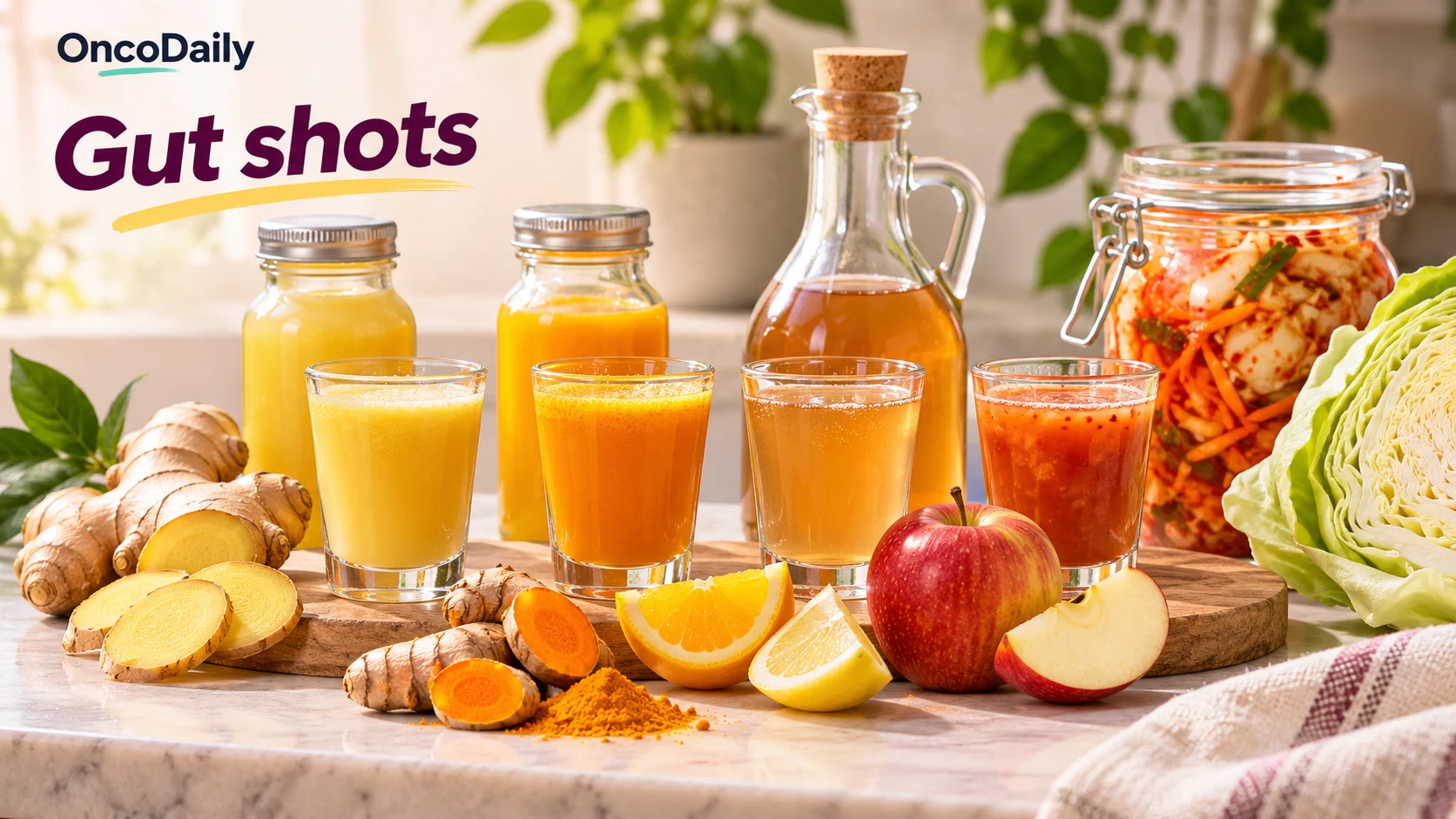
There is some science behind individual ingredients, but the benefits are more complicated than the videos suggest.
Research indicates that ginger may help certain types of nausea. Some fermented foods contain live microorganisms, although not every fermented product contains proven probiotics, and the presence of live cultures does not automatically mean a drink improves digestive health.
Evidence that consuming concentrated wellness shots before a large meal prevents bloating or improves digestion remains limited.
And then there are the risks.
Highly acidic preparations, particularly undiluted apple cider vinegar, may irritate the upper digestive tract, aggravate reflux symptoms, and contribute to tooth enamel erosion with repeated exposure. Even ingredients generally considered healthy can cause discomfort when consumed in concentrated amounts.
Margaret-Ann knows the problem with these online optimization trends.
“The biggest trap of any maxxing routine is always going to be taking it to the extreme.”
Someone who rarely consumes fermented foods or concentrated ginger doesn’t need to introduce several unfamiliar drinks immediately before a large holiday meal.
She recommends moderation, paying attention to individual tolerances, and seeking professional advice when existing GI conditions or other health concerns are involved.
But there’s another concern with these wellness trends: the pressure to constantly optimize your gut health can sometimes create more stress and anxiety around food than it relieves.
And if that sounds familiar, Margaret-Ann has been here before. In episode two of gastrochat, she explored the gut-brain connection, IBS, and the internet’s obsession with “hot girls have stomach issues,” including how stress and digestive symptoms can influence one another.
Perhaps the best Thanksgiving preparation isn’t another concentrated wellness shot, but giving your stomach (and yourself) a little less to worry about.
“Introduce it gradually. Skip the liquid quick-fix obsession.”
Your stomach probably doesn’t need a complicated Thanksgiving preparation schedule.
The CDC Has Entered the Holiday Chat
Next, Margaret-Ann turns to something a little less experimental: advice from the United States Centers for Disease Control and Prevention (CDC).
The agency’s 2026 holiday health guidance recommends three familiar strategies: staying physically active, eating a balanced diet, and planning holiday activities that don’t revolve entirely around food.
Margaret-Ann appreciates the effort.
“Hey, I gotta give it to the CDC. They are trying to go viral like these videos and trends online. Is it working? I’m unsure.”
The CDC’s recommendations are considerably less adventurous than GutTok’s wellness shots.
They suggest filling your plate with fruits and vegetables first, choosing smaller portions of richer foods, bringing a healthy dish to gatherings, and incorporating physical activity into holiday celebrations.
Nothing revolutionary.
And Margaret-Ann is well aware of that.
“Here in America, unless you’ve been living under a rock, we are very used to the visual that the government gives us of what a healthy plate looks like.”
The familiar illustrations of balanced meals have appeared in American classrooms, medical offices, and public health campaigns for decades.
Now they’re competing for attention with TikTok creators offering digestive shortcuts in shot glasses.
But there’s a reason the CDC’s advice remains relatively straightforward.
Healthy dietary patterns, physical activity, and consistency have considerably stronger evidence behind them than attempting to transform digestive health with one concentrated drink.
That doesn’t mean Thanksgiving dinner needs to become a nutritional examination.
Margaret-Ann has other plans for her plate.
One Plate of Mac and Cheese Isn’t Going to Ruin Your Life
For all the preparation surrounding Thanksgiving, there’s another question worth asking.
What actually happens if you simply enjoy the meal?
Margaret-Ann brings up reporting from HuffPost and medical experts discussing the effects of holiday overeating, particularly the tendency to worry about weight gain, bloating, and whether a single indulgent meal can damage the gut.
The broader scientific picture is reassuring for otherwise healthy people.
A large meal may temporarily cause abdominal fullness, bloating, reflux, and changes in digestion. Dietary changes can also affect the gut microbiome in the short term.
But enjoying a favorite meal shouldn’t automatically come with guilt.
Margaret-Ann’s Thanksgiving philosophy is considerably more forgiving.
“Eat the pie. Enjoy your friends. Maybe enjoy your family. And skip the food guilt.”
That maybe is doing quite a bit of work.
So, What Actually Causes a Thanksgiving Food Coma?
Before getting to Margaret-Ann’s final viral wellness trend, there’s the question that gives this episode its name.
The infamous Thanksgiving food coma.
Medically, the phenomenon is known as postprandial somnolence, a temporary feeling of tiredness or drowsiness after eating.
Large, energy-dense meals can make that sensation more noticeable. Meal composition, the body’s normal sleep-wake rhythm, and alcohol consumption may also contribute.
And despite turkey’s reputation as the chief suspect, its tryptophan content isn’t the whole explanation.
Tryptophan is an amino acid involved in the production of serotonin and melatonin, but it’s found in many protein-rich foods, not just turkey.
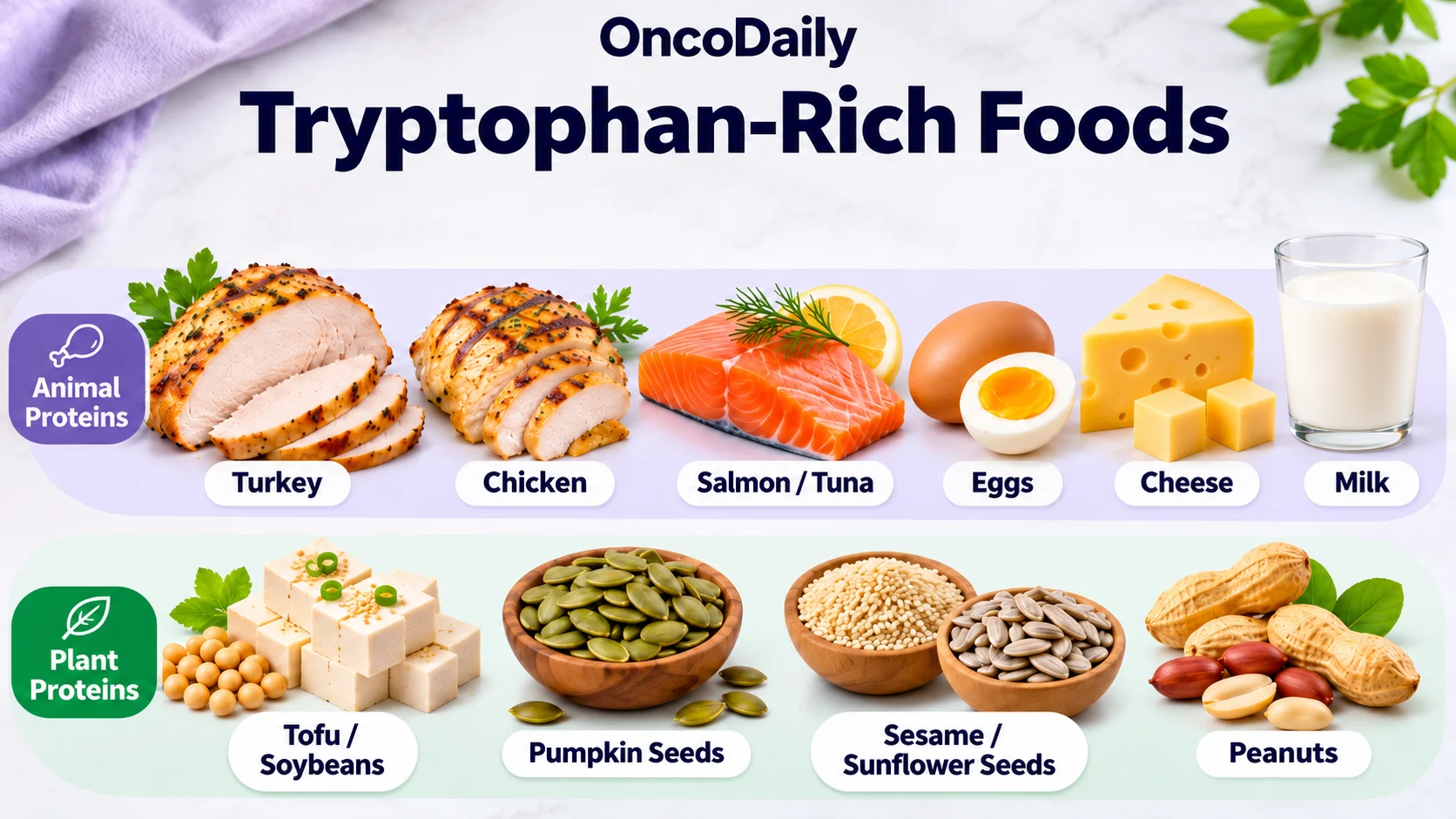
Research and clinical explanations point to the size and composition of the overall Thanksgiving meal as more important contributors to the familiar post-dinner slump.
In other words, the turkey doesn’t deserve all the blame.
And if the thought of getting up from the couch after that meal sounds exhausting, Margaret-Ann has found a trend that might provide some motivation.
Unfortunately, it comes with a name she isn’t particularly excited to keep repeating.
Yes, We’re Actually Talking About Fart Walks
And just when you think Thanksgiving wellness trends couldn’t get any more unusual, Margaret-Ann brings up one with a name that even she can’t quite believe she’s saying out loud.
“Man, did I never think I was going to say this in my life, but here we are on gastrochat, and Margaret-Ann is saying something I’ve legitimately never said.”
And here it comes.
The fart walk.
Popularized by Canadian cookbook author and social media personality Mairlyn Smith, the trend involves taking a short walk after eating, often to relieve gas and bloating.
Smith’s humorous name for an ordinary post-dinner stroll attracted widespread attention on TikTok and Instagram.
“Aside from the fact the name is chaotic, people, but the science is pristine.”
She’s particularly enthusiastic about the idea that something so simple, and so unfortunately named, might actually have health benefits.
And there is evidence supporting gentle movement after meals.
Research suggests that walking soon after eating can help reduce post-meal blood glucose rises. Light physical activity may also support gastrointestinal movement and help some people experiencing bloating or trapped gas.
A systematic review and meta-analysis found that exercise after meals reduced postprandial glucose increases compared with inactivity or exercise before eating.
However, the evidence is stronger for glucose regulation than for specific claims about eliminating gas or speeding digestion, and responses can vary between individuals.
There’s no magical walking duration, either. A comfortable 10- to 20-minute stroll is a reasonable starting point for many people, without turning the activity into another demanding wellness routine.
Margaret-Ann appreciates the simplicity.
“You can literally just get up from the couch watching football and go take a 10- to 20-minute little hot girl walk. And hopefully that turns into a fart walk.”
She’s not entirely convinced that she personally needs the second part.
“All I know is that I’m still going to be hot at the end of the walk. I don’t know if I’m going to be tooting, but that’s just me.”
And, naturally, she has some advice for anyone contemplating the Thanksgiving version.
“Go put your HOKAs on for 15 minutes and save your gut and those around you from an awkward, stinky moment.”
For all its ridiculous branding, the fart walk might actually be one of the more sensible wellness trends out there.
Margaret-Ann, however, has officially had enough of the name.
“I don’t want to say it anymore.”
Eat the Pie. Pilates Can Wait Until Tomorrow
After navigating the world of gut-health shots, government dietary advice, food anxiety, and post-meal walks, Margaret-Ann is ready to get back to what Thanksgiving is actually about.
The food.
And she has a very specific favorite.
Not turkey. Not mashed potatoes. Not even pumpkin pie.
“I’m about to dive headfirst into a bowl of creamed spinach, which is legit my favorite Thanksgiving Day food.”
It’s something she looks forward to every year, despite rarely eating it during the rest of the year.
Dessert is also on the agenda, naturally.
And so is Pilates the next day. Because apparently the Thanksgiving feast is not getting in the way of her schedule.
For all the internet’s attempts to optimize holiday digestion, Margaret-Ann’s approach is ultimately pretty simple: enjoy the occasion, listen to your body, don’t turn one meal into a source of unnecessary guilt, and take care of persistent symptoms when they arise.
The wellness shots are optional. The walk might be worthwhile. And the pie is allowed.
As for the food coma?
She hopes the podcast hasn’t had quite the same effect as Thanksgiving dinner.
“I hope today’s episode leaves you feeling amped and excited for all things turkey. Unlike the turkey itself, I hope today’s episode doesn’t leave you feeling cooked.”
And with that, gastrochat’s Thanksgiving edition comes to an end.
Margaret-Ann has a bowl of creamed spinach calling her name.
Happy Thanksgiving, chat.