Key takeaways
- Most toxicities can be managed with corticosteroids, but rare events such as cardiac and neurologic toxicities require rapid recognition and specialist input.
- ICI-related myocarditis is rare but potentially lethal, especially when associated with myositis or myasthenia gravis overlap.
- Early escalation matters: acting quickly, using the right steroid dose, and adding second-line immunosuppression when needed can reduce mortality.
- Virtual multidisciplinary immunotoxicity boards can extend specialist expertise beyond academic centers and help guide difficult cases.
At the Community Oncology Global Congress (COGC 2026), organized by OncoDaily, Alice Indini, medical oncologist, melanoma and immunotherapy researcher and AYA Oncology Specialist, discussed the management of immune-related adverse events from immune checkpoint inhibitors, with particular attention to:
- What can be managed locally,
- What requires specialist referral,
- Where the limits of community care become especially important.
Using cardiac toxicity as a practical example, she showed why early recognition, rapid escalation, and access to multidisciplinary expertise can make a decisive difference.
Why Immune-Related Adverse Events Are Different
“Immune-related adverse events occur because immune checkpoint inhibitors disrupt immune tolerance, and they can do this through different mechanisms.
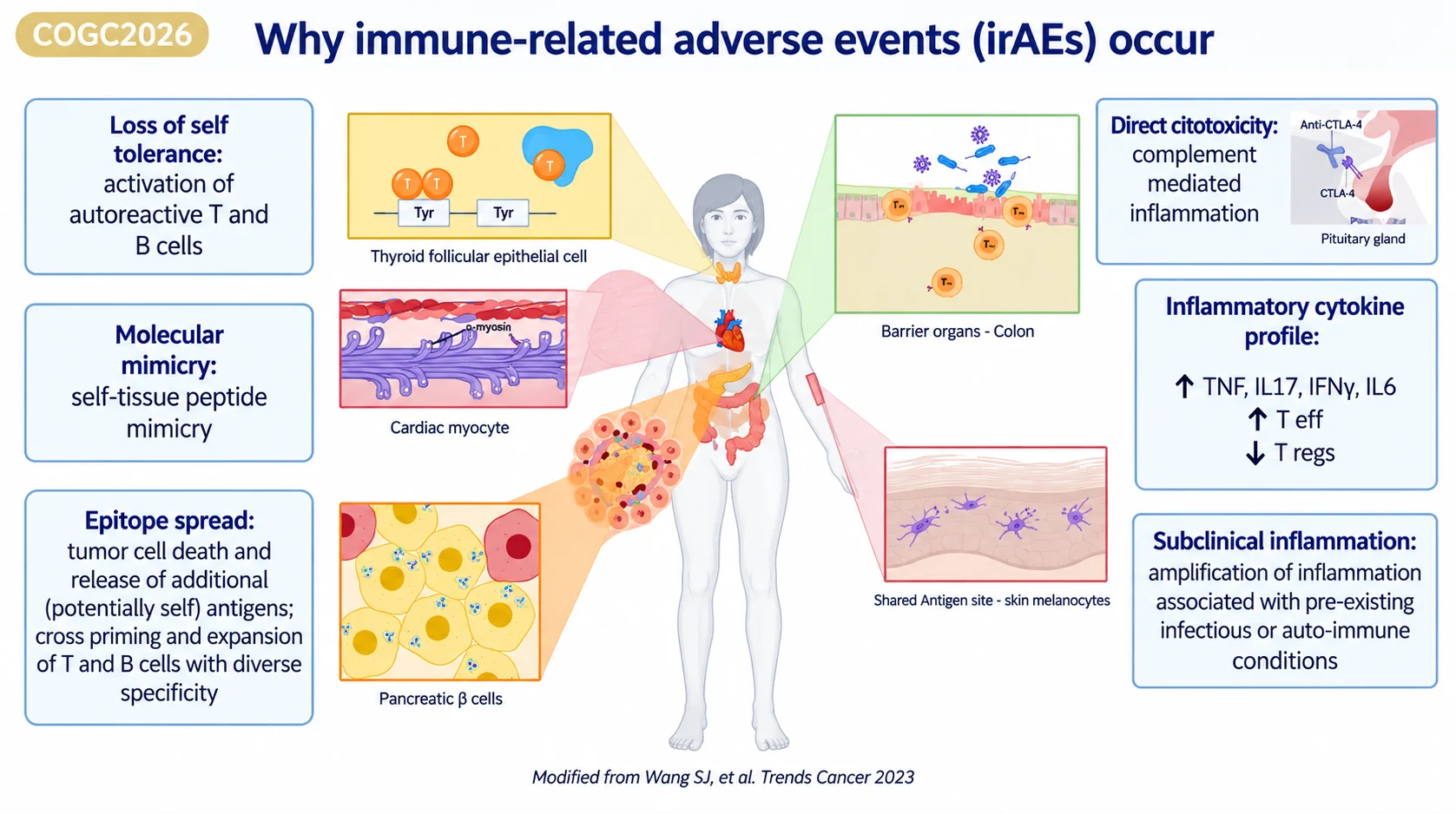
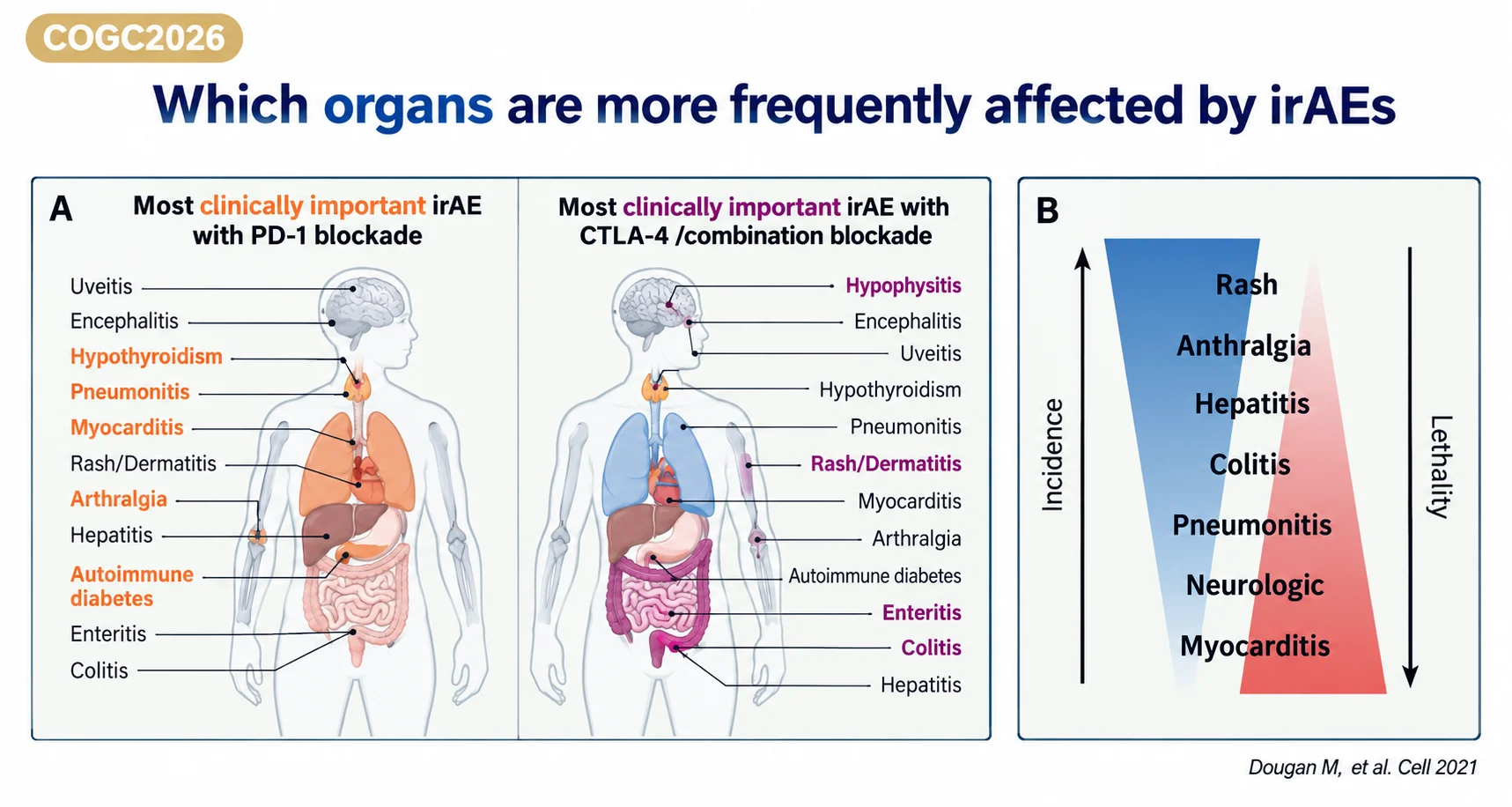
Some organs are more frequently affected, for example the endocrine organs or barrier organs such as the skin and gastrointestinal tract. There are also different patterns of immune-related adverse events depending on the immune checkpoint inhibitor we use.
Of course, there is a higher frequency and greater severity when these agents are used in combination. Fortunately, the most frequent adverse events are also usually the mildest, while the most serious and potentially lethal toxicities, such as cardiac and neurologic toxicity, are quite rare.
There are several guidelines providing recommendations on the diagnosis and treatment of immune-related adverse events. The problem common to many of these guidelines is that the level of evidence is relatively low.
There are no dedicated prospective trials for many of these toxicities, so much of what we know comes from retrospective studies, case reports, and case-control studies. As a result, the grade of recommendation can be quite low, particularly for the rarer toxicities.”
The Four Pillars of Management
“There are four main pillars in the management of immune-related adverse events.
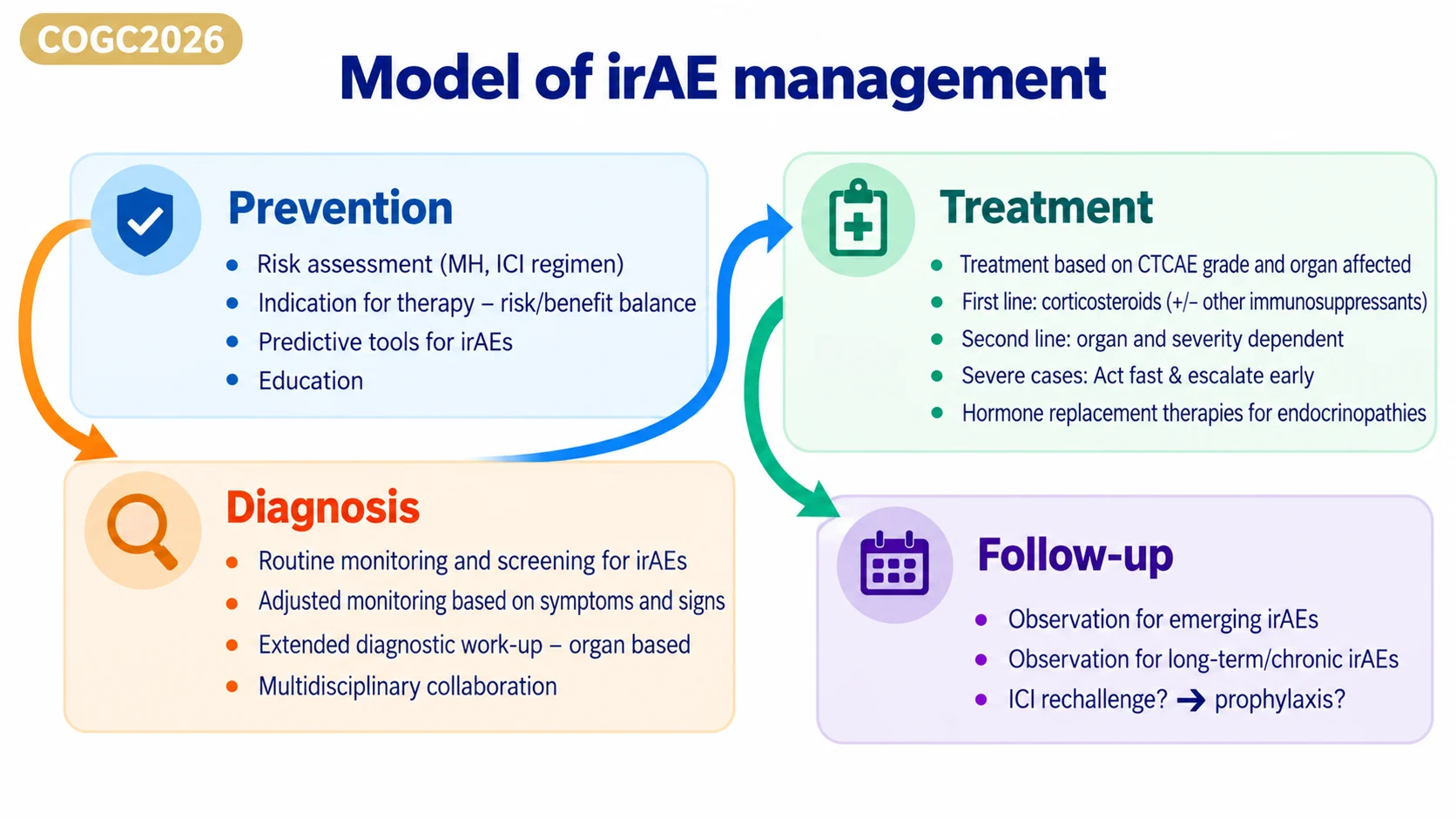
In most cases, we cannot prevent them, but we can perform a thorough assessment of the patient’s risk before starting treatment. We should also educate patients and caregivers about the possible onset of adverse events and what symptoms they need to report.
Patients should then be routinely monitored and screened for immune-related adverse events. If new symptoms develop, they should be evaluated appropriately and, when necessary, discussed in a multidisciplinary setting together with the relevant organ specialist.
Treatment is usually based on corticosteroids as first-line therapy. If the adverse event does not respond adequately, treatment should be escalated, and second-line immunosuppressive therapies may be required. These drugs are often used within referral centers because their selection depends on the organ affected and on the suspected underlying mechanism.
After the adverse event resolves, follow-up remains important because some toxicities can become chronic. Corticosteroids need to be tapered appropriately, and in some cases we also have to decide whether immune checkpoint inhibitor therapy can safely be resumed.”
Where Management Becomes More Difficult
“The choice of second-line treatment is usually made in referral centers.
There are several drugs that can be used, but many of them are not easily accessible and require specific expertise in their prescription and use.
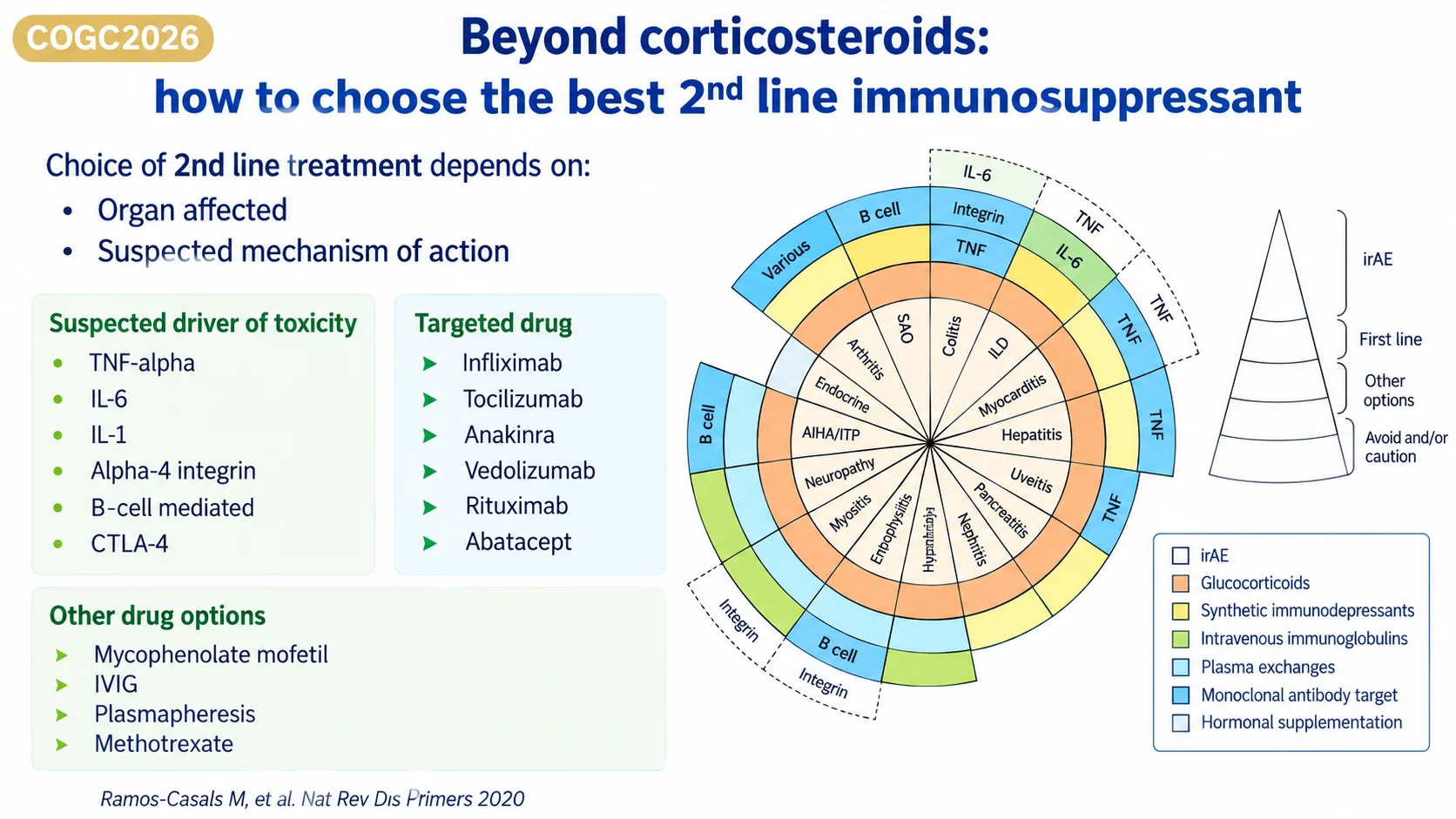
So what are the barriers to managing these toxicities outside academic centers?
There may be difficult access to organ subspecialists or a lack of multidisciplinary evaluation. There can be limited access to advanced diagnostics, restricted availability of second- and third-line immunosuppressive therapies, and less familiarity with the diagnosis and treatment of rare immune-related adverse events.
These are all important limitations when we are deciding what can safely remain local and what should be referred.”
Cardiac Toxicity as a High-Risk Warning Sign
“I chose cardiac toxicity as an example of what can become particularly challenging outside referral centers.
Cardiovascular toxicity is something we have learned much more about over the last several years. It is not only myocarditis; there are several cardiac-related adverse events, although myocarditis is certainly one of the most concerning.
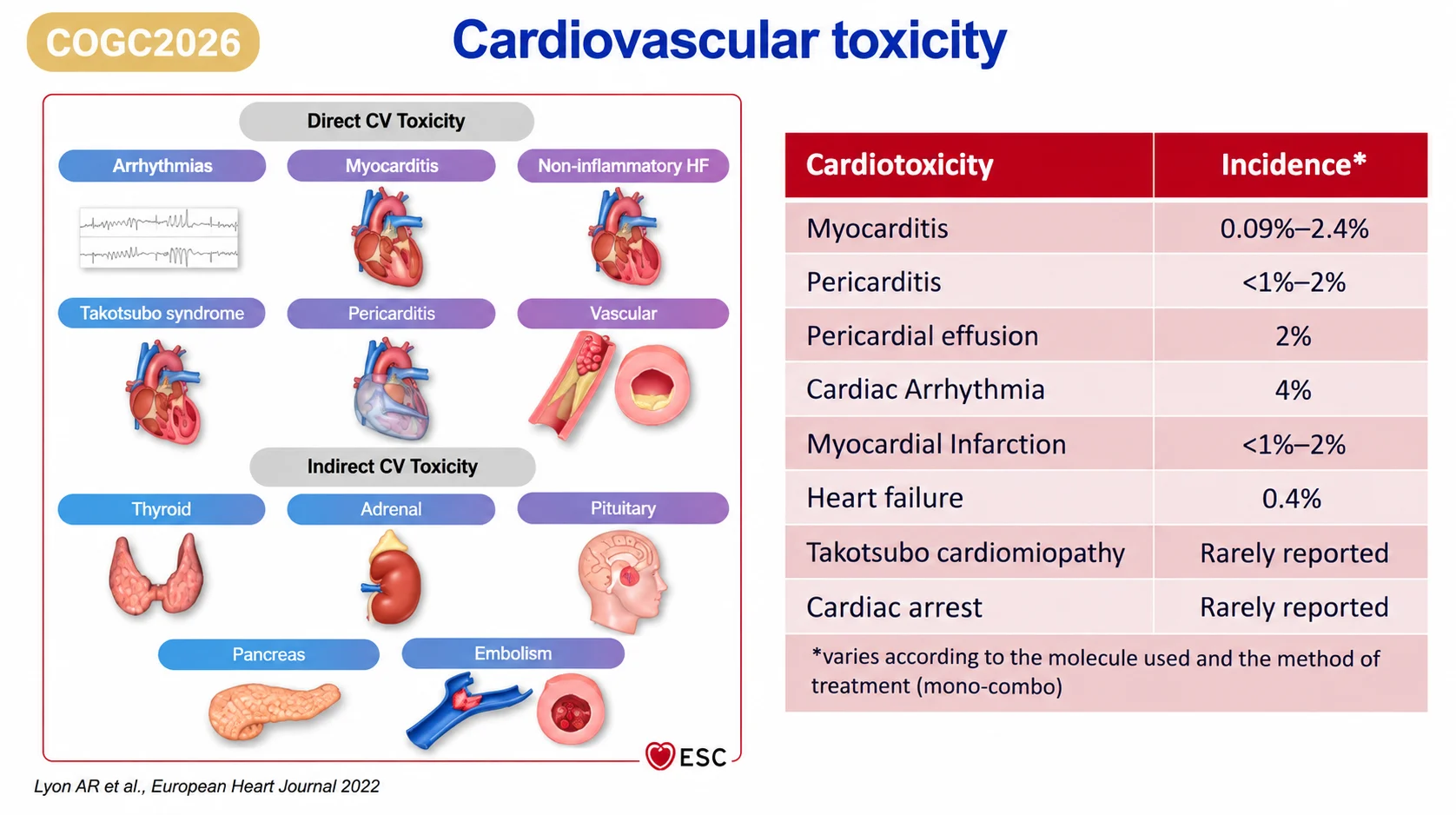
It is relatively rare, but it has a high mortality rate.
It is more frequent when immune checkpoint inhibitors are used in combination, particularly ipilimumab and nivolumab, and it tends to occur within the first one to two months after treatment initiation.
Guidelines for baseline assessment and monitoring recommend stratifying patients according to whether they are at lower or higher risk of developing cardiovascular toxicity. Importantly, many of these baseline assessments can be performed quite easily at the local level.
One thing we should always rule out in a patient developing new cardiac symptoms is the overlap of myasthenia gravis, myositis, and myocarditis.
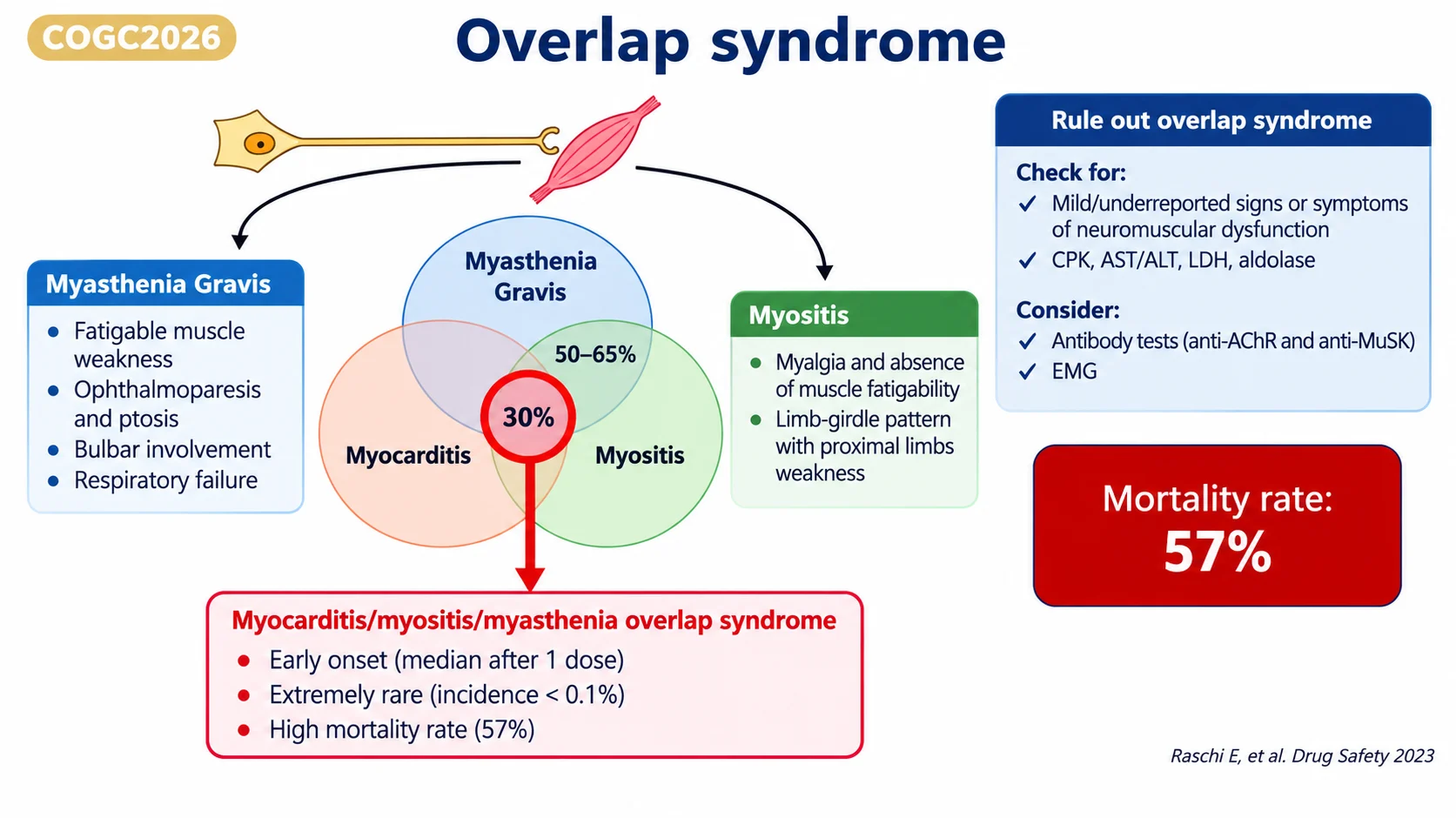
Around 30% of patients with myocarditis may have this so-called overlap syndrome, which is a very serious condition with a high mortality rate.
The management of myocarditis should be prompt. It should be suspected in any patient developing new cardiac symptoms, a new increase in troponin, or new ECG abnormalities.
The baseline assessments are generally accessible. What may not be easily available outside referral centers are cardiac MRI, endomyocardial biopsy, and in some cases angiography.
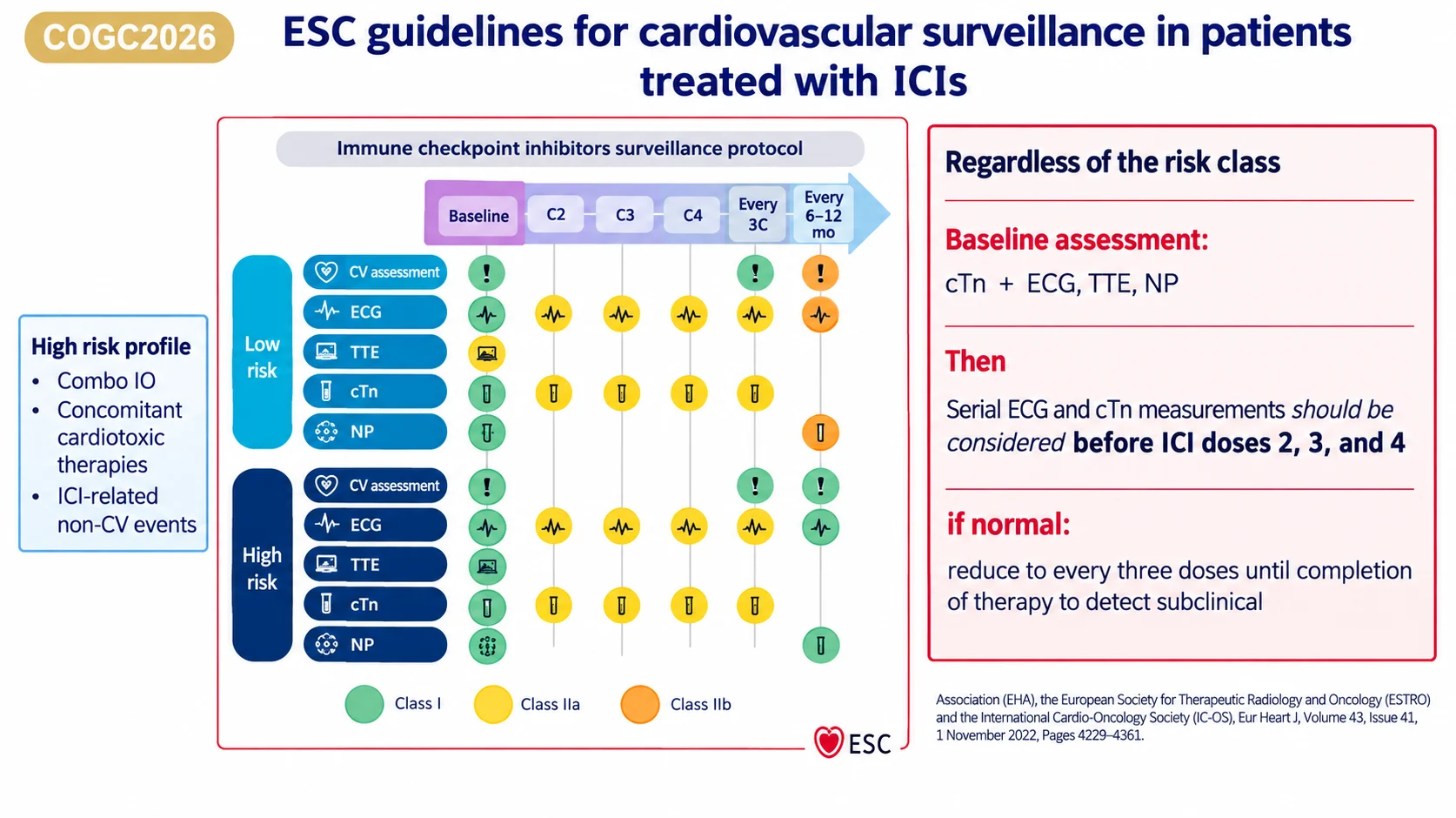
If there is a suspicion of immune checkpoint inhibitor-related myocarditis, the patient should be hospitalized and a cardiology consultation should be obtained. The next question is then where that patient can be treated safely.
The mainstay of treatment is high-dose intravenous corticosteroids together with appropriate cardiac supportive care.
Non-steroidal immunosuppressive therapy, such as abatacept, may need to be considered in referral centers for patients who are refractory to corticosteroids alone. It can also be considered in patients presenting with pulmonary symptoms or hemodynamic instability.”
What Can Stay Local and What Should Be Referred
“So how do we decide what can be managed locally and what needs urgent referral?
As a general rule, if a patient has grade 1 or grade 2 toxicity involving a single organ and is responding to first-line corticosteroids, that patient can often be managed locally.
- If there are new cardiac symptoms or signs, the patient should always be hospitalized and cardiology consultation should be obtained.
- If there is an overlap of neurologic or respiratory symptoms, the patient should be referred immediately, and ICU-level monitoring should be considered.
- And very importantly, if there is no improvement during the first days of adequate corticosteroid treatment, or if the patient has grade 3 or higher toxicity, referral to a specialist center should be considered.”
Early Escalation Can Change Outcomes
“There was a very interesting study evaluating two different approaches in patients with immune checkpoint inhibitor-related myocarditis.
One group was treated with the standard approach of corticosteroids and plasmapheresis. The other group received lower-dose corticosteroids together with abatacept, and ruxolitinib was added in cases of respiratory muscle involvement.
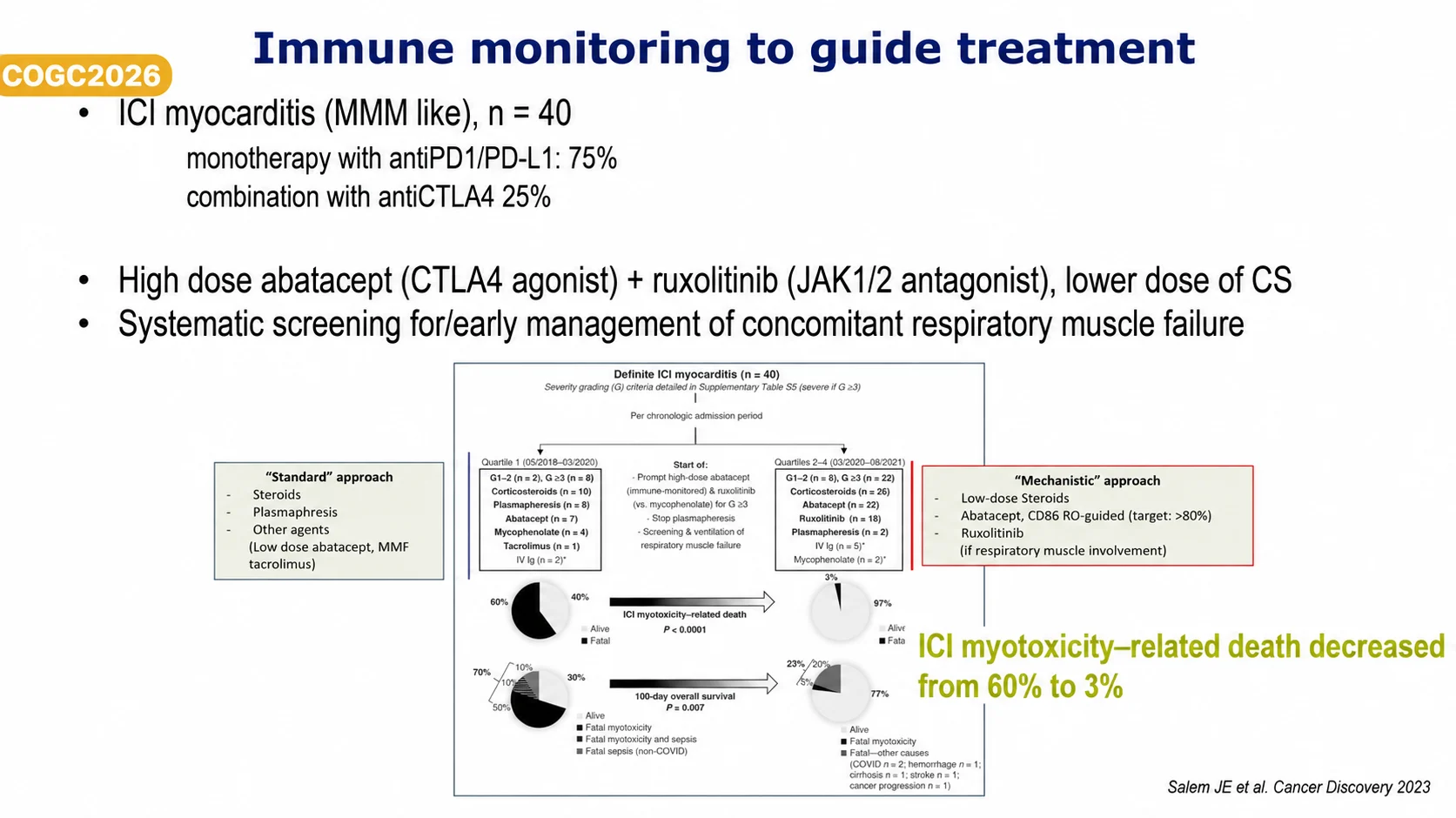
With this approach, deaths related to immune checkpoint inhibitor-associated myotoxicity were significantly reduced.
This is an example showing that if we intervene properly, intervene very early, and use the right drugs, we can save patients and significantly reduce immune checkpoint inhibitor-related mortality.
Another example was a multidisciplinary tumor board based in Belgium that evaluated and discussed patients with immune-related adverse events.
I think this shows that establishing a national multidisciplinary immunotoxicity board is feasible.
It can be done virtually, which is very convenient for both patients and physicians, and it can function on a national basis.
This can also be an example of what we can build within our own centers, regions, and countries.”
Know the Red Flags, and Know When to Refer
“To conclude, the mainstay of managing immune-related adverse events is to act fast, use the right dose of corticosteroids, and escalate early.
Guidelines are important, but we also need to understand how these recommendations can be applied outside specialist referral centers.
We should know our limits. We should know the red flags. And we should refer patients to an academic or referral center when there is no response to treatment or when severe toxicity develops.
Building a network is extremely important. Sometimes that network can exist inside the hospital, and sometimes it needs to extend beyond it.
Drug availability, affordability, and implementation remain major barriers outside academic centers – and sometimes even inside them.”
Written by Eliz Baloyan, MD, Features Writer and Editor at OncoDaily and CancerWorld