





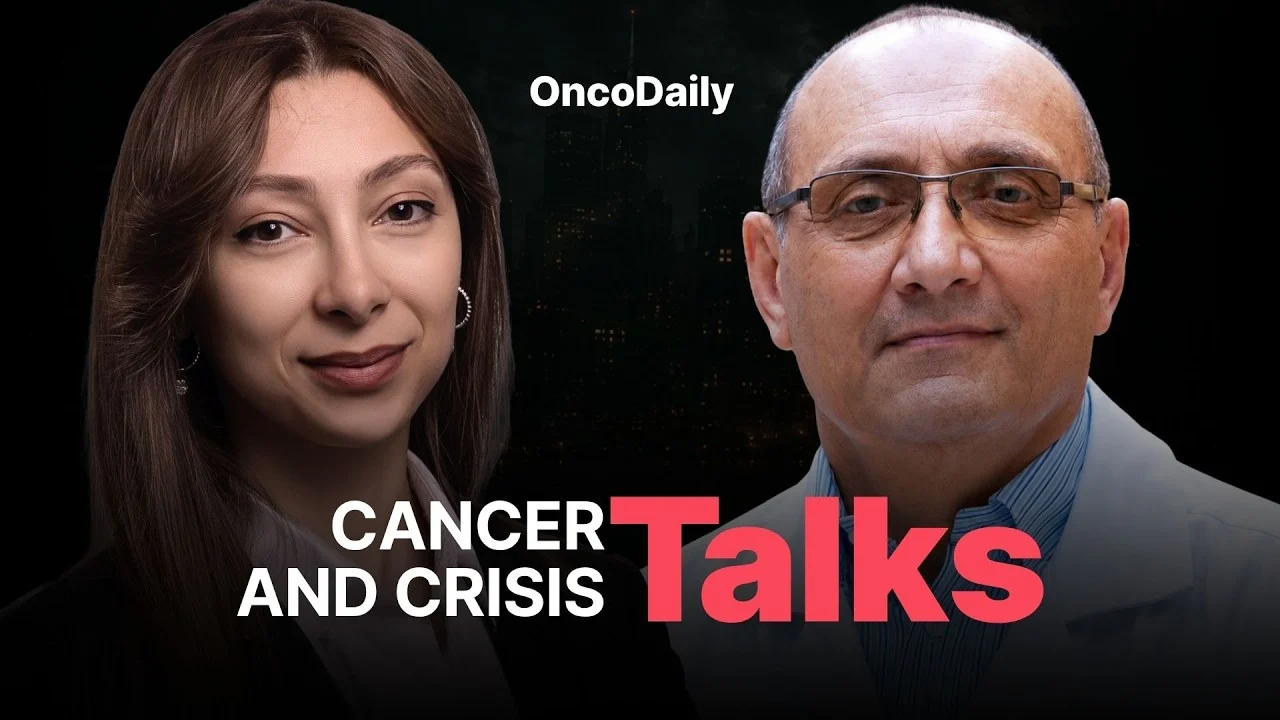
In this episode of Cancer and Crisis Talks on OncoDaily, host Dr. Jemma Arakelyan, speaks with Prof. Jacek Jassem, MD, PhD, Professor Emeritus of the Department of Oncology and Radiotherapy, Medical University of Gdansk, Poland, about the intersection of oncology, healthcare systems, and humanitarian crises.
Professor Jassem reflects on his remarkable career in oncology, beginning in Poland in the 1970s when cancer care faced limited resources, low cure rates, and fragmented systems. He explains how his experiences shaped his belief that oncology is not only about treating disease, but also about addressing inequality, fear, and systemic failures within healthcare.
The conversation explores the evolution of cancer care in Poland, including progress in modern therapies, molecular diagnostics, clinical research, and international collaboration. The discussion also focuses on the biggest challenges facing modern oncology today, such as inefficient care coordination, delays in diagnosis, workforce shortages, fragmented diagnostics, low participation in screening programs, and the growing importance of survivorship and patient-centered care. Professor Jassem shares why better organization and integration across healthcare systems may be even more important than technology alone.
A major part of the interview centers on the humanitarian response following the outbreak of war in Ukraine in 2022. Professor Jassem describes how Polish oncology centers rapidly organized care for Ukrainian refugees with cancer, ensuring continuity of chemotherapy, radiotherapy, and systemic treatments despite overwhelming logistical challenges. He discusses language barriers, missing medical documentation, emergency coordination efforts, international cooperation, and the creation of support systems for vulnerable patients navigating unfamiliar healthcare environments during wartime.
The conversation also highlights lessons learned from the refugee crisis, including the need for humanitarian competence in oncology education, the importance of communication and cultural sensitivity, ethical decision-making during crises, and the role of international solidarity in cancer care. Professor Jassem explains how crisis-driven innovations improved efficiency and demonstrated that oncology systems must be prepared to operate in unstable and rapidly changing environments.