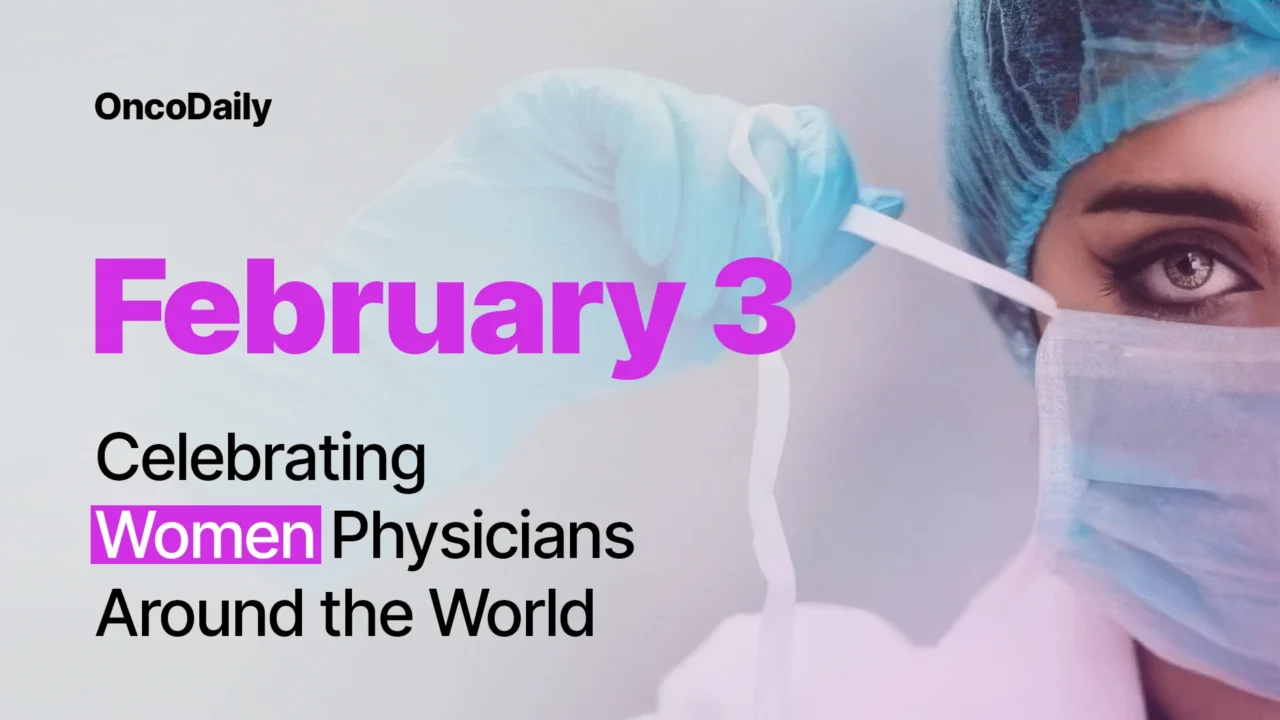
”Behind every white coat is a woman who chose healing over ease, resilience over rest. Today we see you, honor you, and promise to lift you higher”
National Women Physicians Day, observed annually on February 3, commemorates Elizabeth Blackwell, the first woman to earn a medical degree in the United States in 1849. This day highlights the enduring contributions of women physicians amid evolving healthcare landscapes.

Photo: Depositphotos
February 3 marks National Women Physicians Day, a tribute to Elizabeth Blackwell’s birthday and her groundbreaking achievement at Geneva Medical College despite widespread rejection from medical schools. Established in 2016 by the Physician Moms Group and Medelita, the observance celebrates progress in gender equity while addressing ongoing disparities like leadership gaps and pay inequities. Today, women comprise over half of U.S. medical students, yet they remain underrepresented in senior roles. This article explores their historical triumphs, modern impacts—especially in oncology—and paths forward, underscoring how diverse physician teams enhance patient outcomes and innovation.
Historical Background
Elizabeth Blackwell faced immense barriers, including societal norms barring women from medicine, before graduating in 1849 as the nation’s first female MD. Pioneers like Rebecca Lee Crumpler followed in 1864 as the first Black woman physician, advocating for underserved communities during the Civil War era. Women were largely excluded from formal medical education until the late 1800s, often training via apprenticeships or founding their own institutions.
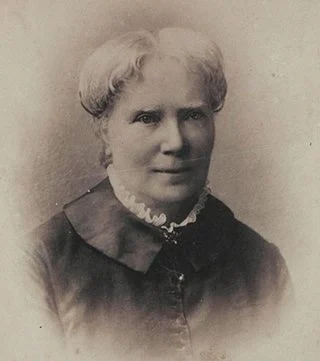
Dr. Elizabeth Blackwell
Modern Contributions
Women physicians now excel across specialties, including oncology, where they lead in immunotherapy and precision medicine trials. A 2017 Harvard study found patients treated by female doctors had lower mortality and readmission rates, attributing this to communication styles favoring holistic care. Notable figures include Nobel laureate Gerty Cori, who advanced cancer metabolism research, and Virginia Apgar, inventor of the Apgar score for newborn viability—tools still vital in oncology survivorship.
In biotechnology, women drive innovations like targeted therapies, with leaders at institutions like MD Anderson contributing to FDA approvals for breast and lung cancer drugs. Their emphasis on patient-centered research has accelerated clinical advancements, particularly in personalized oncology.
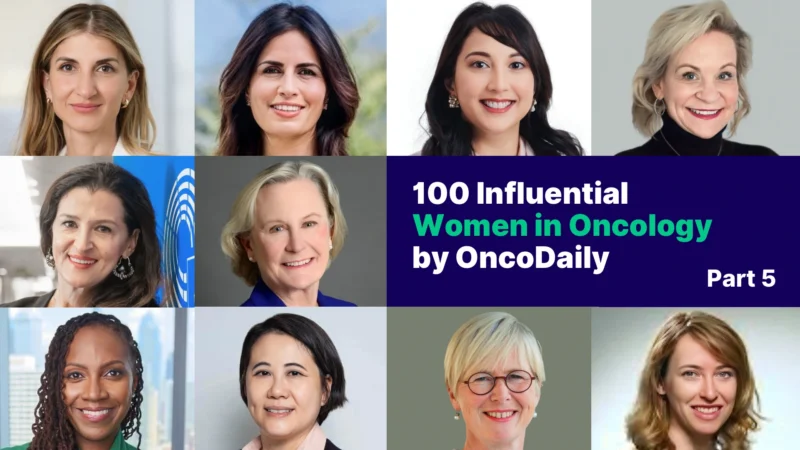
You Can Also Read 100 Influential Women in Oncology: Key Opinion Leaders to Follow on Social Media in 2025
Challenges and Equity
Despite gains, women physicians face persistent hurdles: they hold only about 18% of department chair positions and earn roughly 25% less than male counterparts for similar work. Work-life balance strains, exacerbated by family responsibilities, contribute to higher burnout rates. The AMA advocates for policies promoting mentorship and flexible schedules to foster equity, noting diverse teams yield better health outcomes, including in cancer screening and treatment adherence. Addressing these gaps remains crucial for comprehensive care.Women now comprise 50.5% of U.S. medical students (AAMC 2023)—a historic first achieved in 2017. They represent 37% of practicing physicians and 27% of oncology specialists (AMA 2024).
Ways to Celebrate
Mark the day by amplifying women physicians’ stories via #NationalWomenPhysiciansDay on social media, attending virtual webinars, or mentoring students in medicine. Profile local oncology heroes, host panel discussions on biotech innovations, or support organizations like the AMA’s Women Physicians Section. Simple acts like thanking a female doctor build momentum for equality. Engage today to inspire the next generation.
You Can Also Read Oncologist Near Me – Yelena Janjigian: A Global Leader in Gastrointestinal Oncology
Written by Aharon Tsaturyan, MD, Editor at OncoDaily Intelligence Unit