


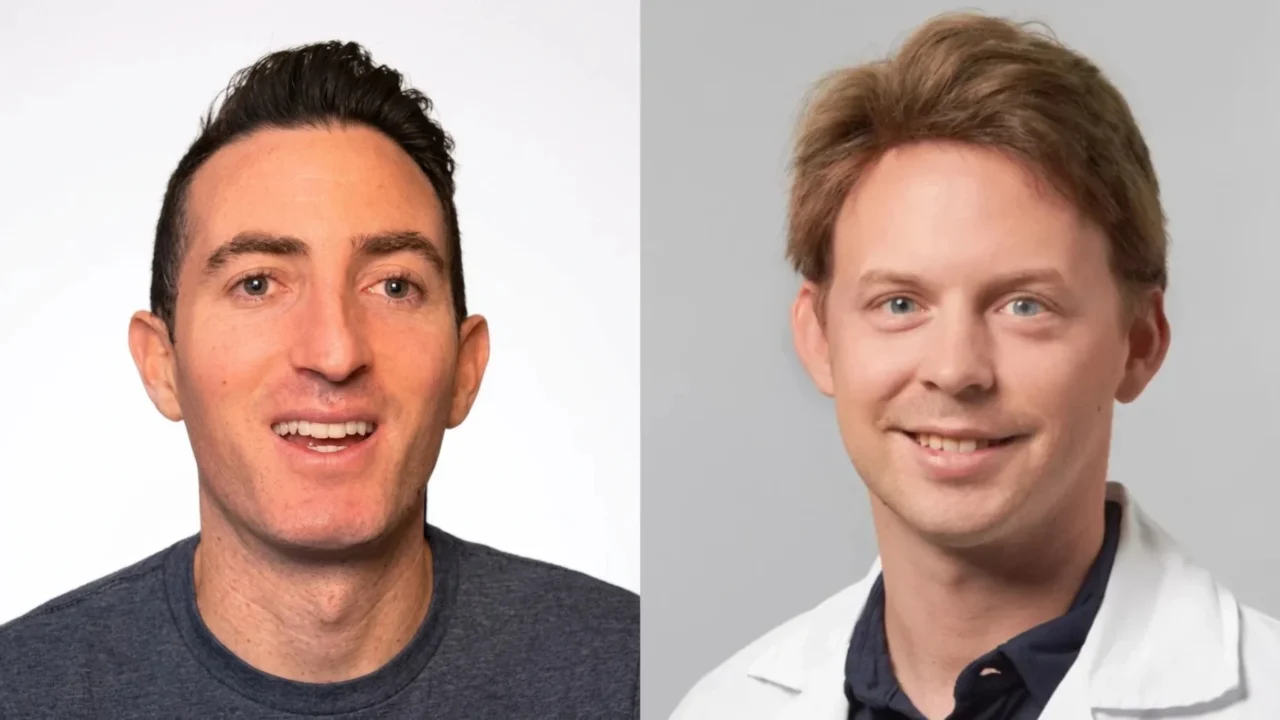
Mike Linn, Cancer Patient Advocate, shared Yannick Buccella’s, Gastrointestinal and Molecular Oncologist at City Hospital Zurich, post on X, adding:
“As science, medicine, and data progresses, we’re going to be able to have many more ‘n of 1′ treatments for cancer.
Right now, it’s still good to remember that even though the treatments aren’t as individualized, your case is still N of 1.
I’ve had stage 4 melanoma 3 times.
All 3 times were small metastases in lymph nodes, and nothing else (except the primary, obviously).
Of course, metastatic melanoma in its current treatment environment is still crazy deadly, and my body and I are playing with fire non-electively.
But my treatments and recovery have me sitting in a third remission with a great prognosis. There are tons of reasons why, and at the moment, I have to just say they all contribute.
But AI and other medical tech are going to allow us to show how I and other people have gotten through this situation, and our ‘luck’ (which is definitely luck right now) will be transmuted to more certainty.
Also, what a position of privilege (and probably hubris) for me.
I’m just past 15 months into remission number 3, which is still pretty precarious given my history.
But damn, I feel pretty good about things in our future.”
Quoting Yannick Buccella’s post:
“‘Stage 4 cancer’ gets heard as a death sentence, but it isn’t one.
It’s a description of location. Staging answers a single question: where is the cancer?
Stage 4 means it has spread beyond the organ it started in, and nothing more than that.
It doesn’t tell you how aggressive the tumor is, what drives it or how long someone has. We hear it as a verdict because for a long time it mostly was, and that has changed unevenly.
Metastatic testicular cancer is cured in around 90% of men, and advanced Hodgkin lymphoma is similar, both were near-uniformly fatal a few decades ago. Colorectal cancer that has spread to the liver or lungs can sometimes be removed surgically, with people disease-free a decade later.
Metastatic melanoma used to kill within months and now has patients off treatment years on with clean scans.
Ofc, for several cancers, stage 4 remains incurable: Pancreatic cancer in that stage won’t be cured for most patients despite recent progress.
But incurable and untreatable are different words, and confusing them costs people time they could have had.
When you look up survival statistics, you are reading history: a 5 year figure published today describes people diagnosed seven to ten years ago and treated with what existed then.
Where treatment has moved fast, that number is systematically pessimistic about the person sitting in front of me, because the patients living the current numbers haven’t been counted yet.
So the questions that matter aren’t about the number.
What’s the molecular profile of the tumor, is there a targetable driver, is there a trial, can anything be removed or radiated?
Stage 4 is where the cancer is. It isn’t how long you have.”
Other articles from Mike Linn on OncoDaily.