


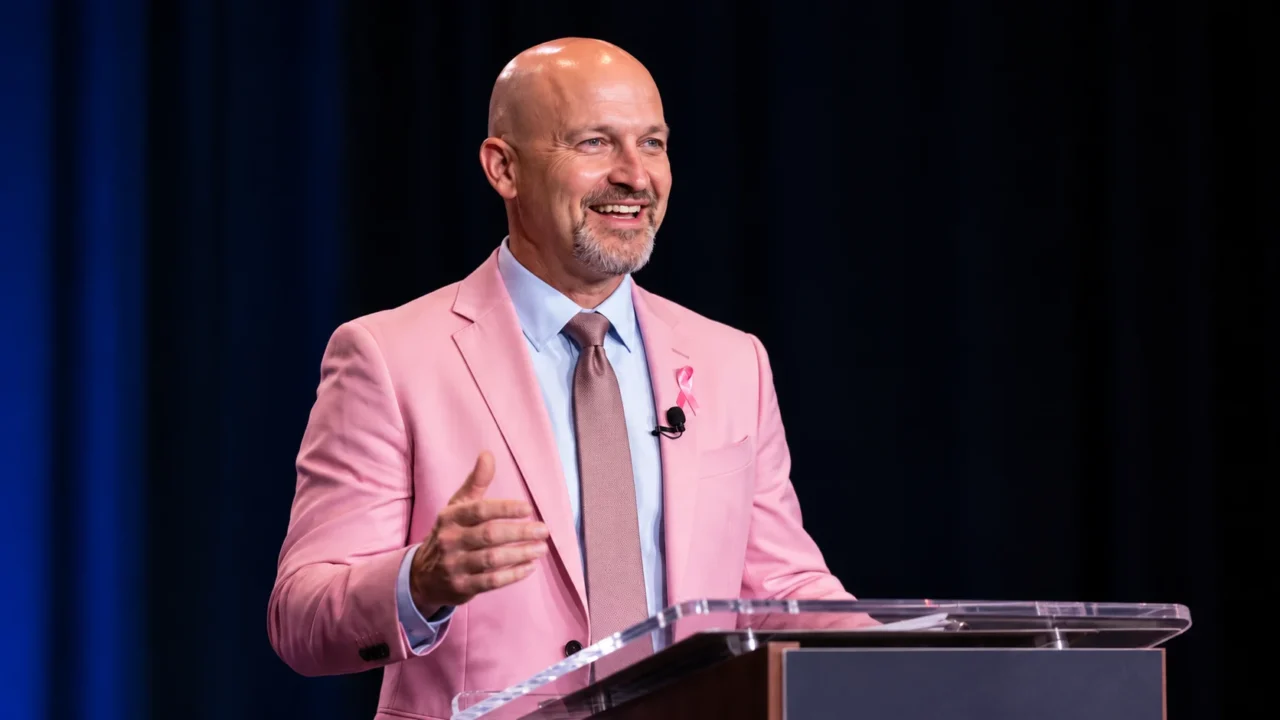
Matt Sherer, Oncology Service Line Strategy and Cancer Center Operations leader, shared on LinkedIn:
“If clinical trials are truly a strategic priority, why do so many cancer programs still treat them like a side initiative?
We talk about trial enrollment goals, research growth, and innovation. But in many organizations, research remains disconnected from how care is actually delivered.
Over the years, I’ve seen cancer programs invest heavily in expanding trial portfolios yet struggle to grow accrual because the operational infrastructure never evolved alongside the strategy.
Clinical trial growth is not just a research goal. It is an access, equity, physician alignment, and service line strategy.
Recent work from ASCO’s State of Cancer Care in America Special Report 2025 and ACCC reinforces what many oncology leaders already know: access remains one of the greatest barriers to participation.
Approximately 70% of U.S. counties lack an active cancer treatment trial, limiting opportunities for patients to participate in research close to home.
That reality highlights why academic-community partnerships matter.
Expanding access is not simply about opening more studies. It is about bringing research closer to where patients receive care.
Yet many cancer programs still treat trial growth as a physician engagement challenge. In reality, most clinical trial challenges are operational integration challenges.
Research becomes scalable when it is embedded in physician workflows, patient identification and screening, research staffing, navigation, regulatory support, technology, financial sustainability, and executive accountability.
The future of cancer research will be built through partnerships that combine academic centers’ research infrastructure with community programs’ patient access, trusted relationships, and geographic reach.
But these partnerships only succeed when they become shared operating models.
Governance. Workflows. Staffing. Technology. Funding. Accountability.
Clinical trials cannot sit at the edge of the cancer program. They must be integrated into how care is delivered, resources are allocated, and access is expanded.
Clinical research becomes scalable when it is operationalized, not merely encouraged.”
Other articles about Clinical Trials on OncoDaily.