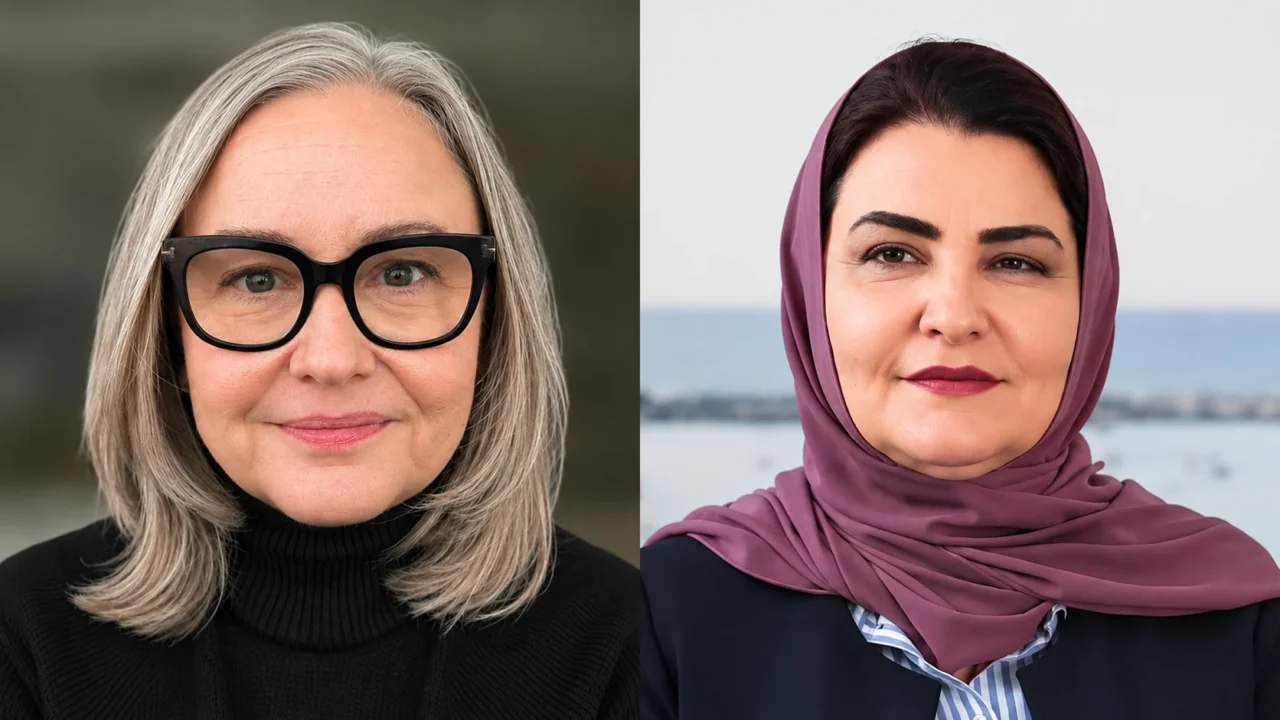
Carolyn Taylor, Global Cancer Lived Experience Advocate, shared on LinkedIn:
“It is heartbreaking to read these words from a dear friend and fellow patient advocate, knowing how tirelessly they have worked to ensure that people with cancer in Palestine are not forgotten.
Cancer is difficult enough to face under the best of circumstances. No one should have to fight for their life while also fighting for access to the most basic elements of care, safety, and dignity.
I have enormous respect for my friend Eman’s compassion, courage, and unwavering commitment to the people she serves, even in circumstances that are almost impossible to comprehend.
Behind every statistic is a person, a family, and a life that matters. We cannot allow their humanity to become invisible.
Thank you for continuing to bear witness and for reminding us what patient advocacy truly means. I stand with you, my friend.”
Eman Shannan, Founder of Aid and Hope; Honorary Chairperson of We Want Life and the Egyptian Council of Patient Advocates (ECPA), added:
“I often say that if injustice cannot be avoided, it should at least be distributed fairly.
But as Palestinian patients, we are not even afforded that luxury.
A cancer patient in Gaza fights more than the disease. They fight for a hospital that is still standing, medicines that are still available, essential scans, and a referral that may never come.
When treatment stops, cancer does not wait.
Some patients waited months for medical evacuation, only to be transferred too late. Others crossed borders with fragmented medical records, missing scans, and no clear treatment history. Forced to start over in unfamiliar health systems, they must navigate treatment while struggling to secure housing, medicines, and basic necessities for families who have lost everything.
And some never made it out at all.
Palestinian patient advocacy was forged under occupation, siege, repeated wars, and mass displacement. We documented, navigated, accompanied, and advocated. We refused to let patients become invisible as the systems meant to protect them collapsed.
Their suffering is not a footnote to the war. It is one of its clearest measures.
The question is no longer whether the world knows. It is whether the world is willing to act.”

About Cancer Care Access in Gaza
Cancer patients in Gaza continue to face major barriers to diagnosis, treatment and medical evacuation amid severe disruptions to healthcare services.
In September 2026, the World Health Organization (WHO) warned that patients with cancer were unable to receive treatment and called for improved humanitarian access, medical supplies and equipment.
These challenges extend beyond the availability of cancer medicines. Patients requiring specialized treatment outside Gaza also depend on functioning referral systems, medical evacuation arrangements and continuity of care.
You can also read: