


CANCaRe Africa shared on LinkedIn:
“Today is Day 2 of our Zero Abandonment working meeting in Jimma, Ethiopia.
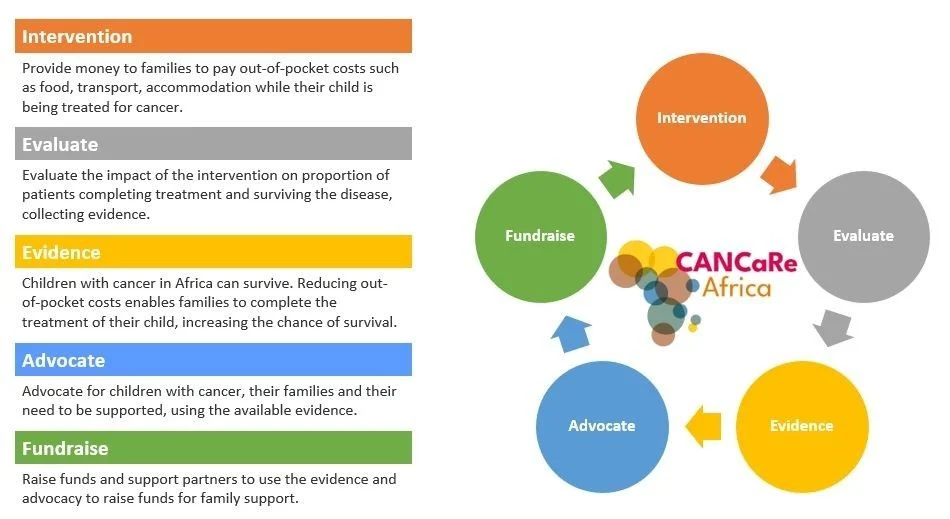
Today, we will split into smaller groups to work on the different elements of our positive cycle:
- sharing our intervention results through scientific papers and abstracts (evidence);
- developing advocacy posts to raise awareness.
At the same time, we will reflect on the lessons learned from Phase I and discuss the implementation strategy for Phase II, with a focus on sustainability and scaling up.
Our positive cycle is simple but powerful:
- intervene,
- evaluate,
- build evidence,
- advocate
- and fundraise – so we can reach more families and help more children complete their cancer treatment.
Together, we can make Zero Abandonment a reality!”
About Zero Abandonment
The Zero Abandonment initiative in Ethiopia, led by CANCaRe Africa (the Collaboration for Evidence and Research in Care of Childhood Cancer in Africa), is a targeted clinical and public health effort focused on eliminating treatment abandonment among children diagnosed with cancer.
In low- and middle-income countries (LMICs), treatment abandonment – defined as a patient failing to return for planned protocol therapy for 4 consecutive weeks or longer – is one of the single greatest contributors to avoidable childhood cancer mortality. Even when effective chemotherapy, surgery, and supportive care protocols are available at tertiary medical centers such as Jimma University Medical Center in Ethiopia, families face severe structural barriers, including:
- Catastrophic Out-of-Pocket Expenses: Costs associated with travel, temporary lodging near referral centers, and lost daily wages for working parents.
- Geographic Isolation: Multi-day journeys from rural agrarian regions to central specialized oncology facilities.
- Information Asymmetry and Stigma: Misconceptions surrounding the curability of pediatric malignancies, often leading to reliance on non-medical alternatives when early treatment side effects appear.
Without targeted supportive infrastructure, these factors result in high rates of therapy discontinuation, converting potentially curable oncological diagnoses into fatal outcomes.
You can also read: Alejandra Mendez: Participate in a Workshop to Ensure That No Child Has to Abandon Cancer Treatment