





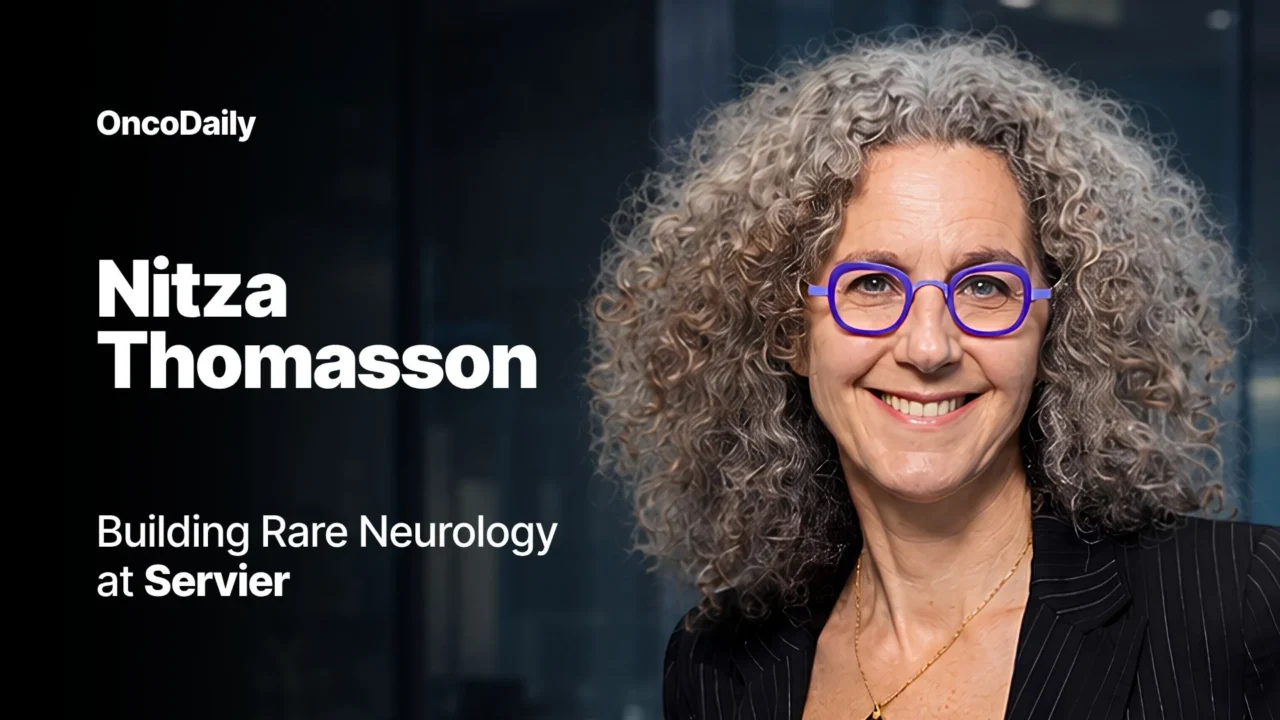
Servier is expanding its commitment to rare neurological diseases by building a dedicated research and development strategy focused on conditions for which treatment options remain limited or entirely unavailable.
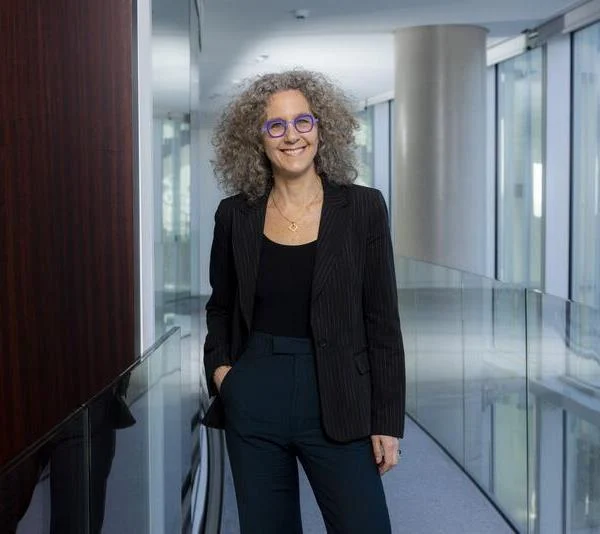
Nitza Thomasson, Executive Director and Global Head of R&D Neurology at Servier, is leading the company’s efforts to establish the therapeutic area, strengthen its scientific capabilities, and accelerate the development of new treatments for patients and families affected by rare neurological disorders.
A Career Journey Returning to Neurology
When Servier’s leadership approached Thomasson at the end of 2024 with the opportunity to build the company’s rare neurology therapeutic area, the position represented a return to a longstanding professional passion.
Earlier in her career, she led biological and clinical studies in neurology before moving into entrepreneurship. She later co-founded BrainEver and GenSight Biologics and advised pharmaceutical and biotechnology companies on drug development strategies.
While entrepreneurship and consulting offered valuable opportunities, Thomasson sought to return to the complete process of medicine development—from scientific strategy and clinical investigation to the long-term work required to bring a treatment to patients.
She joined Servier in March 2025 with a mandate to shape the company’s rare neurology R&D strategy and advance new therapeutic options for patients with serious neurological diseases.
Building the Team and Pipeline Together
Establishing a therapeutic area from the ground up requires the simultaneous development of both scientific programs and organizational capabilities.
For Servier, these efforts are closely connected. A strong pipeline depends on experienced and collaborative teams, while talented researchers and drug developers require meaningful scientific programs around which they can build.
Servier currently has three neurology drugs in its development pipeline. Its areas of interest include rare refractory epilepsies, rare movement disorders, neuromuscular disorders, genetically driven autism spectrum disorders, leukodystrophies, and peripheral neuropathies.
The company has also strengthened its neurology portfolio through the recently completed acquisition of Edgewise Therapeutics’ neuromuscular dystrophy pipeline.
Where Uncertainty Becomes the Starting Point
Rare neurology is defined by significant scientific and clinical uncertainty. Many of the diseases involved affect relatively small patient populations, have complex underlying biology, and lack established treatment pathways.
For patients and families, that uncertainty is part of daily life. Many live with severe and progressive conditions for which treatment options remain scarce or nonexistent.
Their resilience and determination provide a strong source of motivation for those working in the field. At the same time, the need to respond to their expectations carries considerable responsibility.
Working in rare neurology therefore requires humility, courage, and a sustained commitment to the shared objective of developing meaningful therapies.
Every Disease Demands a Different Approach
There is no single development model that can be applied across rare neurological diseases.
Although previous scientific and clinical experience provides an important foundation, every condition presents distinct biological mechanisms, patient needs, trial-design challenges, and regulatory considerations.
This diversity requires development teams to remain curious, creative, and adaptable. Established approaches must frequently be reconsidered as new evidence emerges.
The objective remains consistent: to identify rigorous and innovative development pathways that can bring effective treatments to patients more quickly and efficiently.
Creating a Rare Neurology Mindset
Scientific expertise is essential, but it is only one part of developing treatments for rare neurological diseases.
The field also requires a mindset that accepts uncertainty, questions conventional approaches, and maintains a clear focus on the needs of patients and families.
Such a culture develops through experience, collaboration, and a shared sense of purpose. As new colleagues and teams join Servier, they bring different perspectives, professional backgrounds, and ways of working.
Combining those experiences can help create an organization that is stronger than any individual team or discipline.
Leadership Built on Trust and High Expectations
Building a new therapeutic area also requires an environment in which team members feel trusted, supported, and able to grow.
For Thomasson, leadership involves setting high expectations while providing clear communication, honest feedback, mentorship, and recognition of each person’s contribution.
This balance becomes particularly important during challenging periods. Drug development is a long and uncertain process, and teams must remain connected to both their scientific goals and one another.
A strong internal culture can provide stability while supporting the creativity, discipline, and persistence required to advance complex development programs.
Another Step Closer to Servier’s Ambition
Servier’s rare neurology mission is centered on delivering meaningful outcomes for patients who continue to wait for life-changing therapies.
The company’s growing pipeline and recent portfolio expansion represent important steps in that direction. However, Thomasson emphasizes that long-term confidence comes not only from transactions or development timelines, but from the team being assembled to carry the work forward.
As new colleagues join the organization, Servier has an opportunity to combine different experiences, scientific perspectives, and cultures around a common purpose.
With patients and families at the center of that mission, the company aims to establish a rare neurology organization capable of making a lasting difference.
Written by Nare Hovhannisyan, MD
More articles like this are available on OncoDaily