





The Inserm Grand Prix is the highest scientific distinction awarded by the French National Institute of Health and Medical Research (Inserm). Presented annually, it honors an individual whose contributions to French scientific research have led to significant advances in human physiology, therapeutics, and health research.
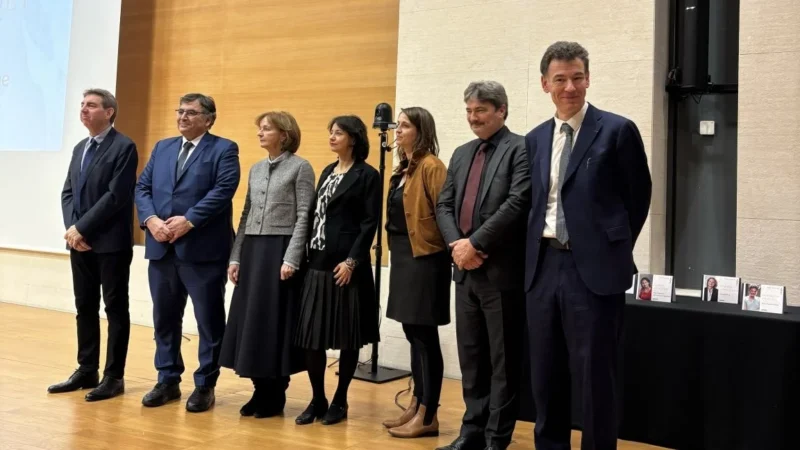
Among the five award recipients, Marina Cavazzana was the sole recipient of the 2026 Inserm Grand Prix, the institution’s highest distinction. Cavazzana received the award in recognition of her pioneering contributions to gene therapy, particularly in pediatric immunohematology and the treatment of rare genetic diseases.
Her scientific career has been marked by two landmark achievements that expanded therapeutic possibilities for patients with inherited blood and immune disorders.
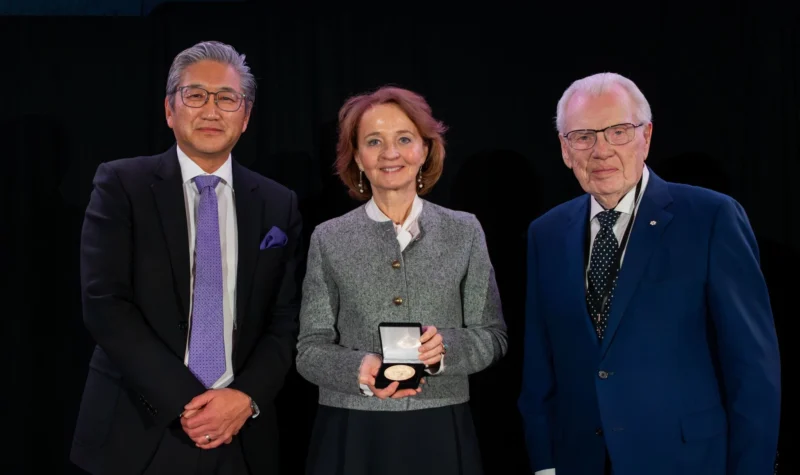
In a separate LinkedIn post, Marina Cavazzana reflected on receiving the 2026 J. Allyn Taylor International Prize in Medicine, recalling the early milestones that shaped her career in gene therapy:
“I think back to 1999, at the Necker-Enfants malades Hospital. Together with Alain Fischer and Salima HACEIN-BEY-ABINA, we achieved the world’s first clinical successes in gene therapy for children with severe combined immunodeficiency.”
Highlighting the subsequent advances in the treatment of inherited blood disorders, she added:
“Since then, our research has paved the way for safer vectors and new therapeutic approaches for other inherited blood disorders, including sickle cell anaemia and beta-thalassaemia.”
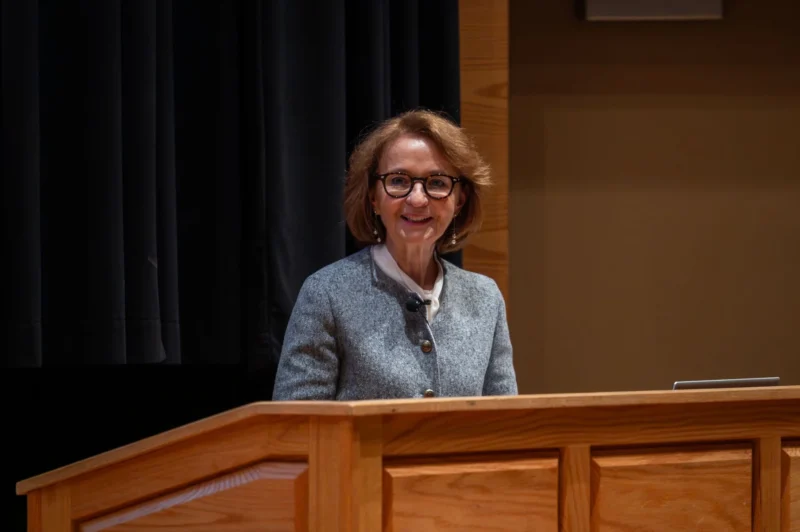
Cavazzana also emphasized the collective effort behind these scientific achievements:
“This is not an isolated discovery. It builds on the work of many remarkable people over decades.”
She concluded by reaffirming her commitment to patients:
“It encourages us to carry on, together, for the sake of all the children who are still waiting for treatment.”
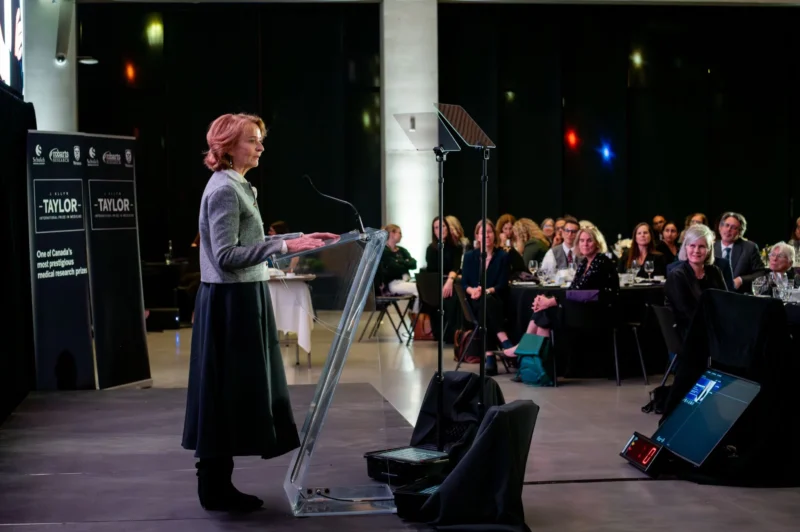
Philippe Baptiste congratulated Marina Cavazzana after presenting her with the 2026 Inserm Grand Prix at the Collège de France, highlighting her pioneering contributions to gene therapy and decades of commitment to children with severe genetic diseases.
“I’m very stubborn. When I think there’s a good idea, I never give up. »
These words from Marina Cavazzana sum up quite well the determination with which she devoted her career to research and her patients.
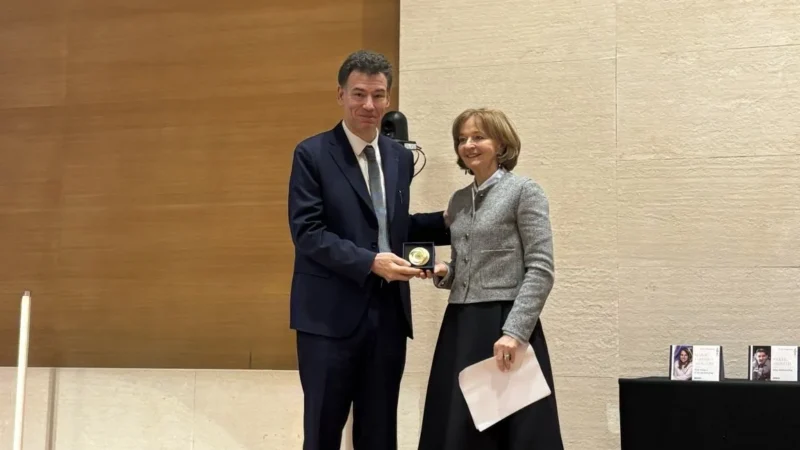
Reflecting on her career and dedication to patients, Philippe mentions:
“From Padua to the Necker-Enfants Malades hospital and the Imagine Institute, Marina Cavazzana has never lost sight of what underpins her vocation as a doctor and researcher: improving patients’ lives.”
Discover more articles like this on OncoDaily.
Written by Mane Hovhannisyan, Editor at OncoDaily.