Nutrition in Cancer Care: Closing the Gap Between Awareness and Action is a European white paper based on a large patient-reported survey examining how nutritional support is delivered to cancer patients during and after treatment across Europe. The survey included 2,505 cancer patients and survivors from 12 European countries, making it one of the largest datasets capturing patient perspectives on nutrition in oncology care. Juan Ventura, one of the contributors to this white paper, also participated during OncoThon 2026.

The findings reveal a substantial disconnect between awareness of the importance of nutrition and its practical implementation in healthcare systems. While approximately 70% of patients recognized that nutrition can support cancer treatment, only a minority received structured nutritional assessment, professional dietary counselling, or ongoing monitoring. Nutritional problems were common, with one in three patients reporting moderate to severe impacts on quality of life, yet only one in five underwent nutritional screening during treatment.
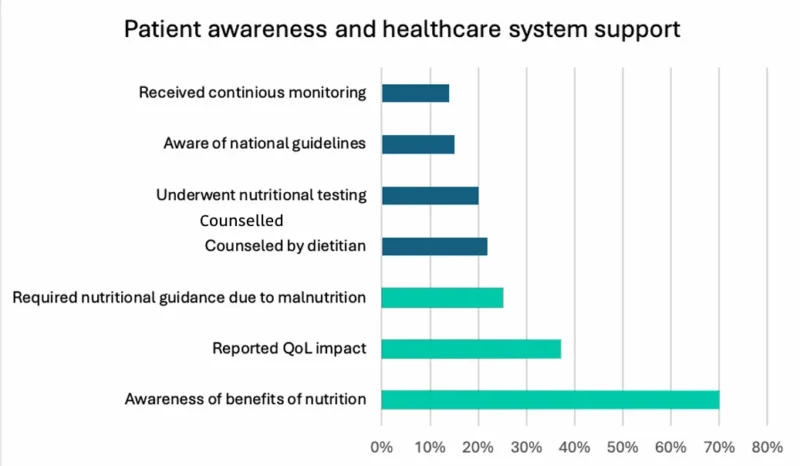
Post-treatment support was particularly limited. Although nutritional issues often persist beyond active therapy, only about 20% of patients received nutritional guidance after treatment, despite many reporting improved quality of life when support was provided. The white paper also highlights significant regional disparities, with Southern and Eastern European countries offering more structured nutritional support than Northern and Western Europe.
Key systemic barriers identified by patients included insufficient funding, lack of evidence-based guidance for healthcare professionals, and poor implementation of existing national guidelines. Over half of respondents felt that nutrition is still not considered a core component of cancer care within their healthcare systems.
This European white paper demonstrates a persistent disconnect between the recognized importance of nutrition and its integration into routine cancer care. Malnutrition should be addressed as a clinical priority, not an optional supportive measure. Standardized nutritional screening, access to dietitians, and structured follow-up must be embedded into oncology pathways across Europe. Coordinated action by policymakers, healthcare professionals, and patient organizations is essential to ensure that nutritional care becomes a funded, measurable, and equitable component of cancer treatment and survivorship.