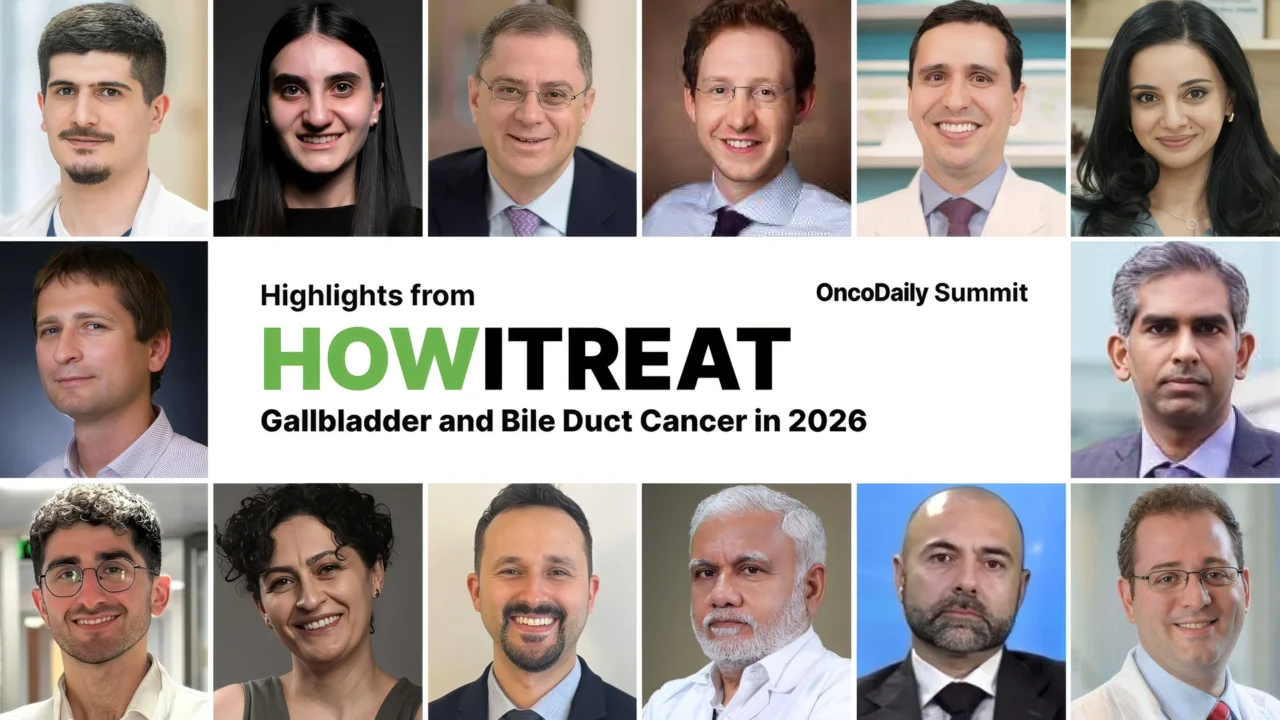
During Gallbladder and Bile Duct Cancer Awareness Month, on February 28, OncoDaily hosted a global virtual congress titled “How I Treat Gallbladder and Bile Duct Cancer in 2026.” The four-hour live summit brought together 11 international experts from 7 countries, from Poland to Brazil, to discuss the latest advances in hepatobiliary oncology, focusing on screening, early diagnosis, multidisciplinary management, and future directions in treatment and prevention.
Broadcast live on the X platform, the event attracted a global audience of clinicians, researchers, and oncology trainees, generating more than 45,000 views and extensive engagement from the oncology community worldwide.
The summit was designed as a practical, experience-based discussion of real-world management in 2026, covering the entire spectrum of gallbladder and biliary tract cancers, from early detection to advanced disease and emerging targeted therapies. Speakers shared clinical perspectives from diverse healthcare systems, highlighting both innovations in treatment and ongoing challenges such as access to molecular testing and targeted therapies.

A Global Perspective on Hepatobiliary Oncology
Gallbladder and bile duct cancers remain among the most challenging malignancies in oncology. Often diagnosed at advanced stages and associated with limited treatment options historically, these cancers are now entering a new era of precision oncology, targeted therapy, and multidisciplinary care.
Throughout the summit, experts emphasized several recurring themes:
- The importance of early and accurate diagnosis
- The growing role of molecular profiling
- Advances in minimally invasive and robotic surgery
- Rapid expansion of targeted and immunotherapy options
- The need for global collaboration and equitable access to care
By bringing together specialists in medical oncology, surgical oncology, pathology, and hepatology, the meeting illustrated how modern hepatobiliary cancer care increasingly depends on multidisciplinary decision-making.
Advances in Surgical Innovation
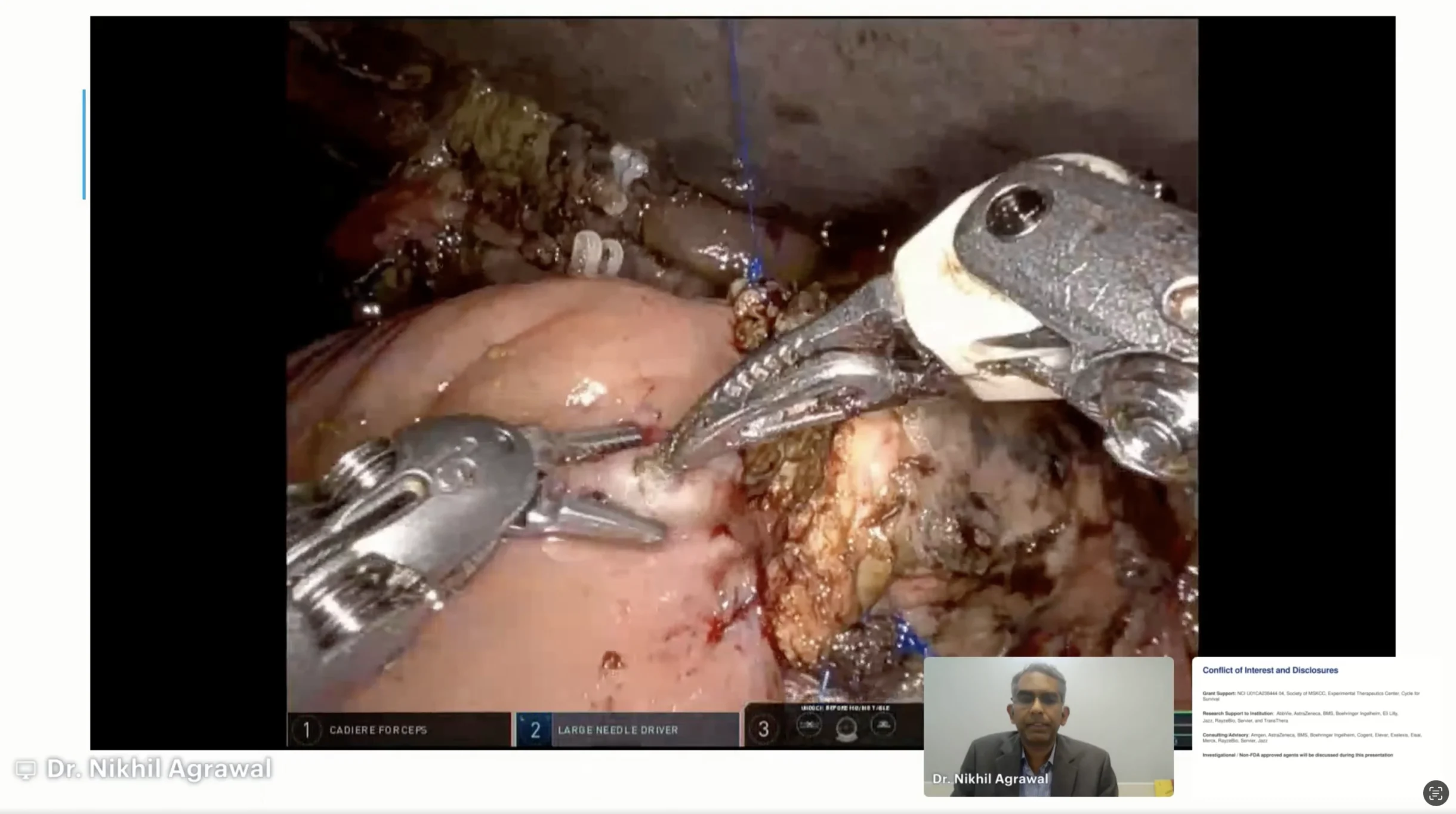
The summit opened with a presentation by Dr. Nikhil Agrawal, Lead GI-HPB Surgical Oncologist from Apollo Hospitals Delhi and Gurugram, who discussed the evolving role of robot-assisted surgery in gallbladder and bile duct cancers. Minimally invasive techniques, including robotic platforms, are increasingly being used for complex hepatobiliary procedures. These approaches may allow for greater precision, improved visualization, and potentially faster postoperative recovery, particularly in specialized centers with significant experience.
Surgical strategy remains a cornerstone of curative treatment for localized disease, and discussions highlighted the importance of appropriate patient selection and surgical expertise.
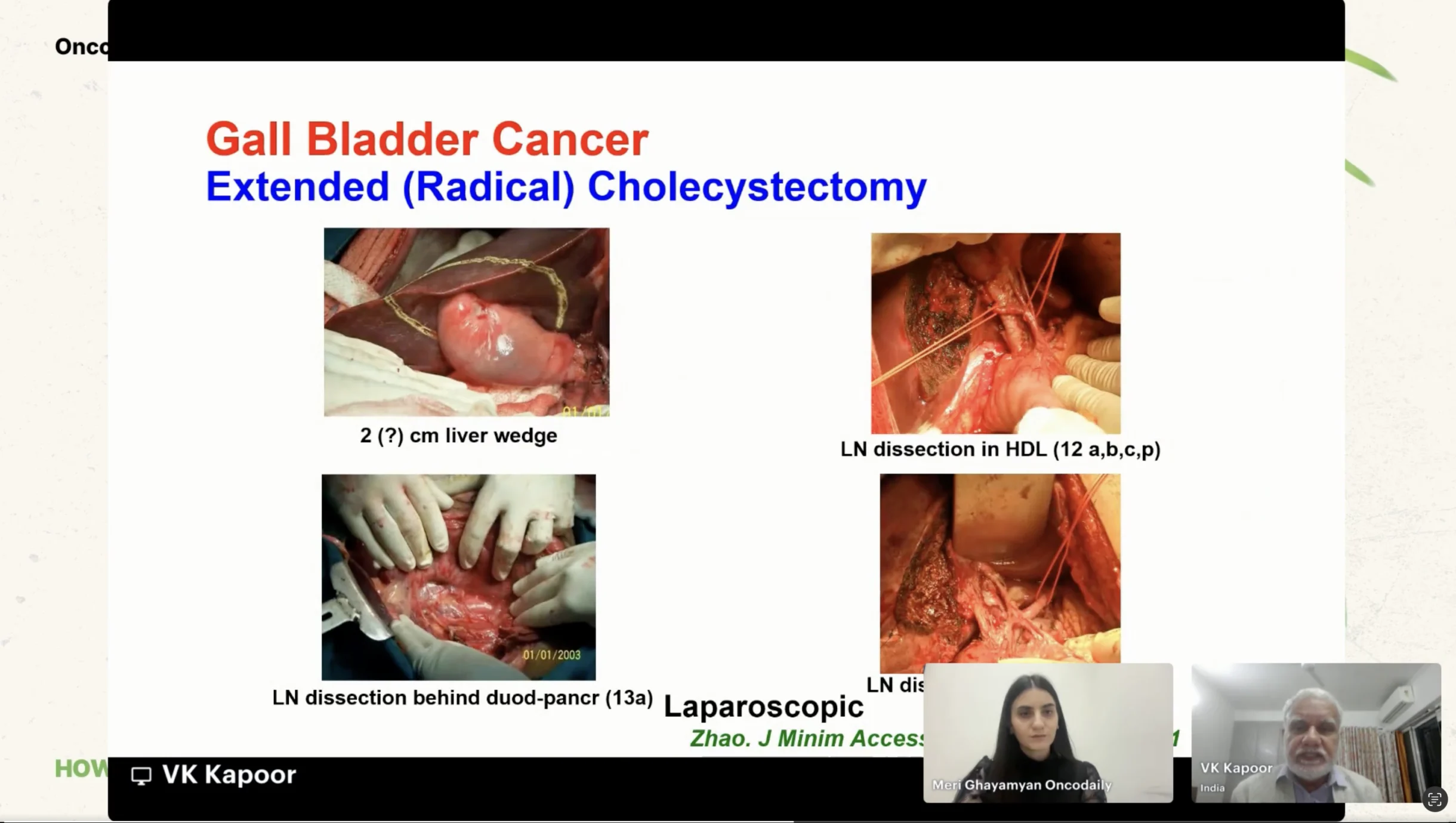
Further surgical insights were shared by Prof. Vinay Kumar Kapoor, Senior Professor of Surgical Gastroenterology at Mahatma Gandhi University of Medical Sciences & Technology (MGUMST), who presented his practical framework, “Ten Commandments in Gallbladder Cancer.” His talk focused on key principles in clinical decision-making, including careful staging, appropriate surgical margins, and multidisciplinary planning to optimize outcomes.
The Critical Role of Pathology and Diagnosis
Accurate pathological assessment remains essential in hepatobiliary oncology. Dr. Parandzem Khachatryan, Head and Chairwoman of the Department of Pathology YSMU, Co-founder of the Armenian-German scientific and practical center of pathology “Histogen”, discussed the modern morphological diagnosis of cholangiocarcinoma, emphasizing the importance of detailed histopathological evaluation in distinguishing between subtypes and guiding treatment decisions.
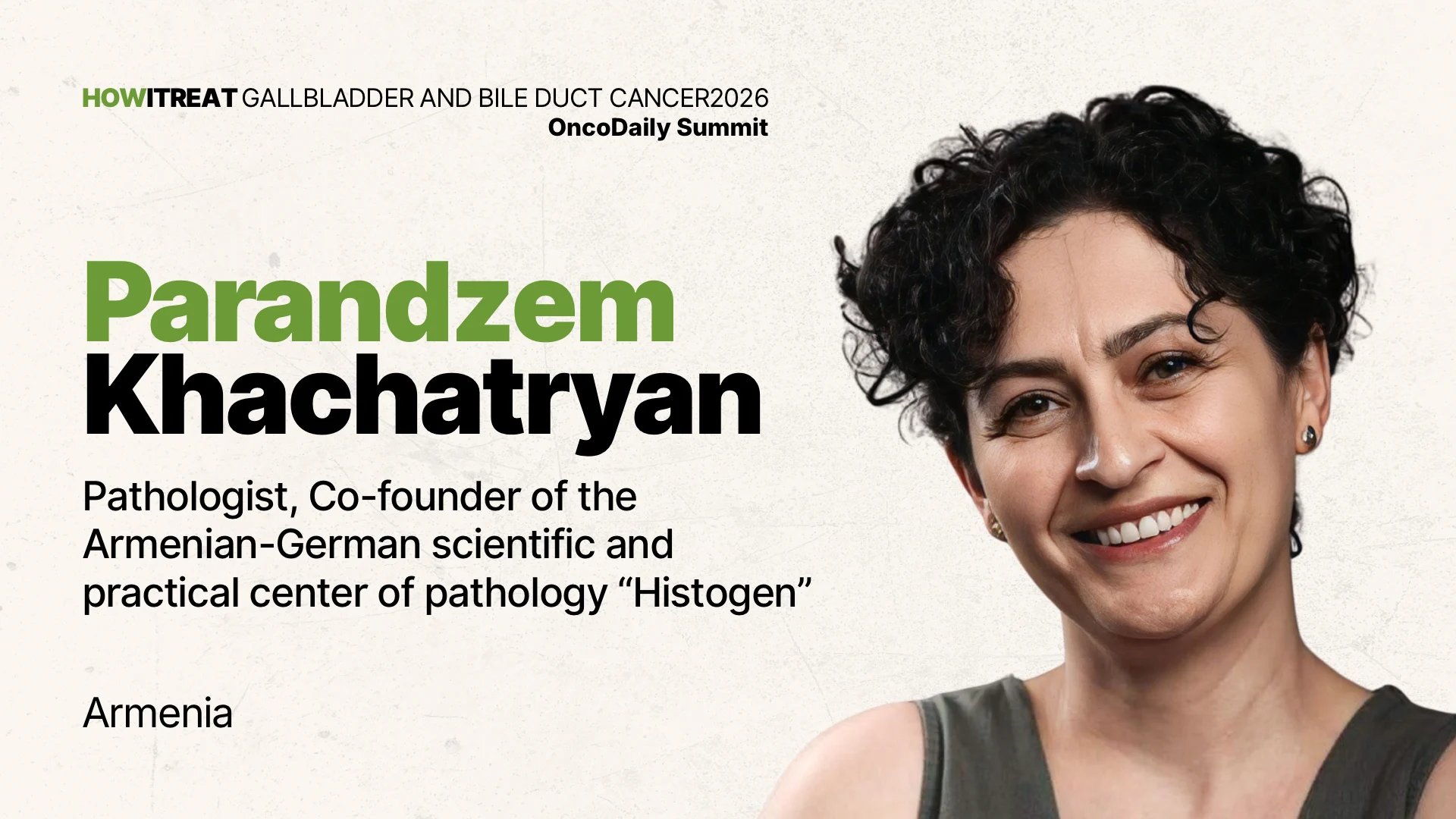
Advances in diagnostic pathology and molecular testing are increasingly helping clinicians identify targetable alterations, which are transforming the therapeutic landscape of biliary tract cancers.
Systemic Therapy in 2026
Systemic treatment for biliary tract cancers has evolved rapidly in recent years. Dr. Erman Akkus, Gastrointestinal Medical Ongolocist at Ankara Üniversitesi Tıp Fakültesi, presented a practical overview of how biliary tract cancers are treated in contemporary clinical practice, highlighting current standards of care and the integration of immunotherapy into frontline regimens.
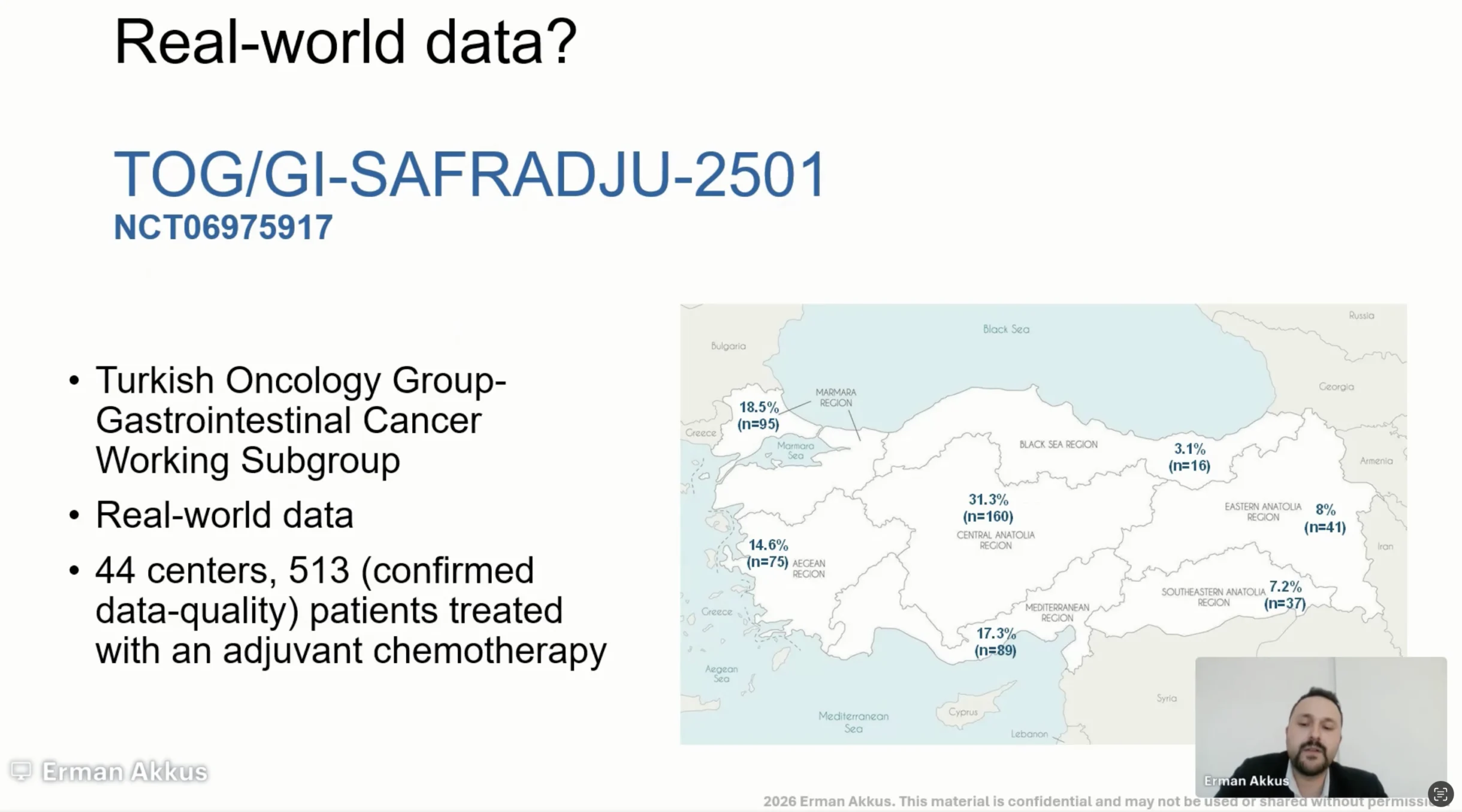
Expanding on this topic, Dr. Thatcher Heumann, Medical oncologist and Assistant Professor at Vanderbilt University Medical Center, discussed modern systemic therapy strategies, including the combination of chemotherapy with immunotherapy and the increasing use of targeted agents for molecularly defined patient subgroups.
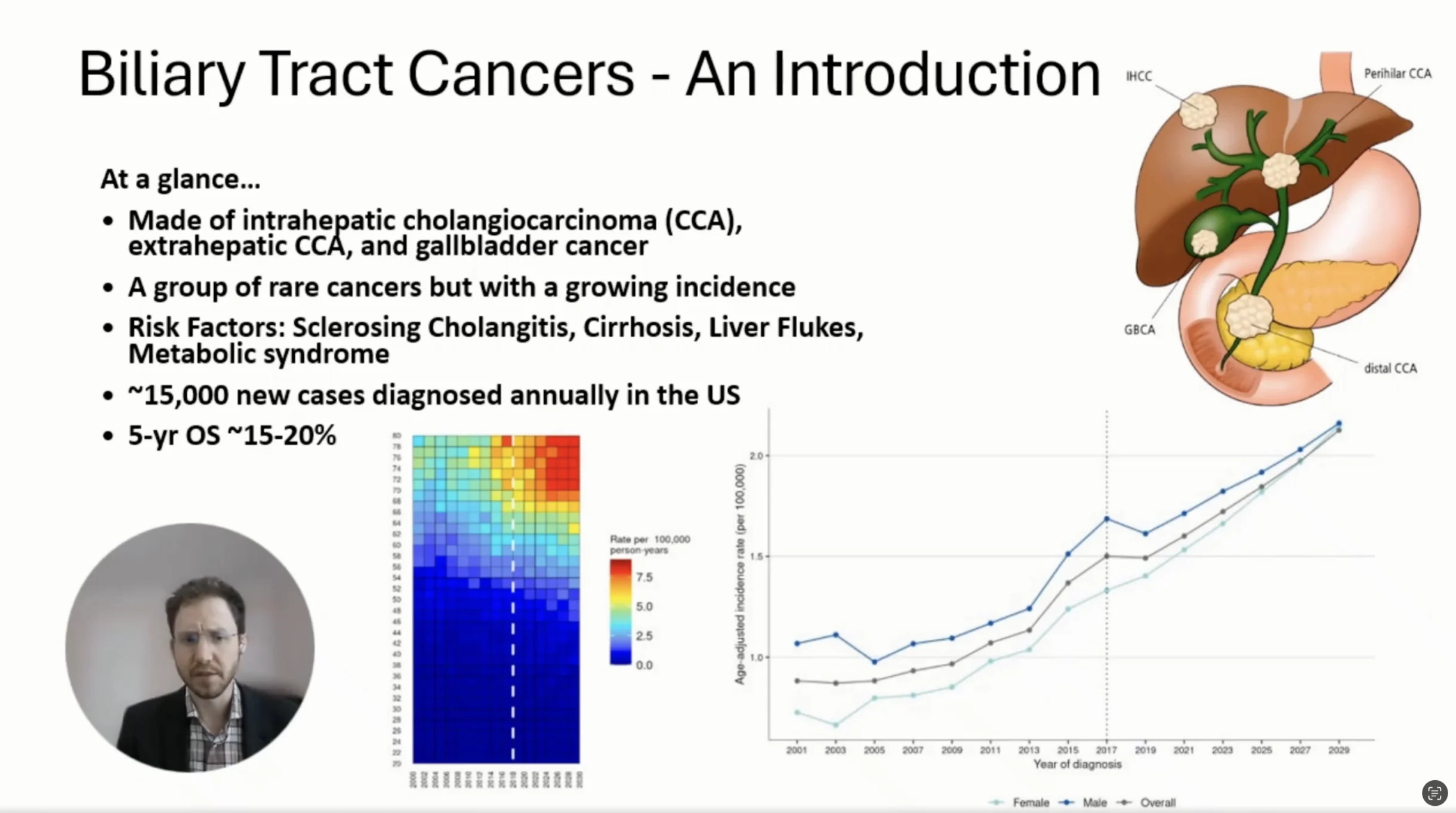
Experts emphasized that treatment decisions are increasingly guided by comprehensive genomic profiling, which is now recommended for most patients with advanced disease.
The Rise of Precision Oncology
One of the most exciting developments discussed during the summit was the emergence of targeted therapies for biliary tract cancers.
Dr. James Harding, Medical oncologist and researcher Memorial Sloan Kettering Cancer Center (MSKCC), presented the latest developments in HER2 and RAS targeted therapies, highlighting how molecular subtyping is reshaping treatment strategies. Historically considered a single disease entity, biliary tract cancers are now understood to be molecularly heterogeneous, with multiple actionable genomic alterations.
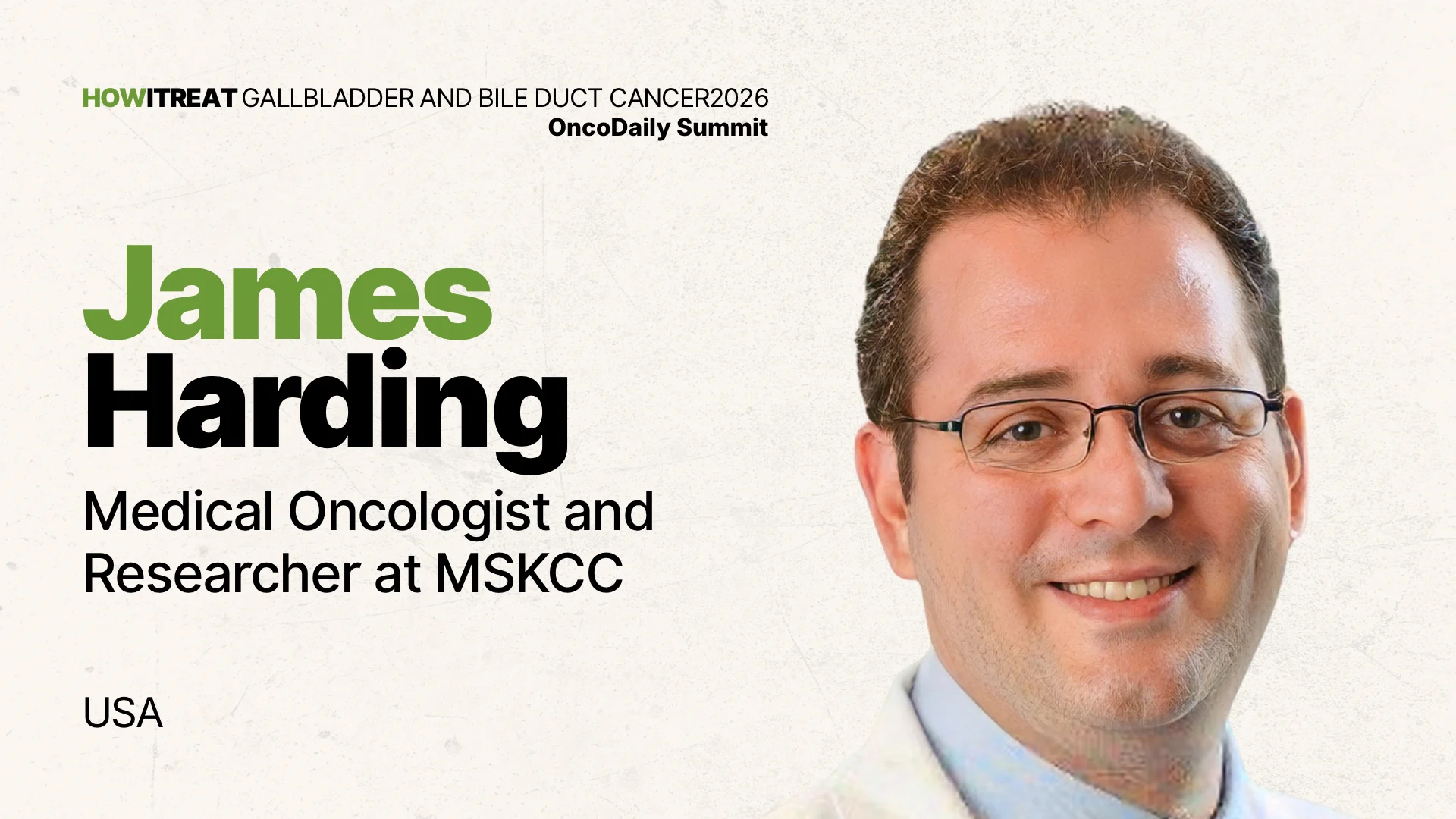
Targeted treatments directed against HER2, FGFR2, IDH1, and other pathways are rapidly expanding the therapeutic arsenal, offering new options for patients who previously had limited alternatives.
Expert Perspectives on Gallbladder Cancer Management
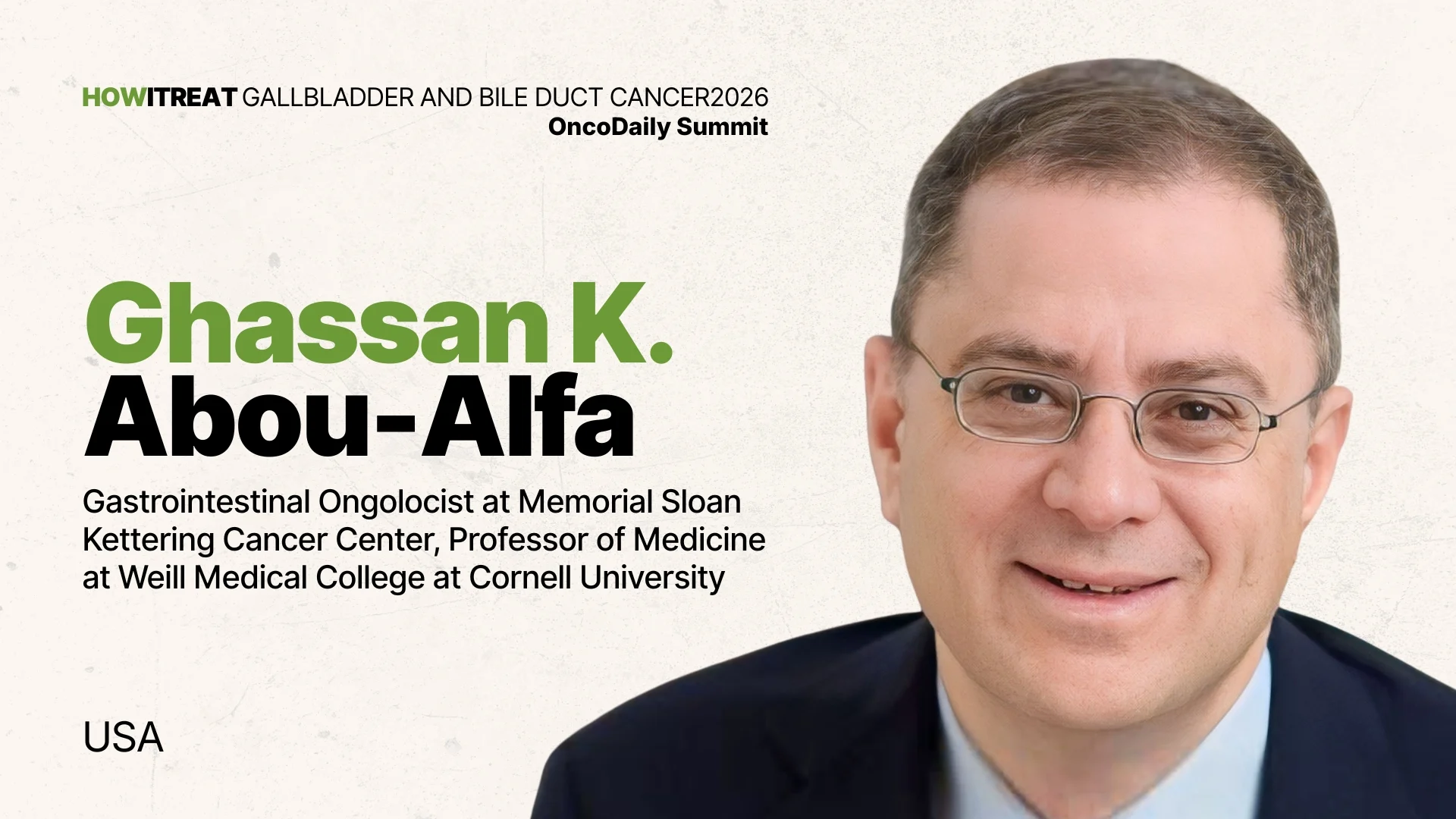
The clinical management of gallbladder cancer was also addressed in depth by Dr. Ghassan Abou-Alfa, Medical Oncologist at MSKCC, who shared his approach to treating this complex disease. His discussion emphasized the importance of individualized treatment planning, integration of systemic therapy with surgery when appropriate, and careful patient selection for emerging therapies and clinical trials.
Multidisciplinary Collaboration and Global Challenges
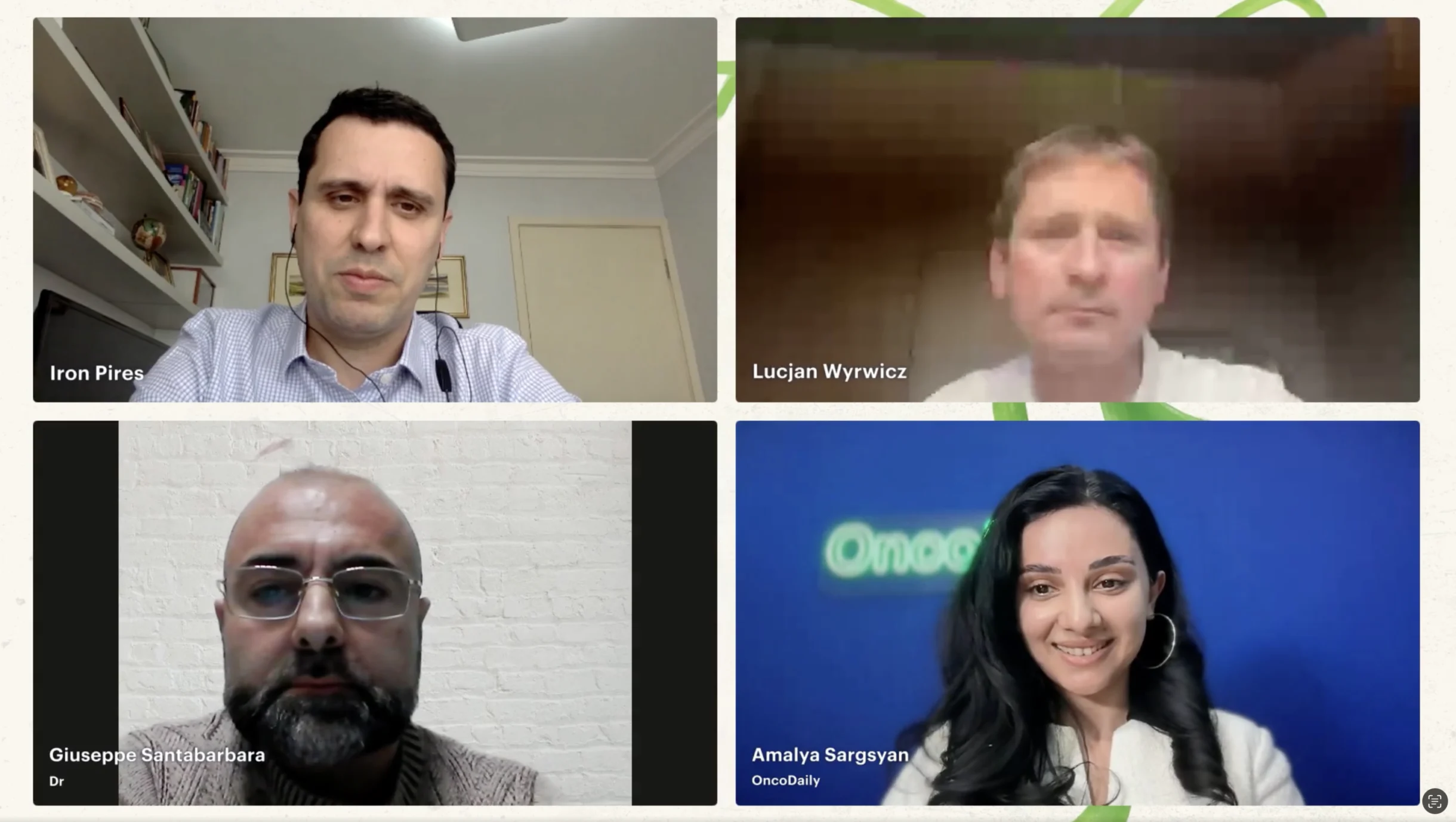
The summit concluded with an interactive panel discussion led by Dr. Amalya Sargsyan, a Medical Oncologist and a Sarcoma Expert from Yeolyan Hematology and Oncology Center, that featured international experts, including specialists from Italy (Dr. Giuseppe Santabarbara, Medical Director of Oncology from San Giuseppe Moscati National Hospital), Brazil (Dr. Iron Pires
HPB and liver transplant surgeon from Universidade Federal de São Paulo (UNIFESP)), and Poland (Lucjan Wyrwicz, Head of Department of Oncology and Radiotherapy at Maria Skłodowska-Curie Memorial Cancer Center).
Panelists explored several important real-world challenges, including:
- Variability in access to advanced molecular testing
- Differences in drug availability across healthcare systems
- The need for global research collaboration
- Strategies for integrating new therapies into clinical practice
Where Gallbladder Cancer Care Is Going
The OncoDaily Gallbladder and Bile Duct Cancer Summit 2026 highlighted how rapidly the field is evolving. While these cancers remain difficult to treat, the combination of surgical innovation, improved diagnostics, and targeted therapies is beginning to change the landscape.
As precision oncology continues to expand and multidisciplinary collaboration strengthens, experts remain optimistic that the coming years will bring more personalized treatments and better outcomes for patients worldwide.
Through initiatives like this summit, OncoDaily aims to connect global expertise, share real-world clinical insights, and support the oncology community in advancing the care of patients with hepatobiliary cancers.
Written by Sergey Badalyan, MD.