





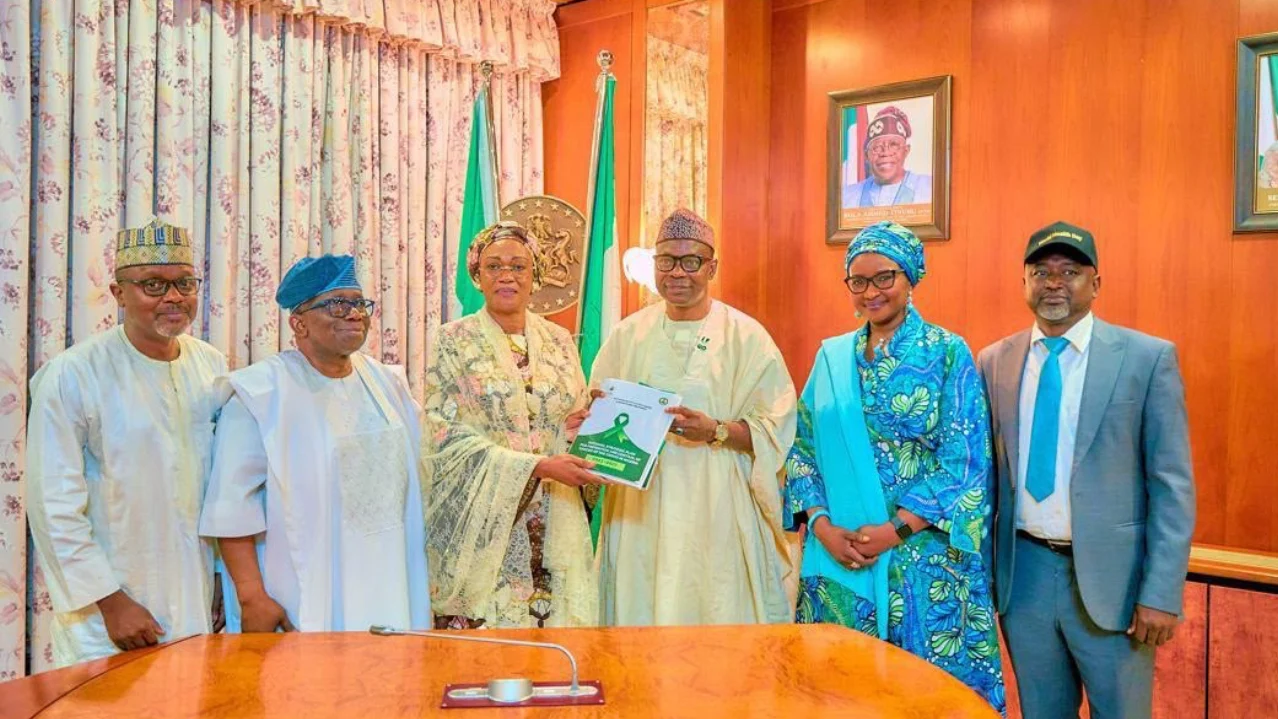
Zainab Shinkafi-Bagudu, Senior Adviser at Federal Ministry of Health Nigeria, shared on LinkedIn:
“Nigeria’s cancer control is entering a new phase, with significant investments and interventions aimed at strengthening prevention, early detection, diagnosis, treatment, and access to care.
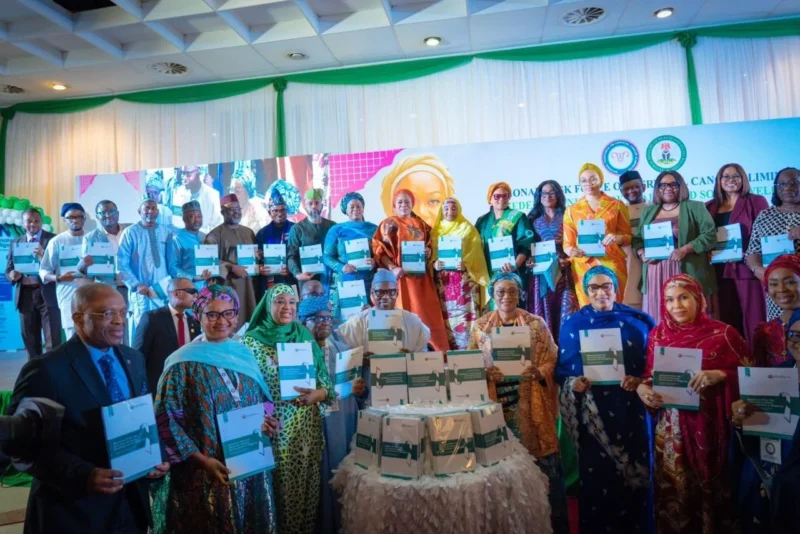
One of the most important developments is the launch of the National Cancer Control Plan 2026-2030, with a target of reducing the country’s cancer burden by at least 30% by 2030. Following Nigeria’s participation in the Union for International Cancer Control (UICC) Cancer Planners Forum and extensive consultations with national and international stakeholders, the plan takes a broader approach to cancer control, covering prevention, early detection, diagnosis, treatment, palliative care, survivorship, research, patient navigation, workforce development and resource mobilisation.
There is also significant government investment in cancer treatment infrastructure. Six Cancer Centres of Excellence are being developed, with three already completed and commissioned in Katsina, Enugu and Benin. President Bola Ahmed Tinubu has also approved the procurement and installation of 35 additional linear accelerators to expand radiotherapy capacity and improve access to treatment.
Human capacity, research and reliable cancer data remain equally important. The International Agency for Research on Cancer (IARC) has worked with Nigerian institutions on cancer surveillance, registration and evidence generation.
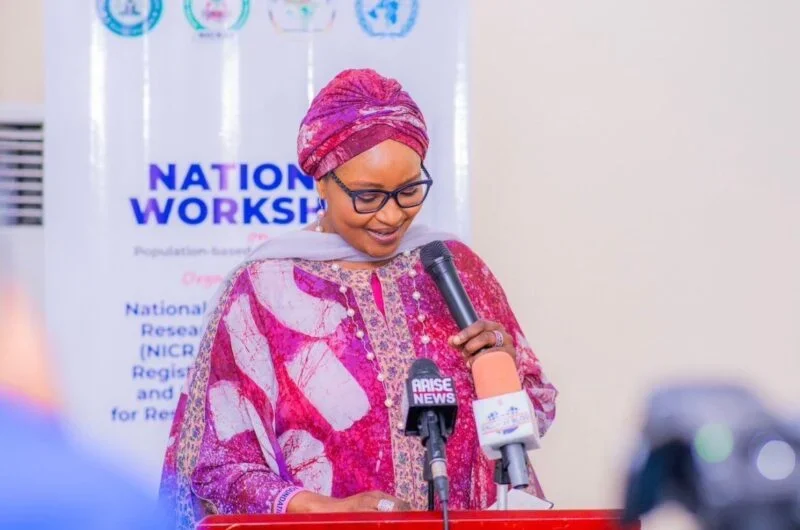
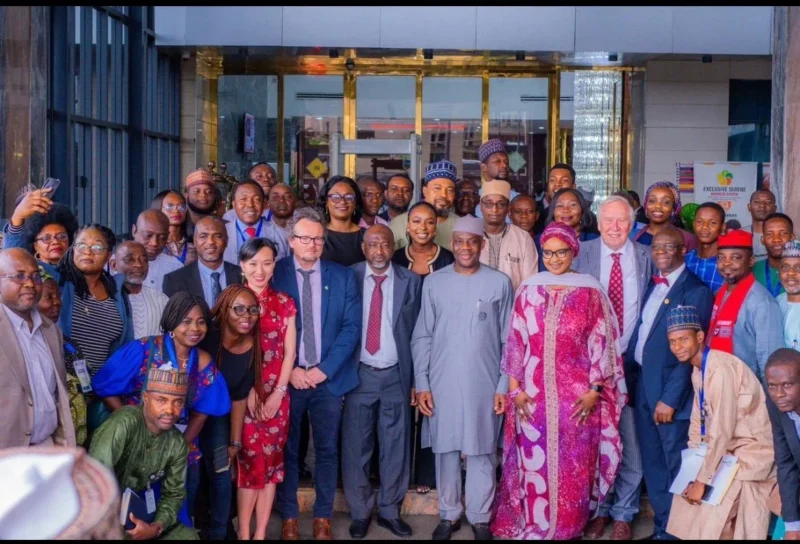
Renewed efforts can also be seen in data collection and evaluation. In 2024, I participated in a National Workshop on Population-based Cancer Registration in Nigeria, convened by NICRAT, the African Cancer Registry Network, St. Jude Children’s Research Hospital and IARC. The workshop culminated in an MoU to strengthen the training of cancer registrars and improve cancer data collection in Nigeria.
The 2024 impact Review also provided an important assessment of Nigeria’s cancer-control capacity. These reviews bring together the International Atomic Energy Agency (IAEA), World Health Organization and IARC – International Agency for Research on Cancer / World Health Organization to examine cancer-control systems and identify priority areas for strengthening services, infrastructure, workforce and planning. These strong international partnerships are a further indication of progress. National Institute for Cancer Research and Treatment has indicated that recommendations from the review are informing implementation of its cancer-control strategy.
The Renewed Hope Initiative of the First Lady, Her Excellency Senator Oluremi Tinubu, has also contributed to the national response to cancer. In 2025, the Initiative committed ₦1 billion ($600m) to support cervical cancer prevention and control, including the national screening campaign.
State First Ladies, FLAC and other non profits are also awakened to greater advocacy and patient support. Under the leadership of HE Barr Chioma Uzodimma, almost N200million ($110k) was raised at a gala to support cancer patients.
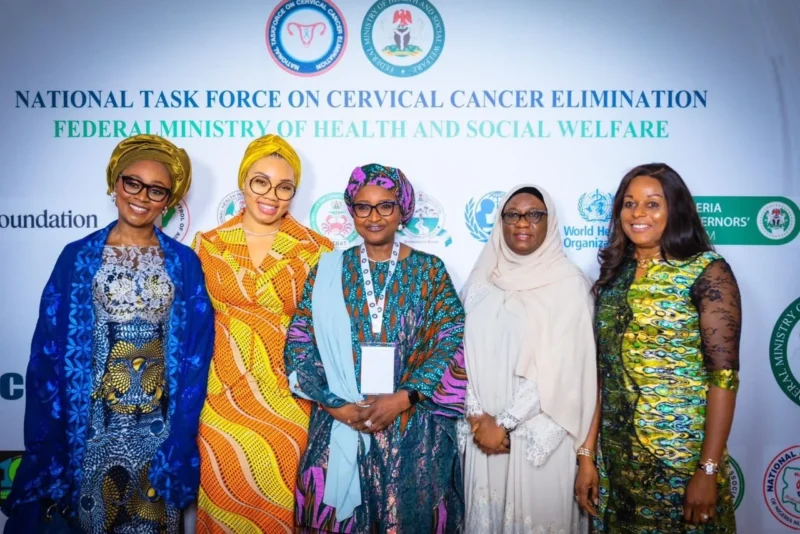
The National Task Force on Cervical Cancer Elimination from April 2025 has been working to expand screening, strengthen treatment of precancerous lesions and move Nigeria closer to the elimination of cervical cancer as a public-health problem.
Still on prevention, HPV vaccination was introduced into Nigeria’s routine immunisation programme in 2023. More than 17 million girls aged 9-14 have now received the HPV vaccine. The next priority is to sustain routine delivery and reach underserved girls in hard to reach areas.
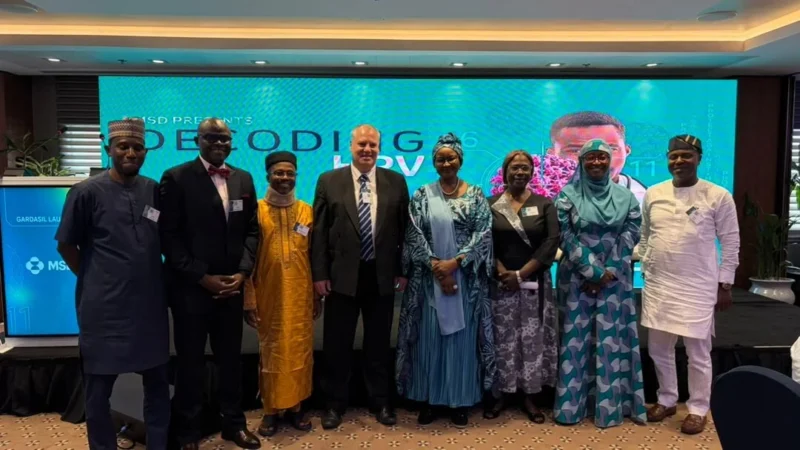
In another indication of renewed donor confidence in Nigeria, MSD has donated 4.4 million doses of GARDASIL 9, targeting young women aged 18-20 in tertiary institutions as part of efforts to broaden protection against HPV-related cancers.
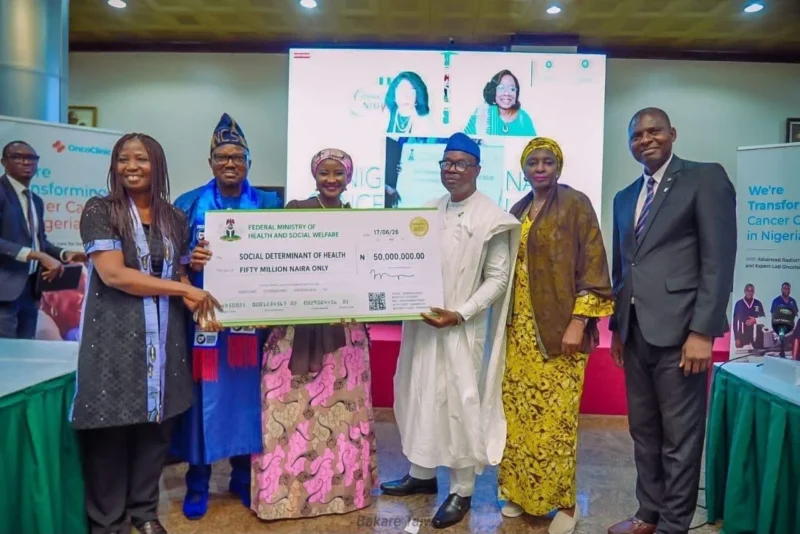
For patients already navigating cancer treatment, some of the barriers outside medical care are also being addressed. The National Cancer Control Programme has rolled out a Social Determinants of Health Fund for Cancer Patients, designed to address challenges such as transportation, accommodation, feeding and other social needs that can determine whether patients are able to start or complete treatment. The Federal Government committed an initial ₦50 million ($37,700) to the programme, and verified beneficiaries are receiving a minimum of ₦100,000 ($76) each.
Transportation is an important part of this equation. Our own Medicaid Cancer Foundation’s Patient Access to Cancer Care (PACE) programme and Care Wheels, has also been working to reduce transportation barriers and help patients access and continue their cancer treatment. These initiatives recognise that access to cancer care extends beyond what happens within the hospital and must take into account the practical realities patients face in reaching care.
Most importantly, financial protection is being strengthened through the National Health Insurance Authority (NHIA); efforts are underway to improve access to oncology medicines and reduce the financial burden of treatment. The Authority now has improved treatment coverage with partners such as Roche and BVGH.
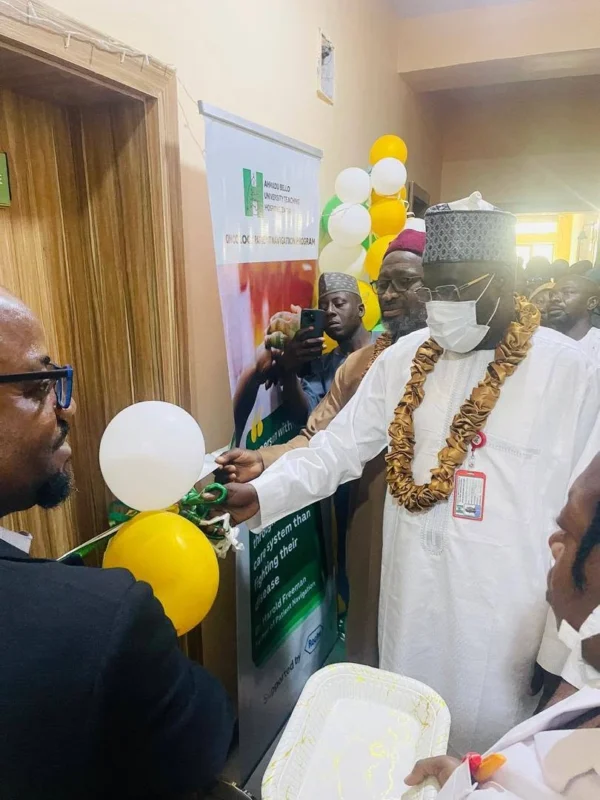
In February 2026, NHIA and Roche launched an Oncology Patient Navigation Programme at Ahmadu Bello University Teaching Hospital, Zaria, designed to help patients navigate diagnosis, treatment, and supportive care.
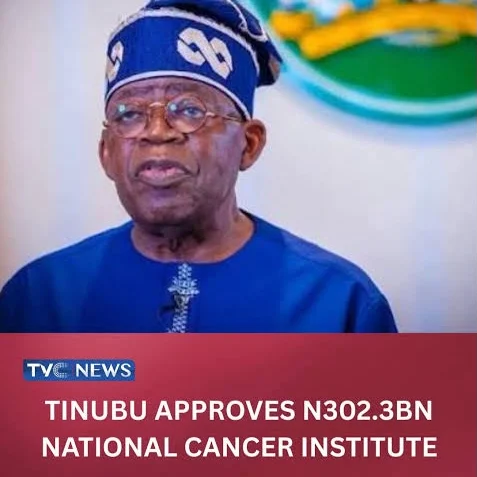
At the center of the national cancer response is the National Institute for Cancer Research and Treatment (NICRAT). The Institute continues to strengthen cancer research, treatment, innovation, and workforce development. In August 2026, the Federal Executive Council approved ₦302.3 billion ($228.7m) for the development of a new National Cancer Institute facility, which is expected to strengthen cancer research, treatment, and capacity building in Nigeria.
Building the capacity of the cancer workforce is a responsibility of NICRAT. To date, the Institute has trained over 2,000 healthcare workers in various areas of cancer care, reflecting the importance of strengthening the knowledge, skills, and competencies required to deliver high-quality, safe, and patient-centered services.
These interventions represent important steps forward, but the real measure of progress will be whether they reach the patient. Challenges such as late presentation, limited infrastructure in some parts of the country, shortages of specialized oncology professionals, high out-of-pocket costs, conflict, and geographical barriers to care still remain.
Addressing these gaps will require sustained government investment, civil society advocacy, stronger partnerships, better data, research, workforce development, and systems that support patients throughout the cancer-care continuum.
The focus must remain on building on the progress already made and strengthening cancer care from prevention and early detection to diagnosis, treatment, palliative care, and survivorship.
As the global cancer community, including many Nigerian stakeholders, converges in Hong Kong for the World Cancer Congress, it is an opportunity for peer learning, network, build collaborations, seek sustainable partners so that the steps we have taken forward will become races we can win.”
Other articles about Nigeria on OncoDaily.