Wungki Park, Assistant Attending at Memorial Sloan Kettering Cancer Center, shared Gustave Ronteix’s post on LinkedIn, adding:
“Thank you Gustave Ronteix, Shilpa Kadam, Anup Kasi, Hisaki Fujii, Astellas Pharma
What happens when you actually DEGRADE KRAS G12D in pancreatic cancer?
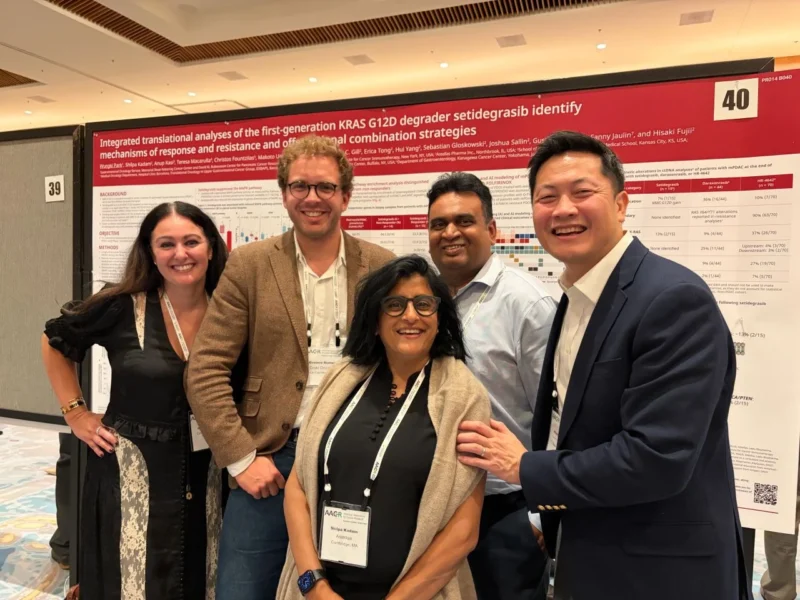
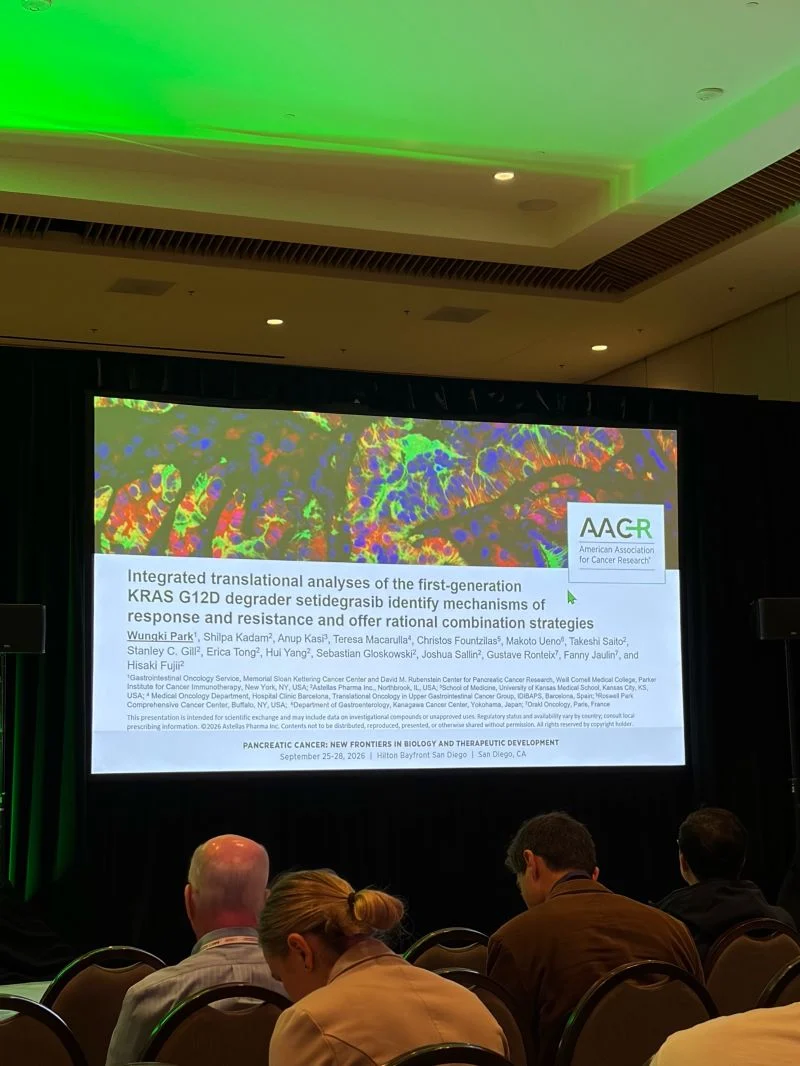
At AACRPanc26 American Association for Cancer Research, we shared translational analyses of setidegrasib, a first – generation KRAS G12D degrader.
15 paired tumor biopsies allowed us to watch the biology change during treatment:
- KRAS degradation + MAPK suppression
- TME remodeling with Fas/FasL, Granzyme B+ CD8 T cells and PD-L1
- Distinct primary resistance biology
- Patient – derived organoids + virtual-patient modeling to inform next combinations
For me, this is translational therapeutics:
Patient – biopsy – biology – model – combination – back to the patient.
Search and Research!!
Deep gratitude to our coauthors, research and nursing teams – and especially the courageous patients who allowed us to learn from their tumors.
The first generation teaches us how to build the next.”
Quoting Gustave Ronteix’s post:
“Last spring, daraxonrasib showed that KRAS was druggable and that it could transform cancer care for pancreatic cancer patients.
The next step will be to identify the combination treatments that bring maximum benefit to patients. For this we need patient models capable of bridging the gap between preclinical mouse models and the patients recruited in clinical trials.
We’re building this platform at Orakl Oncology to predict clinical endpoints (such as ORR, PFS or OS) on cohorts of patient avatars that reproduce the genetic diversity found in patient populations. This enables researchers to precisely map combination treatments to specific population segments and compare these combinations to current (or future) standard of care regimens.
This is exactly the spirit of the work presented today by Wungki Park and Shilpa Kadam from Astellas Pharma (and to which we had the chance to contribute).
Witnessing the enthusiasm of the research community around this next era of pancreatic cancer care makes one very hopeful.
We’ve come so far, but we can still do so much better.”