World Health Organization Mongolia shared a post on Facebook:
“Global Partnerships, Local Impact: Spotlighting Childhood Cancer Care in Mongolia.
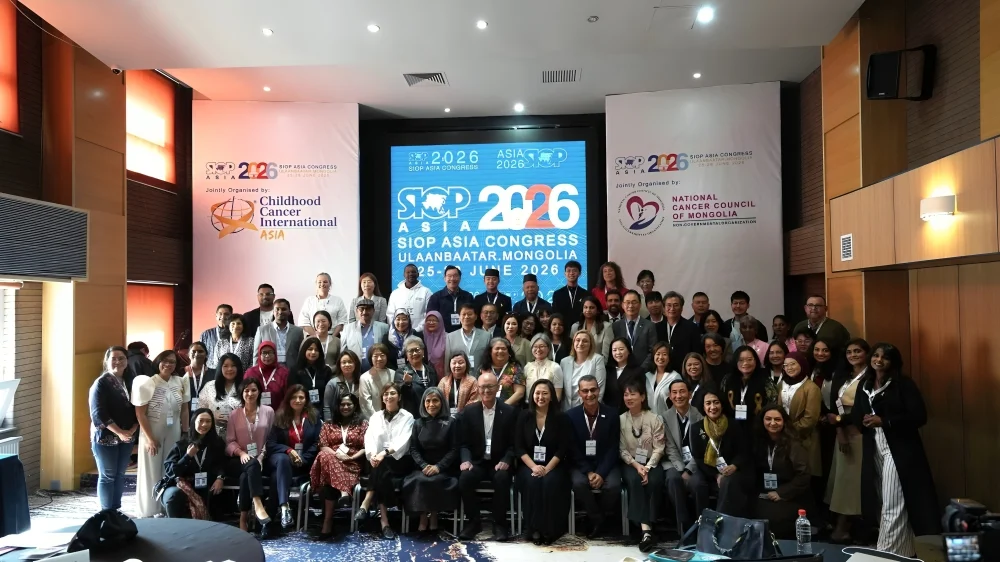
From 24-28 June 2026, Ulaanbaatar hosted the global childhood cancer community, bringing to the country more than 300 participants from 70 countries, including policymakers, clinicians, researchers, patient advocates, childhood cancer survivors, development partners, and international experts committed to improving outcomes for children with cancer.
The week featured a series of high-level events, including the 18th International Society of Pediatric Oncology Asia Congress (SIOP Asia 2026), the 18th Childhood Cancer International Asia Conference (CCI Asia 2026), a global webinar on scaling up the Global Platform for Access to Childhood Cancer Medicines (GPACCM), as well as technical discussions and high-level meetings on the future of childhood cancer care.
As host country, Mongolia showcased significant progress in strengthening childhood cancer care through strong national leadership, sustained government commitment, and global partnerships, including with WHO and St. Jude Children’s Research Hospital.
The week began on 24 June with a global webinar on scaling up the Global Platform for Access to Childhood Cancer Medicines, hosted by WHO Mongolia and attended by participants from around the world. The webinar provided an overview of the Global Platform, highlighted progress made to date, and shared lessons learned from participating countries to support future applicants. During the session, Dr Tsetsegsaikhan Batmunkh, Director General of the Department of Public Health Policy Implementation at the Ministry of Health, presented Mongolia’s experience in improving access to essential childhood cancer medicines through the Global Platform.
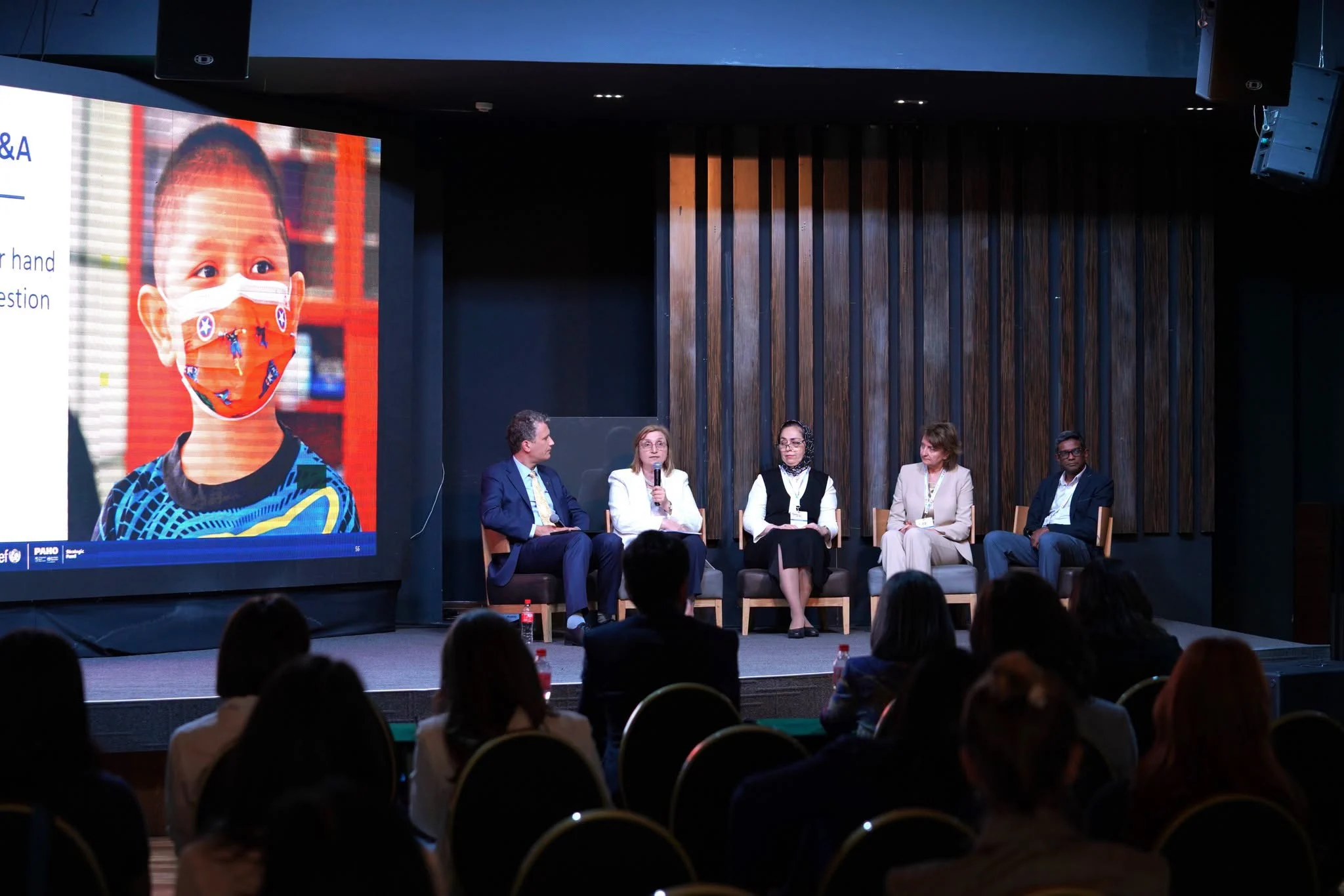
A major focus of the week’s discussions was ensuring that life-saving medicines reach every child who needs them. On 25 June, WHO and St. Jude Children’s Research Hospital jointly organized the side event ‘Closing the Gaps: Transforming Access to Childhood Cancer Medicines.’ The session brought together representatives from countries implementing the Global Platform, including Moldova, Nepal, Sri Lanka, and Uzbekistan, to exchange experiences and lessons learned.
Closing the event, WHO Representative to Mongolia Dr Socorro Escalante highlighted how global partnerships and initiatives, including the Global Initiative for Childhood Cancer, the Global Platform for Access to Childhood Cancer Medicines, other innovations that improve access to medicines, and regulatory reliance mechanisms are helping transform childhood cancer care. She noted Mongolia’s active participation in these efforts and its commitment to translating global commitments into concrete action at the national level.
As one of the early implementing countries of the Global Platform, Mongolia shared practical lessons and achievements with countries preparing to join future cohorts. Since February 2025, the country has received 35 types of quality-assured essential childhood cancer medicines valued at more than US$616 000, helping to ensure uninterrupted treatment nationwide. Beyond expanding medicine access, the initiative has strengthened forecasting and supply chain management, workforce capacity, safer chemotherapy preparation, and infrastructure for childhood cancer care.
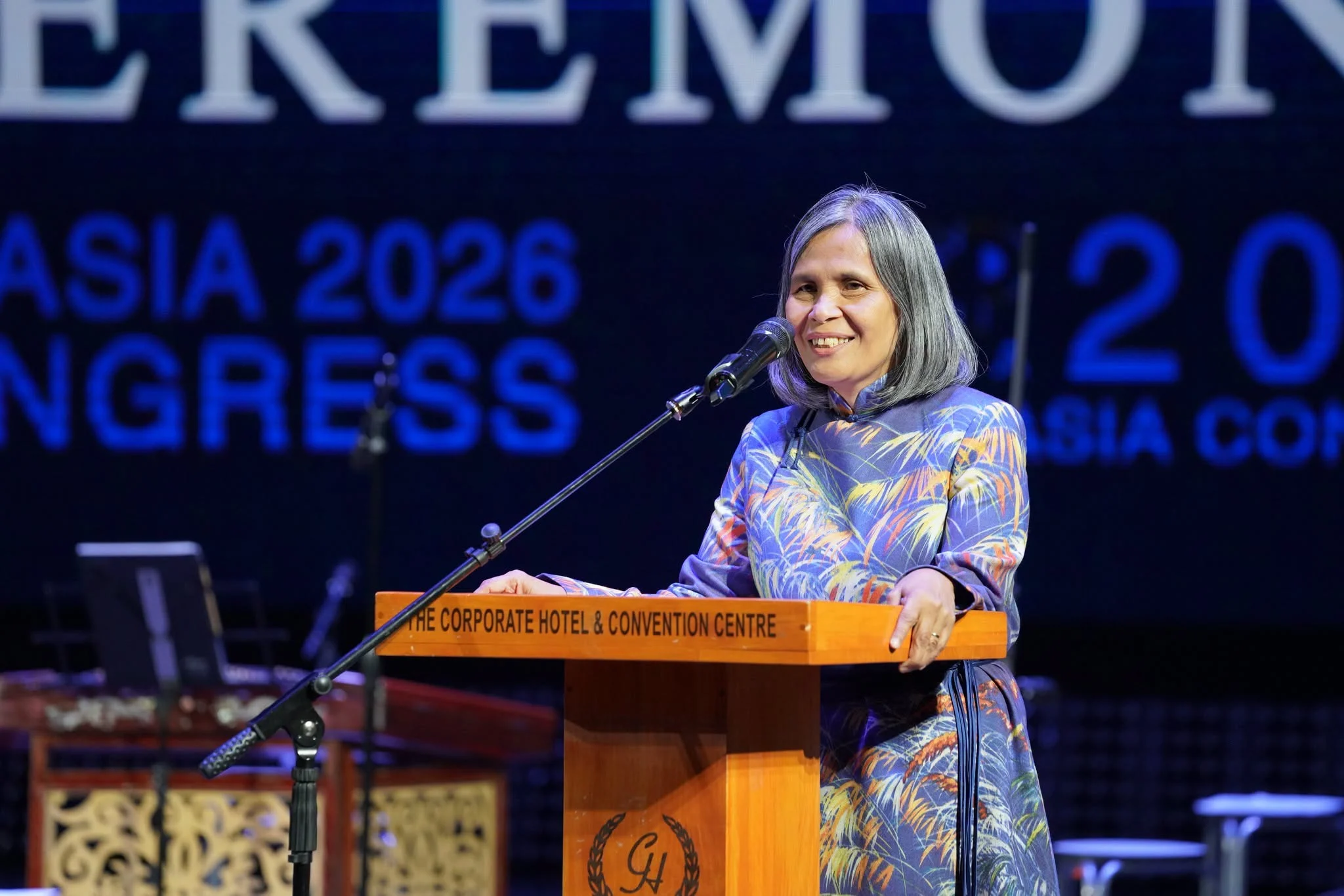
On 26 June 2026, the 18th Childhood Cancer International Asia Conference (CCI Asia) started with the theme ‘Together for Change: Science, Compassion, and Hope for Every Child’. The Conference Opening Session was attended by high level officials of CCI Asia, SIOP Asia, St. Jude Children’s Research Hospital, Ministries of Health of Mongolia and Russia, and WHO Representative to Mongolia. During the Conference, WHO Country Office Mongolia shared its experience in Implementing the Childhood Cancer Initiative in the country.
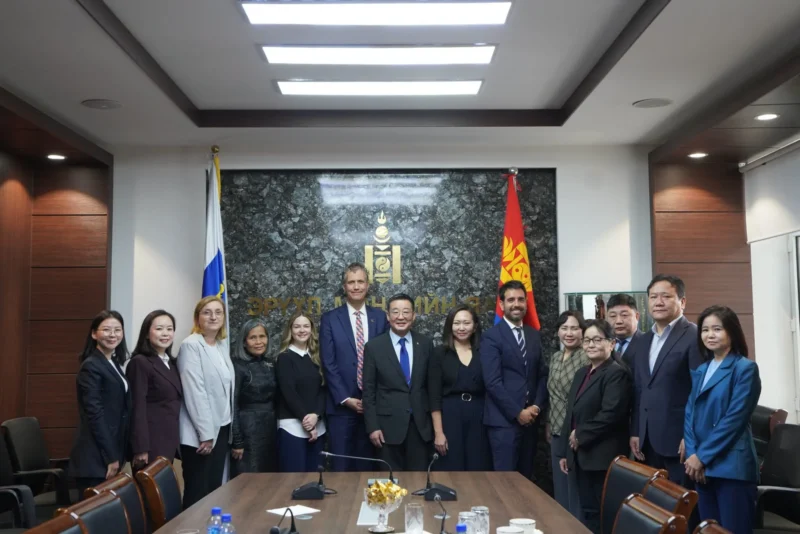
On the same day, officials from WHO and St. Jude Children’s Research Hospital met with Dr Erdenebayar Namjil, State Secretary of the Ministry of Health, to discuss progress and future priorities. Dr Erdenebayar expressed appreciation for the continued support provided through the Global Initiative for Childhood Cancer and the Global Platform, while acknowledging remaining challenges.
Representatives from the Ministry of Health, WHO, and St. Jude Children’s Research Hospital discussed the long-term sustainability of childhood cancer medicines and services in Mongolia, including financing, regulation, and national ownership of the Global Platform.
Discussions focused on the long-term sustainability of childhood cancer medicines and services, including forward-looking budget planning, increased domestic financing, stronger regulatory oversight, and a gradual transition toward national ownership. Participants also emphasized the value of pooled procurement mechanisms to secure affordable prices and a stable supply of essential medicines.
As the events concluded, at the heart of every discussion was a shared goal: ensuring that children with cancer, and the families who care for them, have access to the treatment and support they need.
WHO Mongolia is proud to stand with the Ministry of Health, St. Jude Children’s Research Hospital, and national and global partners to close gaps in care for every child, everywhere.”
Other articles about WHO Mongolia on OncoDaily.