





Weill Cornell Medicine shared a post on LinkedIn:
“A collaborative team from Weill Cornell Medicine and Memorial Sloan Kettering Cancer Center has uncovered a fundamental mechanism that helps the immune system sustain its supply of disease-fighting T cells during chronic illness.
Understanding how these cells renew themselves could open new therapeutic opportunities across a range of conditions, from autoimmune diseases to chronic infections – and potentially cancer.
Researchers found that a rare population of ‘stem‘ T cells is responsible for continuously replenishing the body’s T cell defenses during chronic disease. These stem T cells are defined by a protein called LEF1, which researchers identified as a critical driver of their survival and self-renewal.
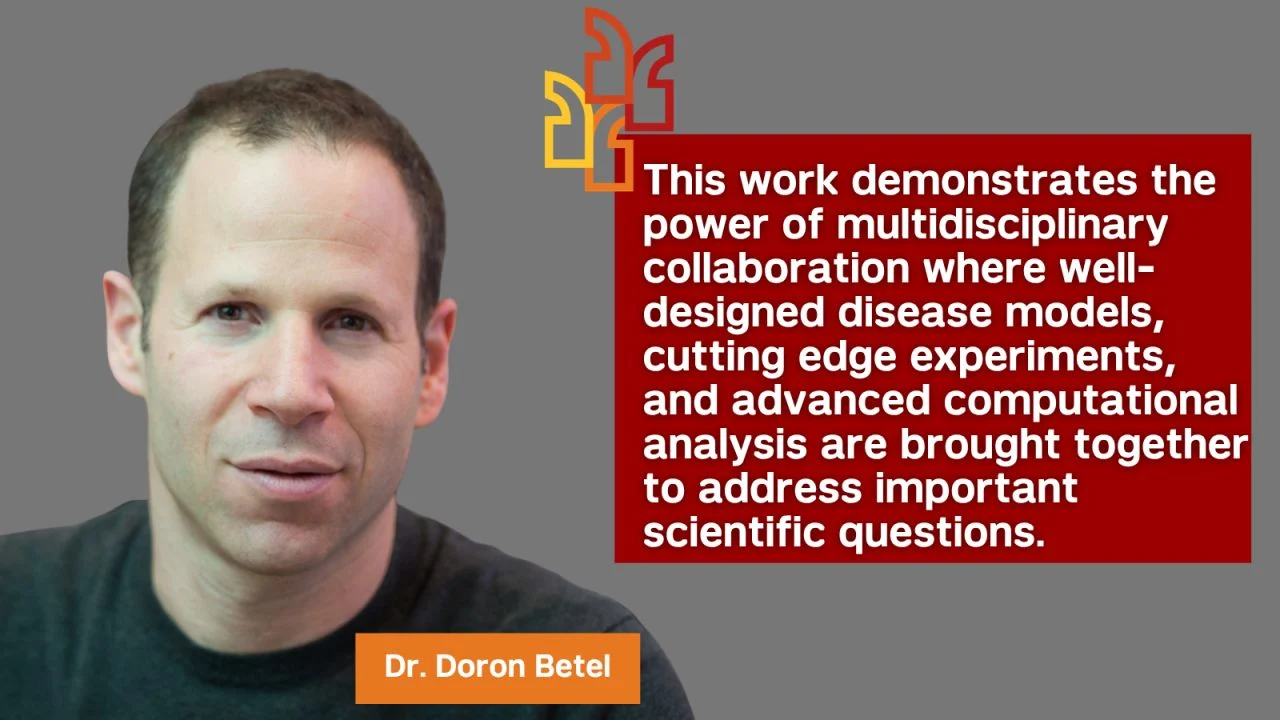
‘LEF1 drives a fundamental mechanism by which the immune system sustains stem T cells during chronic infection, as well as drives autoimmune conditions, rather than being unique to a particular disease,‘ said co-corresponding author Dr. Doron Betel, associate professor of computational biomedicine at Weill Cornell Medicine.
The scientists also discovered that stem T cells in two seemingly opposite conditions—autoimmune diabetes and chronic viral infection – shared remarkably similar molecular programs, suggesting that LEF1-driven stemness represents a common biological pathway the immune system uses to cope with chronic stress.
‘We’ve identified what we believe is a fundamental mechanism, one that the immune system uses broadly to sustain itself in chronic disease,’ said senior author Dr. Andrea Schietinger of MSK. ‘That’s the kind of finding that can open up entirely new directions for treatment.’
The findings may ultimately inform new approaches for suppressing harmful immune activity in autoimmune disorders or strengthening long-term immune responses against chronic infections and cancer.”
Other articles about Weill Cornell Medicine on OncoDaily.