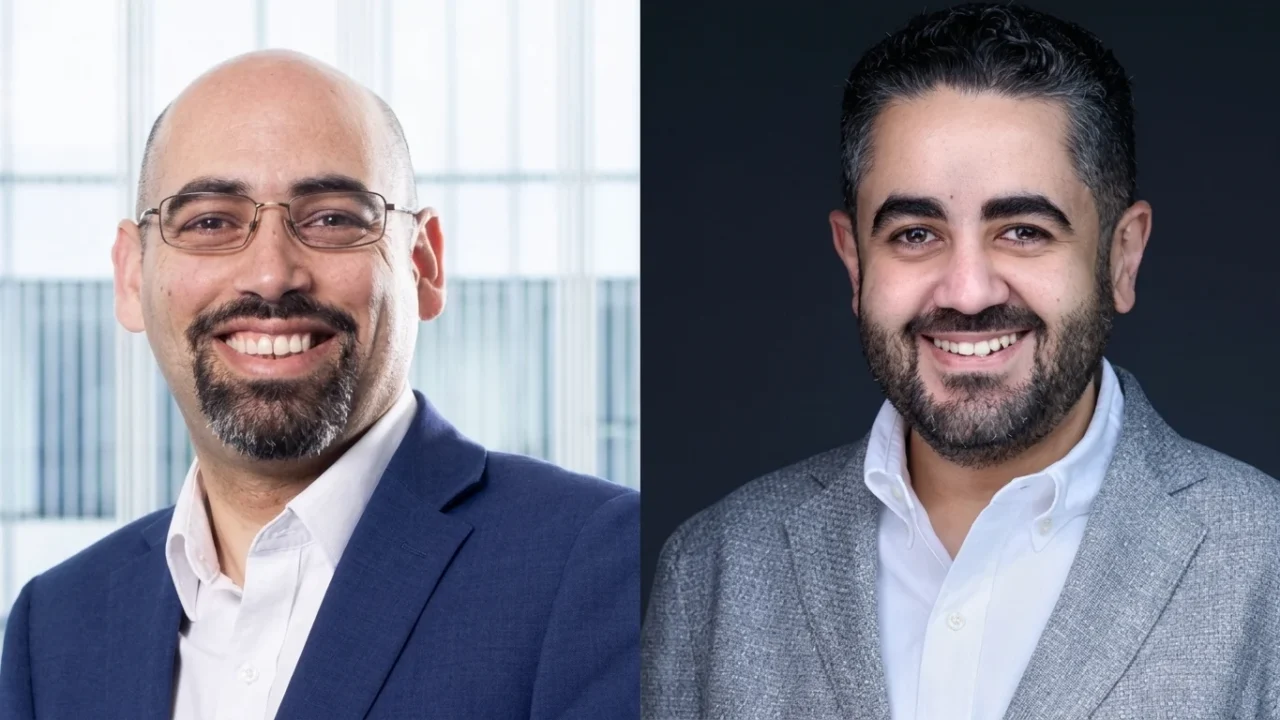
Walid Kamoun, Vice President of Servier, shared on LinkedIn:
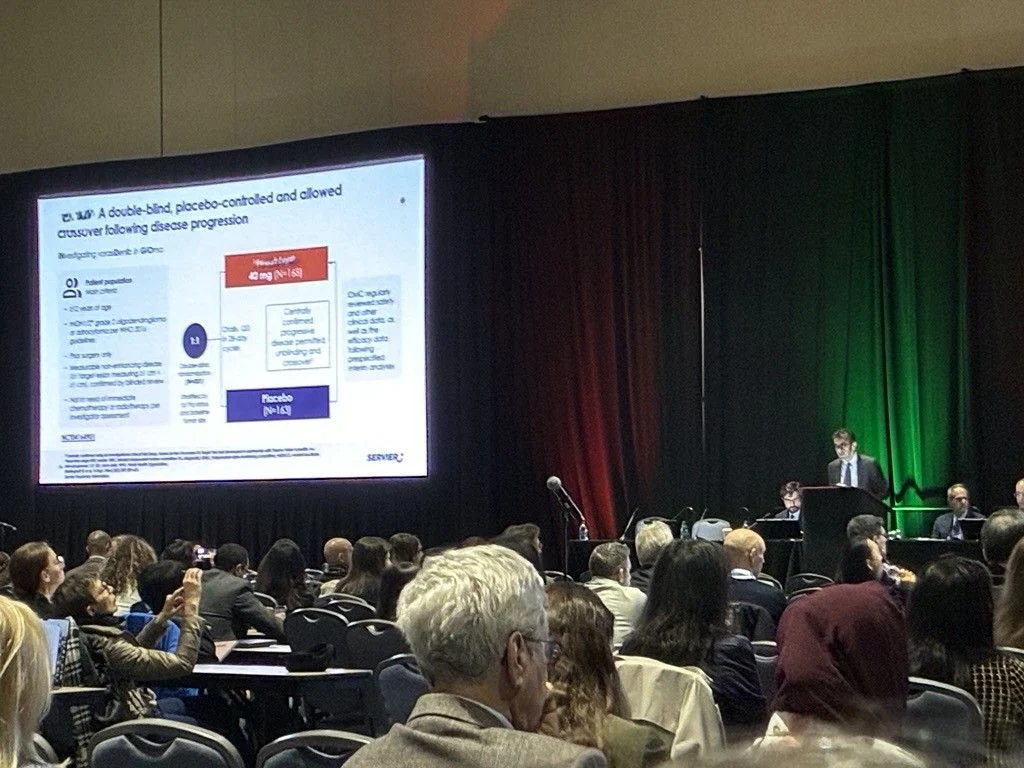
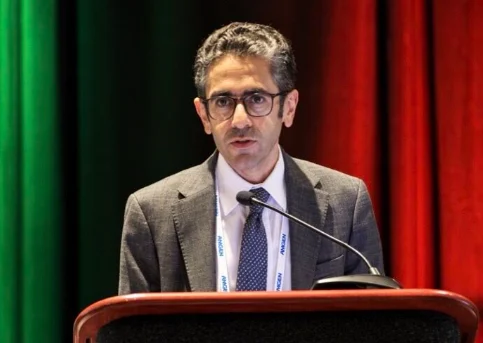
“Proud to attend an important session today at SNO 2026, where one our colleague Islam Hassan, one of Servier’s outstanding Oncology physician-scientists, was invited to share perspectives on a critical question for our field:
Why do neuro-oncology trials fail, and how can we design them to succeed?
For patients with brain tumors, the challenge is immense. Success requires more than promising science. We need a deep understanding of disease biology, strong translational hypotheses, innovative and efficient clinical trial designs, and close collaboration across the neuro-oncology community.
At Servier, we are committed to bringing transformative therapies to patients with brain tumors. We have been deliberately building the capabilities needed to make that ambition a reality:
- deepening our understanding of tumor biology,
- innovating in clinical development,
- and working together with a strong network of investigators, scientists, clinicians and partners.
Very proud of what we have been able to accomplish and looking forward to a brighter future with more transformative therapies.
Congratulations, Islam, and thank you to the SNO 2026 community for advancing this important conversation.”
To which, Islam Hassan, Executive Medical Director at Servier, added:
“Thank you, Walid, for your kind words and support. It meant a lot to have you there and to share this important conversation with our colleagues and the neuro-oncology community.
One thought I wanted to leave with the audience is that every clinical trial carries a part of someone’s life.
‘Behind every patient choosing to enroll in a trial is a person making room for uncertainty, taking time away from family, rearranging work, and placing trust in a question we have yet to answer.’
That trust creates a responsibility that begins long before the first patient signs a consent form. It asks us to understand the biology, challenge our assumptions, choose meaningful endpoints, and design studies that can give clear answers.
It also asks us to look carefully at what our trials teach us. When a study falls short, can we distinguish a treatment that does not work from a hypothesis we did not adequately test? And when a study succeeds, do we understand enough about why it worked to build on that success?
I am proud and grateful to work alongside colleagues who approach these questions with scientific rigor, humility, and a shared commitment to patients. There is still much to do, and it is a privilege to be doing it together.”
About SNO 2026
The 31st Annual Meeting and Education Day of the Society for Neuro-Oncology (SNO 2026) took place from November 12 to 15, 2026, at the Pennsylvania Convention Center in Philadelphia, Pennsylvania.
Under the theme ‘Crossing the Translational Divide: From Neurons to Novel Therapies,’ the congress brought together more than 3,000 researchers and clinician-scientists from over 40 countries to explore advances across multidisciplinary neuro-oncology research, diagnosis, and treatment.
The comprehensive program featured cutting-edge scientific and poster sessions, expert-led presentations, exhibits, networking activities.
The 2026 SNO Education Day on November 12 gathered international thought leaders to highlight advances in brain tumor treatment. Sessions featured emerging diagnostics, AI, biomarkers, targeted therapies, cell-based immunotherapies, and novel CNS drug-delivery platforms – with a focus on obstacles and clinical translation.
You can also read: Presenting New Neuro-Oncology Data Across 9 Presentations at SNO 2026 – Servier Pharmaceuticals