





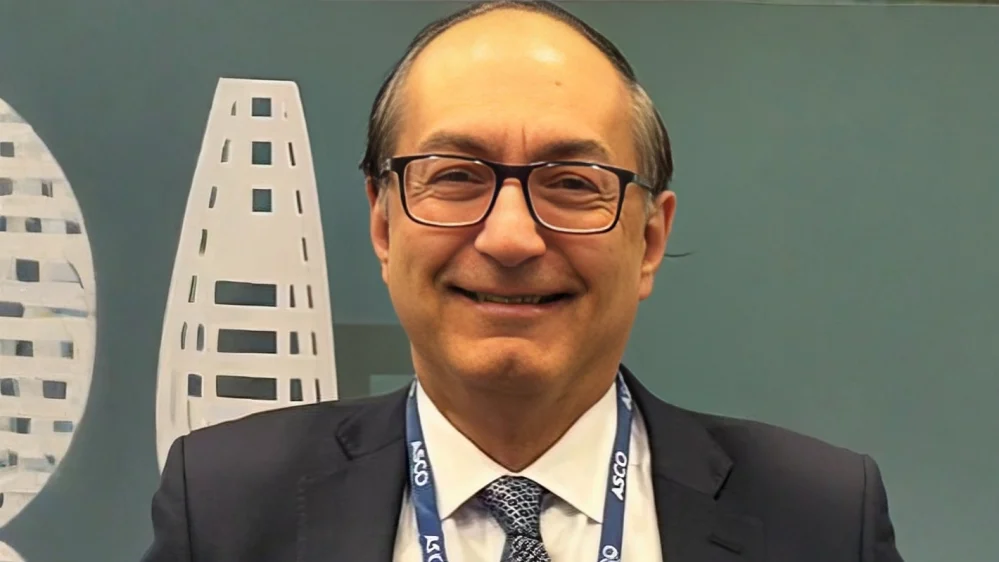
Wafik S. El-Deiry, Director of Legorreta Cancer Center at Brown University and Chair of the WIN Consortium in Cancer Personalized Medicine, shared a post on LinkedIn:
“The ONC201 discovery and translation story goes back 3 decades to work connecting our body’s major tumor suppressor mechanism involving p53 to the innate immune system involving TRAIL Death Receptor 5.
Nearly 20 years ago this led to a drug screen in an academic lab identifying TIC10 (TRAIL-inducing compound 10).
Much work unraveled the drug’s mechanism further through activation of the integrated stress response, suppression of mitochondrial oxidative metabolism and impact on cancer stem cells.
The drug first entered clinical trials in 2014 and by 2017 its clinical activity against aggressive brain tumors was known. Eight years later the drug was approved as dordaviprone by the FDA for recurrent midline gliomas with an H3K27M mutation.
This is one of the most amazing examples of how basic science can lead to impact on a deadly cancer in humans through Precision Oncology.
The full potential of ONC201 (aka TIC10, dordaviprone, modeyso) and its imipridone drug class is not yet realized. This includes clinical trial activity signals against various neuroendocrine tumors, prostate cancer and endometrial cancer. There is much preclinical information on combinations with ONC201 as well as its analogues ONC206 and ONC212 across tumor types including DIPG, DMG, GBM, SCLC, NSCLC, breast cancer, pancreatic cancer, colorectal cancer, lymphoma, gastric cancer, various sarcomas, among other tumor types.
It has been the thrill of a lifetime and dream of an academic physician-scientist to lead a team that contributed to the academic discoveries and ongoing work. The eldeirylab impact over the last 3 decades resulted from research at University of Pennsylvania, Penn State University, Fox Chase Cancer Center, and Brown University and was supported by the Howard Hughes Medical Institute (HHMI), the National Cancer Institute (NCI), the American Cancer Society, and the American Association for Cancer Research among others and it has helped advance many careers of physicians, scientists, and collaborators.
It is great to see ONC201 featured in the The New York Times.
Much work is still needed to help patients benefit more with the aggressive middle of the brain tumors as well as other tumors for which there is evidence for preclinical and clinical activity.
Such work (including other novel discoveries that have yet to be translated for patient benefit) needs support from government funding agencies, the pharmaceutical industry, private foundations and philanthropy.
For Families Facing a Deadly Brain Cancer, Scientific Progress Can’t Come Soon Enough.”
Other articles featuring Wafik S. El-Deiry on OncoDaily.