





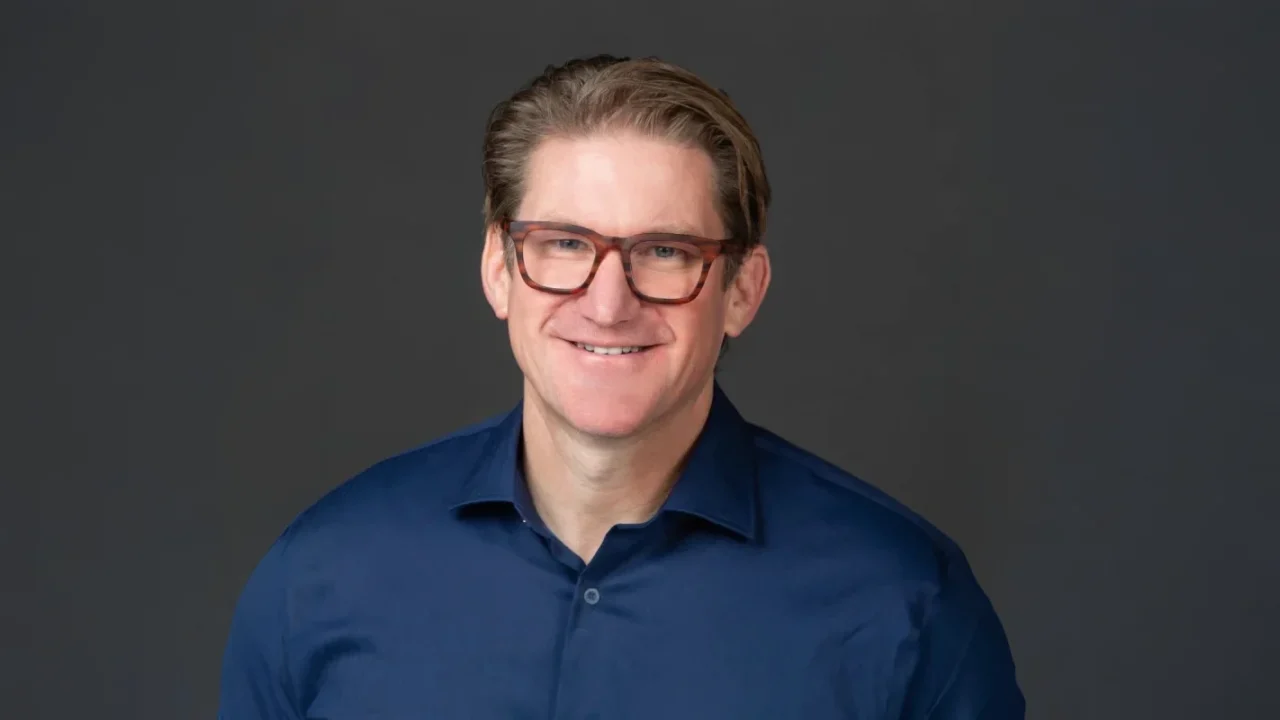
Wade Swenson, Medical Oncologist and Hematologist at Rural Cancer Institute, Professor of Internal Medicine at Anne Burnett Marion School of Medicine at Texas Christian University, Presidential Leadership Scholar, shared a post on LinkedIn:
”A new paper from Mayo Clinic, published in JAMA Network Open, offers some of the most concrete evidence yet that decentralized clinical trials (DCTs) can meaningfully expand access for rural and underrepresented patients.
Tufia Haddad, describe Mayo’s ‘Clinical Trials Beyond Walls’ program, tracking 7,469 participants across 765 DCTs over 15 months.
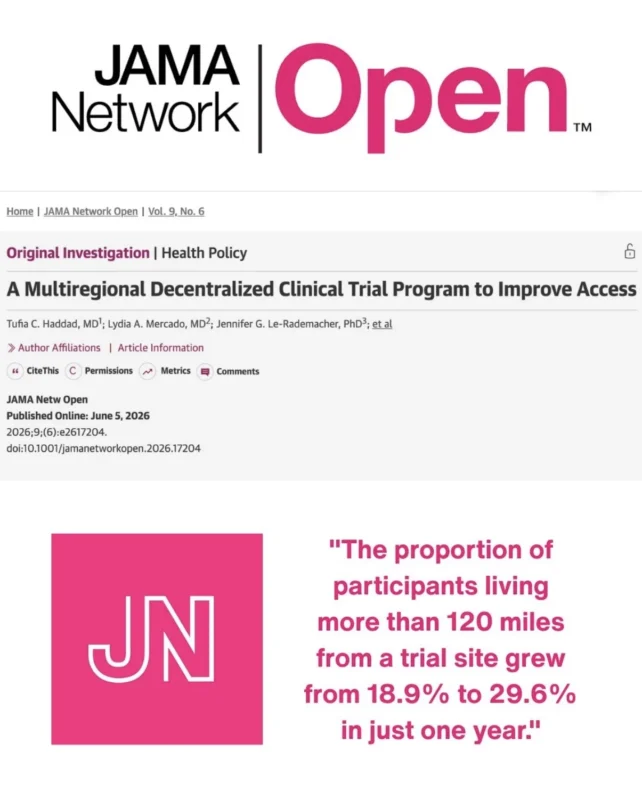
The headline finding: the proportion of participants living more than 120 miles from a trial site grew from 18.9% to 29.6% in just one year. Rural participation climbed from 16.6% to nearly 25%.
These aren’t just numbers. They represent patients who, under the traditional model, simply would not have had access.
The program’s infrastructure: remote consent, video telehealth visits, in-home phlebotomy, and wearable devices. What Mayo has done is embed that infrastructure systematically into the clinical trials enterprise and then measure it.
The most urgent policy signal in the paper is buried near the end: prepandemic telehealth restrictions are set to be reinstated January 1, 2028. If that happens, the regulatory scaffolding supporting these DCT capabilities erodes.
This is exactly the kind of real-world implementation evidence we need to take to payers, regulators, and policymakers. The science of decentralization is maturing. The policy environment needs to catch up.”
Title: A Multiregional Decentralized Clinical Trial Program to Improve Access
Authors: Tufia C. Haddad, Lydia A. Mercado, Jennifer G. Le-Rademacher, David A. Enarson, Ugur Sener, Amanika Kumar, Katharine A. Price, Young J. Juhn, Rodrigo Cartin-Ceba, Gerardo Colon-Otero, Cheryl L. Willman, Vesna D. Garovic, Rebecca S. Kottschade
Other Articles featuring Wade Swenson on OncoDaily.