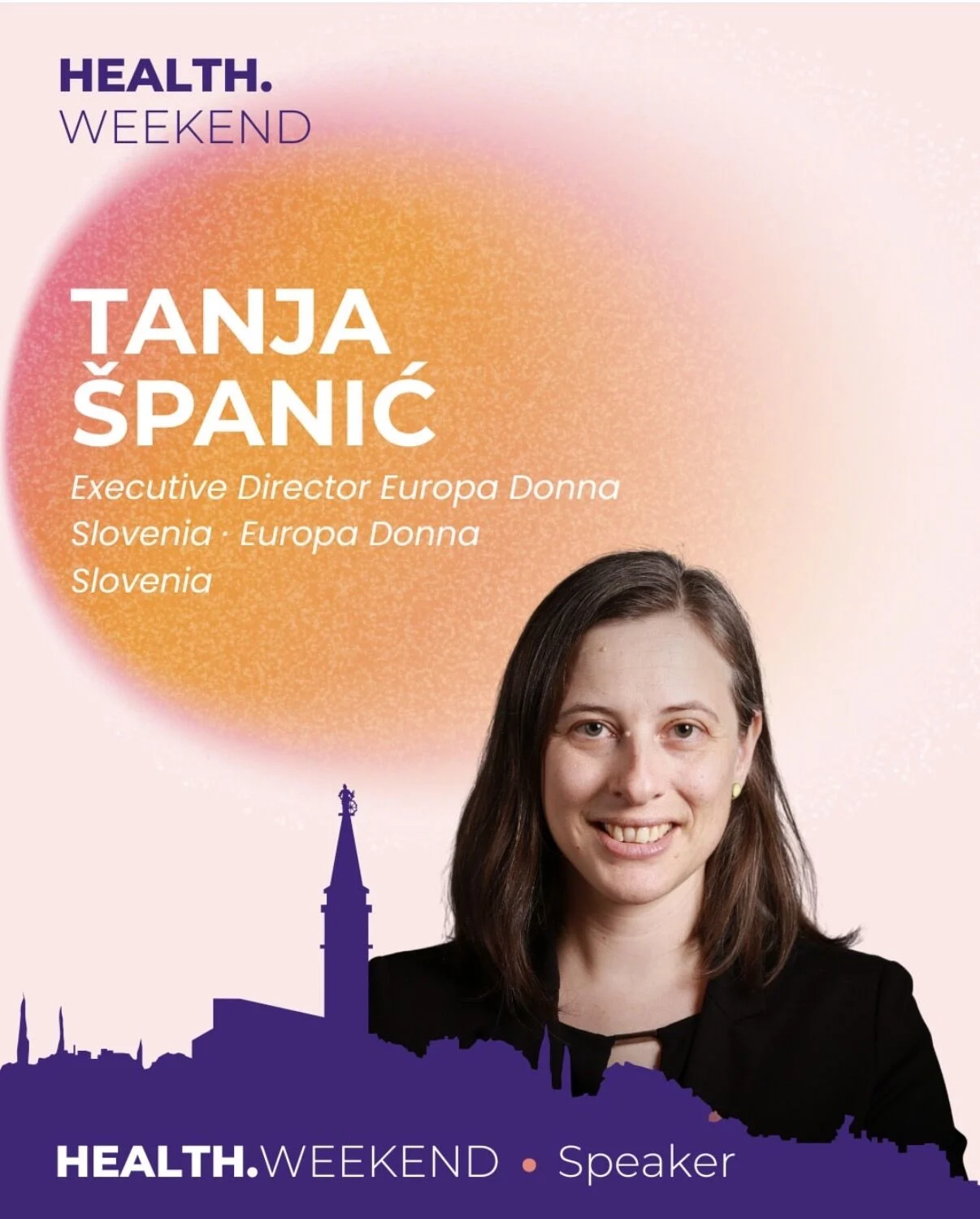
Tanja Spanic, Executive Director of Europa Donna Slovenia, shared a post on LinkedIn:
“What does a patient advocate actually do
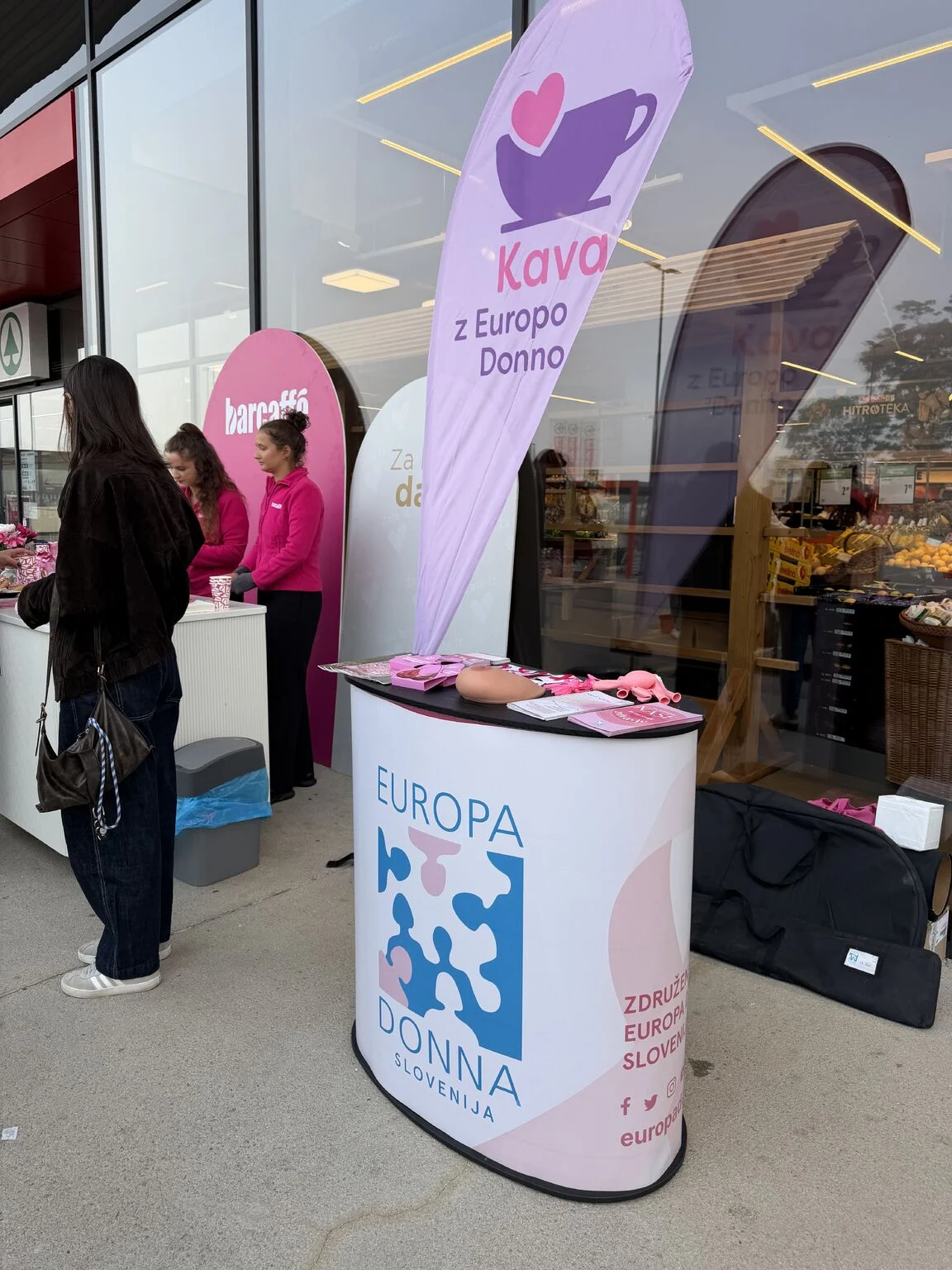
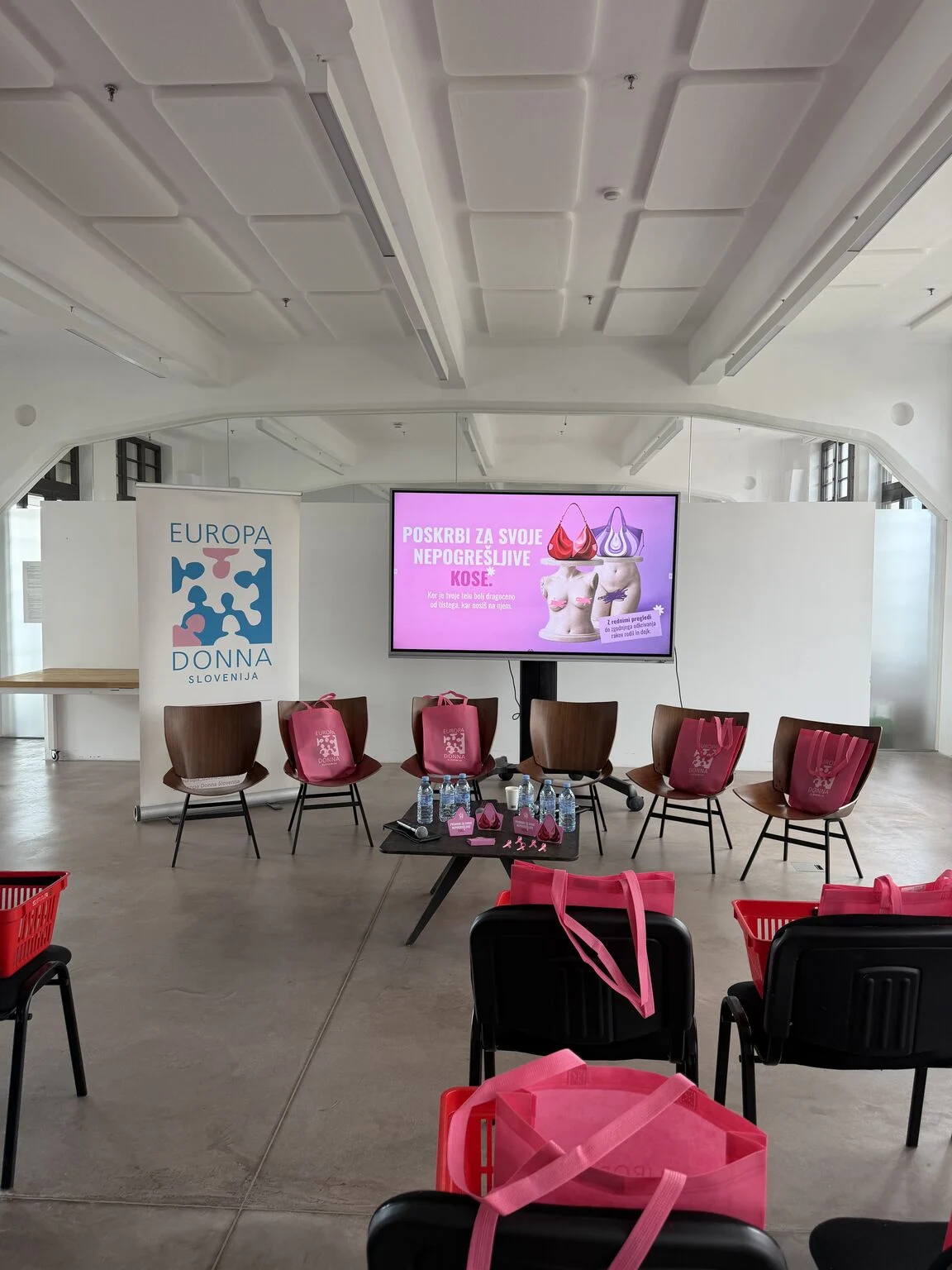
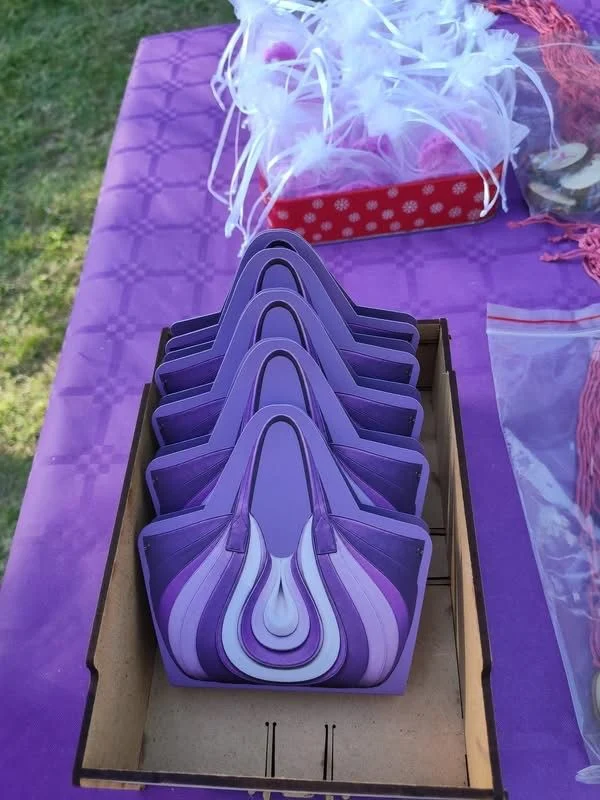
September started with Vijolični september (Purple September), our campaign raising awareness of gynaecological cancers. This year’s theme was ‘Poskrbi za svoje nepogrešljive kose’ (Take care of your irreplaceable pieces).
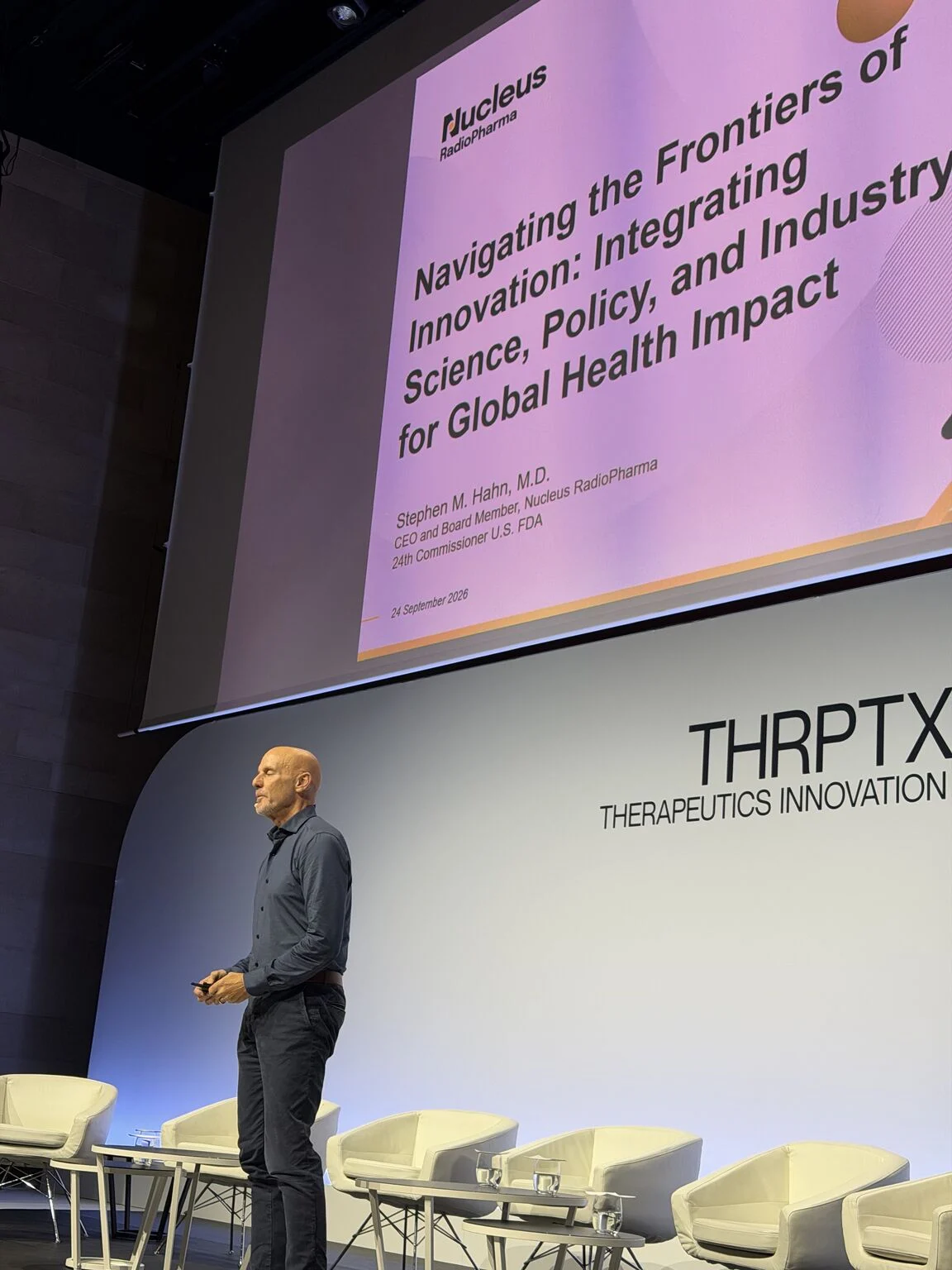
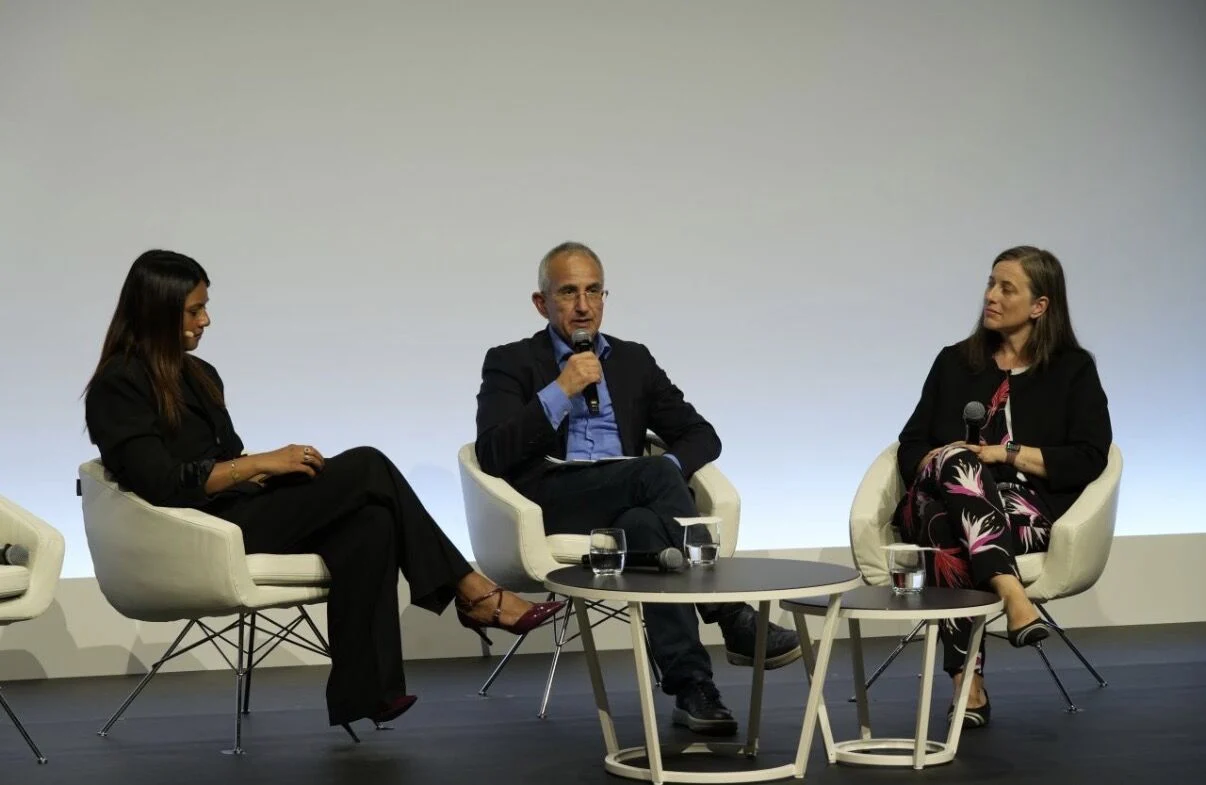
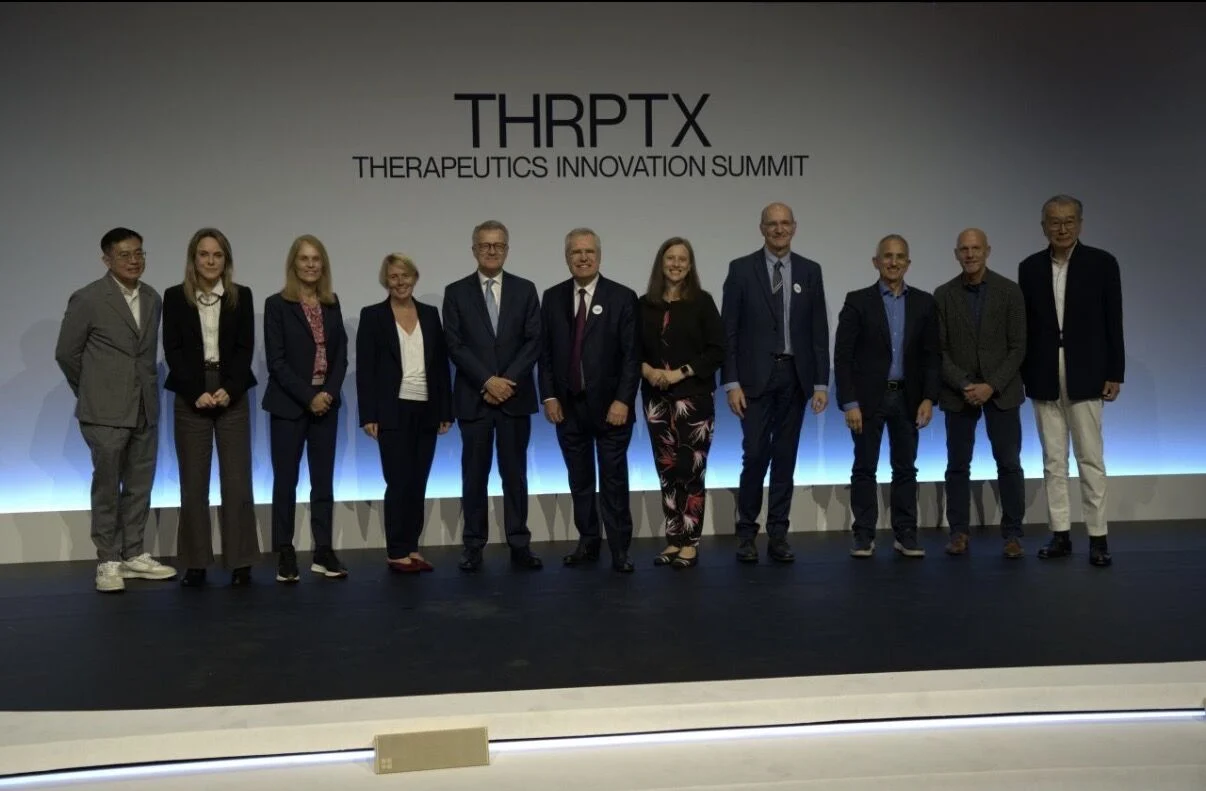
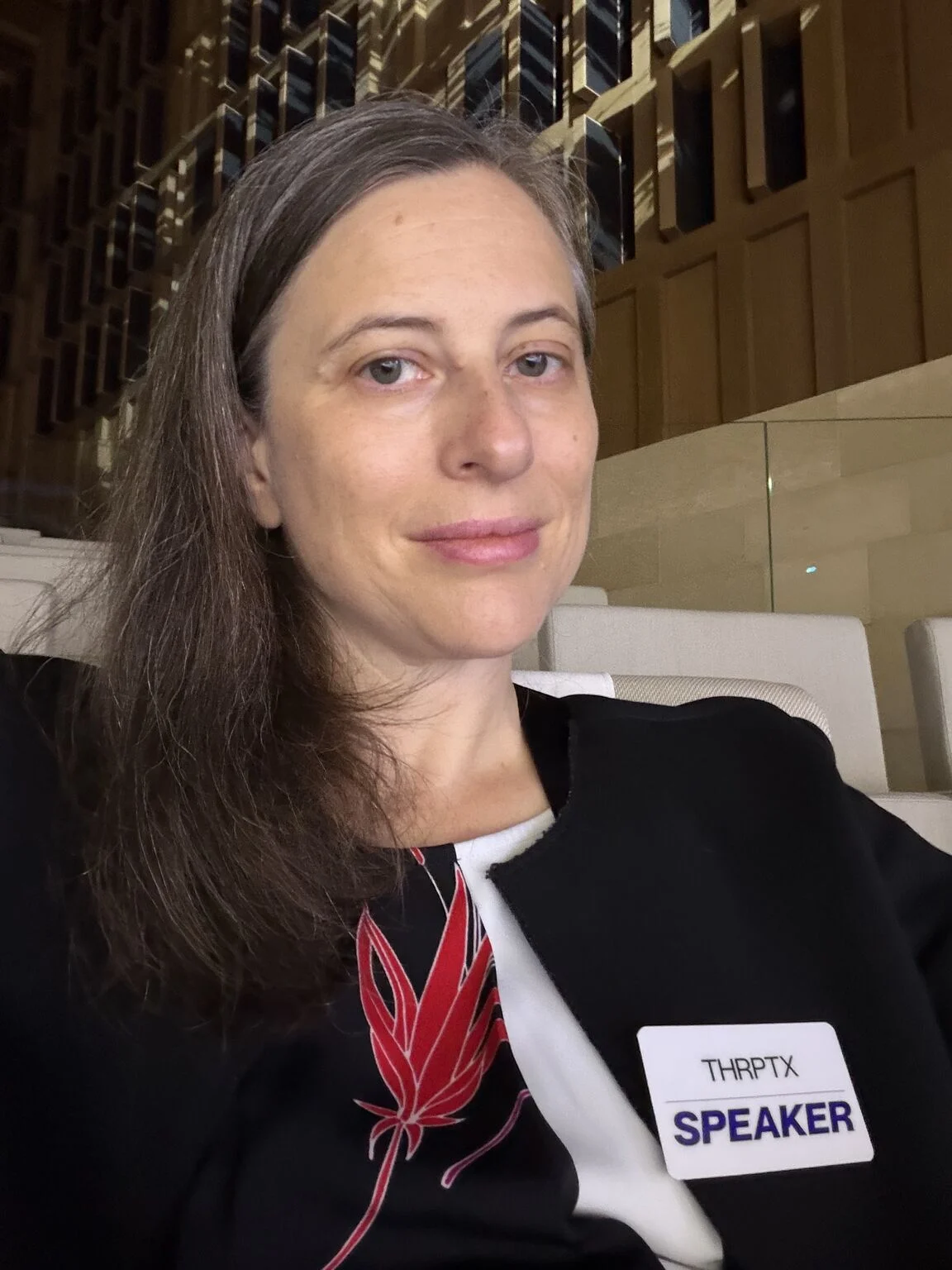
It felt like the right moment to answer a question I’m often asked. People see the conferences and panels, the meetings with researchers, healthcare professionals, policymakers and industry. They see the presentations and the microphones.
But that is only one part of the work.
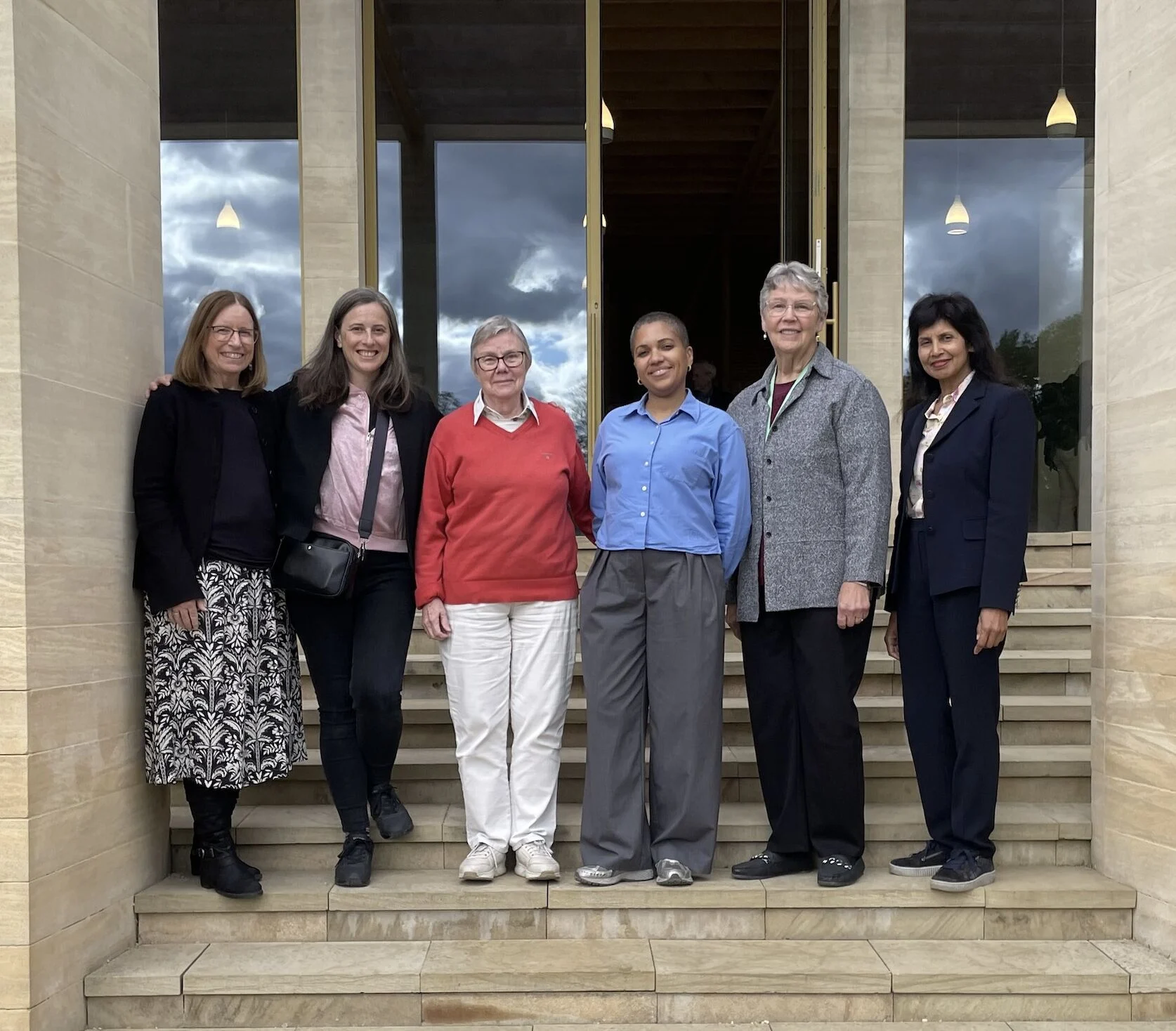
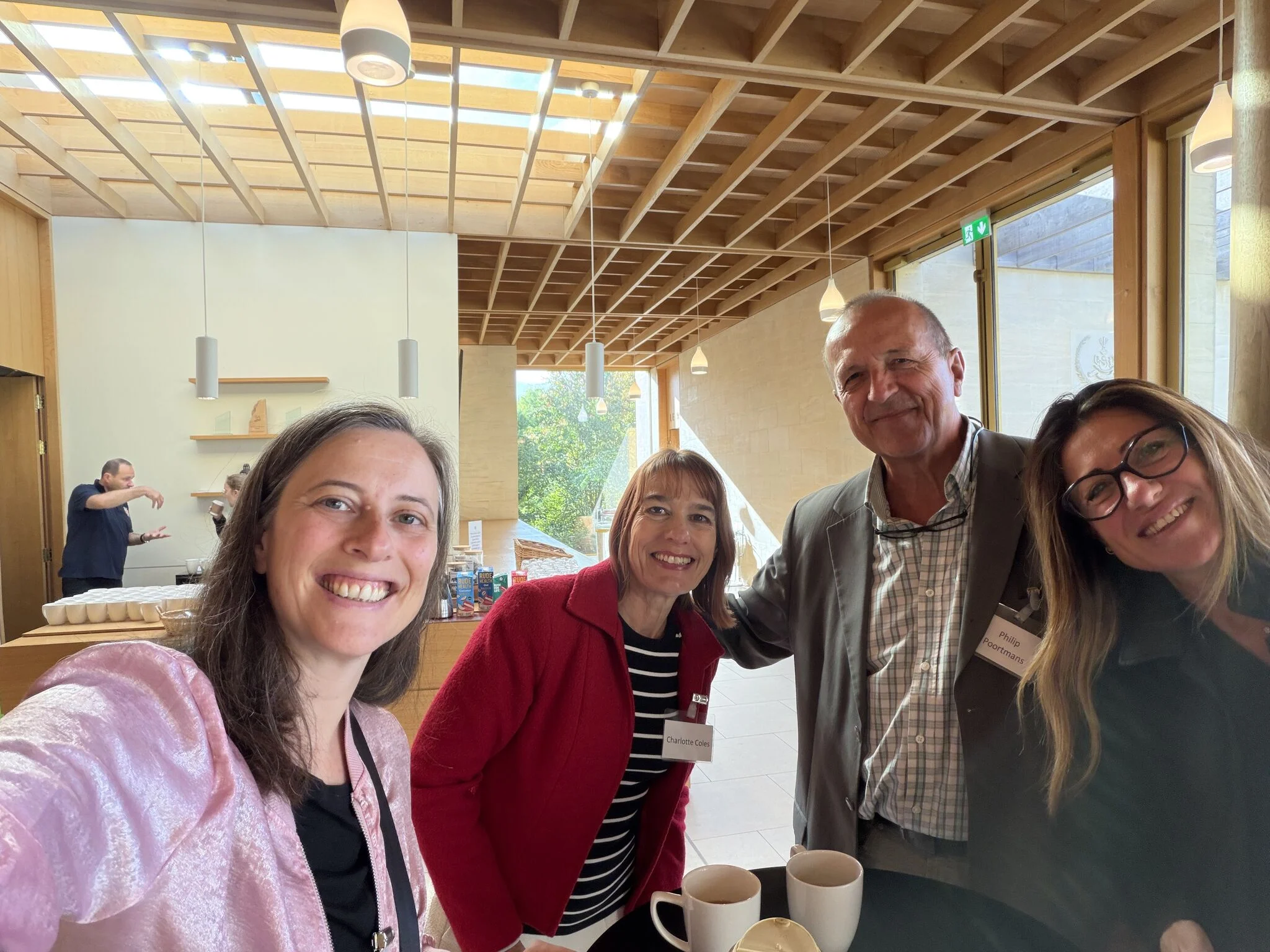
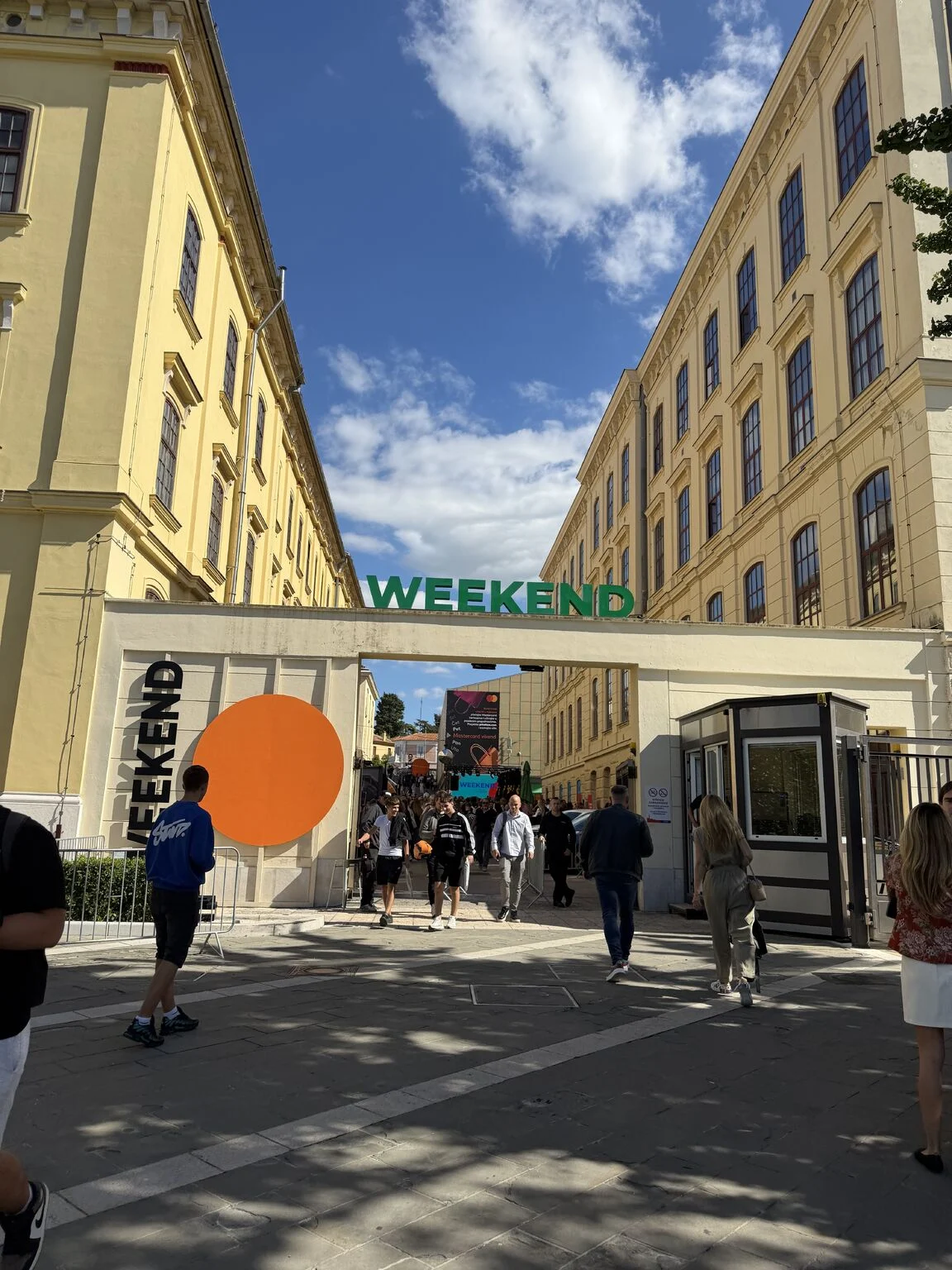
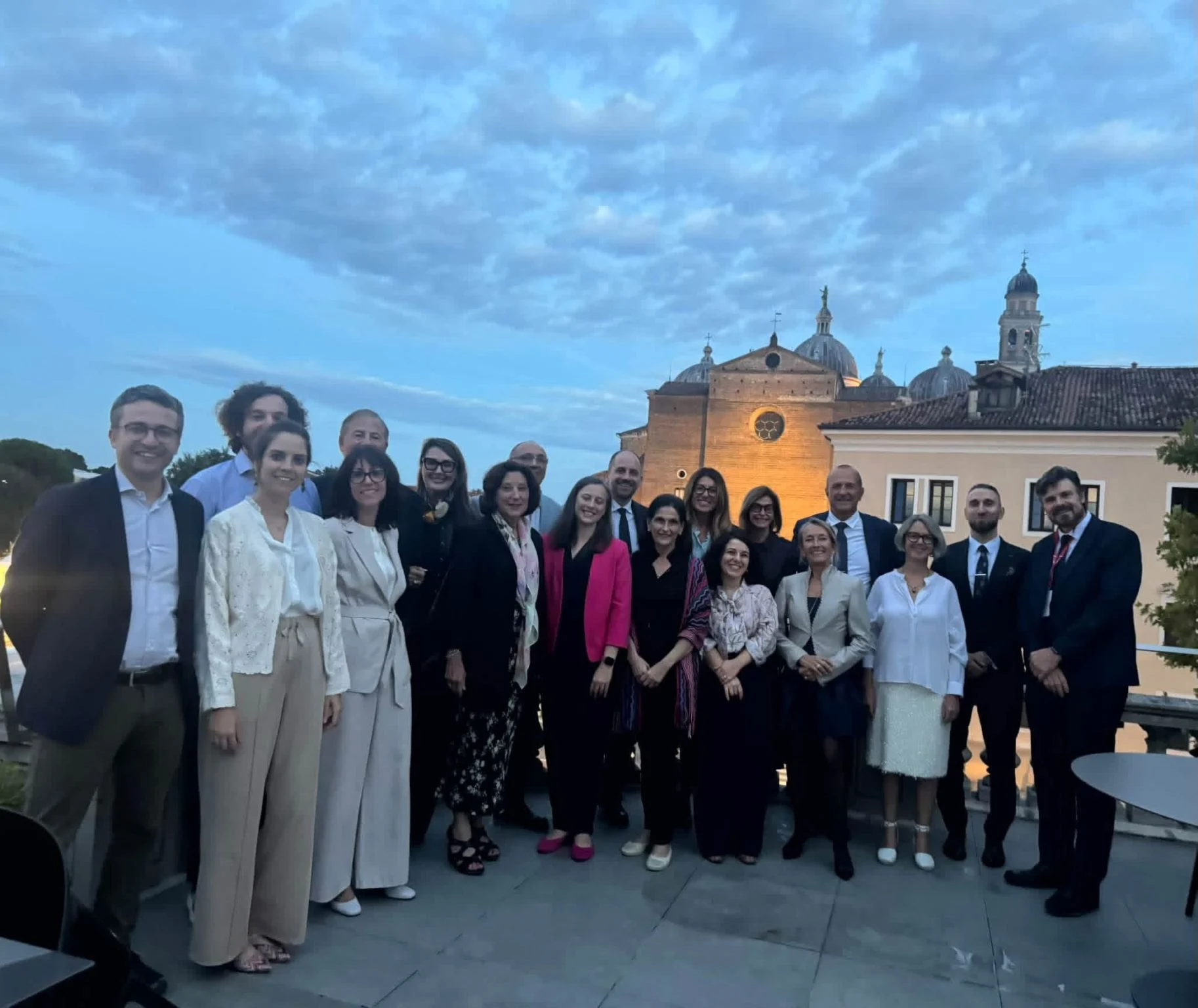
This month took me to Oxford, Padova, Brussels, Paris and Rovinj, and filled many long days in Ljubljana.
Different places. Different people. Different topics.
The same purpose: making sure the experiences and needs of people living with cancer are part of the conversations where decisions are made.
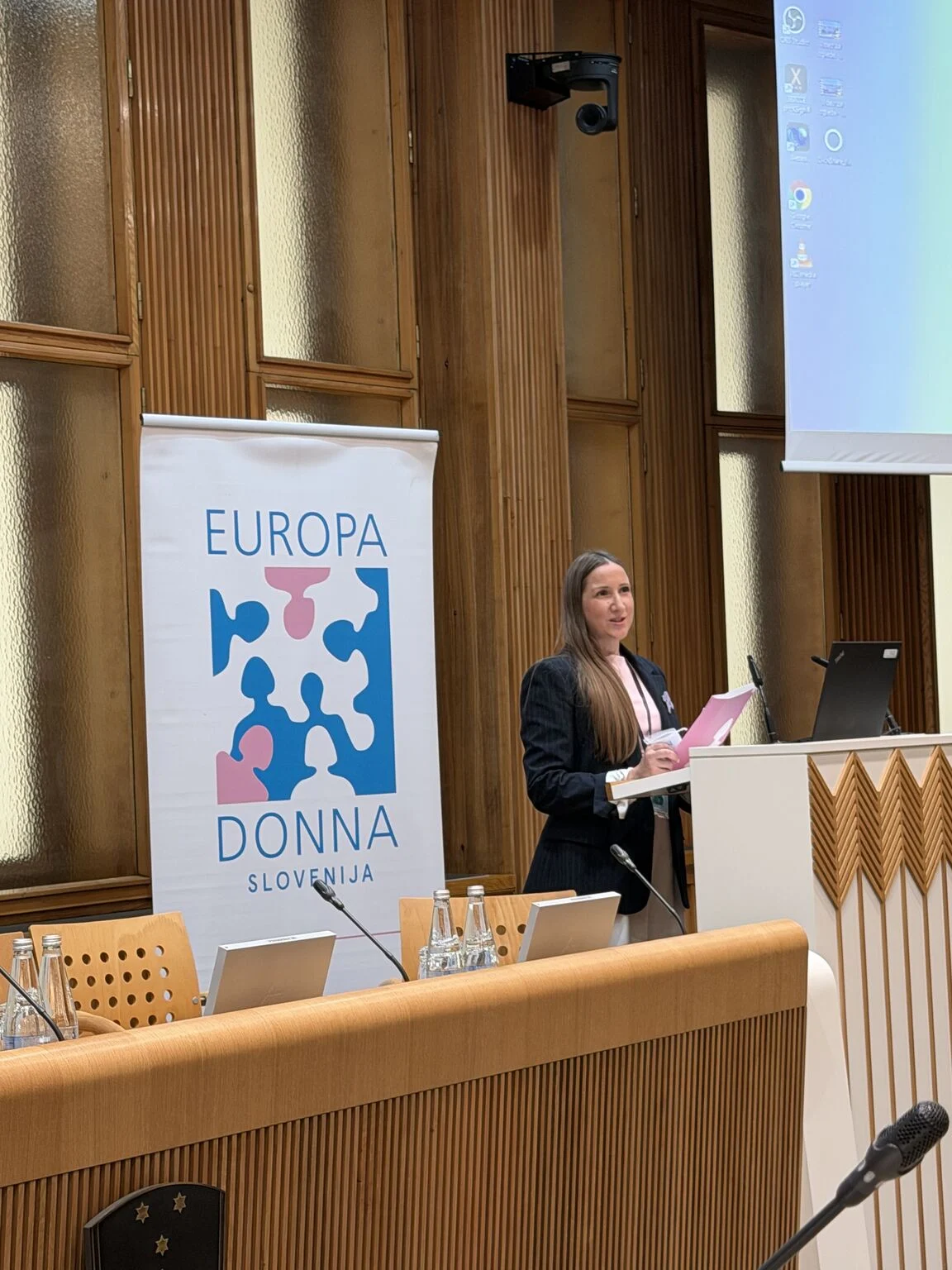
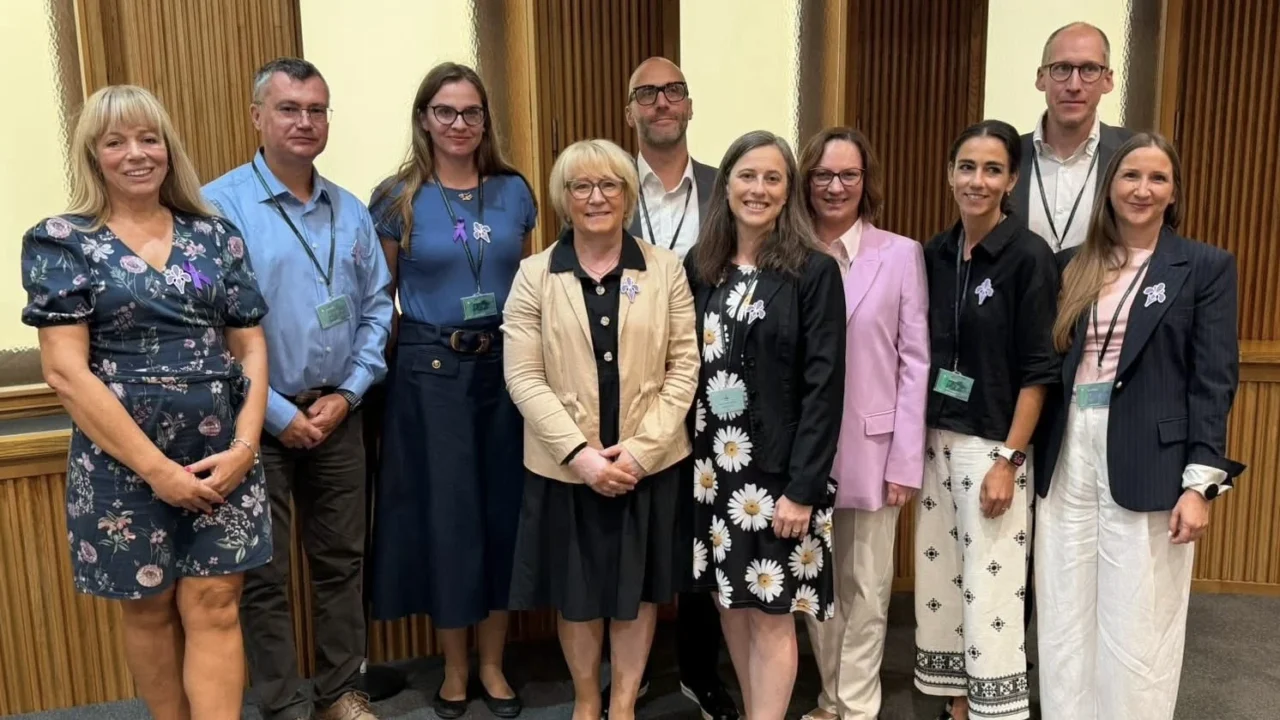
On 15 September, we brought patients, clinicians and decision-makers together at the Slovenian Parliament (Državni zbor) for a policy event on gynaecological oncology. It put the needs of women with gynaecological cancers firmly on the policy agenda.
Between the travelling, there was the everyday work. Days in the office with my wonderful team. Projects, campaigns, emails, documents and planning. Our counselling phone, where people call with questions, fears and practical problems, or simply because they need someone who understands.
There were conversations about access to treatment, research, late effects, quality of life, returning to work, screening, and the realities of living with and beyond cancer.
And there were the less visible parts:
- Reading documents.Commenting on guidelines.
- Reviewing research proposals.
- Connecting people.
- Asking questions.
- And sometimes, simply listening.
- This is what patient advocacy looks like to me.
It is not speaking for patients when patients can speak for themselves. It is bringing lived experience into decision-making. It is creating space for different patient experiences and priorities. It is translating between worlds that do not always speak the same language: patients, healthcare professionals, researchers and policymakers.
And perhaps most importantly, it is making sure that the person at the centre of healthcare does not disappear somewhere along the way. A little bit of everything, and quite a lot of listening.
And now it’s October’s turn!”
Other posts featuring Tanja Spanic on OncoDaily.