





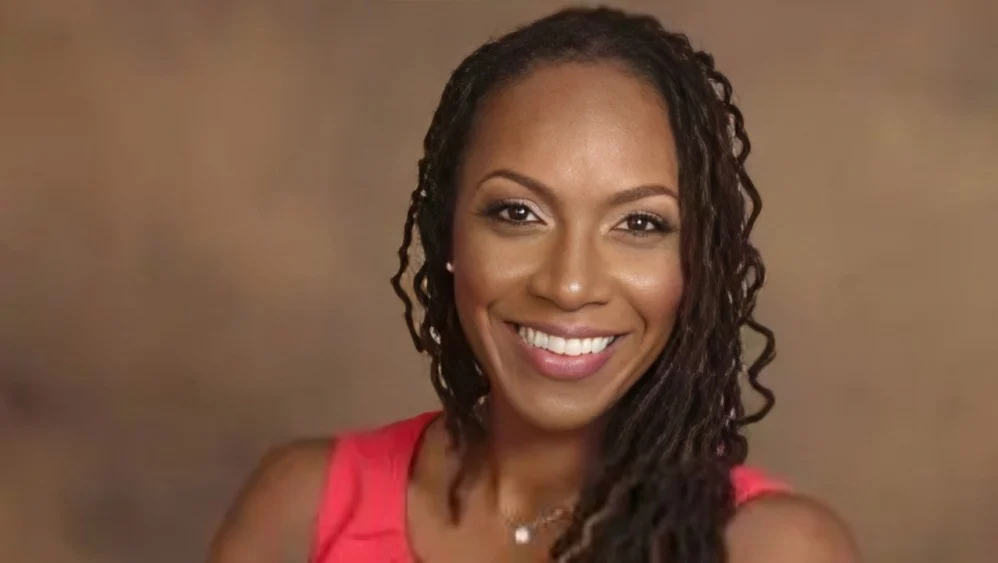
Tania Small, SVP, Head of Medical Affairs at Bristol Myers Squibb, shared on LinkedIn:
”We treat the tumor with precision. Why not the biology around it?
In oncology, we have learned to understand tumors with extraordinary precision. Their mutations. Their pathways. Their vulnerabilities.
And we can treat many tumors in ways that would have been unimaginable not long ago.
But exercise? Nutrition? sleep? Metabolic health?
Most of us were not trained to think of those as part of cancer treatment… I know i wasn’t!! But the evidence is becoming increasingly difficult to dismiss.
A structured exercise program after chemotherapy improved disease-free survival in colon cancer and reduced the risk of death by 37%.
Greater physical activity after a breast cancer diagnosis has been associated with an approximately 40% lower risk of breast cancer-related death.
And early research in MGUS and smoldering myeloma is exploring whether a high-fiber, plant-based diet can shift the microbiome, influence immune biology, and affect disease progression.
This is not wellness. This is biology… It’s metabolism. Inflammation. Adipose tissue. Immune signaling. The microbiome. The tumor microenvironment.
And it deserves the same rigor we bring to every other part of cancer care.
But rigor means more than telling patients to exercise, eat better, and sleep more, then leaving them to figure it out while carrying treatment, fatigue, pain, fear, work, and family.
The responsibility cannot sit with the patient alone.
At ASCO, I brought together Dr. Neil Iyengar, Arianna Huffington, and Chris Boerner to examine the biology, the evidence, the science of behavior change, and what healthcare systems must build so more patients can benefit.
This is Beyond the Tumor: From Biology to Behavior Change, a DoctoRx Unscripted short film.
The science is here. Now we have to put it into practice. Watch the film. Then tell me: what will it take to make this part of standard cancer care?”
Other articles featuring Tania Small on OncoDaily.