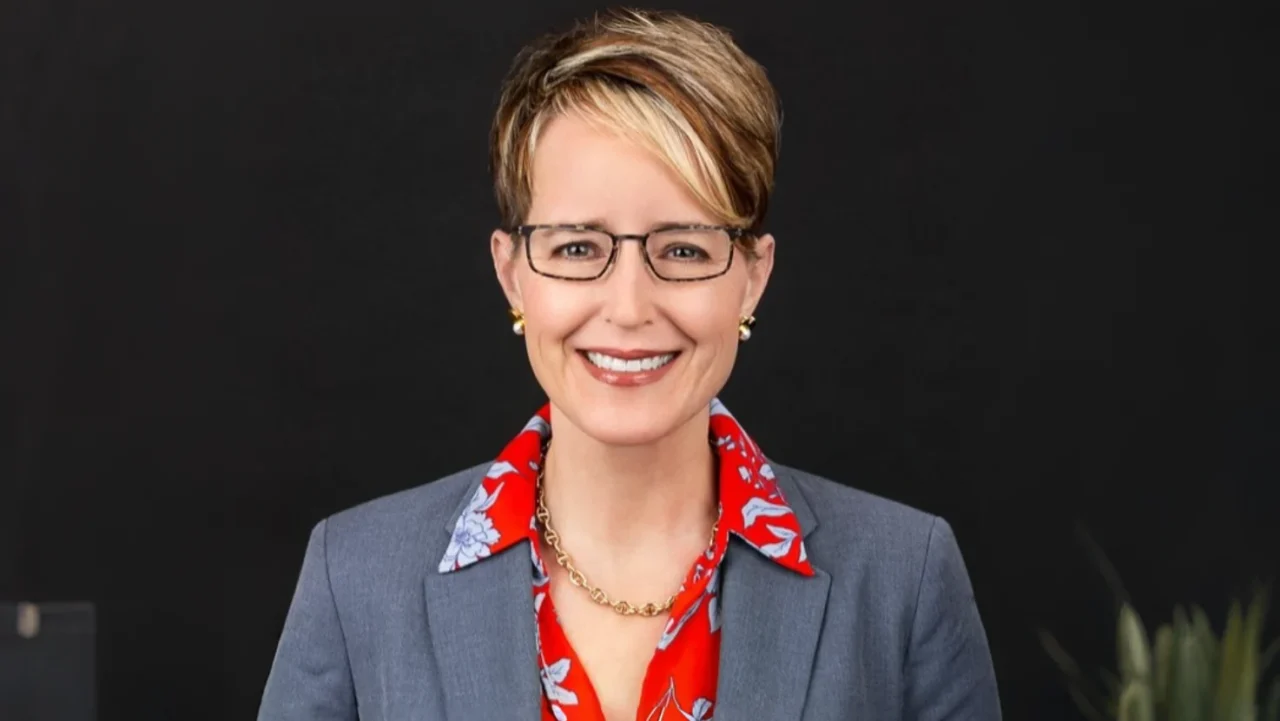
Susanna Fletcher Greer, Chief Scientific Officer at the V Foundation, shared on LinkedIn:
“Cancer treatment can present a heartbreaking paradox. A therapy that works beautifully for one patient may do little for another.
Even when a treatment is initially successful, cancer can sometimes find a way around it. For patients and their families, that uncertainty can be devastating. For scientists, it raises an intriguing question: what if we could change the cancer rather than change the drug?
That’s the idea behind fascinating new research from the V Foundation grantee Dr. Priyanka Verma and colleagues at Washington University School of Medicine in St. Louis. Their study, published in EMBO Reports, explores a potential way to make ovarian cancers more vulnerable to treatments that previously had little effect.
They focused on a simple reality of cancer biology: cancer cells are under tremendous pressure. As they grow and divide, they accumulate damage to their DNA and must continually repair it to survive. In many ways, cancer cells are working overtime just to stay alive. The Verma team identified a protein called ALC1 that helps cancer cells manage this damage. When they removed that protein, ovarian cancer cells became much more sensitive to an existing class of drugs called PARP inhibitors. A Win!
What I love about this study was it worked in several different models of ovarian cancer, including those that had already developed treatment resistance and others that ordinarily don’t respond to these drugs. More encouraging, the healthy cells did not become similarly sensitive, raising the possibility of making treatments more effective without causing comparable damage to normal tissue. The Verma team also identified a potential way to predict which tumors might benefit most. Fingers crossed!
I love that the V Foundation supported this work, because it illustrates something important about scientific discovery. We often imagine progress in cancer treatment as the arrival of a completely new drug. But sometimes a breakthrough begins with understanding why a treatment stopped working in the first place, and then discovering a way to give it another chance.
For a patient running out of options, making an existing treatment effective is every bit as meaningful as inventing a new one.
Find the Verma lab at Meet the Team — VERMA LAB WUSTL and read this study at Endogenous replication stress creates a unique therapeutic window for ALC1 targeting | EMBO Reports | Springer Nature Link.”
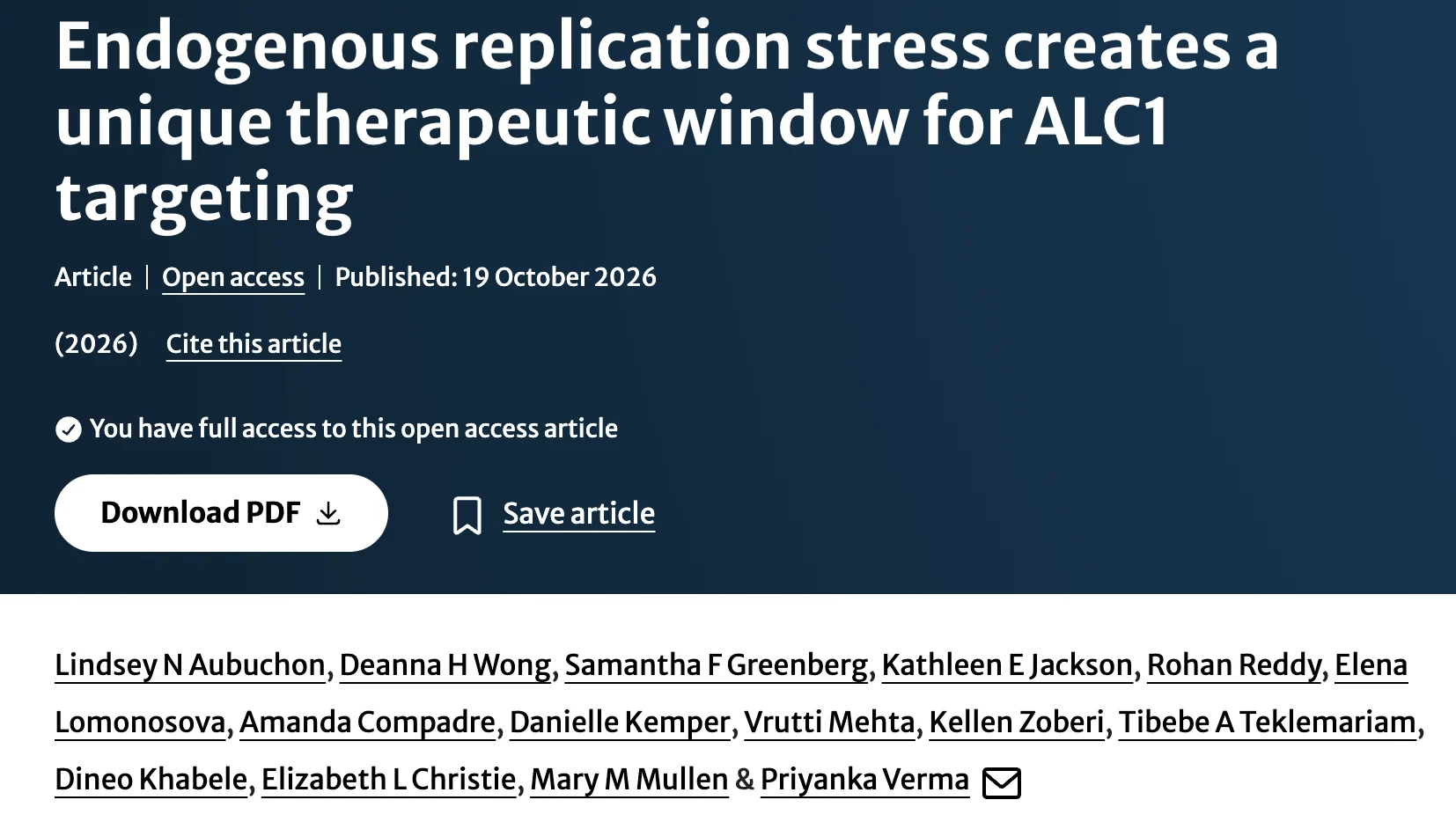
Title: Endogenous replication stress creates a unique therapeutic window for ALC1 targeting
Authors: Lindsey N Aubuchon, Deanna H Wong, Samantha F Greenberg, Kathleen E Jackson, Rohan Reddy, Elena Lomonosova, Amanda Compadre, Danielle Kemper, Vrutti Mehta, Kellen Zoberi, Tibebe A Teklemariam, Dineo Khabele, Elizabeth L Christie, Mary M Mullen, Priyanka Verma
Read the Full Article on EMBO Reports
You can also read: Botensilimab Plus Balstilimab Shows 48% Estimated Three-Year Survival in Recurrent Ovarian Cancer at IGCS 2026