





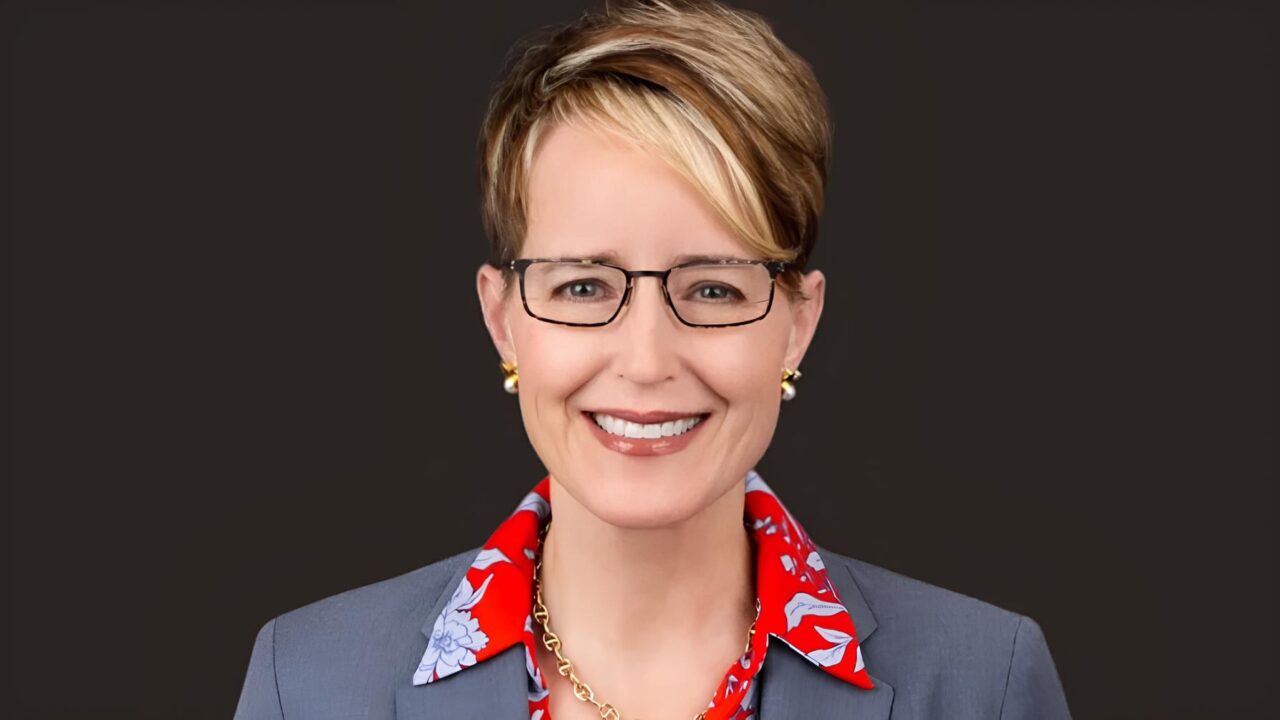
Susanna Fletcher Greer, Chief Scientific Officer at The V Foundation, shared on LinkedIn:
“Austin ‘Flash’ Schroeder was just 15 years old when he died from lymphoma. Throughout his treatment, he lived by a simple philosophy: ‘Win the Day.’ Even during the hardest moments, Austin chose hope, kindness, and gratitude. He cared deeply about the younger children he met in the hospital and dreamed of one day encouraging them through their own treatment.
Although Austin never had that opportunity, his legacy continues to inspire hope in a different way.
Through the V Foundation and the Dick Vitale Pediatric Cancer Research Fund (learn more at Childhood Cancer – V Foundation) in memory of Austin Schroeder, Austin’s family and supporters chose to invest in something bigger than one moment or one precious child. They chose to invest in research, believing that discoveries made today could create a better future for children diagnosed with cancer years from now.
This week, that belief reached an important milestone.
Dr. Chunliang Li, a 2021 V Scholar at St. Jude Children’s Research Hospital and team recently published a significant new study in Leukemia that advances our understanding of childhood acute myeloid leukemia (AML), one of the most aggressive pediatric blood cancers. Dr. Li’s V Scholar Award, in memory of Austin, demonstrates how philanthropic investments in promising young investigators can mature into meaningful scientific advances years later.
One of the greatest challenges in treating AML is relapse. Even when therapy destroys most leukemia cells, a small population known as leukemia stem cells can survive. These cells act like the roots of a weed. Unless the roots are eliminated, the leukemia can return. Dr. Li’s team discovered that a protein called RBM5 is essential for those leukemia stem cells to survive. When RBM5 was disrupted in preclinical models, leukemia progression slowed, survival improved, and healthy blood-forming stem cells were largely spared. That distinction matters because one of the ultimate goals of cancer research is to develop treatments that selectively target cancer while minimizing harm to healthy tissue.
The research also uncovered a new way to interfere with one of cancer’s most important, and historically most difficult to target, drivers. Rather than trying to attack the driver directly, Dr. Li’s team found that RBM5 helps sustain activity within leukemia stem cells. By disrupting RBM5, they were able to weaken one of the disease’s most critical survival pathways, opening the door to an entirely new therapeutic strategy.
While this discovery will require years of additional research before it could become a treatment, it represents exactly the kind of progress that moves cancer research forward. Every important advance builds upon years of careful experimentation, collaboration, and persistence.
That’s why the timeline matters: this paper was published in 2026, but its story began in 2021 when the V Foundation, in memory of Austin, invested in a talented early-career scientist with an ambitious idea. Five years later, that investment has contributed to a discovery that could influence how researchers approach childhood leukemia for years to come.
With cancer patients, we often think in terms of months, days, moments, milestones. Cancer research is measured in years, and often decades. Research requires donors who are willing to believe in scientists and science before the answers are known, to support bold ideas before they become breakthroughs, and to understand that today’s grant may become tomorrow’s discovery, and one day, a life-changing therapy.
That is the long game. I’m deeply grateful to Austin’s family, and to every donor who chooses to invest in research with patience, optimism, and hope. Their generosity gives scientists the freedom to ask difficult questions, pursue innovative ideas, and uncover discoveries that have the potential to improve the lives of thousands of children and families they may never meet.
Austin’s life continues to make a difference, not because of how long he lived, but because of the legacy his family chose to create. Five years after this V Scholar Award was made, that legacy is already helping move childhood cancer research forward. I can’t imagine a more meaningful way to honor a remarkable young man.”
Other posts featuring Susanna Fletcher Greer on OncoDaily.