


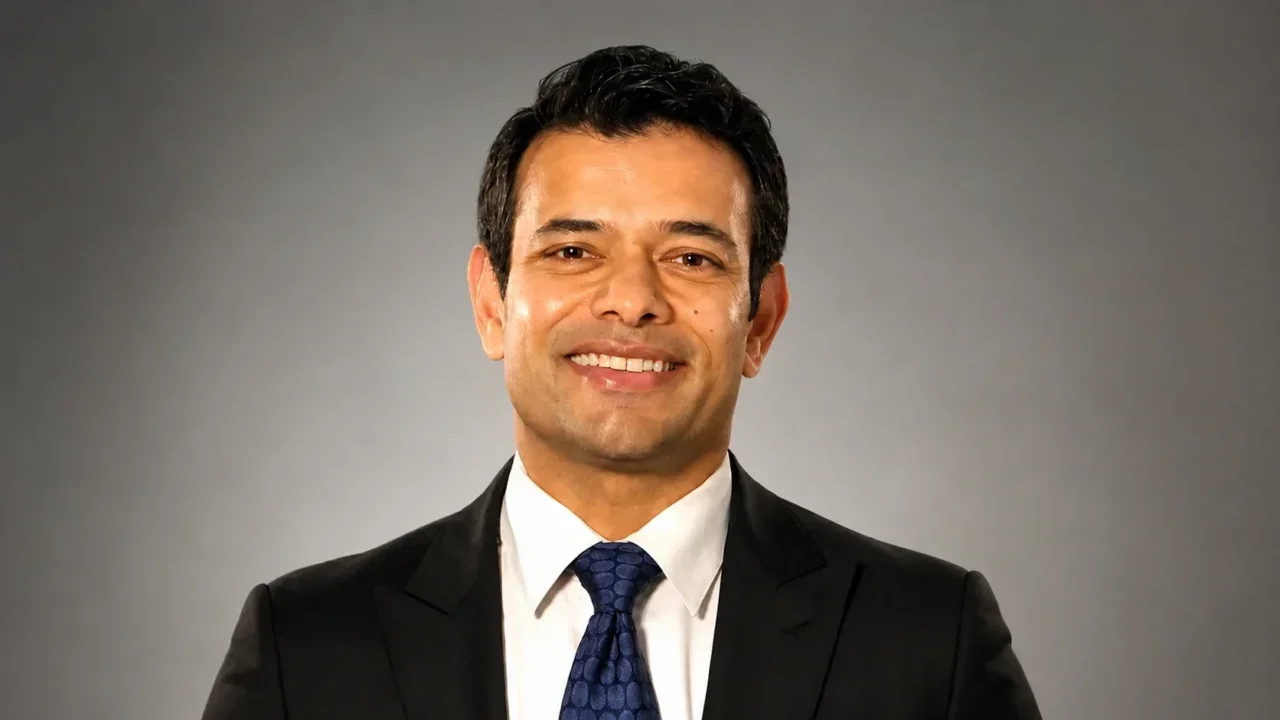
Sumanta Pal, Professor and Vice Chair of Academic Affairs at City of Hope, shared on LinkedIn:
“Academic medicine is changing.
Twenty years ago when I started at City of Hope, many of my initial projects were derived from ‘water cooler’ conversations. I remember casually walking into Arti Hurria’s office or running into Stephen Forman at the cafeteria and bouncing crazy ideas off of them. Only a fraction of my concepts came to fruition, but in the process, I developed deep bonds with the faculty I interfaced with.
Now, the vast majority of academic centers have more of a commuter culture. On non-clinic days, offices are largely vacant. Clinic days are jam-packed and consolidated, with no time for casual scholarly dialogue.
There is a bright side to this. Spending more time at home saves on the office commute, and there is the added perk of spending time with family between Zoom/Teams/Webex/GoogleMeet sessions. The world of virtual meetings has also opened up more seamless collaboration with global partners – in yesteryear, it would have taken multiple plane flights to achieve this.
Still, I am worried that our fellows and junior faculty are getting shortchanged. How can senior faculty (outside of established vertical reporting structures) get to know junior faculty on a personal level, a prerequisite for forming mentoring or sponsoring relationships? How can basic scientists and clinicians meet serendipitously to forge translational concepts?
I took on the role of VC of Academic Affairs within my department about 2 years ago. I am proud of our fellows and junior faculty, but I’m worried that they’re not getting the same opportunities I had access to. I’m sure many in my network have stewed over this issue – would love to get your thoughts on how we balance the risks and rewards of commuter culture in academic medicine.”
About Sumanta Pal
Sumanta Pal is a Professor of Medical Oncology and Vice Chair of Academic Affairs at City of Hope in California. He is a medical oncologist and internationally recognized researcher specializing in genitourinary cancers, particularly kidney, bladder, and prostate cancers.
He also co-directs City of Hope’s Kidney Cancer Program and is involved in clinical research focused on developing new treatment approaches for urologic cancers. His work includes clinical trials, targeted therapies, and collaborations between laboratory researchers and clinicians. He has published more than 550 research articles in medical journals.
You may also be interested in: