





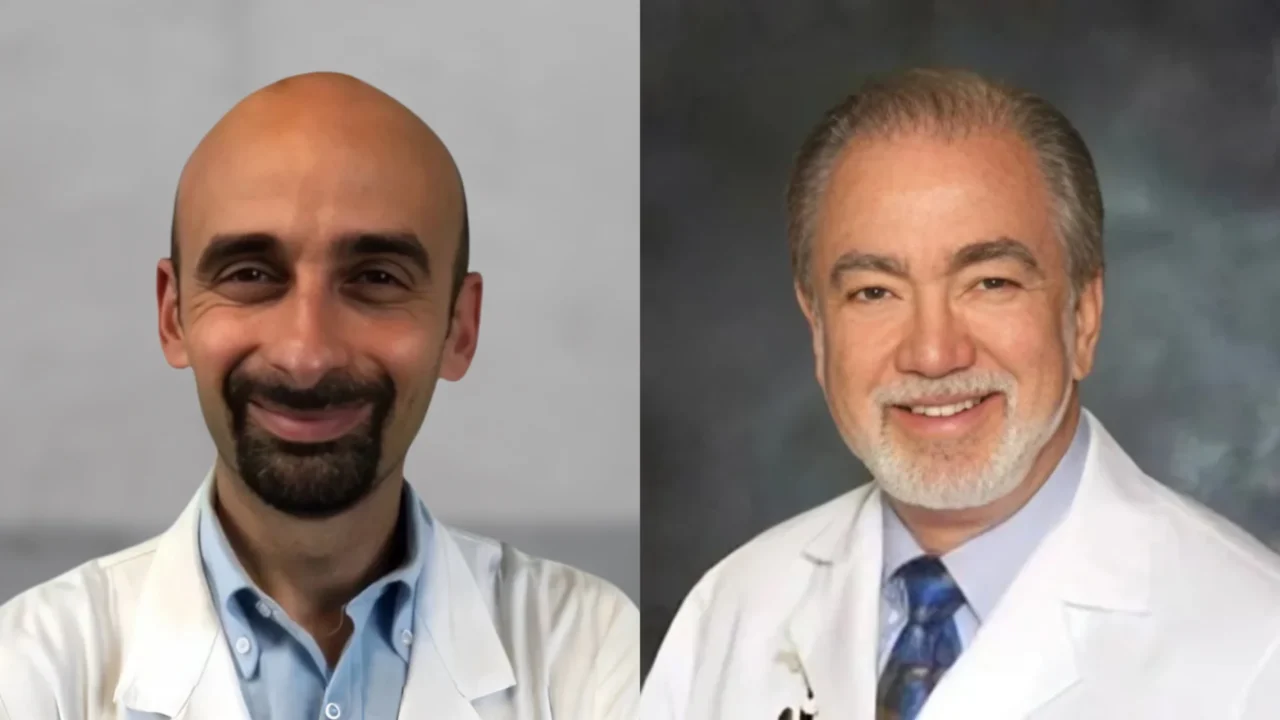
Stefano Magno, Breast surgeon, Chief of Center for Integrative Oncology at Agostino Gemelli University Policlinic, shared a post on LinkedIn by Jay Harness, Chief Medical Officer at Maple Tree Cancer Alliance, adding:
“Can patients lose fat while preserving the muscle they need to fight cancer? The answer increasingly appears to depend on whether structured exercise and proper nutrition accompany medical therapy.
Lifestyles are not an add-on, they are an essential part of the integrative cancer care.”
Quoting Jay Harness‘ post:
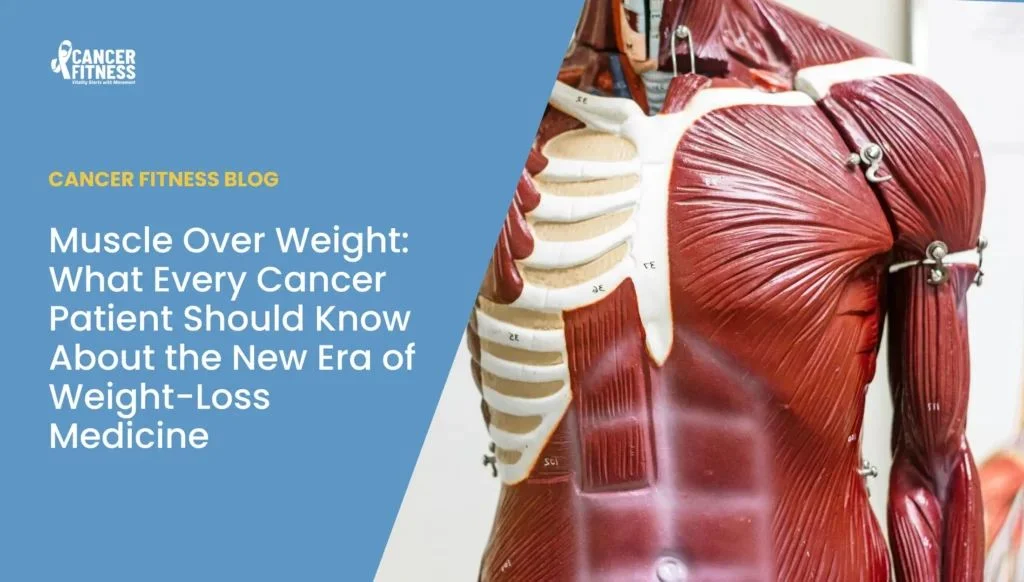
“Muscle Over Weight: What Every Cancer Patient Should Know About the New Era of Weight-Loss Medicine
The arrival of highly effective GLP-1 medications and next-generation obesity treatments has transformed how physicians think about weight management. New drugs such as semaglutide, tirzepatide, and investigational multi-receptor therapies can produce levels of weight loss once achievable only through bariatric surgery. Yet a recent commentary by diabetes and obesity expert, Dr. Robert Gabbay argues that medicine has reached a pivotal moment: the conversation should no longer focus on ‘How much weight can we lose?’ but rather, ‘How do we improve health while preserving muscle?’
For cancer patients and survivors, this shift could not be more important.
Cancer Patients Face a Different Challenge – many individuals diagnosed with cancer experience changes in body composition long before they notice changes on the scale.
Chemotherapy, radiation therapy, surgery, endocrine therapy, immunotherapy, chronic inflammation, inactivity, poor nutrition, and aging all contribute to the progressive loss of skeletal muscle, a condition known as sarcopenia.
Unlike obesity alone, sarcopenia directly affects how patients live, function, and respond to treatment.
Research has consistently shown that reduced muscle mass is associated with:
- Increased chemotherapy toxicity
- Greater postoperative complications
- Reduced tolerance of cancer treatments
- More fatigue and physical disability
- Loss of independence
- Poorer quality of life
- Increased all-cause and cancer-specific mortality
In Exercise Oncology, preserving muscle has become just as important as treating the cancer itself.
One of the most important observations highlighted by Dr. Gabbay is that 25–40% of rapid weight loss may come from lean body mass rather than body fat. That statistic should capture the attention of every oncologist.
Many cancer survivors are now candidates for GLP-1 medications because of obesity, diabetes, cardiovascular disease, or metabolic syndrome. While these medications offer tremendous health benefits, they also raise an important clinical question. Can patients lose fat while preserving the muscle they need to fight cancer and maintain independence?
The answer increasingly appears to depend on whether structured exercise and proper nutrition accompany medical therapy.
Exercise Oncology was built around the principle that muscle is medicine.
Decades of research now demonstrate that appropriately prescribed exercise can:
- Preserve skeletal muscle during treatment
- Increase muscular strength
- Reduce cancer-related fatigue
- Improve balance and mobility
- Enhance treatment tolerance
- Much more
For cancer survivors, preserving muscle is not merely a fitness goal, it is an essential component of modern cancer medicine.
Read more at Cancer Fitness.”
Other articles featuring Stefano Magno on OncoDaily.