






Stacy Wentworth, Radiation Oncologist, Clinical Associate at Duke University Health System, shared a post on Substack:
“Every cancer treatment in use today was funded in some part by the National Institutes of Health (NIH). Whether that was discovery of the actual compound through a massive drug screening effort begun in the 1950s or through the Human Genome Project completed in 2003. If you or a family member has been diagnosed with leukemia, lymphoma, colon cancer, breast cancer, head and neck cancer, or any other type of malignant process, you have been touched by NIH-funded research.
And that’s not all. Smoking cessation programs, non-pharmacologic opioid addiction treatments, antibiotic resistance, heart disease prevention, infant death from SIDS interventions, HIV-AIDS treatments. These are just a few of the programs that were funded and championed by your tax dollars through NIH grants.
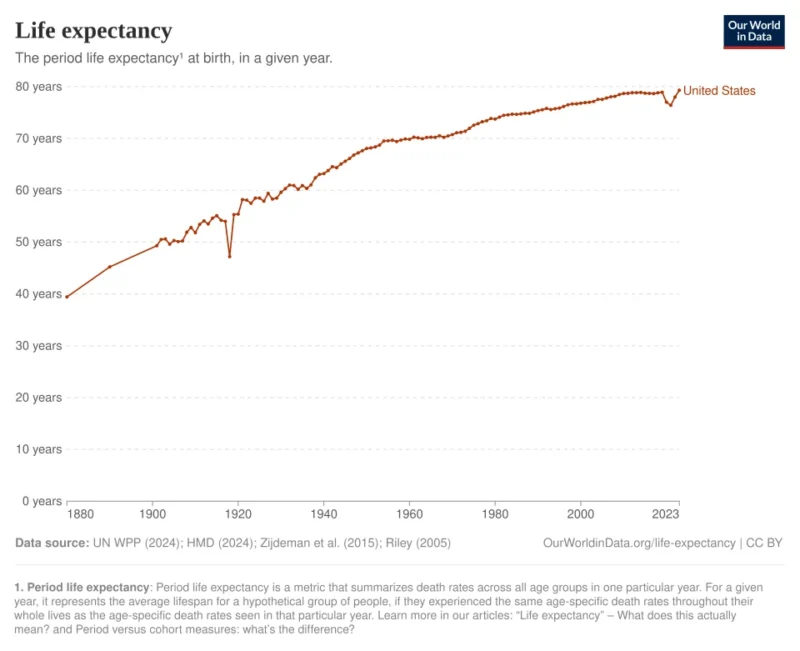
The result of all of this NIH research is that, with a few notable exceptions (the 1918 influenza pandemic and the COVID-19 pandemic), life expectancy in the U.S. has increased dramatically over the past century.
Source: Wikimedia Commons
But your tax dollars do not just impact the health of Americans. The U.S. Government has been the largest donor to global health in the world.
The NIH, for example, provides training grants to international scientists, funds cooperative research projects including in cancer, and funds important emerging disease monitoring in places like China and Africa.
Well, at least it used to.
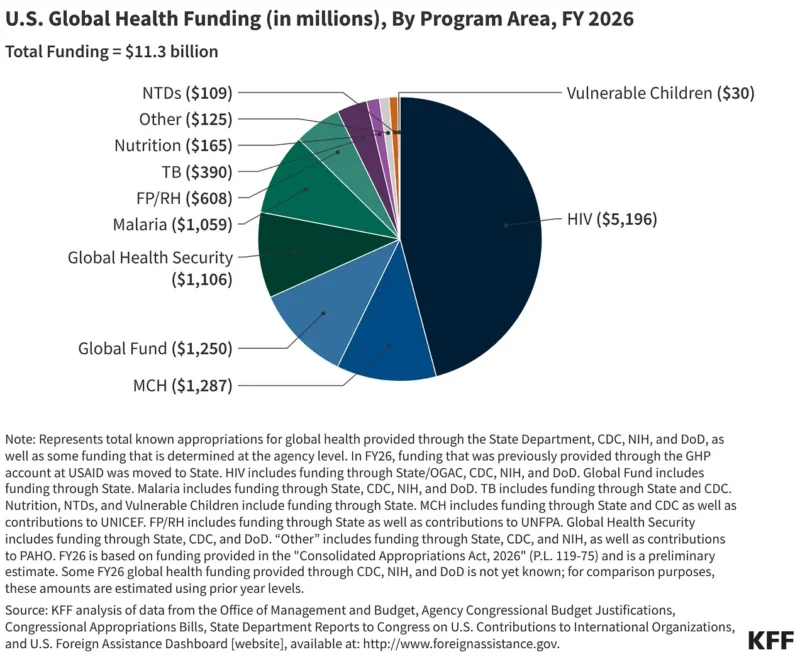
It is difficult to feel the impact of this funding as an individual. I’m not sure that I can point to one specific life saved. It can take decades of investment for any one of us to feel the impact of NIH funding. And unfortunately, humans are obsessed with what we can see and feel directly. The behemoth structure, multi-billion-dollar budget and regulatory complexity of the NIH make it a perfect target for politicians.
The NIH is a sprawling administrative mess. It is also the greatest research organization in the world. Yet, no one is driving around with a ‘Save the NIH’ or ‘Honk If You Love The NCI’ bumper sticker on her car. Although after talking to my guests this week, I think I might start.
Today, I’m excited to introduce you to Elizabeth Ginexi and Michael D. Green as we talk about what the NIH does right and what we need to change moving forward. I hope you learn as much from them as I did. I invite you to follow each of them here on Substack and, as always, I look forward to your comments.”
Other articles about NIH on OncoDaily.