





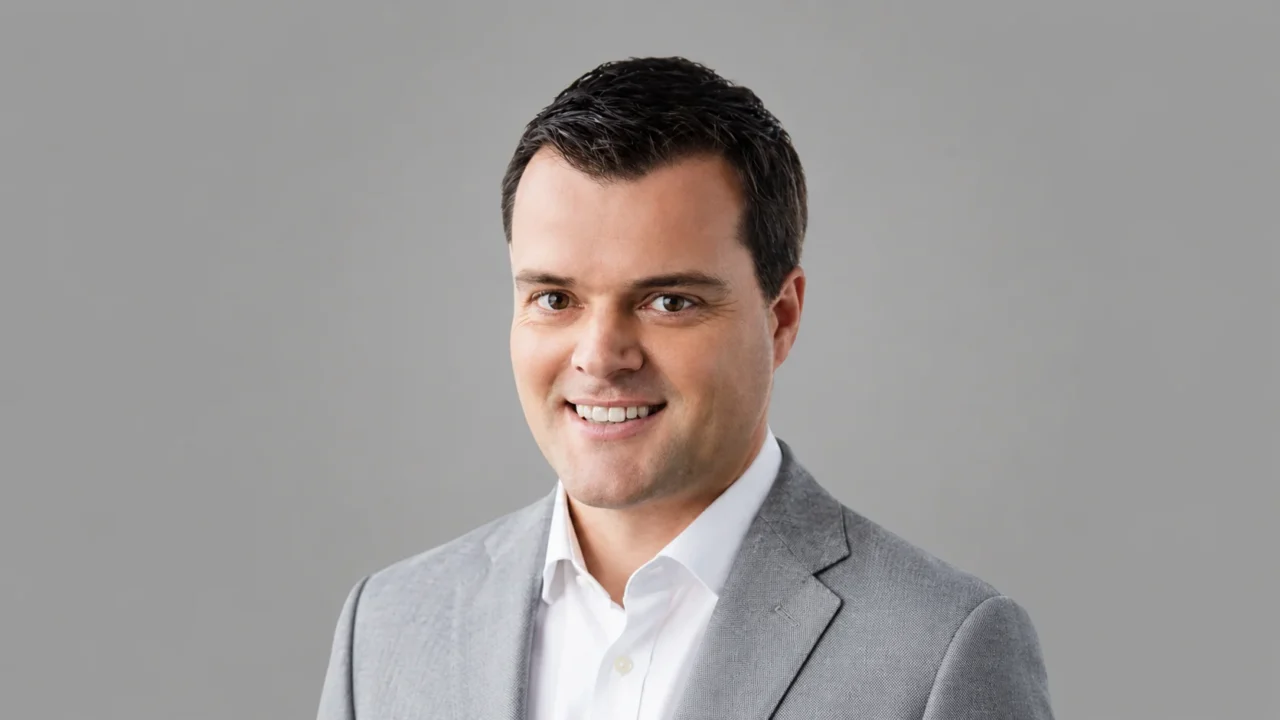
Sid Sijbrandij, Co-founder and Executive Chair at GitLab Inc, GP at Open Core Ventures and Even One Ventures, Co-founder of Kilo Code, shared on X:
“My cancer case is n=1.
I’m not holding it up as a model, because most of what I did is not specifically replicable or scaleable.
But it is a proof of concept that fully personalized medicine, built around one patient’s own biology, is viable in ways it simply wasn’t a few years ago.
I have lived a version of the future of cancer care that I think is worth aspiring to more broadly.
Many of the tools that made this future possible for me are getting better, faster, cheaper, and more accessible every year. I think what we need next is the infrastructure to deploy these tools, and the community willing to build this infrastructure, one patient at a time.
I want to help that future arrive faster.
I wrote an article in The Cancer Letter for the physicians and researchers closest to the patients who could benefit most from this approach, who also believe in this future.
If you are working towards building the systems and practices that will make personalized medicine operationally real, we want to collaborate with you too.”
From “default dead” to living the future of cancer care
To which Max Marchione, Founder of Superpower, added:
“Sid’s cancer story is a glimpse into the future of healthcare.
He was diagnosed with cancer, went through the standard treatments, and initially responded well.
Then the cancer came back.
By 2024, his doctors told him they’d run out of options (in other words: we don’t know how) So Sid started digging into his own case.
He built a 1,000-page G-doc, garnered specialists from different fields, and then used single-cell sequencing to find out what’s driving his tumor.
His findings took him to Germany to receive experimental treatment.
Today, he is in remission. His story says a lot about where healthcare is going. i.e. towards autonomy and less dependance on the traditional system.
We can already see the ‘infrastructure’ for that future slowly being built, for example:
- Diagnostics are getting cheaper. Genome sequencing once cost more than $100M, and today you can get it done in your living room for $100.
- AI reasoning is improving fast. Most models are already outperforming doctors.
- People are no longer waiting passively for the healthcare system to help them. Peptide craze and self-experimentation is a clear sign that people want more control over their own health.
Does this mean that hospitals and doctors are going away?
Not at all. But they will no longer be the primary source of health intelligence.
Those who can combine AI, better (and cheaper) diagnostics, continuous health data, and 10x doctors will be able to make faster and more informed decisions about their health. Sid’s story, and many others, is proof that this shift is already happening.”
Other articles featuring Sid Sijbrandij on OncoDaily.