





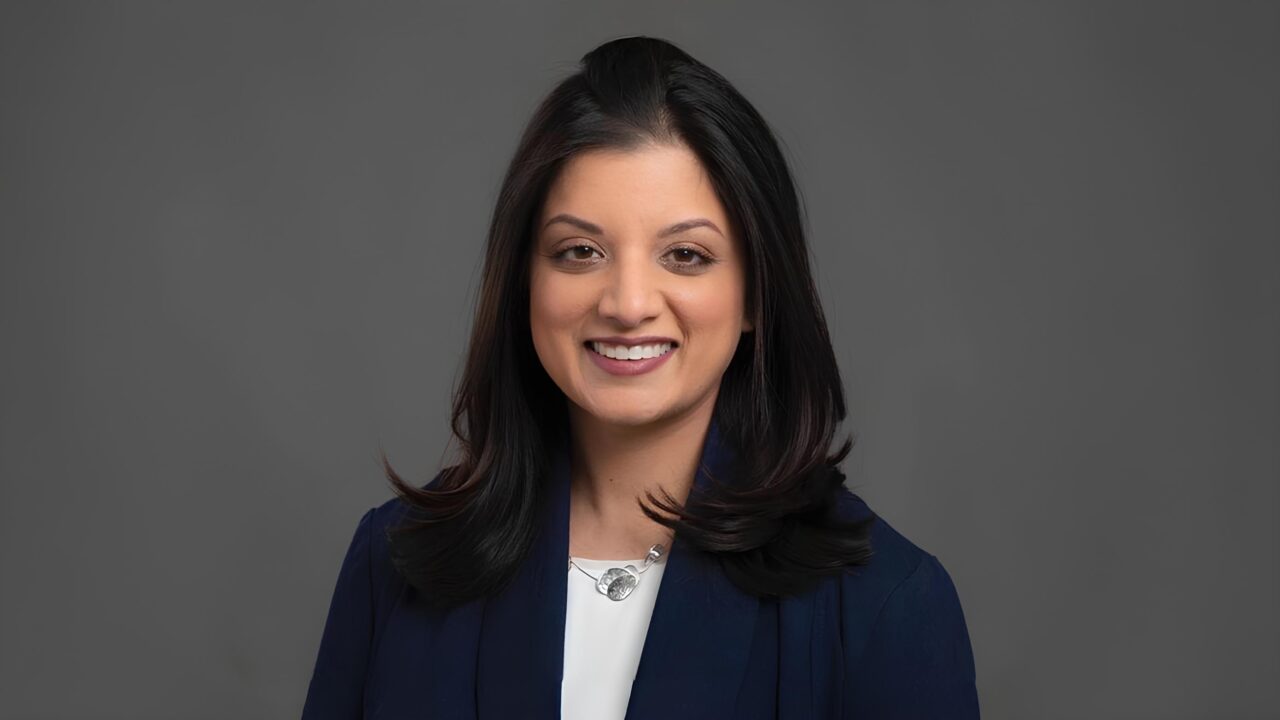
Shikha Jain, Founder, Chair of the Board (Former CEO) at Women in Medicine and Associate Professor of Medicine at The University of Illinois Cancer Center, shared a post on LinkedIn:
“Some of the hardest conversations I have as an oncologist are not about cancer. They are about the thing a patient read online that made them wait.
Last week was Cancer Prevention Action Week. The theme was Science Not Fiction, and I keep coming back to why that theme has to exist at all.
Here is what the data shows. A 2018 study found that patients who chose alternative treatments instead of standard cancer care were more than twice as likely to die within five years. For breast and colorectal cancer, the risk was higher still.
But the misinformation I see most often is not ‘refuse treatment.’ It is far quieter. Add this supplement. Do the cleanse first. Try this, what is the harm. The harm is almost always time, and in oncology time is not a neutral variable.
It is tempting to frame this as a patient problem. I do not see it that way. When I spoke with the The New York Times about ivermectin and fenbendazole spreading as cancer cures, my point was the same one I will make here. Patients are not gullible. They are navigating an information environment built to reward confidence and monetize fear. Clinics selling unproven treatments spent an estimated $15.8 million on search ads aimed at cancer patients between 2012 and 2023. That is not an accident. That is a business model.
So where does that leave those of us inside medicine?
We will never match the sheer volume of bad information. But we can be the trusted voice that gets there first. We can get ahead of the myths instead of only correcting them afterward. We can teach our trainees that countering misinformation is a clinical skill, not a side hobby. And we can keep saying, clearly, that the people worth trusting are the ones who name uncertainty rather than sell certainty.
If you work in healthcare, I would like to know. How are you handling these conversations in your own practice?”
Other articles about Cancer Care on OncoDaily.