


Sharon Kapambwe, Technical Officer Cancer Control at World Health Organization, shared on LinkedIn:
“It has been inspiring to see the continued momentum of childhood cancer services in Uzbekistan.
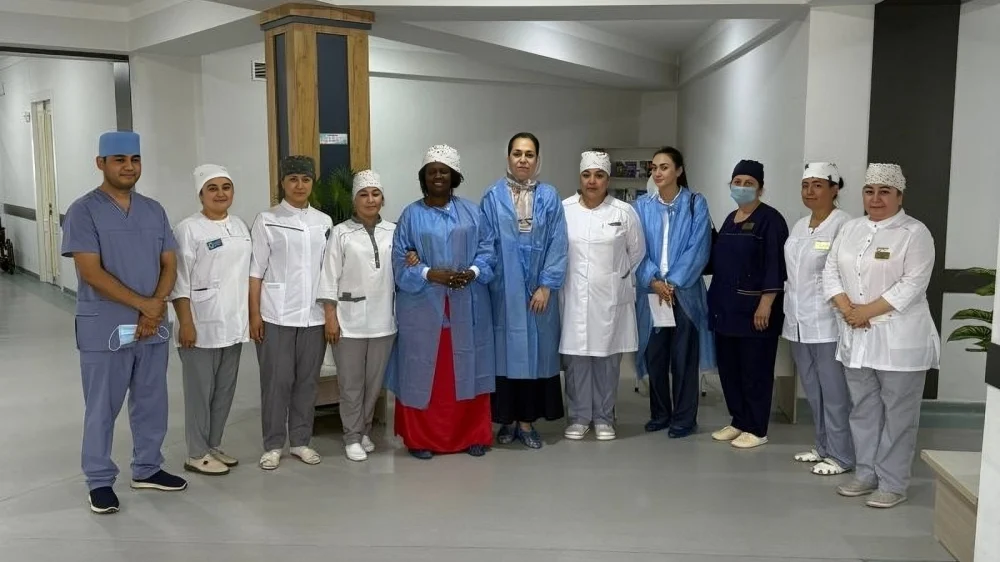
In June, the Ministry of Health, with support from WHO, commenced supportive supervision visits to health facilities participating in the Global Platform for Access to Childhood Cancer Medicines.
These visits provide an invaluable opportunity to engage directly with healthcare teams, observe service delivery firsthand, and better understand the realities of implementation at facility level.
Conversations with frontline health workers help identify operational challenges, showcase local innovations, and generate practical solutions to strengthen access to childhood cancer medicines and quality care.
One of the most important lessons from these visits is that effective programmes are built with the people who implement them.
While plans and policies may look strong on paper, listening to healthcare providers and understanding their day-to-day experiences helps ensure that interventions are responsive, practical, and impactful.
Following each visit, WHO and national counterparts review the findings through the National Technical Working Group, fostering collaboration, shared learning, and collective problem-solving.
This partnership is helping to strengthen service delivery and improve outcomes for children with cancer across the country.
The findings are further presented to global partners on childhood cancer, St. Jude, all levels of WHO and UNICEF.
Over the past year, more than 2,000 children have benefited from medicines provided through the Global Platform.
Behind every statistic is a child, a family, and the hope of a healthier future.
These achievements reflect not only improved access to life-saving treatment, but also a shared commitment to ensuring that every child has the opportunity to survive, thrive, and reach their full potential.
Progress is possible when partners work together.
As we build on these achievements, continued commitment to strengthening childhood cancer services will be essential to ensure that every child, everywhere, has equitable access to timely diagnosis, quality treatment, palliative care services and the opportunity to survive and thrive.”
Other articles from Sharon Kapambwe on OncoDaily.