Sendurai Mani, Associate Director of Translational Oncology at the Legorreta Cancer Center, is presenting a series exploring some of the most influential scientific papers that have shaped the field of cancer research on LinkedIn:
Paper 3: The Experiment That Helped Launch Immune Checkpoint Blockade
What if the immune system already knew how to attack cancer, but cancer survived because the immune response had its brakes on?
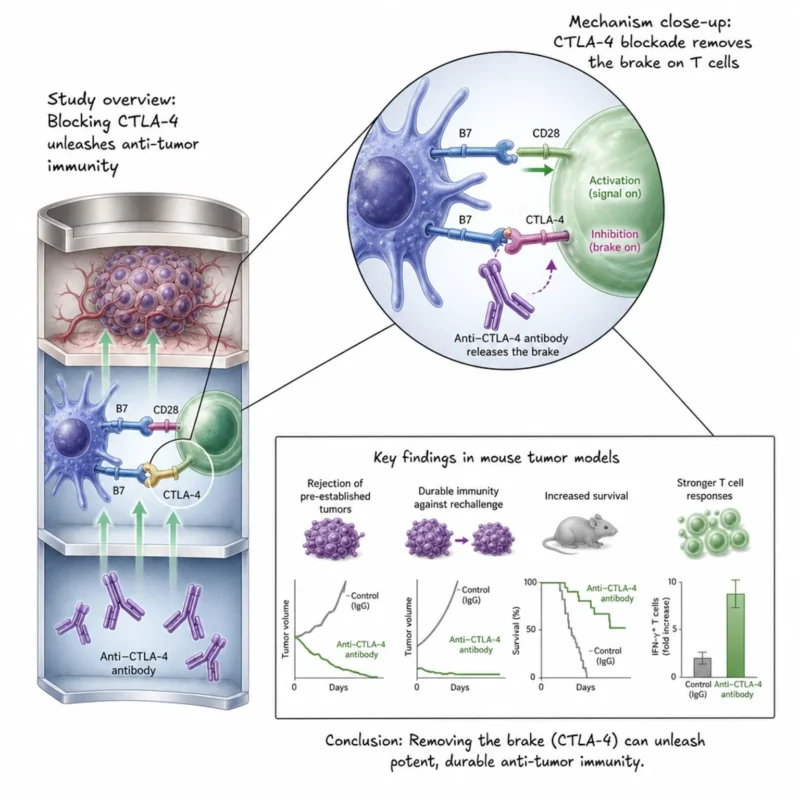
In 1996, Dana Leach, Matthew Krummel, and James Allison published a landmark Science paper testing a bold idea: instead of trying only to stimulate the immune system, could they fight cancer by removing an inhibitory signal?
That signal was CTLA-4, a negative regulator of T-cell activation.
In mouse tumor models, the researchers showed that blocking CTLA-4 with antibodies could lead to tumor rejection, including pre-established tumors. Even more remarkably, animals that rejected their tumors developed immunity against subsequent exposure to the tumor cells.
The conceptual shift was profound. Cancer immunotherapy did not necessarily require teaching the immune system an entirely new response. Sometimes, the immune response was already there; it simply needed to be unleashed.
This experiment became a crucial foundation for immune checkpoint blockade, ultimately contributing to the development of CTLA-4-targeting therapies such as ipilimumab and helping establish immunotherapy as a major pillar of modern cancer treatment.
Title: Enhancement of Antitumor Immunity by CTLA-4 Blockade
Authors: Dana R. Leach, Matthew F. Krummel, and James P. Allison