





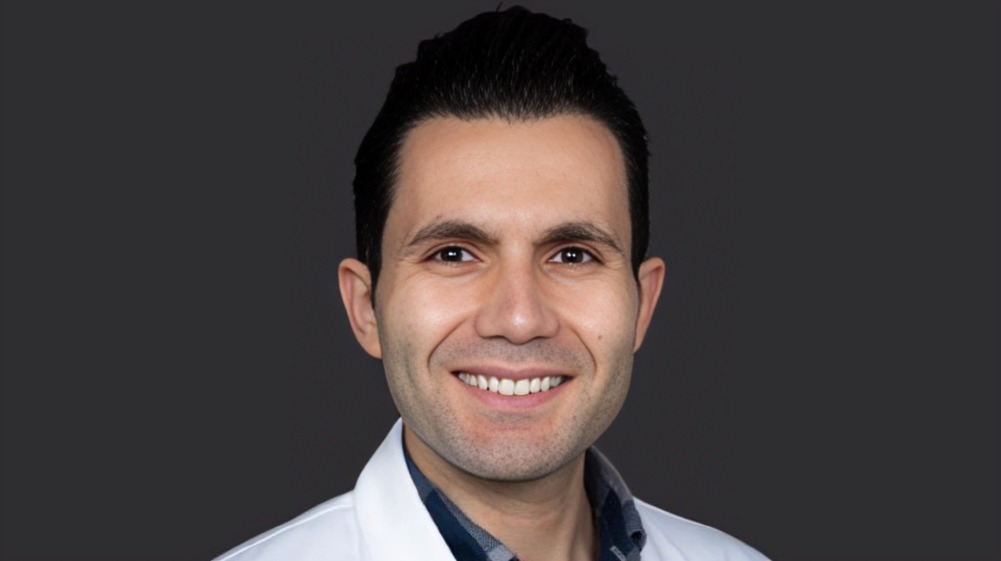
Roupen Odabashian, Hematology/Oncology Fellow at the Karmanos Cancer Institute, shared a post on X:
“The FDA just cleared something we’ve been talking about hypothetically for two years.
UpDoc got 510(k) clearance (K253281) for what it’s calling the first agentic clinical AI: software that doesn’t just draft the note, but titrates a patient’s insulin within physician-approved parameters, orders the confirmatory lab, and documents the whole intervention in the EHR. Without the patient booking a visit.
Read that again. Every ambient scribe and ‘ChatGPT for doctors’ tool to date has stopped at the edge of the action. It summarizes, suggests, retrieves. This is the first one the FDA has let cross into doing. That’s a different category, and the regulator treated it like one.
Here’s the part most of the coverage will skip: the indication is tiny on purpose. Medication management for adults with Type 2 diabetes. Not ‘an AI doctor.’ A narrow, bounded, well-understood titration problem with clear guardrails and a clear safety check. That’s exactly how this should arrive: not as a general clinical brain, but as one protocol, fully supervised, with the physician still holding the pen. It’s already live at Cleveland Clinic, Allegheny, and UCSF.
As someone who used to manage these patients, insulin titration is a place where a bounded agent could really help. It’s repetitive, protocol-driven, and the lag between a lab result and a dose change is where real harm hides. If an agent closes that loop safely under my oversight, that’s not a gimmick. That’s care that was falling through the cracks.
The question now isn’t whether AI can act in the clinic. The FDA just said it can. The question is which protocol is next, and who’s accountable when a bounded agent does exactly what it was cleared to do, and the patient still gets hurt.”
Other articles featuring Roupen Odabashian on OncoDaily.