





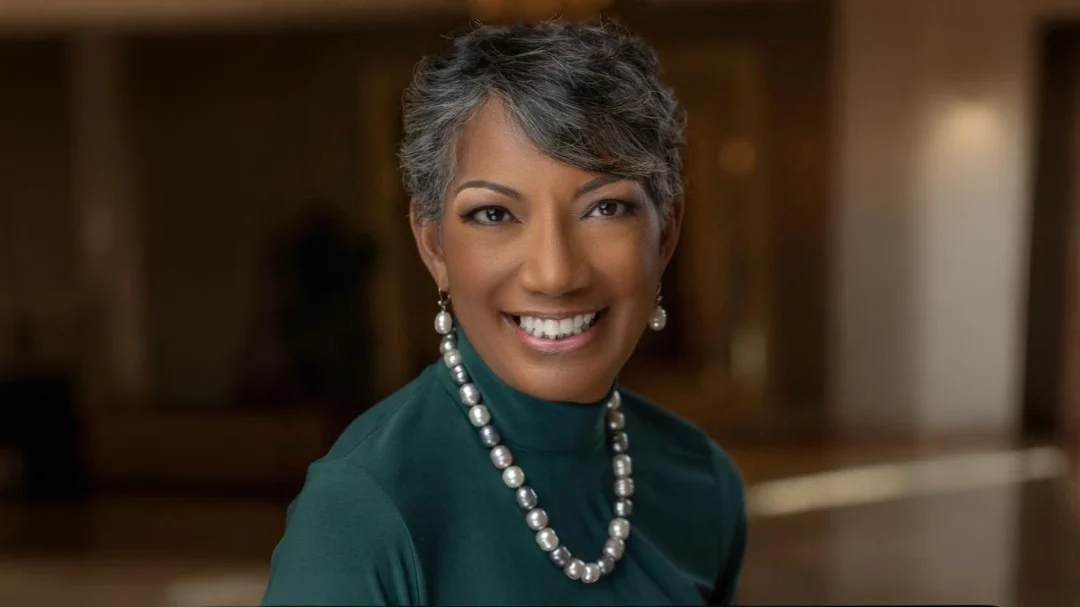
Ricki Fairley, Chief Executive Officer at Touch, The Black Breast Cancer Alliance, shared on LinkedIn:
”If you were in the room with me at the National Urban League Convention for the Women of Power Luncheon in Nashville, you know I had just 4 short minutes on stage to deliver a message that requires a lifetime of urgency. Since I didn’t have time in that moment to share all I wanted to say, I am giving it to you here in this article.
When you stand before a room of over 2,000 brilliant, influential Black leaders, advocates, and changemakers, you realize quickly: we are building economic power, advancing in our careers, and defending democracy- yet a silent, preventable emergency is cutting our lives short.
We have to talk openly about what I call ‘Black Disease’- the unique constellation of environmental exposures, systemic medical neglect, generational trauma, and a stark lack of science tailored to our biology that leaves Black Americans with disproportionately worse health outcomes.
Here is the full, unvarnished truth about the health of Black America- and what we must do right now to save our own lives.
1. The Numbers Don’t Lie: Our Silent Health Emergency
When we look at chronic illness in the Black community, population percentages only tell a fraction of the story. We carry a double burden of disease and mortality across almost every major health indicator:
Heart Disease and Stroke: 56% of Black adults have high blood pressure- the highest rate in the world. We are 35% more likely to die from cardiovascular disease and 50% more likely to suffer a stroke.
Diabetes: Black adults are 60% more likely to be diagnosed with diabetes and face double the rates of severe complications like kidney failure and amputations.
The Lp(a) Hidden Risk: Up to 50% of Black individuals carry elevated Lipoprotein(a) Lp(a)-a genetic cardiovascular risk factor set from birth that diet, exercise, and standard statin medications cannot fix. There are currently no medications to help with this.
Cancer Disparities: Across the board, we face higher mortality rates. Black men are more than twice as likely to die from prostate cancer. Black women have a 5% lower incidence of breast cancer than white women yet face a 38% higher mortality rate and are nearly 3X as likely to be diagnosed with aggressive Triple-Negative Breast Cancer. Black Americans are also twice as likely to be diagnosed with and die from multiple myeloma.
2. Breaking the Silence: Overcoming Cultural Taboos and Daily Habits
We cannot talk about systemic disparities without also calling out the silence within our own homes. Over 60% of Black families do not regularly discuss family medical history. We hide diagnoses behind euphemisms: grandmothers passing away from “female trouble” instead of naming ovarian or uterine cancer; uncles dying of ‘stomach issues’ instead of colon cancer; or talking around prostate cancer.
Silence is killing us. Because we don’t share our medical histories, our children and grandchildren miss out on early screening protocols- like getting mammograms at 35, colonoscopies at 40, or PSA tests at 40- that can catch disease before it reaches Stage IV.
Add to this the fact that over 52% of Black adults do not meet physical activity guidelines (driven by food deserts, time poverty, lack of green spaces, and chronic stress), and only 1 in 10 eats recommended daily fruits and vegetables- we are facing a lifestyle and structural crisis simultaneously.
3. GLP-1s and ‘Real Talk’: A Shot Is Not a Substitute for Movement
Everywhere you turn, people in our community are on GLP-1 medications (like Ozempic, Wegovy, and Zepbound). We are dropping sizes, looking great, and getting blood sugar down—and that progress is something to celebrate!
But let’s have some real talk:
- Where were we in the trials? Black adults carry 50% of the severe obesity burden in the U.S., yet we represented only 6% of GLP-1 weight loss trial participants. We have zero 10- or 20-year data on what these drugs do specifically to Black metabolic systems over time.
- Up to 39% of the weight lost on GLP-1s comes from lean muscle mass. If you take a shot and sit on the couch, you are burning away your leg strength, your metabolism, and your heart muscle.
- The Rebound: The second you stop taking the drug-or insurance stops paying-two-thirds of that weight can come roaring back as pure fat.
This shot cannot replace lifting weights, moving your body every single day, and eating healthy food.
4. The Solution: Clinical Trials Are Our Act of Survival
We represent 13.6% of the U.S. population and carry double the disease burden, yet we account for only 5% to 7% of overall clinical trial participants-and under 5% in major cancer trials.
When drugs are tested on majority-white bodies, we simply do not know if the dosing, efficacy, or side effects will work the same way for Black biology. Clinical trials are not ‘guinea pig’ experiments. Clinical trials are getting tomorrow’s life-saving medicine, today.
Our mantra at TOUCH, The Black Breast Cancer Alliance and our new company, Navigating Trials: We Are The Science We Have Been Waiting For™.
Your Action Items for Generational Wealth and Health
Generational health IS generational wealth. Before you move on with your week, commit to these five assignments:
Talk to your family: Break the taboo and map out your family medical tree this weekend.
- Know your numbers: Know your Blood Pressure, A1C, PSA, Lp(a), and full cholesterol numbers. You have to ask for your Lp(a) number as it is not provided with normal blood work.
- Get screened early: Don’t wait for symptoms to show up. Let your family history dictate when you should be screened. If there is cancer, heart disease, and/or diabetes in your family, you are at risk.
- Demand clinical trials: If you or a loved one face a major diagnosis, ask your doctor immediately: ‘What clinical trials are available for me?’
- Move your body every day: Protect your muscle, your heart, and your peace.
Let’s stop dying from preventable, treatable diseases. Be the CEO of your own health, of your family’s health!
Let’s demand the care we deserve, stand up for our health, and save our own lives.”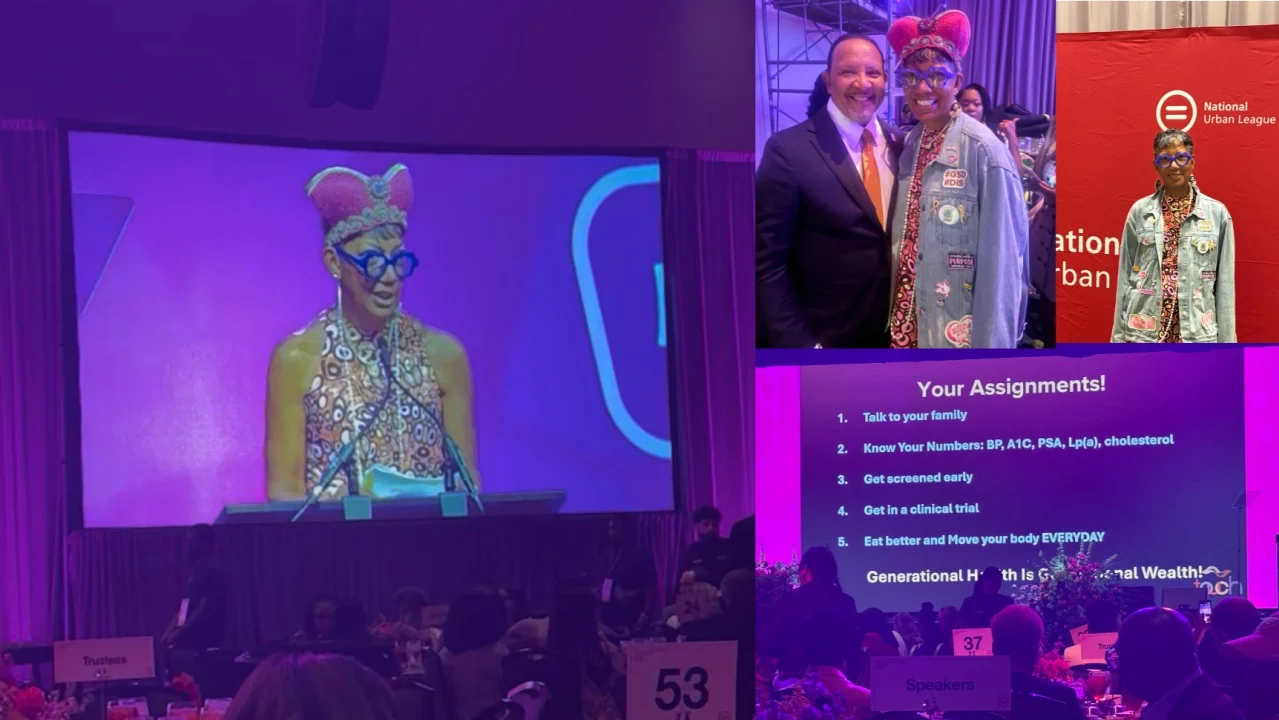
Other articles featuring Ricki Fairley on OncoDaily.