Rafael Vargas Alves, Vice-President at the Federal University of Health Sciences of Porto Alegre, shared on LinkedIn:
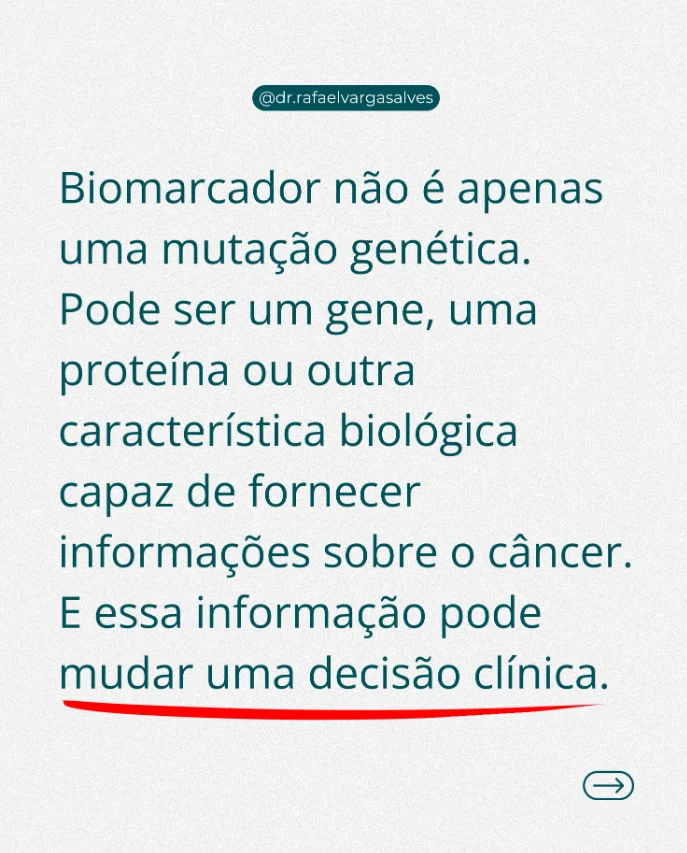
“Finding a biomarker can change the path of a cancer patient’s treatment.
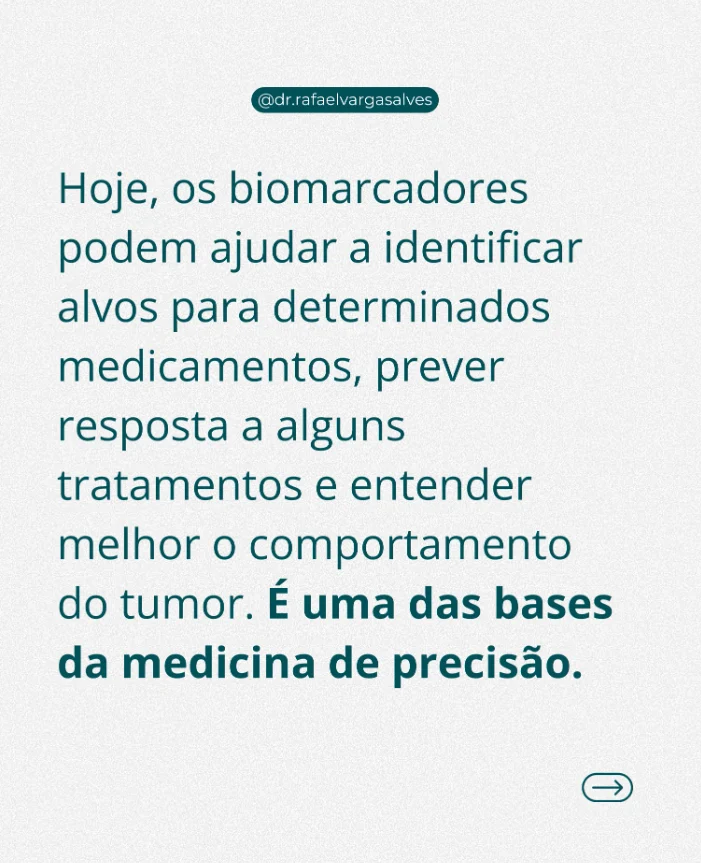
Today, a sample of the tumor can reveal genetic alterations, proteins and other biological characteristics that help to understand the disease and, in some cases, identify which treatments are most likely to work.
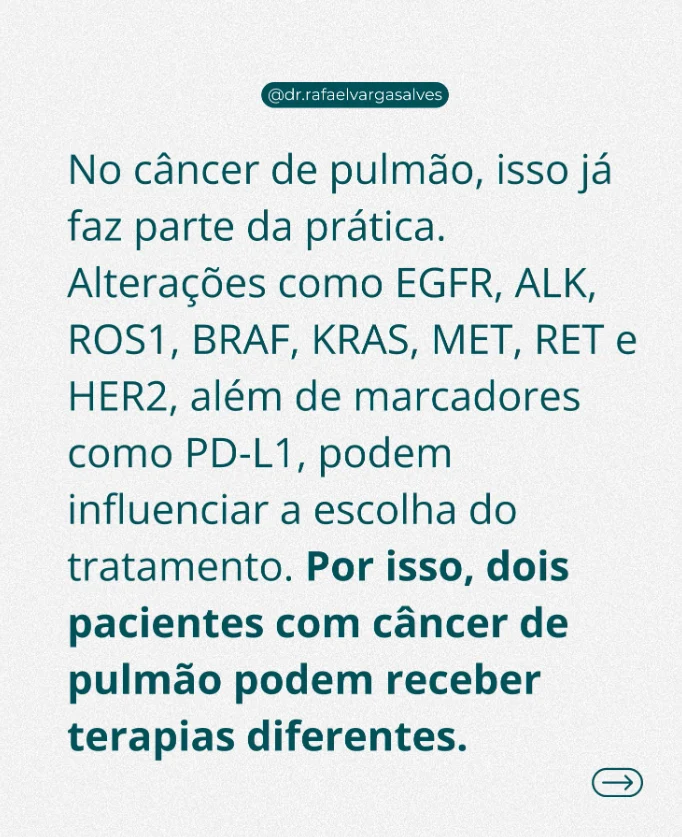
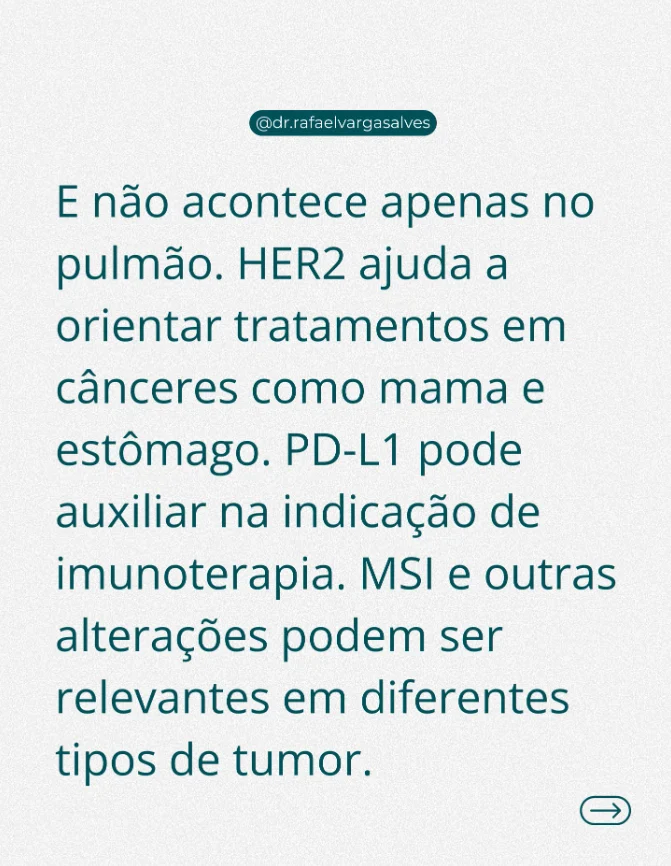
Lung cancer is one of the clearest examples. Alterations such as EGFR, ALK, ROS1, BRAF, KRAS, MET, and RET, as well as markers such as HER2 and PD-L1, can directly influence the therapeutic strategy. The 2026 ASCO guidelines reinforce the importance of molecular testing to guide these decisions.
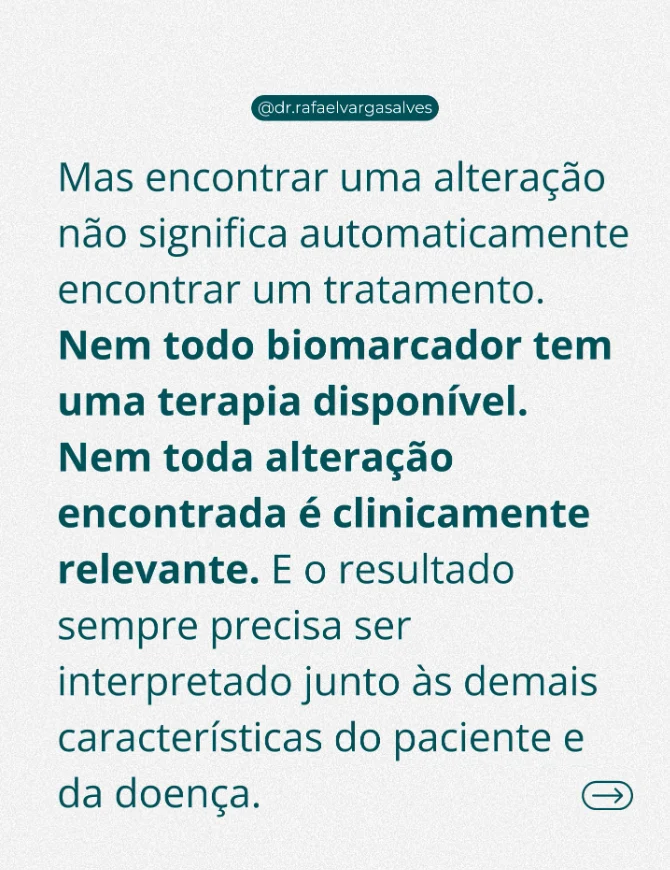
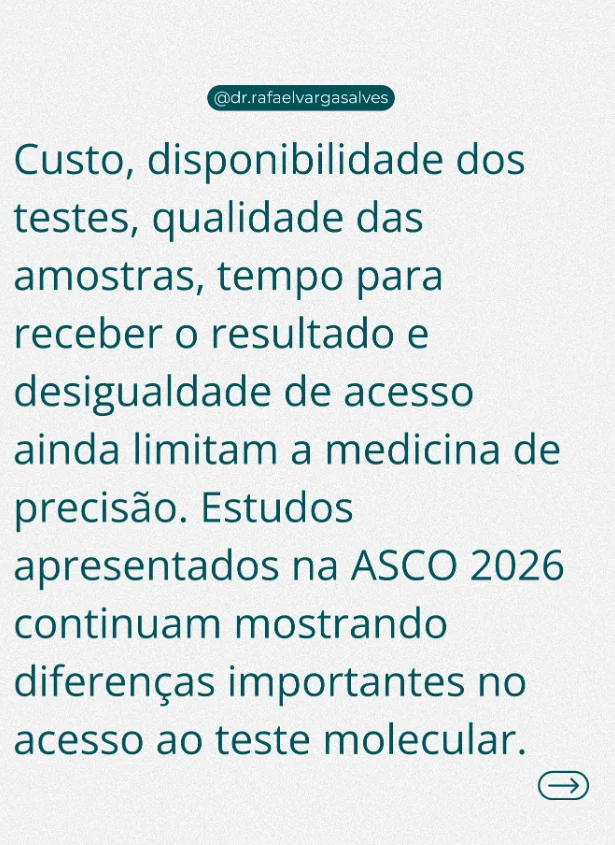
But finding a change doesn’t necessarily mean there’s a treatment available. In addition, cost, access to tests, and time to results are still important challenges.
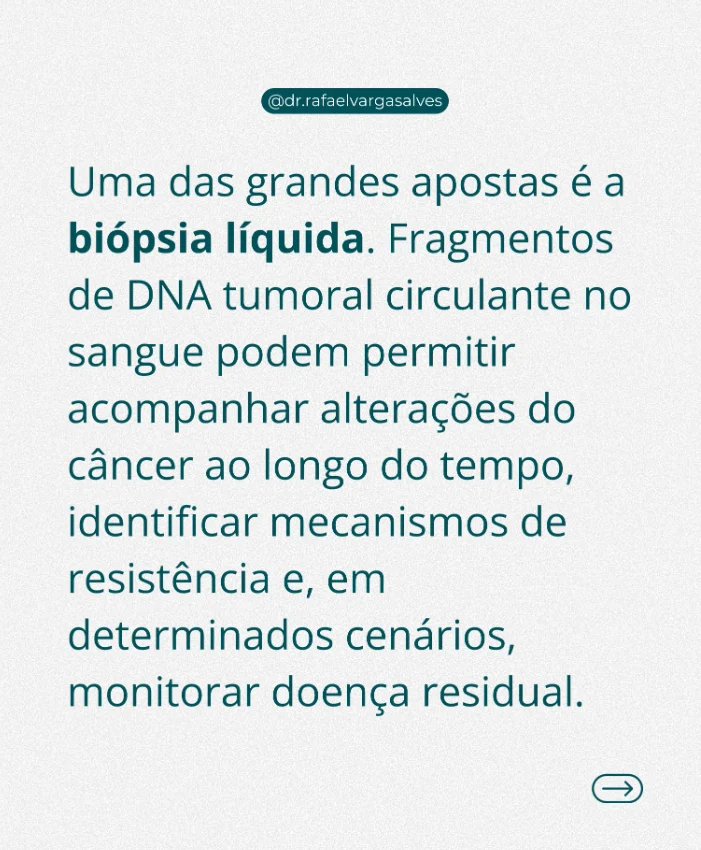
And the future promises to go further. Liquid biopsy, circulating tumor DNA, and the integration of molecular data with artificial intelligence can further expand our ability to understand and follow cancer.
Some of these tools are already part of clinical practice. Others are still being studied.
The next step in precision medicine is not only to generate more information about the tumor, but to find out which of it really helps to make better decisions for each patient.
References:
- ASCO. Therapy for Stage IV Non–Small Cell Lung Cancer With Driver Alterations. 2026.
- National Cancer Institute (NCI). Biomarker Testing for Cancer Treatment.
- Valpione S, et al. Nature Reviews Genetics. 2026.
- Wang X, et al. Nature Reviews Clinical Oncology. 2026.
- Bochaton D, et al. npj Precision Oncology. 2026.”
You can also read ‘Deadline for Biomarkers and Precision Oncology Forum Registration Comes Close‘.