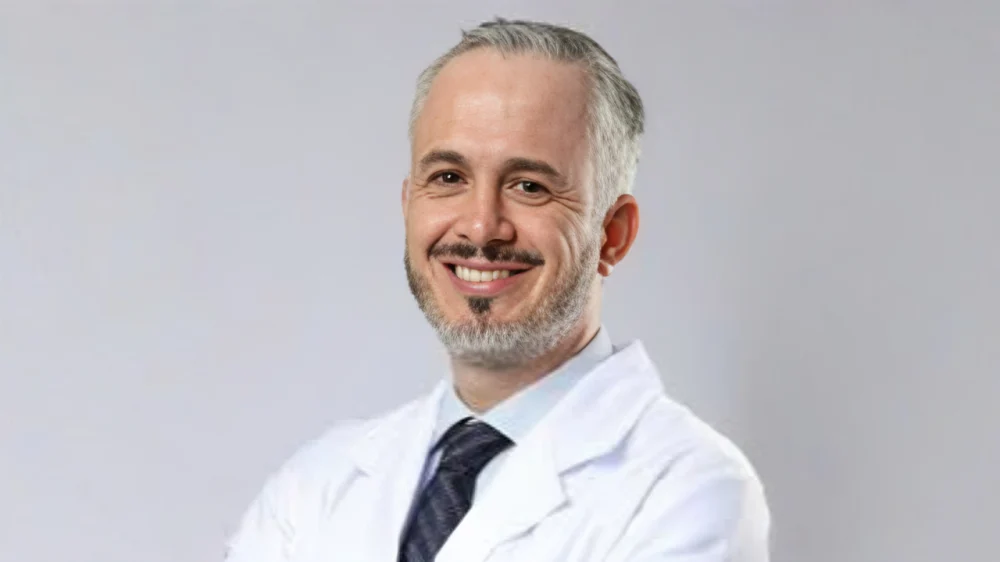
Rafael Vargas Alves, Vice-President at the Federal University of Health Sciences of Porto Alegre, shared on LinkedIn:
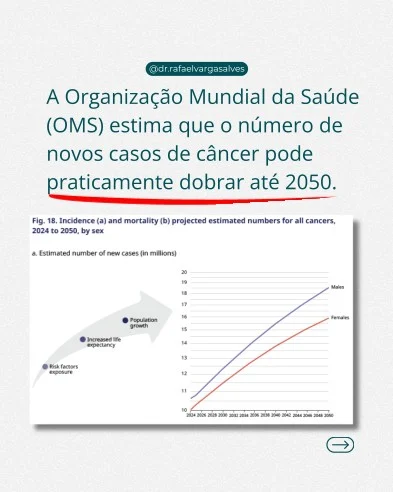
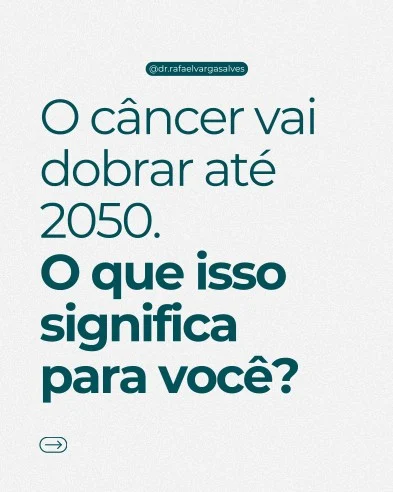
“The new Global Status Report on Cancer 2026, from the World Health Organization (WHO / World Health Organization ), brings an important warning: if nothing changes, the number of new cancer cases could practically double by 2050.
At first glance, this data may be frightening. But it needs to be understood in the right context.
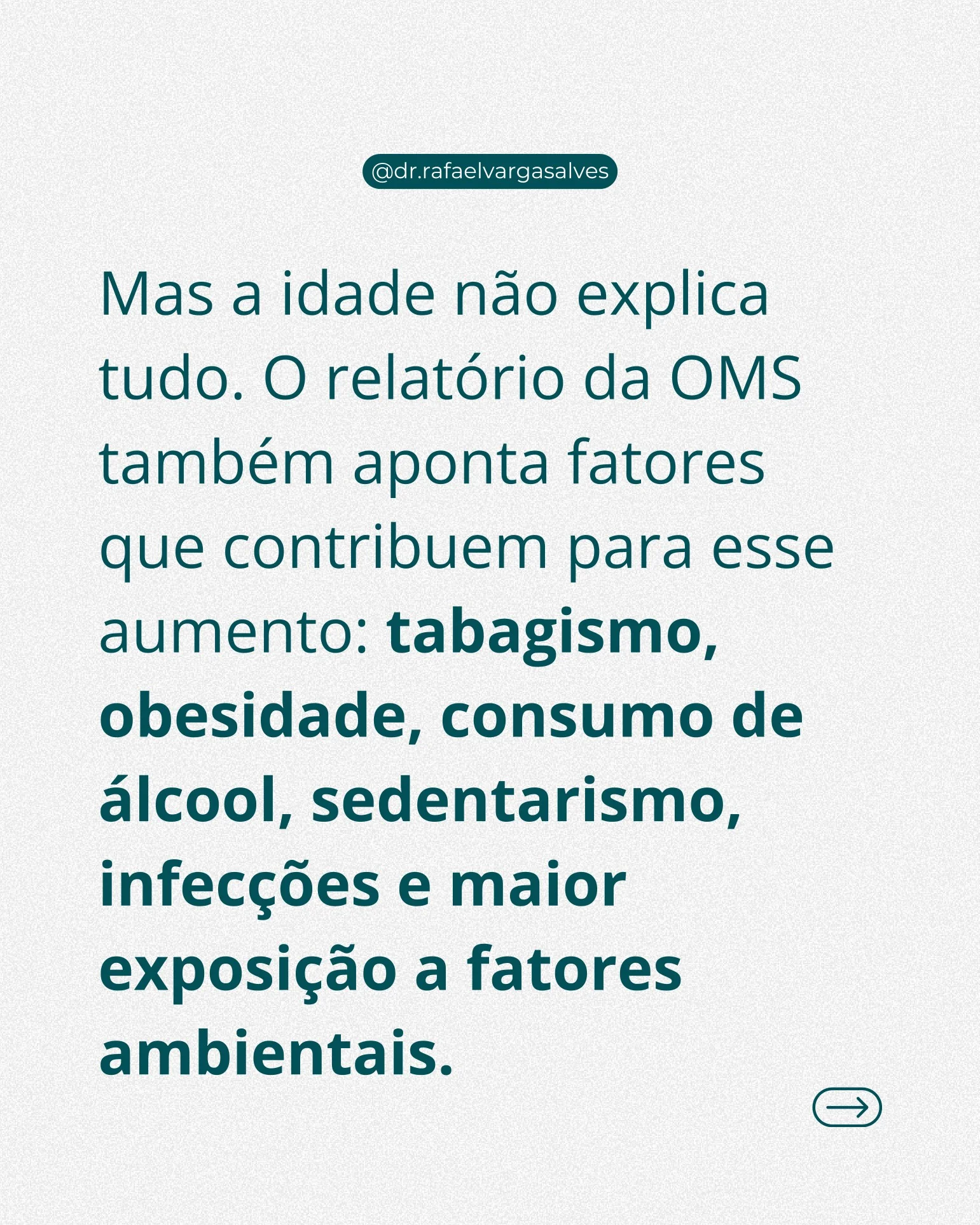
We live longer than ever before, and the aging of the population is one of the main factors behind this growth. At the same time, factors such as smoking, obesity, alcohol consumption, physical inactivity, and infections continue to contribute to the increase in the global burden of cancer.
The good news is that this scenario is not inevitable.
The report itself reinforces that the strategies with the greatest potential to reduce cancer deaths are already known: prevention, vaccination, organized screening programs, early diagnosis, and timely access to treatment.
The challenge of the coming decades will not only be to develop new therapies, but to ensure that what science has already proven reaches the population in an equitable way.
The future of cancer is still being written. And the decisions we make today, as individuals and as a society, will play a fundamental role in this story.
References:
- World Health Organization. Global Status Report on Cancer 2026: The Future We Choose Together. Geneva: WHO; 2026.
- International Agency for Research on Cancer (IARC). WHO calls for urgent action as new cancer cases are projected to nearly double by 2050.”
Other articles about WHO on OncoDaily.