Prisca Githuka, Cancer Advocate, Founder of Pink Hearts Cancer Support Foundation, shared on LinkedIn:
“Can we truly achieve personalized medicine if we don’t personalize the way we make policy?
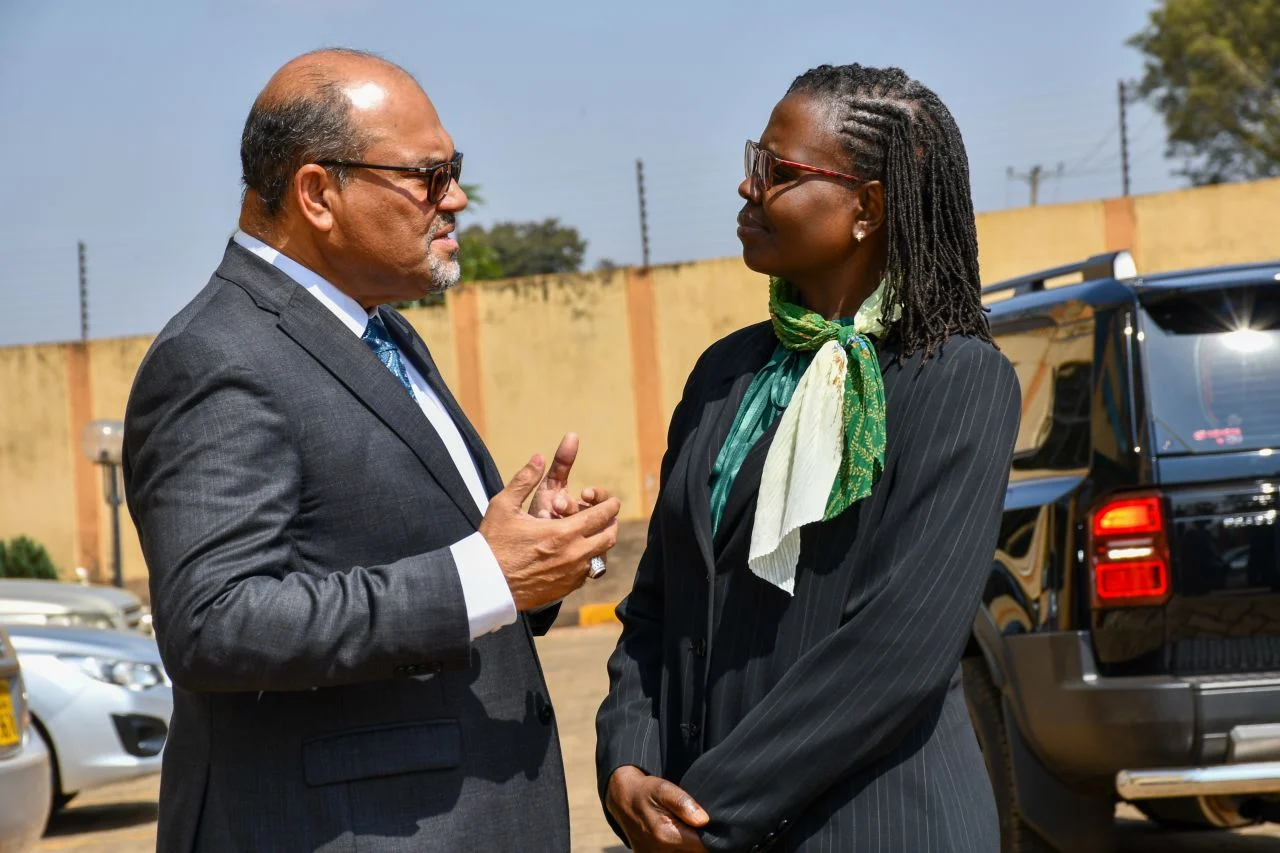
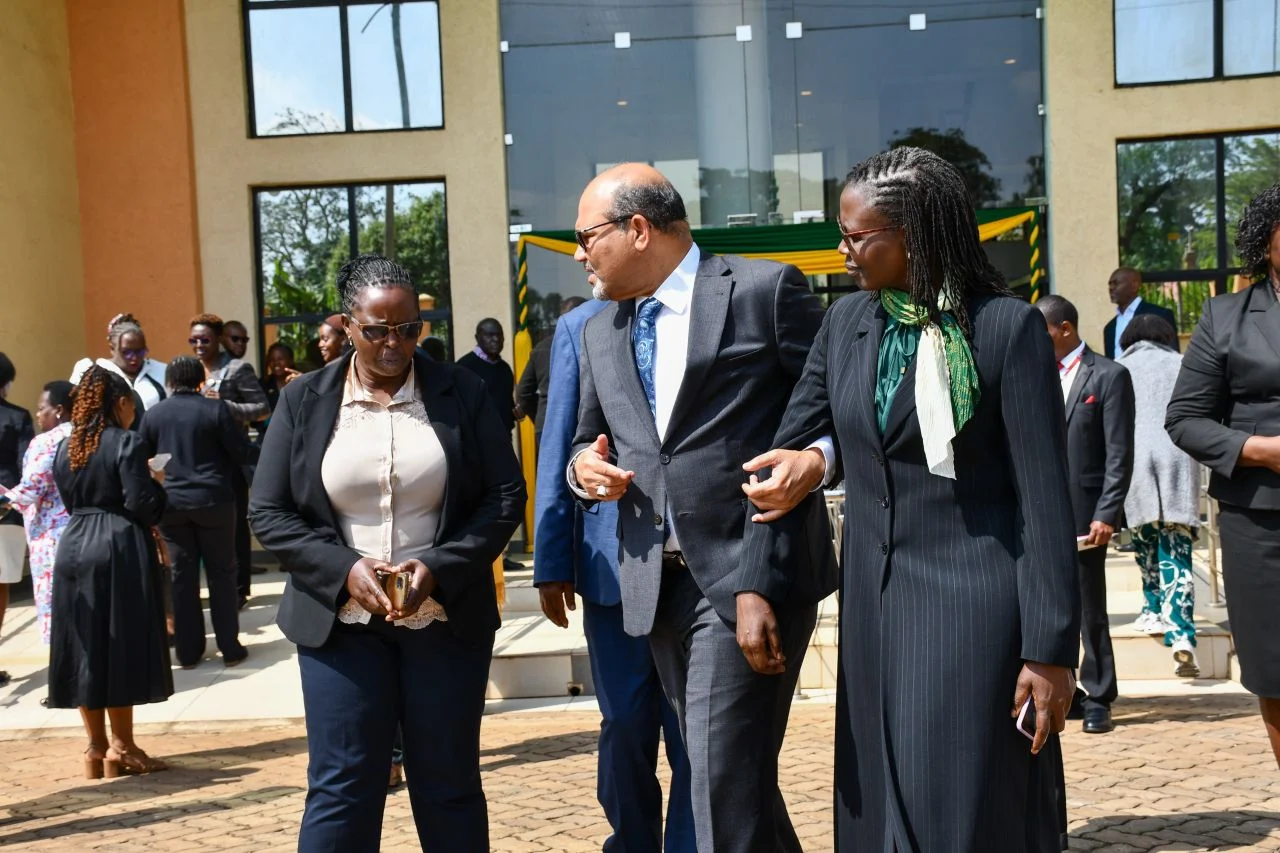
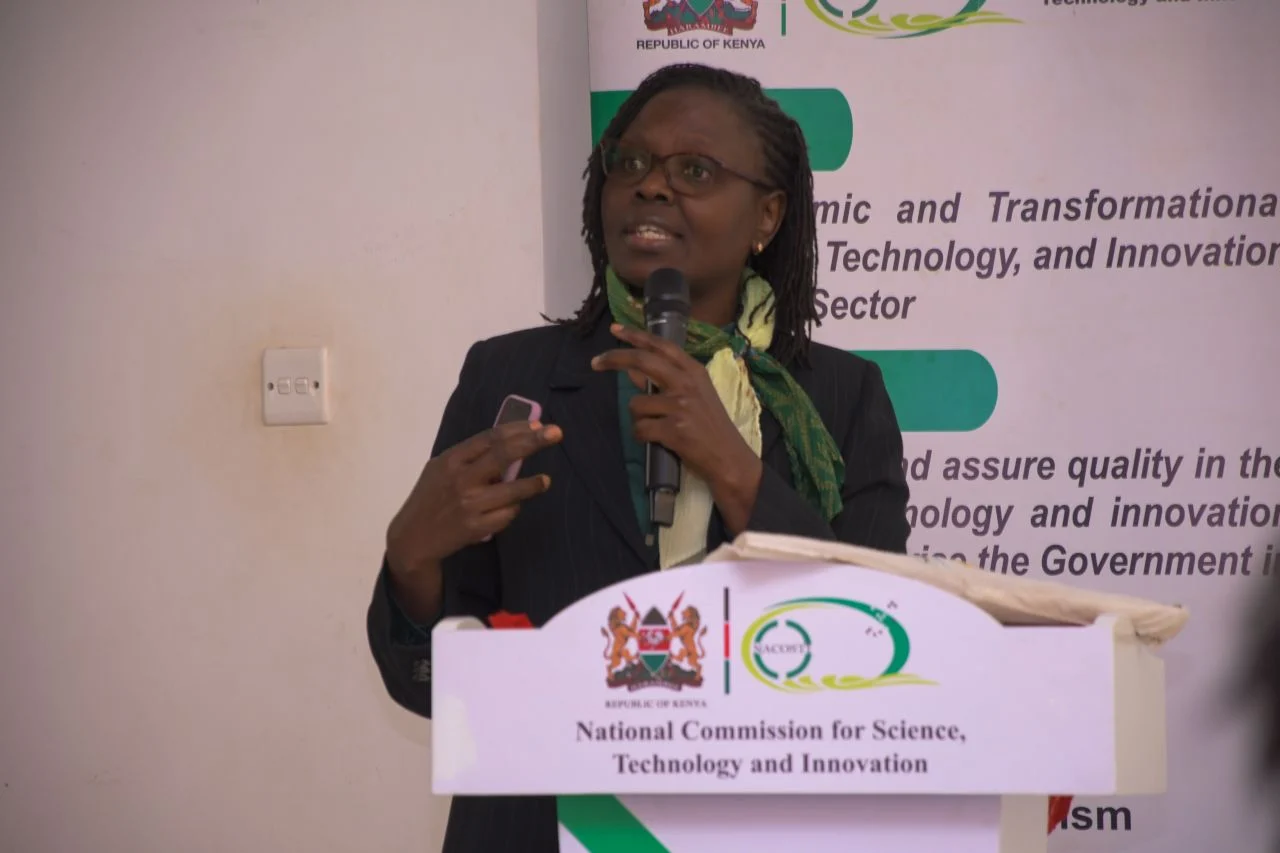
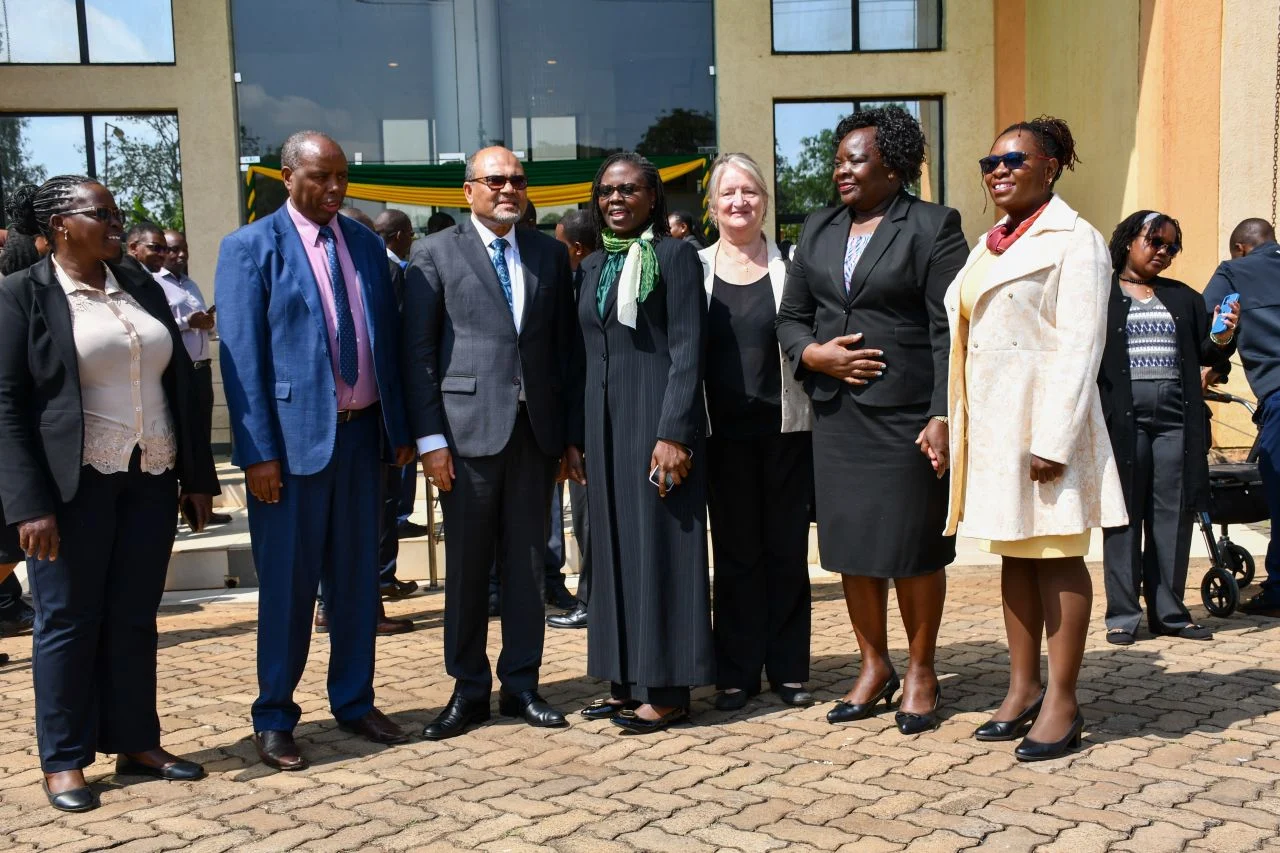
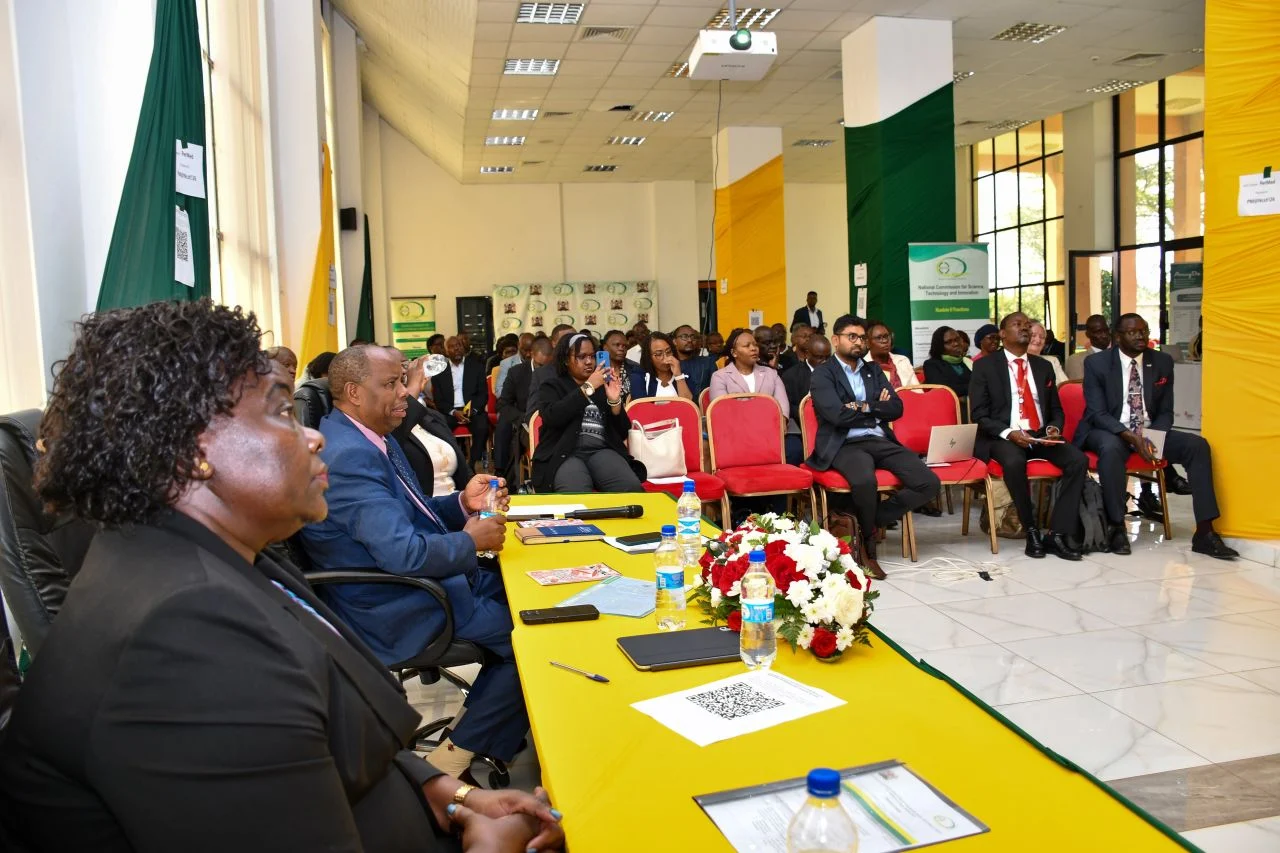
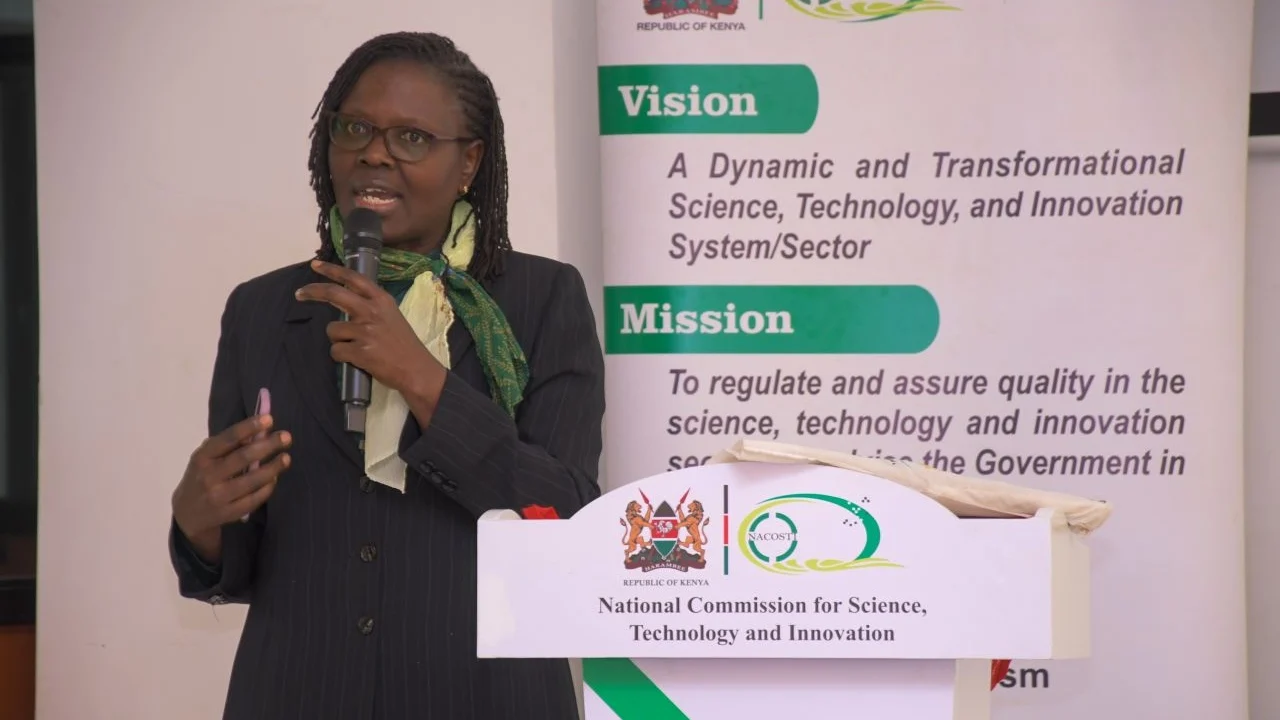
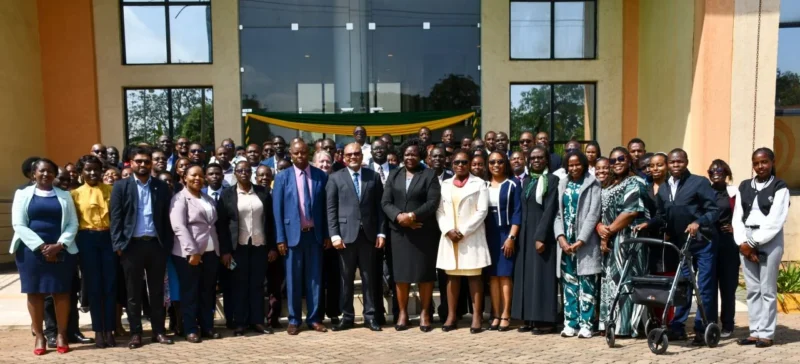
Last Thursday 16th July, I had the privilege of speaking at the National Stakeholders Forum for Research and Innovation on Precision Medicine: Turning Personalized Medicine into Practice, hosted by National Commission for Science and Technology (NACOSTI) .
I wasn’t there to speak as a clinician, researcher or policymaker.
I was there as someone who has lived through cancer.
My presentation, ‘Living Through Cancer Care: A Patient’s Journey and the Need for Personalized Medicine in Kenya,’ was well scheduled just before the address by the Chief Guest, Prof. Shaukat Abdulrazak, PhD. , Principal Secretary for the State Department for Science, Research and Innovation.
It was an opportunity to remind everyone in the room that before we discuss genomics, artificial intelligence, biomarkers or precision therapies, we must first understand the person behind the diagnosis.
Personalized medicine is often viewed through the lens of science and technology. Those are essential. However, from where I stand, personalized medicine is equally about listening.
It is about understanding why one patient completes treatment while another drops out.
Why two people with the same diagnosis experience completely different journeys. Why financial hardship, mental health, transport, family support, culture and survivorship are not ‘extras‘ – they are part of healthcare.
As Kenya builds its National Strategy for Personalized Medicine, we have a unique opportunity to get it right from the beginning.
The discussions, informed by Kenya’s participation in the EU-Africa PerMed Project, demonstrated that our country is well positioned to lead Africa in integrating personalized medicine into healthcare.
Notably leadership will not be defined only by our laboratories, research or technology. It will also be measured by whether patients are partners in shaping the future of care.
I was honoured to contribute the patient perspective to this national conversation because innovation is most powerful when it is co-created with the people it is meant to serve.
The most precise medicine is not simply the one that matches a person’s genes. It is the one that also understands their life.
As we shape the future of healthcare in Kenya, I hope we continue asking one simple question: Are we designing healthcare around diseases, or around people?”
Other articles about personalized medicine on OncoDaily.