





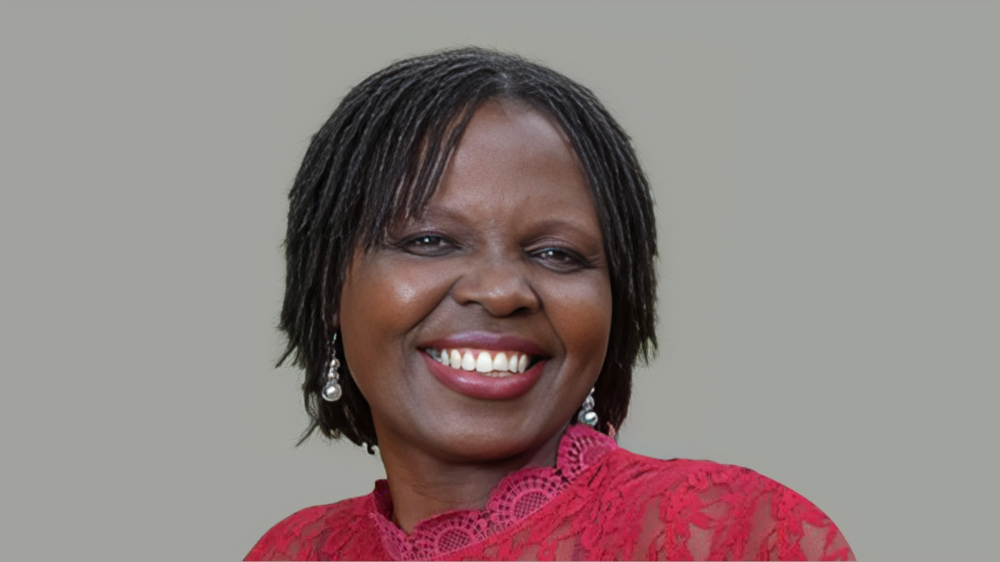
Prisca Githuka, Cancer Advocate, Founder of Pink Hearts Cancer Support Foundation, shared on LinkedIn:
“It has been almost a week since the WHO Global Status Report on Cancer 2026 was released. I’ve taken some time to read it and reflect on what its findings mean for Kenya.
Although the report presents global data, many of its findings resonate with the conversations we continue to have about cancer prevention and care in our country.
A few findings stood out:
- • 20.6 million people are diagnosed with cancer globally every year, with nearly 10 million deaths annually. Without stronger action, annual cases are projected to reach almost 35 million by 2050.
- Nearly 40% of cancers are linked to preventable risk factors, reinforcing the importance of prevention through healthier lifestyles, tobacco control, vaccination, and other public health measures.
- The inequities in outcomes are striking. 87% of women with breast cancer survive at least five years after diagnosis in high-income countries, compared with about 42% in low-income countries. Early diagnosis plays a major role—91% of high-income countries report that more than 60% of breast cancers are diagnosed at Stage I or II, compared with only 28% of low- and middle-income countries.
- Access to care remains a challenge. Almost half (47%) of patients globally have little or no access to basic diagnostic services, while the availability of priority cancer medicines ranges from 9–54% in low- and lower-middle-income countries, compared with 68–94% in high-income countries.
- Cancer care does not end with treatment. Every year, 73 million people need palliative care, yet only 14% receive it. Fewer than 59% of those who need cancer rehabilitation have access to it.
- Global coverage of the first dose of the HPV vaccine among girls is only 31%, far below the WHO target of 90% by 2030. Kenya has introduced HPV vaccination, but improving uptake remains essential if we are to reduce the future burden of cervical cancer.
At Pink Hearts Cancer Support Foundation these findings reinforce why our work spans the entire cancer journey. We educate communities about cancer risk factors and promote behaviour change, encourage early screening and timely health-seeking, support patients and caregivers, and advocate for more equitable, people-centred cancer care.
The report is a reminder that improving cancer outcomes requires more than expanding treatment services. It requires sustained investment in prevention, earlier diagnosis, access to diagnostics and essential medicines, palliative care, rehabilitation, and ensuring that people affected by cancer have a voice in shaping the services they receive.
What were your key takeaways from the report?”
Other articles about WHO on OncoDaily.