






Partha Basu, Head of the Early Detection, Prevention and Infections Branch at International Agency for Research on Cancer (IARC), shared a post on LinkedIn:
“After a long wait, India finally launched its national HPV vaccination campaign in March 2026, aiming to vaccinate 14-year-old girls within a short three-month window. While this is a landmark step towards cervical cancer elimination, the early response has been, at best, lukewarm at the end of 3-month campaign.
What is more concerning is the persistence of misinformation. Sections of the anti-vaccine lobby, interestingly supported by a few voices within oncology community, continue to argue that cervical cancer incidence in India is declining ‘on its own’. This narrative is not only flawed but potentially harmful.
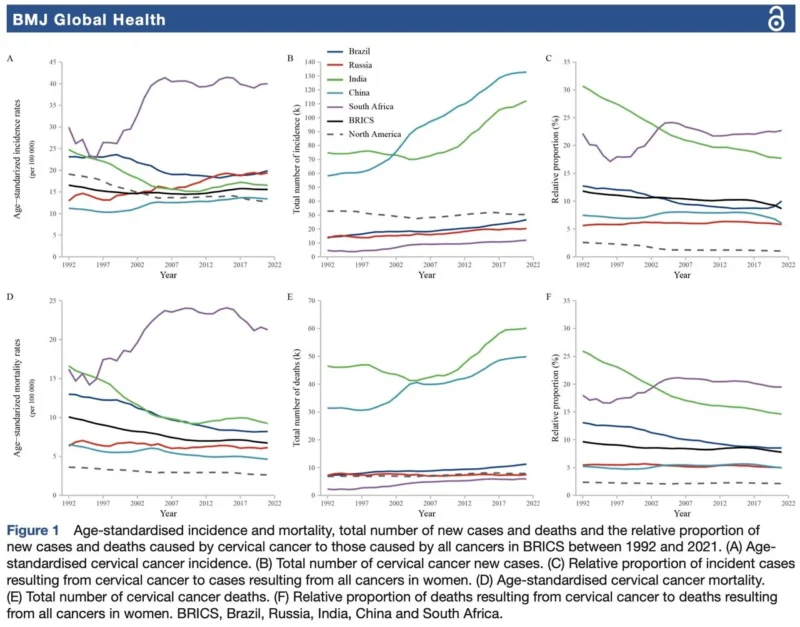
Evidence tells a more nuanced story. As highlighted in our recent BMJ Global Health publication, improvements in socio-economic conditions and women’s empowerment, driven largely by economic development, have indeed contributed to a decline in cervical cancer incidence over past decades.
However, this decline has plateaued over the last ten years. In other words, we may have already captured the gains achievable without systematic prevention strategies, and further progress will likely stall without intervention.
India still accounts for a disproportionately large share of global cervical cancer cases and deaths. This is unacceptable, especially when we have safe and highly effective tools at our disposal: HPV vaccination and organized screening.
We are at a critical juncture. The success of the vaccination campaign will not depend only on policy announcements, but on public trust, clear communication, and collective responsibility within the medical community.
Full text is available: BMJ Glob Health 2026;11:e018569. doi:10.1136/bmjgh-2024-018569.”
Other articles featuring Partha Basu on OncoDaily.