


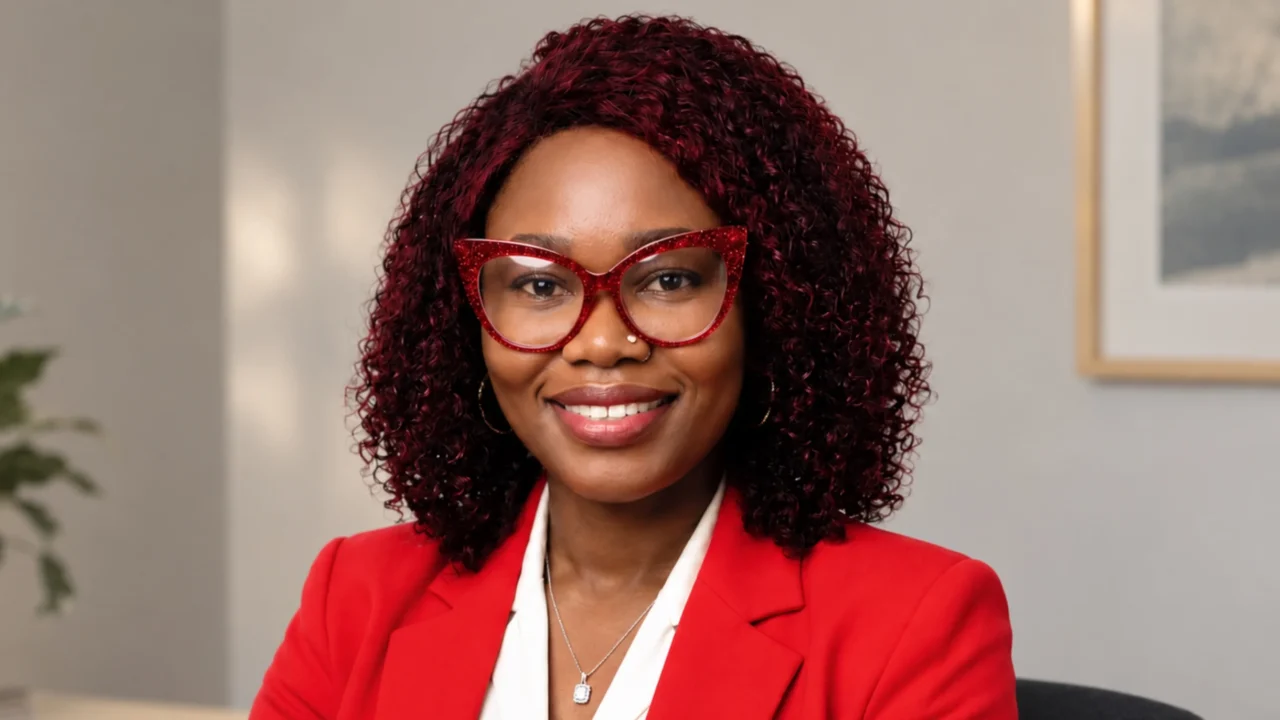
Olubukola Ayodele, Co-Convenor (Co-Chair) of London Global Cancer Week, shared on LinkedIn:
“Health Inequities Heroes. I wasn’t expecting to see my name under that heading!
I was genuinely touched to be featured by the Association of Breast Surgery (ABS) in their ‘Health Inequities Heroes’ series, recognising individuals working to address inequalities in cancer care.
Thank you to Carol-Ann Courtney and the Association of Breast Surgery for this recognition and for using your platform to shine a light on an issue that remains very close to my heart.
For me, addressing cancer inequalities has never been an optional extra to my work as an oncologist. It is central to how I practise medicine, conduct research, engage with communities and advocate for patients.
We have made remarkable advances in cancer treatment. Yet, the uncomfortable reality is that where you live, your ethnicity, socioeconomic circumstances and the healthcare system you find yourself in can still influence whether you benefit from those advances.
That should concern every one of us working in cancer care.
My work has taken me from clinical practice and research to community engagement, patient advocacy and global oncology. Whether through Cancer Conversations CIC, our work with Black women in Leicester, improving representation in clinical trials, or advocating for equitable access to treatment, the goal remains the same: ensuring that progress in cancer care reaches everyone.
I have always believed that cancer care doesn’t start in the hospital. It starts in the community.
We cannot address inequalities by focusing only on what happens after someone receives a cancer diagnosis. We must also consider who receives information, who feels able to seek help, who gets diagnosed early, who participates in research and who has access to the best available treatments.
This recognition also comes at a particularly meaningful time, as we begin London Global Cancer Week 2026, bringing together people committed to improving cancer outcomes across different countries and healthcare systems.
I am particularly pleased that the Association of Breast Surgery will be contributing to our discussions on 6 November, exploring how global partnerships can translate local insights into meaningful change.
I am grateful to the many colleagues, community organisations, patients and advocates who continue to work alongside me. None of this happens in isolation.
Recognition is encouraging, but the real measure of our work will always be whether we are changing outcomes for the people who need us most.
Thank you once again to the Association of Breast Surgery for this honour.
Other articles about Olubukola Ayodele on OncoDaily.