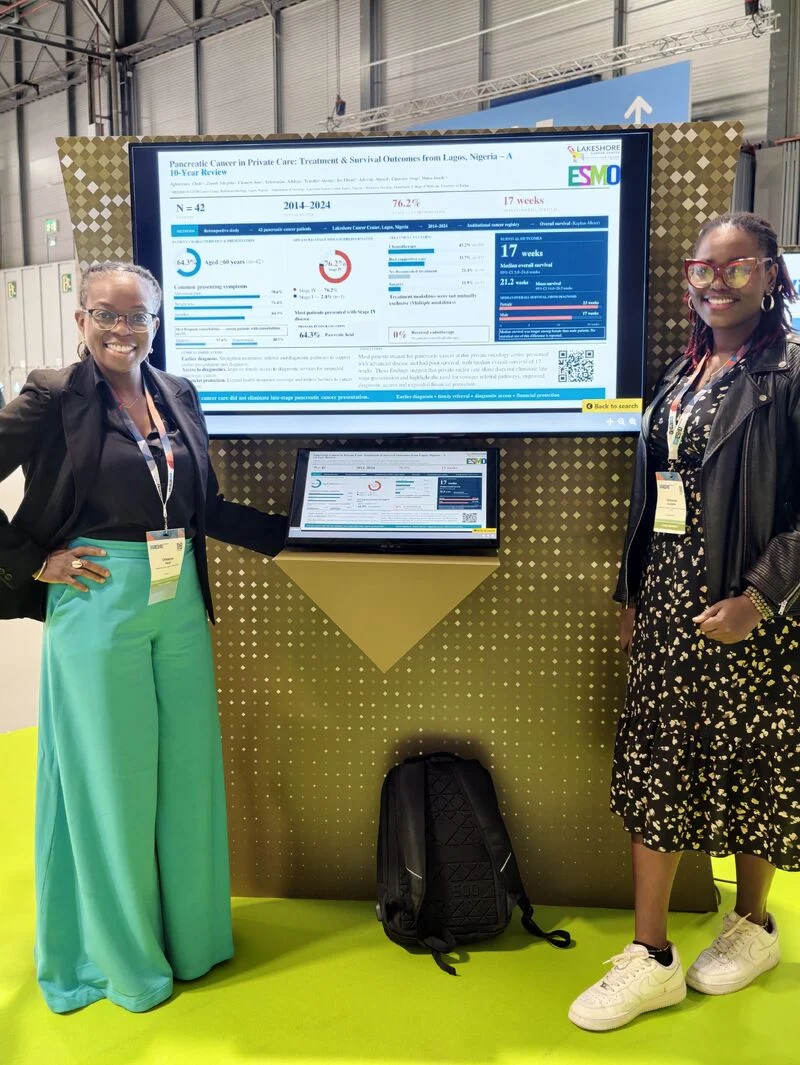
Olubukola Ayodele, Co-Convenor (Co-Chair) of London Global Cancer Week, shared on LinkedIn:
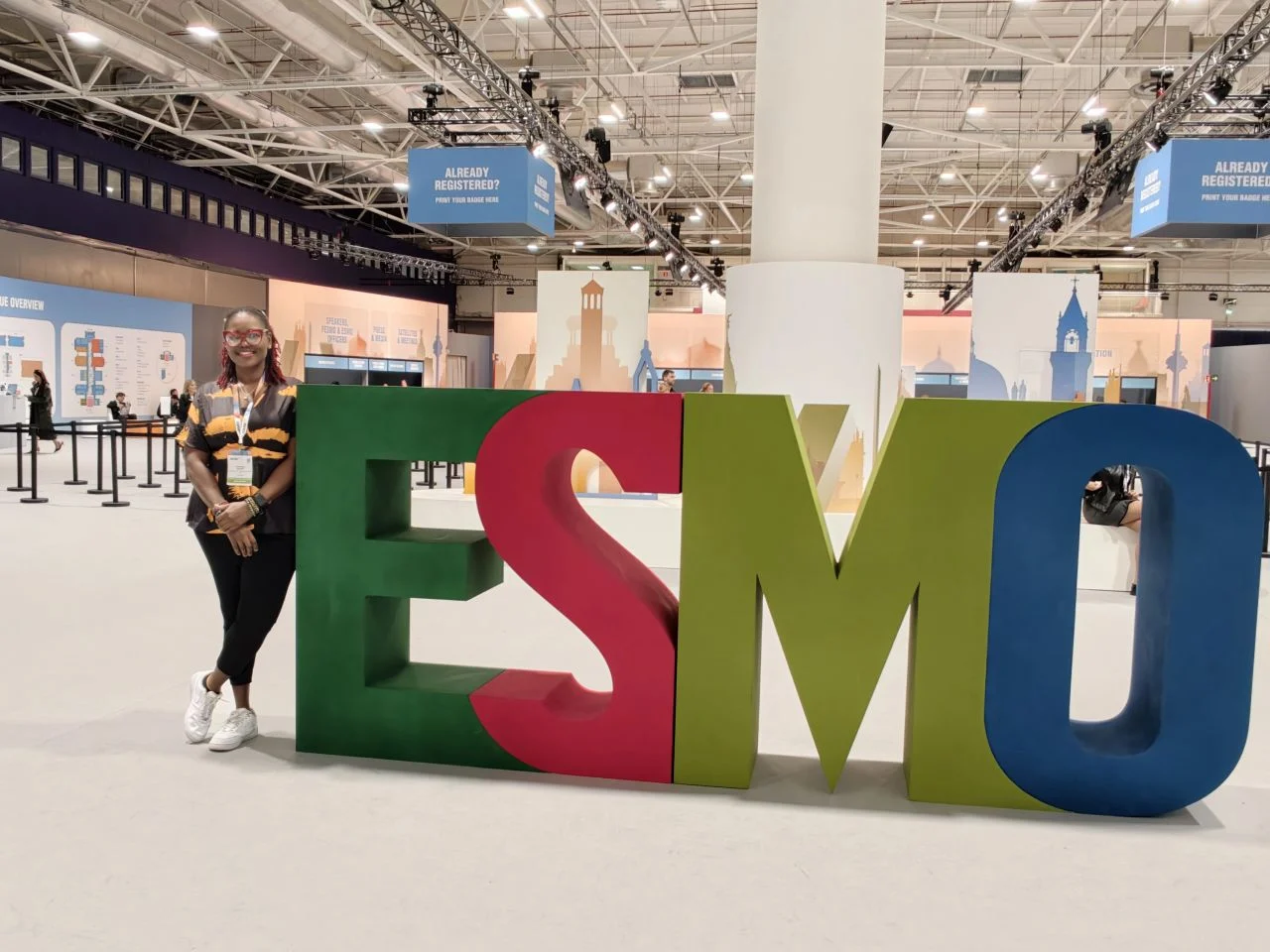
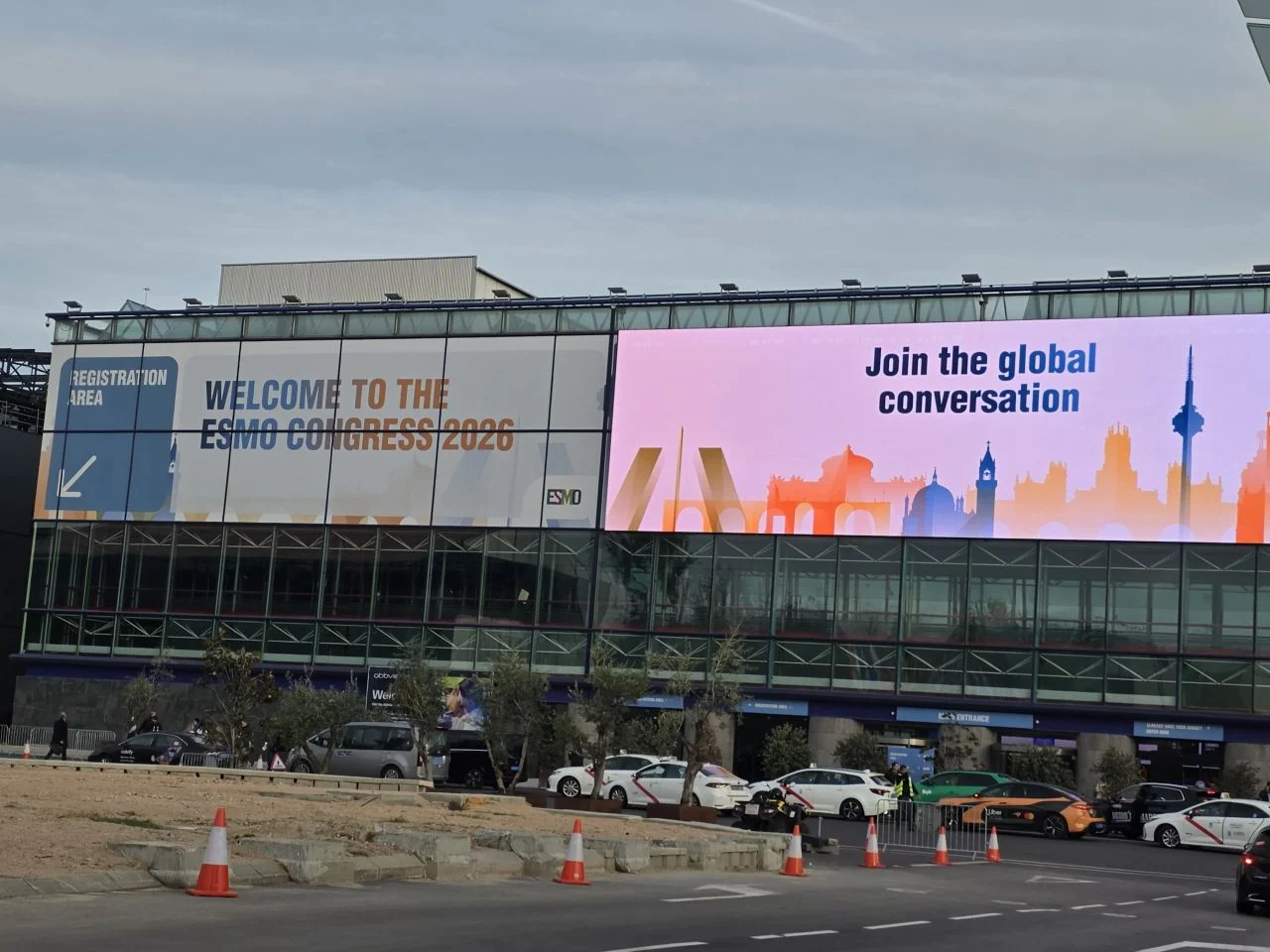
“ESMO 2026. What a few days!
So much science. So much data. So many conversations. And plenty to reflect on.
As I leave Madrid, I feel grateful, inspired and, admittedly, a little overwhelmed by the sheer volume of information presented over the past few days.
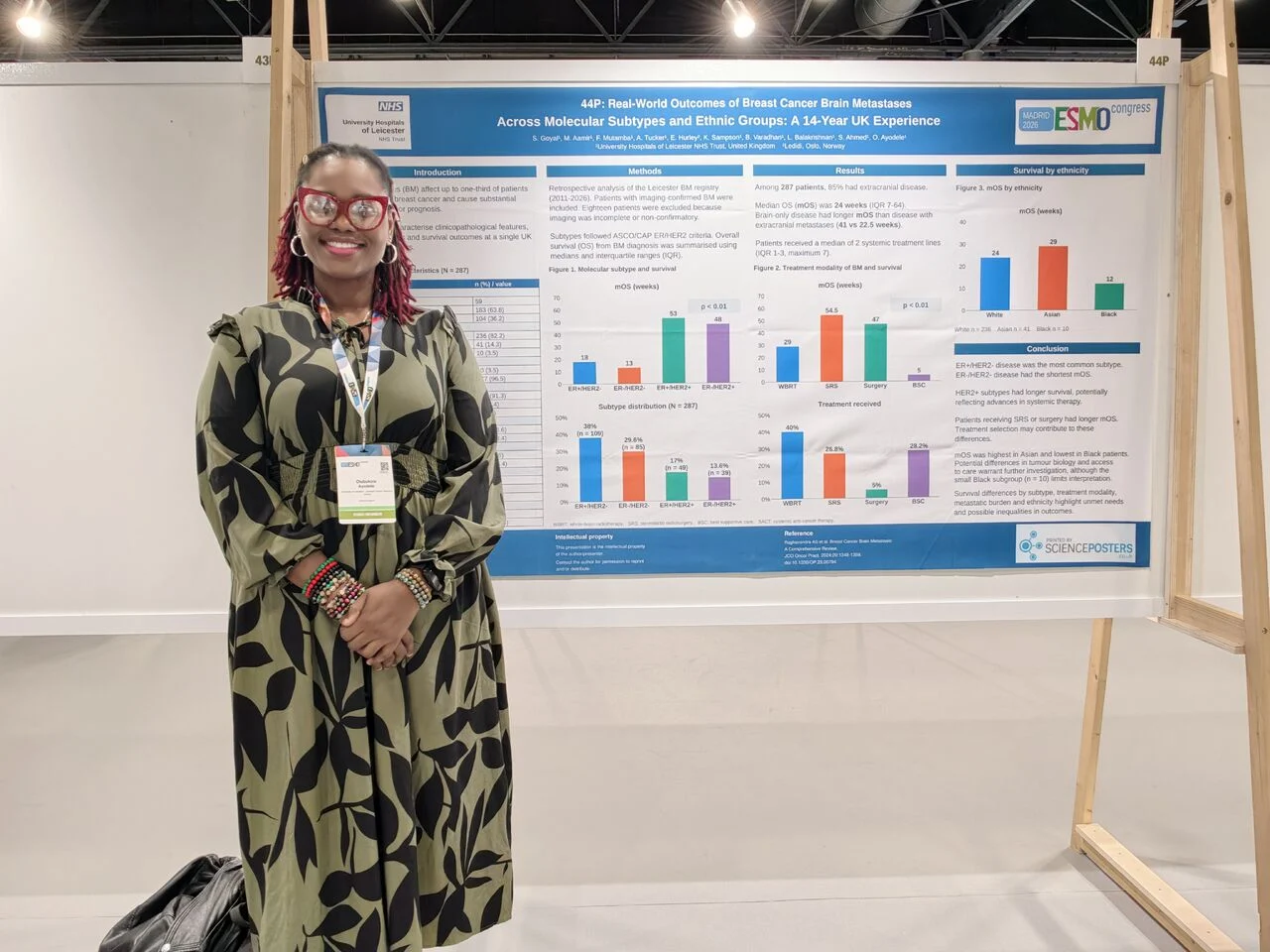
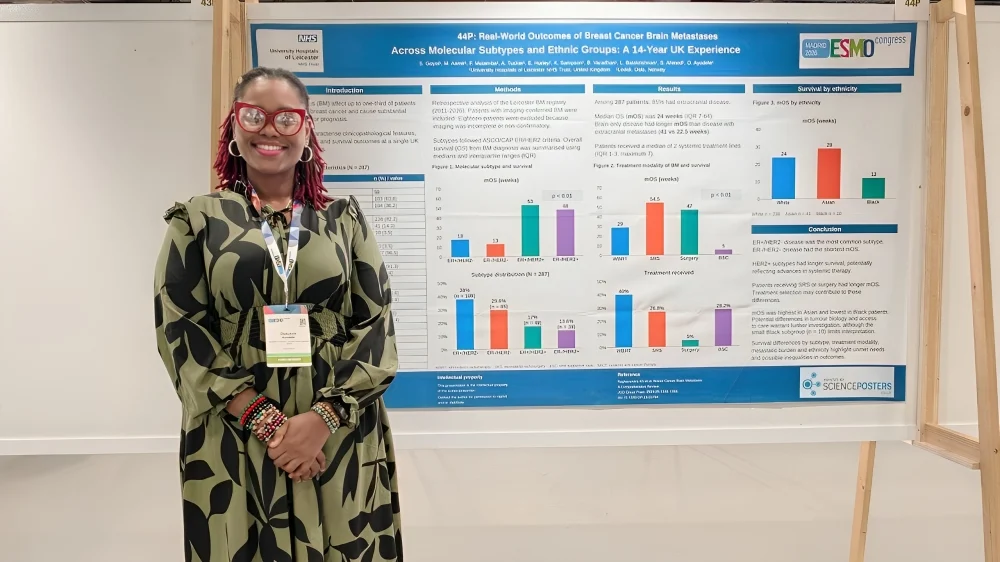
There has been some exciting science, particularly in breast cancer.
New therapeutic approaches, promising results from clinical trials, and important questions about how we interpret emerging evidence and translate it into everyday clinical practice.
Not every positive trial is practice-changing.
Not every statistically significant result translates into meaningful benefit for our patients. Some of the most valuable discussions have been about the questions the data haven’t yet answered.
That, for me, is what makes scientific meetings so worthwhile.
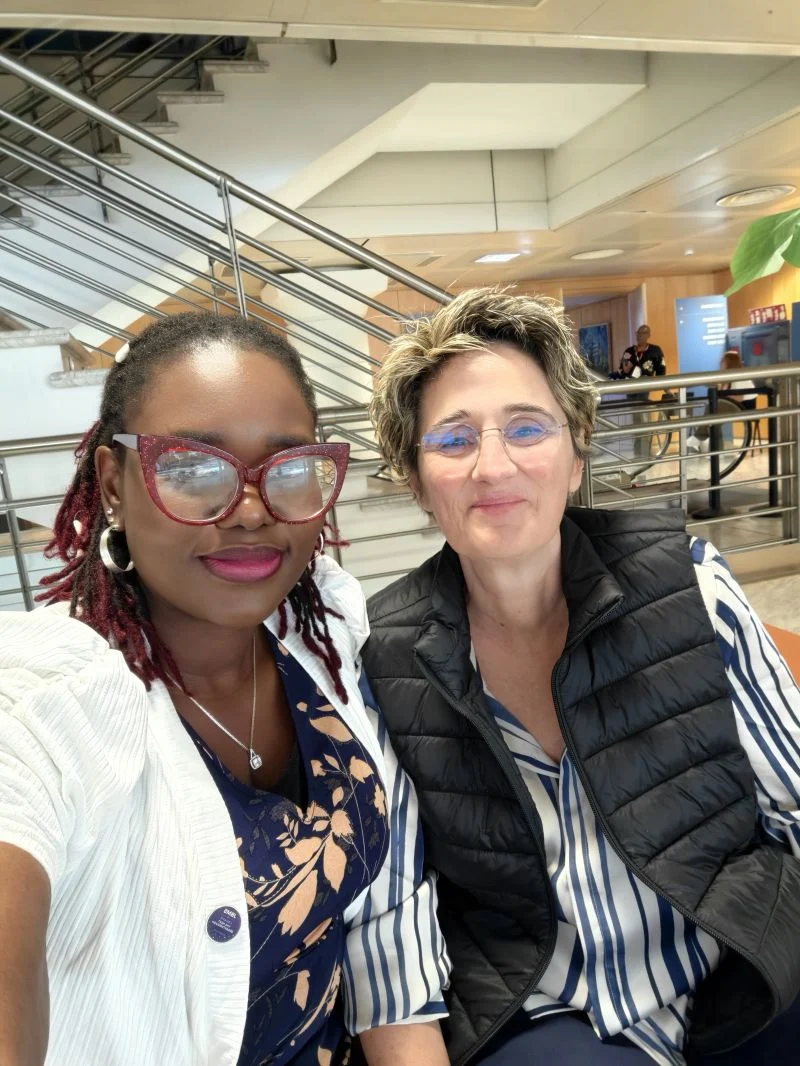
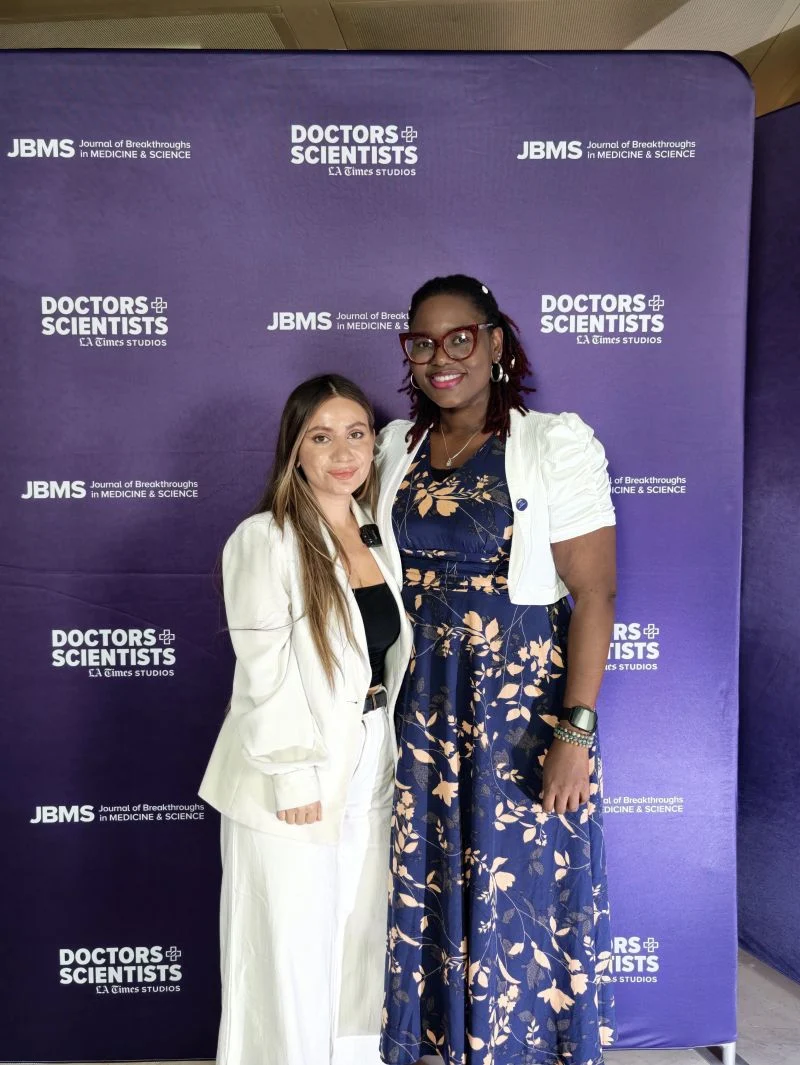
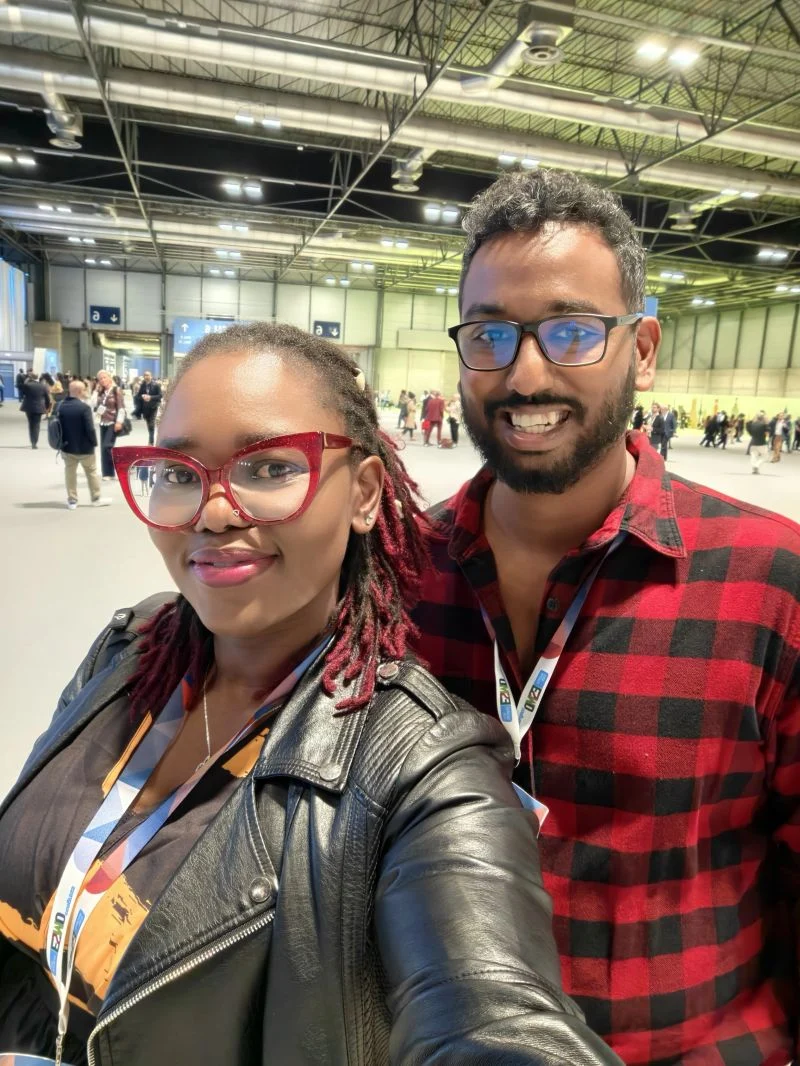
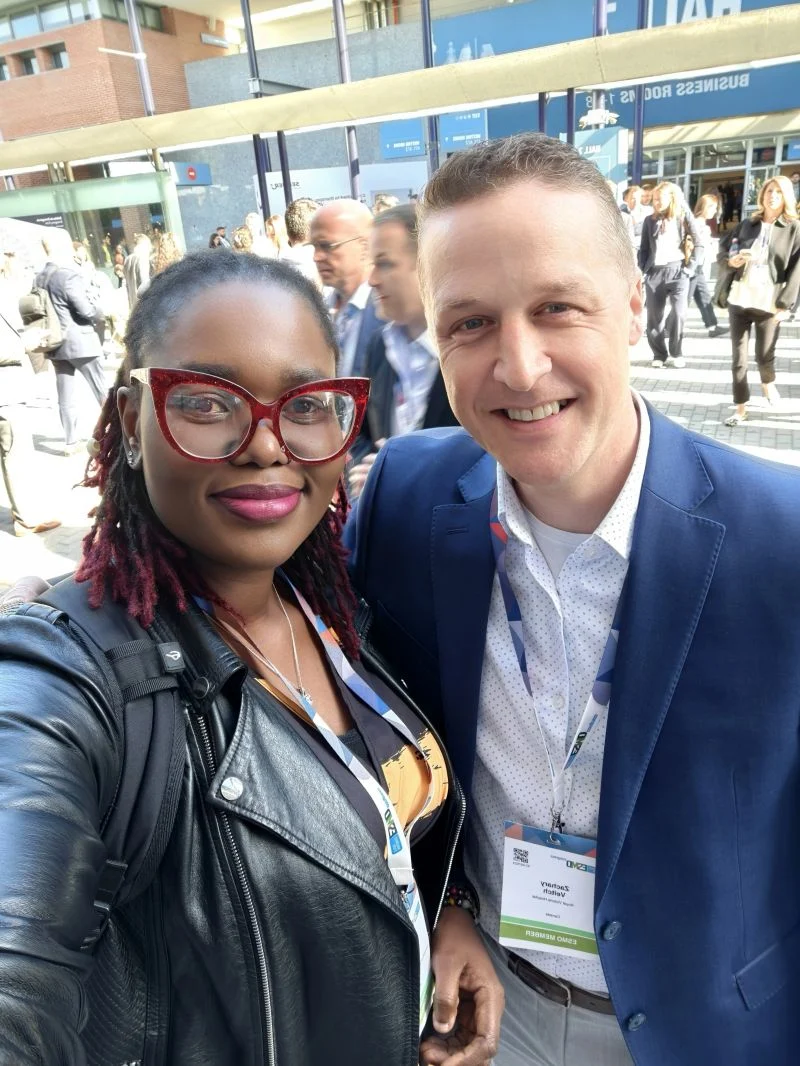
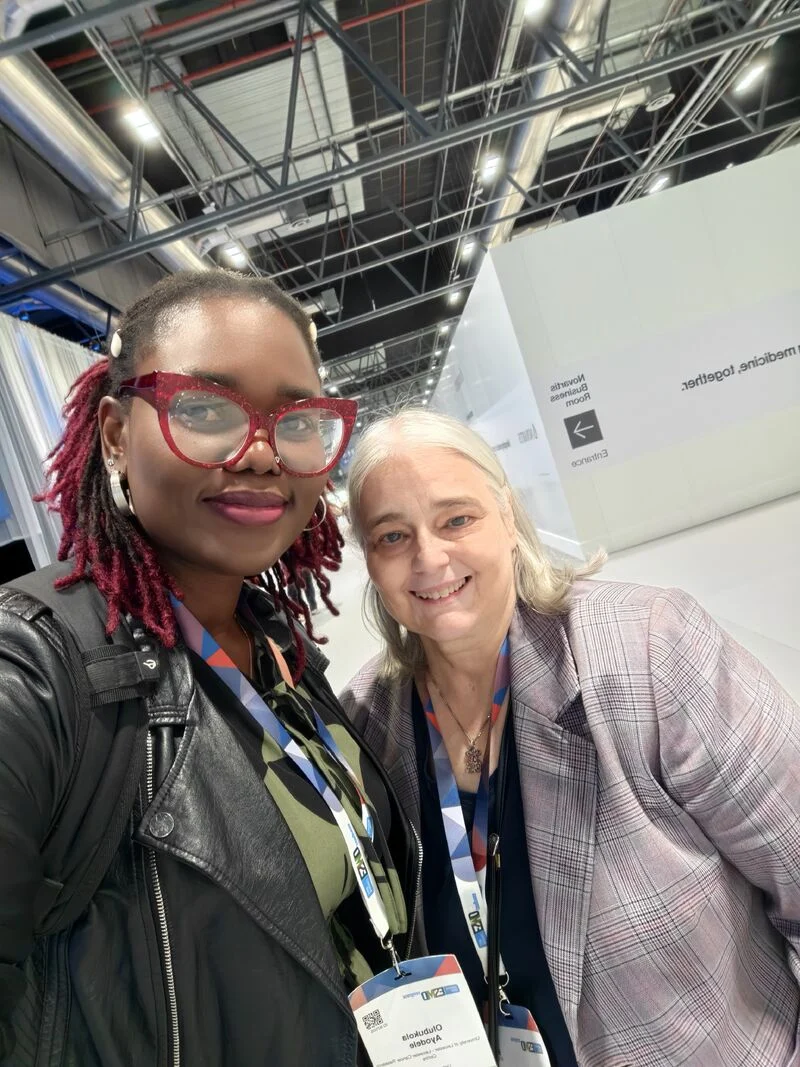
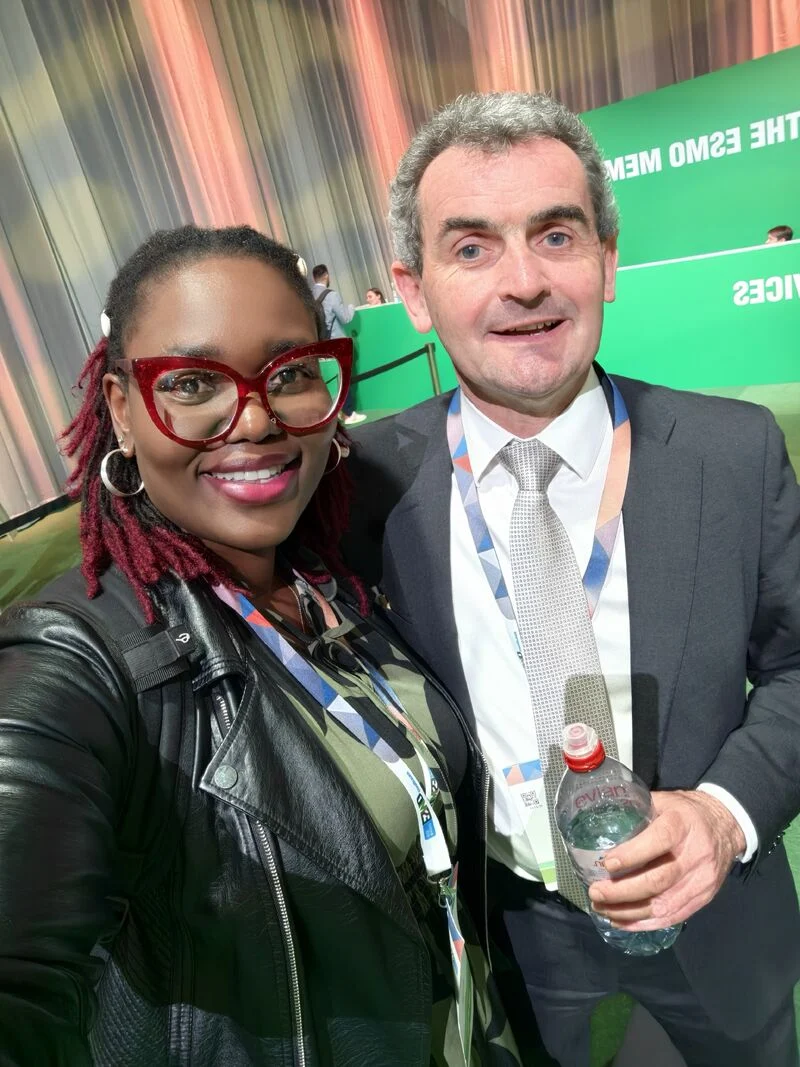
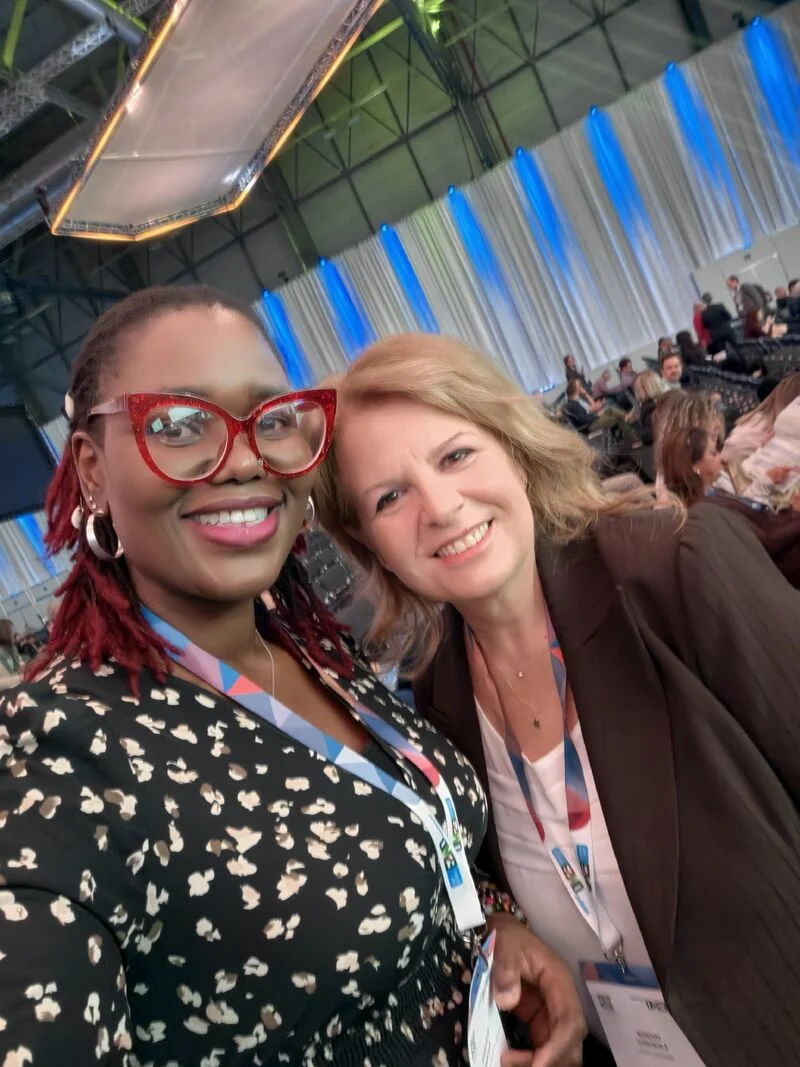
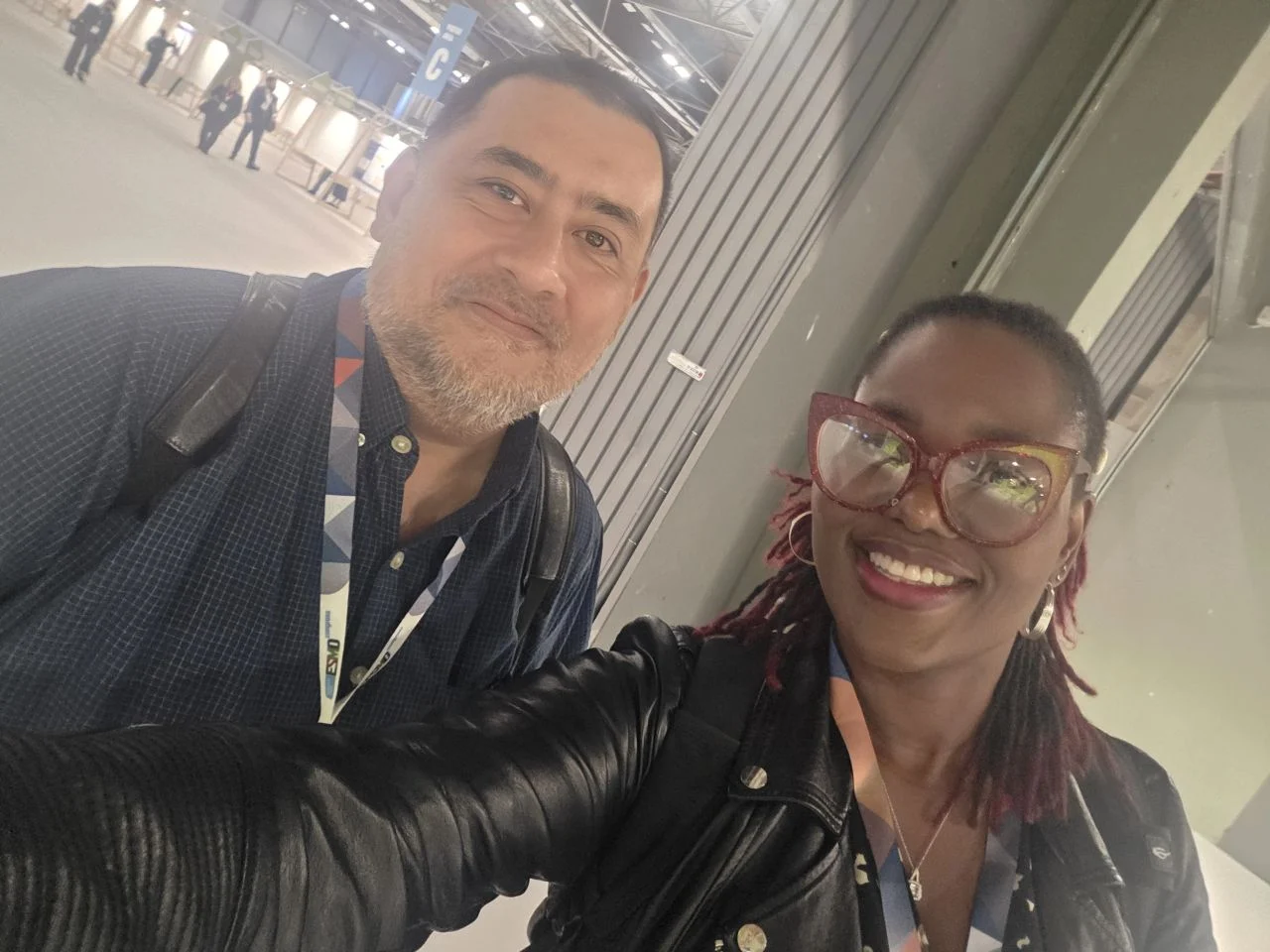
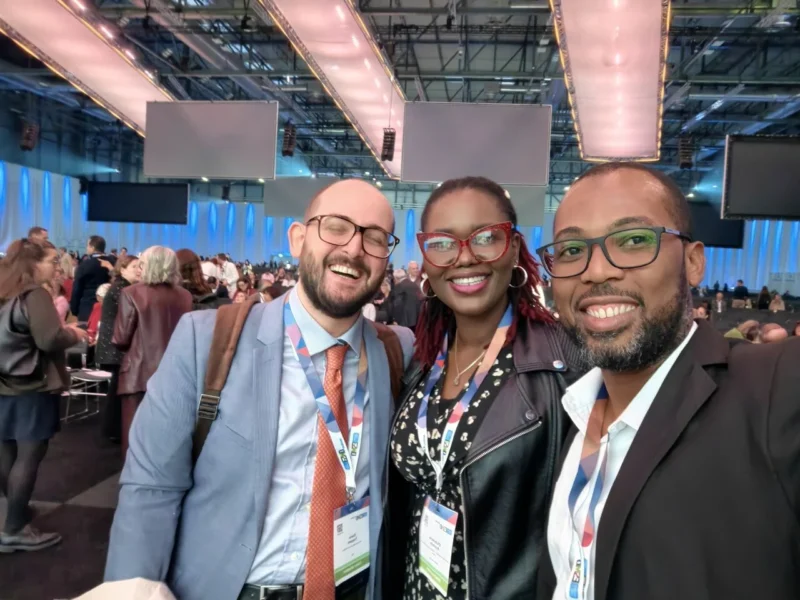
Because beyond the presentations, you have the opportunity to reconnect with colleagues, meet new people, exchange ideas, challenge perspectives and learn from experiences across different healthcare systems.
I particularly value the conversations that happen outside the halls.
The spontaneous discussions over coffee, the exchange of ideas with colleagues from different parts of the world, and the connections that may eventually lead to meaningful collaborations.
These interactions remind me that oncology is as much about people as it is about science.
I also leave with renewed appreciation for how far we have come in cancer treatment, while recognising how much work remains.
We are developing increasingly sophisticated treatments, but we must continue asking who gets access to them, who is represented in the evidence, and whether these advances are improving outcomes for patients across different populations and healthcare systems.
Scientific progress is important. Ensuring patients benefit from that progress is equally important.
There is a lot to take home, reflect on and share with colleagues. Some findings will influence how we think about treatment today. Others will generate new research questions and hopefully shape tomorrow’s practice.
For now, I am simply grateful.
Grateful for the opportunity to learn, for the colleagues who generously share their knowledge, for old friendships strengthened and new connections made. Grateful to be part of an oncology community that continues to push the boundaries of what is possible for our patients.
Madrid, you’ve been wonderful!”
Other articles about ESMO26 on OncoDaily.